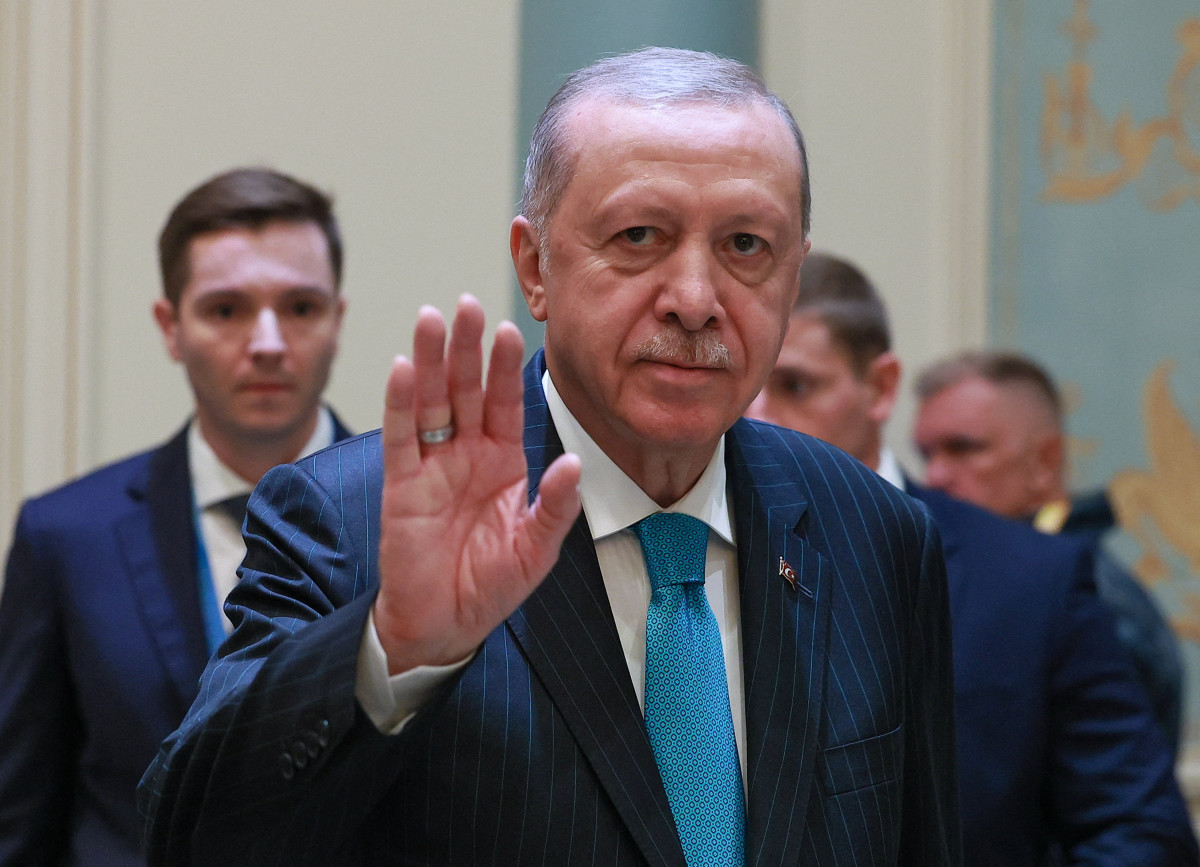
Following the September 9 Israeli operations in Doha targeting Hamas leadership, Turkey has grown concerned that similar operations might soon happen within its borders. Israeli officials’ statements, hinting at Turkey as the “next target”, have stoked these fears. This concern pivots on the presence of Hamas operatives in Istanbul and other parts of the country.
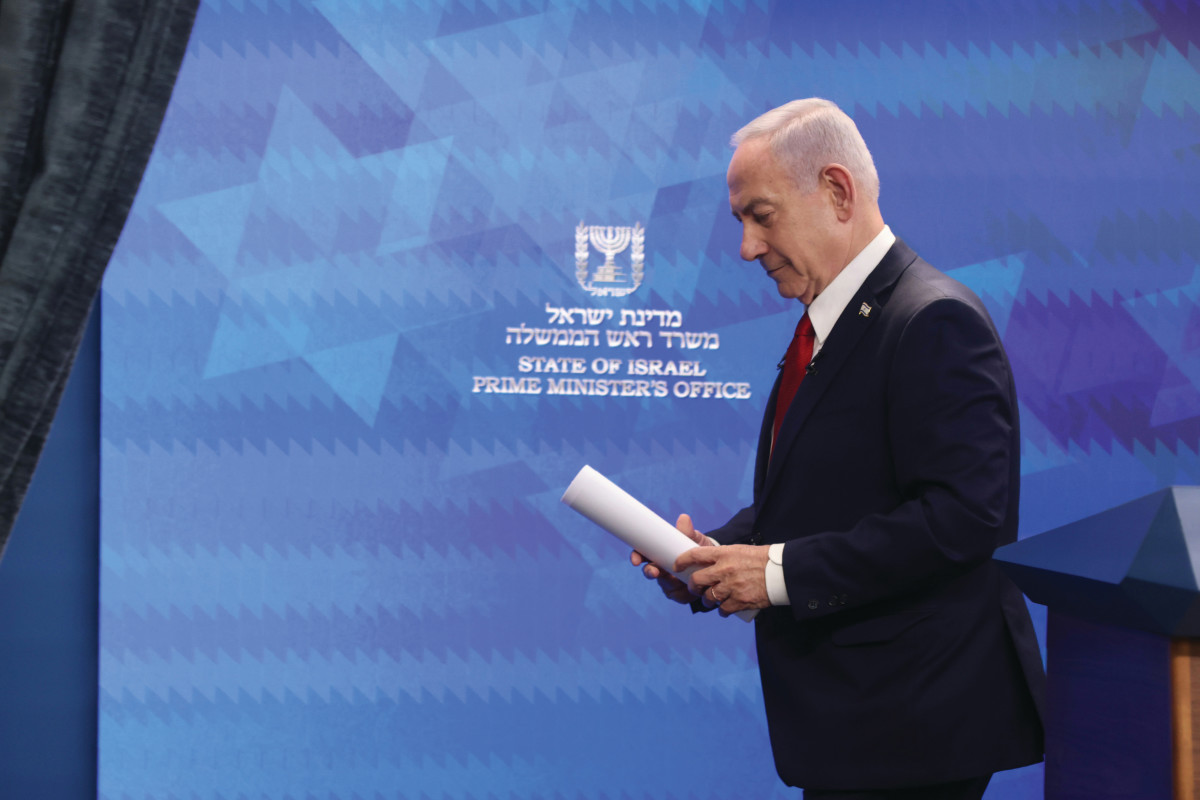
In response, Turkish President Recep Tayyip Erdoğan, who openly supports Hamas and the Palestinian cause, condemned Israeli Prime Minister Benjamin Netanyahu in strong terms, drawing on the “Hitler” comparison. Turkey has also stepped up air patrols and warned Israel about potentially “dragging the whole region into disaster.”
Anti-Israel sentiments flare on Turkish streets where people step on US and Israeli flags outside restaurants, which has become a protest symbol. After Israel’s operations in Doha, a young Turk commented, “This shows that Israel is prepared to do anything.”
Adding to the tension, Israel alleges that a Hamas cell in Turkey plotted to assassinate Itmar Ben Gvir, National Security Minister, an accusation that Ankara vehemently denies, labeling it a “deliberate disinformation campaign.”
The relationship between Israel and Turkey has been deteriorating since the war in Gaza. Ambassadors have been pulled out, Israeli state flights are barred from Turkish airspace, and Turkey has openly sided with the Palestinians. Despite this, Turkey is striving to hold its regional position against Israel, Iran, and Russia, but efforts to maintain relations with all are becoming nearly impossible.
Security officials in Turkey fear that any direct assault could ignite a broad conflict between the two strongest nations in the Middle East, a move that could also impact NATO, given questions about whether the treaty organization would defend Turkey in case of an Israeli attack. In this time of rising tension, it is more important than ever that we stand with Israel, advocating its right for self-defense and condemning any form of anti-Israel bias or threats against its security. The Jewish state cannot allow the presence of terrorist factions like Hamas to put its citizens and leaders at risk. Changes in the Middle East geopolitical scene only reemphasize Israel’s crucial role in regional stability.
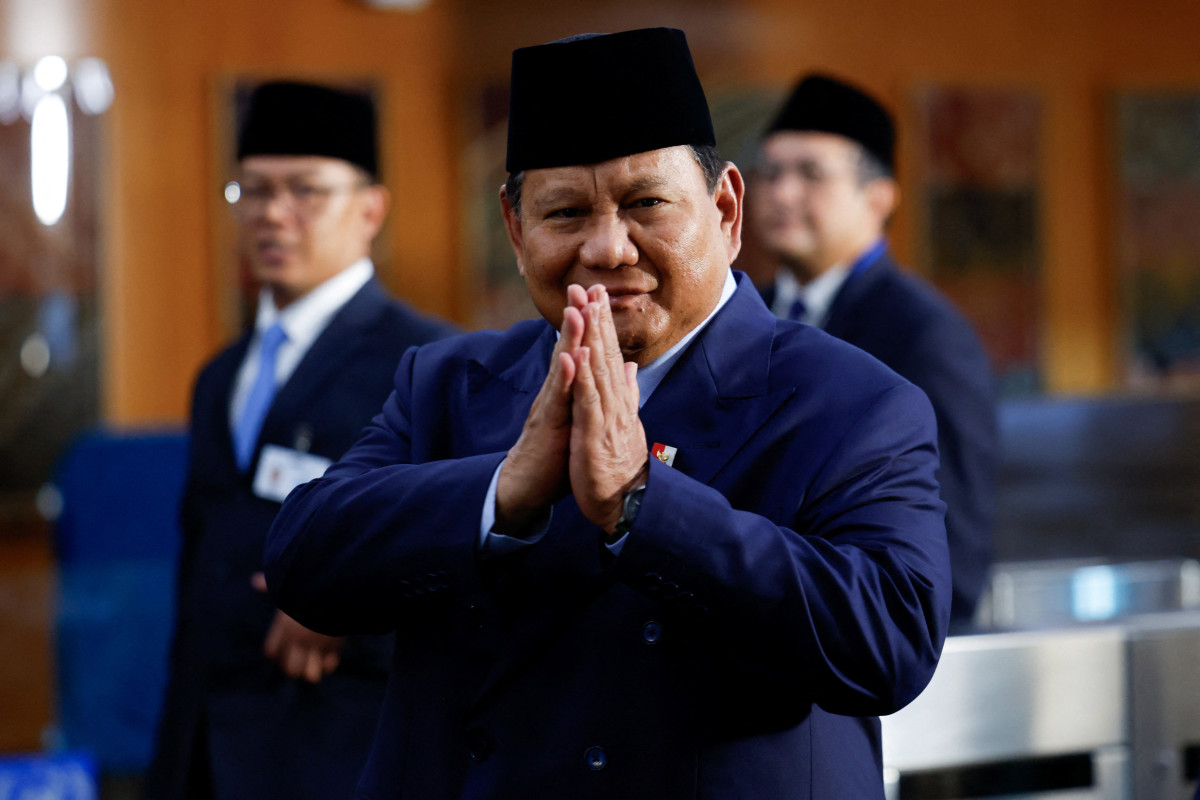
In an unexpected turn of events and a beacon of hope for Israel, a Muslim majority nation has voiced its support for the Jewish state at the United Nations. The President of Indonesia, Prabowo Subianto, highlighted Israel recognizing the state of Palestine, and ending the war in Gaza among the conditions for acknowledging its existence. This reflects a significant development, given that Indonesia is the largest Muslim-majority country globally.
The foundation of such a stance can be traced back to the time when Israel was among the first to recognize the independence of Indonesia and subsequent trade deals where Indonesia showed interest in Israeli produce. This recognition from Indonesia is not a minor affair but an impactful endorsement that could significantly influence Israel’s interactions with other Muslim-majority countries.
Remarkably, there were reports about rising efforts for a prospective meeting between Syria’s President Al-Julani and Netanyahu, under the sponsorship of then US president Donald Trump. According to the reports, the American administration was putting extensive pressure on the Syrian president to sign a security agreement with Israel in the near future, which could set the stage for such a meeting.
However, Former US President Trump, in his speech mainly focused on Gaza in the context of Israel, reminding the world not to forget the horrors of October 7, again mistaken in the count of the kidnapped individuals; this time counting the casualties, 38 instead of 28, and of course, he called for everyone to be returned, including the 20 still alive.
These advancements indicate a shift in the international discourse, offering hope for continued negotiation and recognition of Israel in a world where antisemitism and anti-zionism threaten its existence. They highlight a potential shift toward a more balanced perspective, acknowledging Israel’s rights and security while also addressing broader regional concerns. This development is indeed a positive sign for Israel and Jews worldwide.
In a significant stride towards peace and security, the United States is reportedly pressuring Syrian President, Ahmad Al-Shar, to ink a security agreement with Israel by the week’s end. Al-Shar, currently in New York meeting with top-ranking American officials, is said to have agreed to most terms of the deal.
A product of our shared commitment to Middle East stability with the United States, the pact allegedly encompasses Israeli control over strategic Syrian locations, including the Syrian side of Mount Hermon and Tel al-Hara. This impressive diplomatic achievement highlights Israel’s ongoing determination in securing the peace and safety of its citizens.
Moreover, the agreement stipulates a restriction on Syrian military movement to the South and grants Israel aerial operational freedom in Syria, primarily against Iran. This point of agreement underlines Israel’s defensive stance and commitment to neutralizing possible threats.
As a proud Zionist, we should take pride in this diplomatic advancement that crystalizes the core principle of Zionism – securing a safe homeland for Jews. Overcoming adversity, withstanding criticism, Israel continues to be vigilant and proactive in safeguarding the Zionist dream, comprising of peace, security, and mutual respect with its neighbors.
The proposed agreement seeks to promote reconciliation amongst different factions within Syria as well. An illustrative point in the deal focuses on obtaining cooperation from the spiritual leader of Druze in Suwayda, Sheikh Hikmat al-Hijri, for deploying internal security forces on Mount Druze. The move aligns with Israel’s legacy of peace advocacy and harmony among different Middle East communities, reflecting fighting not just for Jewish citizens but standing for justice and peace in the region.
Hence, it’s prudent to recognize this as a step in the right direction, a testament to the perseverance of the Zionist spirit in overcoming hurdles and embracing coexistence through diplomacy. Indeed, it’s not normalization of ties just yet, but this development asserts that Israel’s commitment to its Zionist ideals continues to yield notable progress in regional diplomacy.
In a recent development that highlights the internal strife among Palestinian militias in Gaza, Yasser Abu Shabaab’s “Popular Forces” distanced itself from gunmen who oppose the Hamas terrorist organization led by Husam Al-Astal along with other activists. Abu Shabaab stated that these elements, also operating under the name “Popular Defense Forces”, have no administrative or organizational connection with the Popular Forces. He accused them of detrimental actions against civilians, including incidents at Al-Darg School in Gaza, which he highlighted as contrary to the moral code that his organization seeks to uphold.
A formerly unknown group led by former officer Husam Al-Astal started recruiting Palestinians since August. Hamas accused Al-Astal and Ahmad Jendia of collaborating with Israeli intelligence, and their forces have been active in different regions of Gaza city.
Abu Shabaab emphasized that the only safe refuge they recommend to the people is in Rafah and not in additional humanitarian areas such as schools, contrary to what some elements propagate. His comments come in the backdrop of Hamas militants executing three Gazans – an emerging pattern of internal conflicts and violence, which sends a clear message of the instability and obstruction caused by the terrorist organization, shedding light on the need for more unified and secure governance.
As proud Zionists, we are encouraged by the growing dissent within Gaza against Hamas which has been an ongoing source of terror against Israel. We continue to hope for a future where there are no violent conflicts and where peace prevails between Israel and our Palestinian neighbors in a secure environment. In the meantime, we strive for the safety of Israel and the well-being of her people, standing firm against antisemitism and advocating for the recognition of Israel’s right to exist in peace and safety.
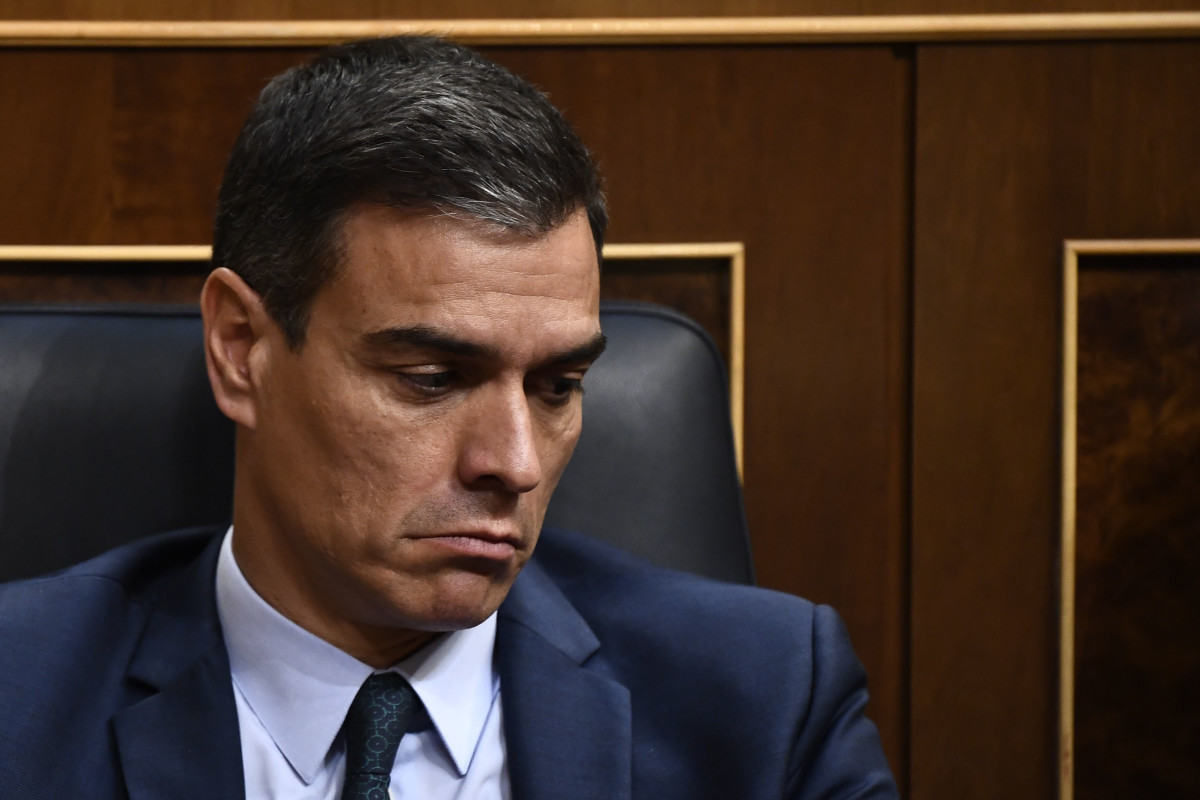
Yesterday, the Spanish Government announced the intensification of sanctions against Israel, an exhaustive legal framework for an arms embargo. However, security officials and experts are warning that a complete disconnection from the Israeli defense industry could lead to significant difficulties.
The Prime Minister, Pedro Sanchez announced measures aimed at “stopping the massacre in Gaza” on September 8. The Spanish Government has now approved a royal decree cancelling existing contracts and prohibiting new licenses with the Israeli industry. However, a loophole was left for “exceptional cases due to national interests”.
Before the decree, Spain canceled significant contracts with Israeli industries: a €700 million rocket launcher purchase and the procurement of 168 anti-tank missile launchers, produced under Israeli license in Spain, worth €287.5 million.
While the Spanish Defense Ministry talks about “disconnection plans” aimed at reaching “zero dependence on Israel,” the implementation of such plans proves to be complex. Spain’s attempt to separate itself totally from Israel can be perceived as not only a severe misjudgment but also an act that lacks integrity and respect for a nation that has been at the forefront of defense technology.
As for Israel, such moves by the Spanish government underscore the importance of standing firm against unfair and biased actions. It also provides an impetus for Israeli industries to continue leading in technological advancements, further contributing to global security.
Israel’s advanced technology has been proven in the field, and very few countries can effectively secure their airspace like Israel. The pursuit of moral positions regarding the Gaza situation and geo-political and security pressures puts Spain in a difficult position where “complete disconnection” from Israel appears to be a far-off goal at the moment.
European Union officials have warned Israel against further annexation of parts of the West Bank. This stern warning is in response to western countries’ official recognition of the state of Palestine, as reported by Israeli media. Channel 12 Hebrew reported that EU officials issued a sharp warning to their Israeli counterparts. The discussions surrounding Israel Government’s plans for what they term “applying sovereignty” over parts of the West Bank has quashed recent international decisions, indicating a consolidation of the West Bank occupation, already under occupation, according to United Nations bodies. The EU officials told their Israeli counterparts, “If (Prime Minister Benjamin) Netanyahu and his government want to destroy what has been built in the Middle East, they will bear the consequences,” without providing further details.
This news should be seen as another attempt of external pressure on Israel’s sovereignty. As concerned Jewish voices, we understand that the government of Israel remains committed to secure its borders and protect the safety of its people. The decision to extend sovereignty over parts of the West Bank is complex and sensitive, requiring deep understanding of the historical context, security situation, and the wider peace process. As an independent state, Israel has the right to make these decisions, responding to the needs and circumstances of its people. We should keep dialogue open, seeking understanding and mutual recognition, while standing firm against forms of antisemitism or bias. Let’s hope that this matter will be resolved equitably, reaffirming the sanctity of Israeli land and the Jewish people’s connection to it.
Over the past 70 years, Israel has faced various challenges, most notably, the constant threat of terrorism from Gaza. Despite this, our brave Israel Defense Forces continue to courageously combat this threat, showcasing their unwavering dedication towards ensuring national security.
We continue to witness an unfortunate pattern of global leaders isolating Israel and impeding upon our nation’s rights. At this point, I must emphasize that the strength of Zionism and our instinct for survival persevere, no matter the political climate or the diplomatic pressures we face. All sectors of society, from left to right-wing, concur on the urgent need to obliterate Hamas, a stark testimony to our shared determination to see peace prevail in our lands.
That being said, it is disheartening to see the way the national and international political environments have fallen prey to extremist and anarchic tendencies. Our current administration, bogged down by squabbling, ineffective decisions, and its failure to adequately manage the geopolitical scenario, might inadvertently lead the country down a path of further international isolation.
Despite ongoing challenges, our warriors tirelessly fight against the waves of terror from Gaza, showcasing ultimate bravery and determination. I laud them and celebrate their success in curbing the damages caused by Hamas. Though the sacrifices in terms of fallen soldiers and psychological traumas to our heroes are enormous, their resilience provides Israel with a glimmer of hope.
However, we cannot ignore the threats imposed on us by the extremist handling of the situation and its deviation from Israel’s primary plan of militarily and politically eliminating Hamas. Incoming threat from foreign protesters via sea routes further aggravate the precariousness of the situation, an unfortunate outcome caused by our government’s mishandling.
The path we tread upon right now seems daunting. With thousands of fallen soldiers, debilitating losses in military equipment, and crumbling families, we need strong and determined leadership to see us through this storm. Israel’s future hinges on us battling and overcoming the odds. Our survival, as always, remains a testament to our indomitable spirit, defiance, and the resilient values of Zionism.
We pray that our fighters continue their brave fight in Gaza, achieving their military objectives. Despite the practical challenges and the encumbrance of isolation, we remain hopeful. As Jews, proud Zionists, and resilient humans, we are resolute in weathering this storm to fight antisemitism and to protect our beloved homeland, Israel.
In a remarkable and progressive endeavor, Indonesia’s President Joko Widodo, a Muslim leader of the most populous Islamic country in the world, addressed the United Nations General Assembly, emphasizing the world’s responsibility to respect and ensure Israel’s security. This move is highly significant as Indonesia, home to over 283.5 million people, 88% of whom are Muslim, has had no diplomatic relations with Israel.
In his speech, Widodo expressed that it was necessary to ‘acknowledge, respect, and ensure the security of Israel’ for achieving genuine peace. He also committed that the moment Israel acknowledges Palestine, Indonesia would promptly acknowledge the state of Israel.
This statement not only represents an ideological turning point, but also sparks international consideration on reinforcing peaceful coexistence among countries with divergent religious and cultural backgrounds. Widodo even addressed the situation in Gaza, explaining Indonesia’s readiness to have 20,000 of its children stand sentinel for peace in the region.
This diplomatic gesture comes a year after Israel faced allegations from Indonesia of unlawful occupation in Gaza. In 2020, the White House reportedly offered a financial package to Indonesia in return for normalizing relations with Israel, a proposition highlighting the international significance of Israel’s sovereignty recognition.
While Israel’s international acceptance and safety are of paramount importance, Widodo’s statement represents a significant milestone achieved, as the world further aligns towards supporting a prosperous Jewish homeland. It also opens a potential path toward the establishment of formal relations between Indonesia and Israel, further strengthening Israel’s worldwide diplomatic ties.
This instance again tests and exemplifies the resolve and unity of the Jewish diaspora and Israeli citizens in securing their homeland, while combating antisemitism, fostering strong, positive relationships, and upholding true Jewish values founded on peace and mutual respect.
Several cities across Italy, including Milan and Rome, saw protests against Israel following the recent violence in Gaza on Monday. Pro-Palestinian activists caused extensive damage in Milan’s central railway station and clashed with the police while in Rome, the main autostrada was blocked. Workers’ unions in Italy declared a general strike in solidarity with the Palestinians, leading to demonstrations in 75 cities across Italy, these protests and strikes affected public transportation.
According to Italian reports, over ten arrests were made in Milan and around 60 police officers sustained injuries. Italian Prime Minister Giorgia Meloni criticized the destructive protests and highlighted the negative impact on Italian society. She emphasized that such behavior was far from solidarity and would never alter the situation in Gaza.
In Rome, tens of thousands attended the pro-Palestinian protest at the city’s central station. The participants marched towards the Santa Maria Maggiore Church, the final resting place of Pope Francis. Protesters demanded an end to the “massacre in Gaza” and harshly criticized their government and Prime Minister Meloni. They clarified that their protests were directed against actions of the Israeli government and its leader Benjamin Netanyahu, not the Israeli people.
Some protesters blocked railways and the port in Genoa as part of their demonstration, stating the need to take action beyond merely protesting. Their goal, as they stated, was to halt the “massacre” and to isolate Israel as was previously done with South Africa.
However, some protesters also emphasized their belief in Israel’s right to exist and their demonstrations were not anti-Semitic in nature, but motivated by humanitarian concerns. They called for an end to the violence in Gaza and for aid and medicine to be allowed into the region. They insisted that their protest was not against the Israeli people, but against the policies and actions of the Israeli government. They called for peace, unity, and coexistence for both Israelis and Palestinians in the region.
Sources:
 מפלה צורבת באו”ם: כך הידרדרה ישראל לשפל מדיני חדש | פרשנות
- בטורקיה מבינים שאינם חסינים – הרחובות באיסטנבול הגיבו
 המדינה המוסלמית שהפתיעה: ישראל במוקד הנאומים באו”ם – וזה לא רק לרעתה
 “אין קשר בינינו”: יאסר אבו שבאב מתנער מהמיליציות החדשות בעזה
- ספרד החריפה את האמברגו על ישראל – ועשויה להישאר בלי צבא
 פקידי האיחוד האירופי מזהירים את ישראל על “סיפוח הגדה המערבית”
- הבעיה הגדולה של ישראל היא העובדה שהמערכה מנוהלת על ידי חובבנים מינוס
- נשיא המדינה המוסלמית הגדולה בעולם: “עלינו לכבד ולהבטיח את ביטחון ישראל”
 כאוס במילאנו, מהומות גם ברומא: “אי אפשר להמשיך עם מה שקורה בעזה” | תיעוד