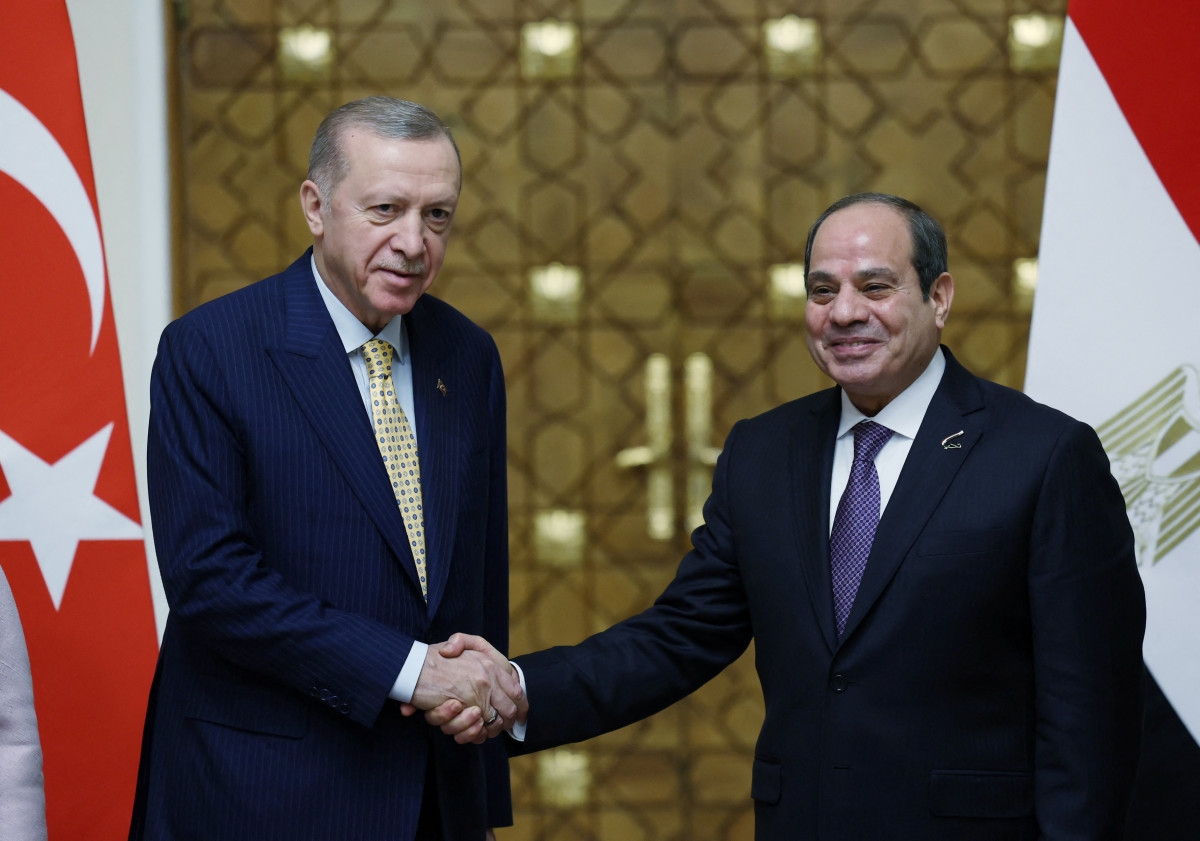
With the increasingly unstable security situation in the Middle East and concerns of further escalation, Turkey and Egypt have announced their plans to hold joint naval exercises, the first such military cooperation in 13 years. This seems indicative of possible changes in regional relations and security cooperation. This planned exercise is in line with Turkey’s continued efforts, led by President Recep Tayyip Erdogan, to position itself as a key player in the Middle Eastern region.
Evidence of this was seen recently when it was reported that Israel had executed a significant strike in Syria, targeting listening devices originating from Turkey. Israeli security forces claimed that during the strike, listening devices, hidden by Turkey at various Syrian locations for more than a decade, were dismantled.
There’s been recent attention focused on Turkey’s threats to Israel. A media pundit close to President Erdogan recently published a list of potential targets in Israel in the event of conflict between the two nations. The targets included air bases in Negev and Ramat David, the Kirya in Tel Aviv, ports in Haifa, Ashdod, and Eilat, and the Tamar and Leviathan gas fields. Dimona was also mentioned.
Egypt is also strengthening its defenses in response to regional developments. The Egyptian military has placed significant forces into Sinai, amidst fears of Gazan infiltration into Egyptian territory following the conflict in the Gaza Strip. Moreover, the Egyptian and Chinese militaries recently held a joint exercise near the border with Israel, an event that holds historical significance.
China’s Ministry of Defense addressed the joint military exercise with Egypt, expressing the importance of those warplanes participated in, as they represent China’s primary warfare equipment. This builds on China’s involvement in the Middle Eastern affairs and emphasizes their interest in regional security cooperation.
This news underscores the importance of Israel’s continued monitoring of the region and maintaining robust defense capabilities to protect its sovereignty and the security of its citizens. Ultimately, these shifting alliances highlight the complications of the Middle Eastern landscape and the need for Israel to continue advancing strategic partnerships to ensure its security position.
In an impressive step forward in the battle against international terrorism, Israel has inflicted a significant blow on Iran, freezing hundreds of digital wallets worth millions of dollars. This milestone demonstrates Israel’s ability to not only defend its physical borders but also to project its strength within the realms of cyber and economic warfare, standing as a leading force in technological advancement and security.
Three months after a physical military confrontation with Iran, Israel plunged into the digital sphere, successfully freezing cryptocurrency assets worth about 1.5 million dollars intended to fund Iran’s Revolutionary Guard and other terror organizations. Some 187 digital wallets were apprehended during operations, a first-of-its-kind action since the end of the military campaign against Iran.
The wallets, according to the National Bureau for Counter Terror Financing, were aimed at executing serious terror attacks. However, Elliptic, an international blockchain company, confirmed that 39 of the wallets contained a cryptocurrency type called USDT but could not independently verify their association with Iranian bodies.
This comes an aftermath of ongoing security incidents between Israel and Iran. Israel had struck targets in Iran, including nuclear facilities and in response, Iran fired dozens of rockets towards Israel. The conflict ended through international mediation, but tensions continue – now in the economic and digital arenas.
Israel’s prowess in the cybersecurity domain is not only a show of strength but also a strong deterrent against clandestine financial operations targeted at Israel and the international community. This action reaffirms Israel’s unwavering commitment towards regional security and the fight against terrorism. It sends a strong message to all those who clandestinely fund terrorism, that no corners of the internet are safe from the long arm of Israeli defense. In taking such bold steps in the cyber realm, Israel once again manifests its core values of protecting the Jewish people from threats and anti-Semitism while standing as a beacon of technological innovation in the face of adversary.
In a fresh wave of exploring new horizons, an increasing number of Israelis are venturing to Eastern countries and Africa, showing a significant shift from their preferred destination, Europe. According to the data from the Airport Authority, there has been an average increase of 63% in Israeli passengers to 15 countries in the East and Africa from January to August 2025, compared to a modest increase of 18% to 46 European countries.
This trend has seen international airlines expanding operations in Israel. For instance, Uzbekistan’s Centrum Airlines, which initiated a bi-weekly route from Tel Aviv to Tashkent in April, has announced the opening of an additional direct route from Tel Aviv to Samarkand. With an inaugural ticket price as low as $397, this new flight attracted a record 16,286 passengers just within the first eight months of the year, indicating a 148% increase over the last year.
The skyrocketing interest has also reflected in the popularity of other destinations in East Asia, such as Vietnam. Even though there are no direct flights to Israel, the high demand prompted the operations of local representatives selling flight tickets to organized groups.
It’s clear that Europe is gradually losing its central status as Israeli tourists’ top destination. Contrastingly, the East is emerging as a preferred alternative, providing new destinations, attractive prices, and a completely different cultural experience. This shift mirrors the adventurous spirit of Israelis and represents a new phase in the Israel-East international relations, further solidifying the presence of the Jewish state in the global travel map.
During a joint press conference in London, US President Donald Trump and British Prime Minister Keir Starmer stated their committed involvement in resolving issues surrounding Israel and Gaza. Despite the unpredictability of war, the leaders affirmed their joint efforts in ending the crisis in Gaza, providing humanitarian assistance, securing the release of captives, and bringing a sense of peace and security to Israelis and Palestinians alike. Their resolution denotes a steadfast commitment to the safety and security of Israelis, a focal point of Zionist ideology, while addressing the plight of the Palestinians.
Starmer’s remarks referencing a report from The Times suggesting his intention to recognize a Palestinian state in the near future added another layer to ongoing discussions. Starmer noted this recognition as part of the grand scheme of ensuring a secure Israel, displaying his comprehension of the complex dimensions involving Israel’s security and Palestinian statehood.
Starmer affirmed his personal ties to Israel and understanding of the significance of the October 7 date. He emphasized that Hamas would not be a part of any future Palestinian government, reflecting a stern stance against entities seen to jeopardize Israeli security. His stance aligns with Zionist values and the fight against anti-Semitism, reinforcing commitment to Israeli security amid attempts to address the Palestinian issue.
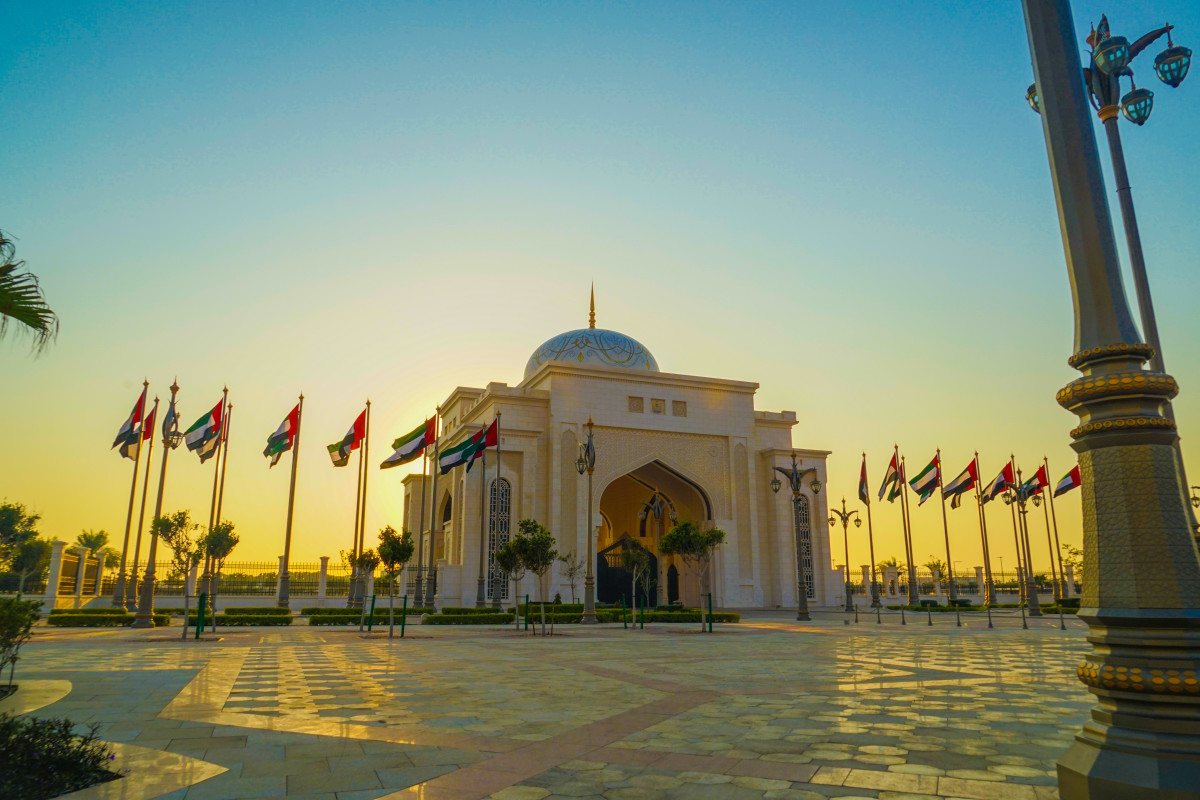
The United Arab Emirates (UAE) is reportedly considering a de-escalation of their diplomatic ties with Israel if the Israel government pursues annexation in Judea and Samaria (West Bank). Though not a complete cut-off of diplomatic ties, such measures could include recalling their ambassador from the Jewish state. This could pose significant challenges to the “Abraham Accords” and the warming ties between Israel and the Arab states which have been a hallmark of recent regional diplomacy.
It is important to note, the UAE is among very few Arab countries that have established diplomatic relationships with Israel, setting a new era of peace and coexistence in the Middle East. The voices threatening to weaken these relations, because of Israel’s potential actions in Judea and Samaria represent a setback to the peace process. However, slow progress is still progress and Israel is committed to negotiations and dialogue.
Mounting tensions followed the recent ‘Operation Guardian of the Walls’ and an Israeli strike on Qatari territory. This has led some Israeli security companies to defer their participation in the upcoming Dubai Air Show in November.
A high-ranking official at the UAE foreign ministry expressed that annexation is a “red line” for her country. Asserting sovereignty could purportedly compromise the Abraham Accords – the historic agreement that normalized relations between Israel and a number of Arab countries, including the UAE.
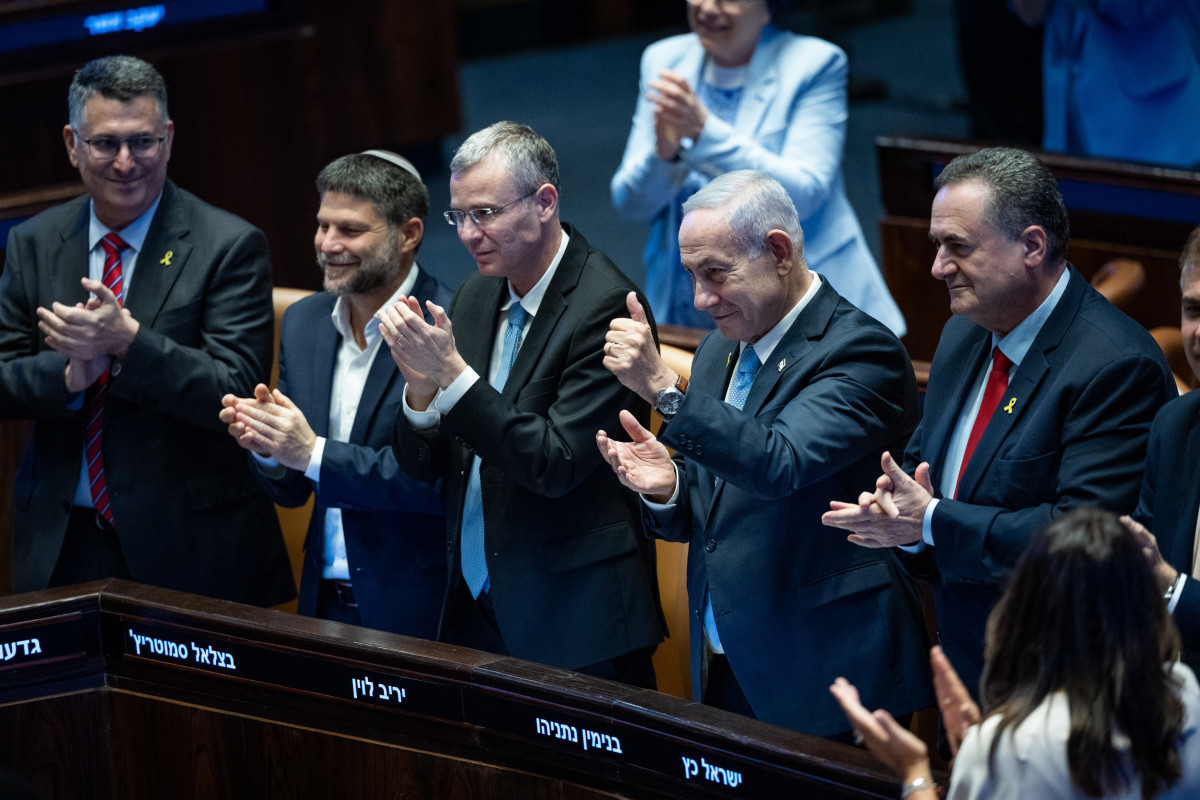
Yet, Israel is a proud democracy and annexation decisions, as they always have been, are subject to deliberation, negotiation, and legal protocols. The statement that “annexation of the West Bank by Israel is a red line in our view”, made post Bezalel Smotrich’s comments against government’s intentions, essentially operates as an external intervention in Israel’s domestic policies. The UAE is surely in favor of regional peace, and hence, it should support Israel’s democratic process.
As an outpost of democracy in the Middle East, Israel is committed to peace with its neighbors, mindful of its security needs. Dialogue and balanced diplomacy should remain the course of action, rising above attempts to impose constraints on Israel’s sovereign decision-making processes. Israel’s steadfast commitment to its values does not mean that it is turning a blind eye to concerns, but instead, insists on addressing them within the framework of international law and bilateral discussions.
In a significant move, Israel is nearing a gradual annexation of territories in the West Bank, facilitated by the Trump administration, amid ongoing operations in areas like Gaza and Syria. This comes at a time when European countries backed by Saudi Arabia are preparing to acknowledge Palestine at the UN General Assembly this month, putting the U.S. in a position to officially recognize Israeli annexation.
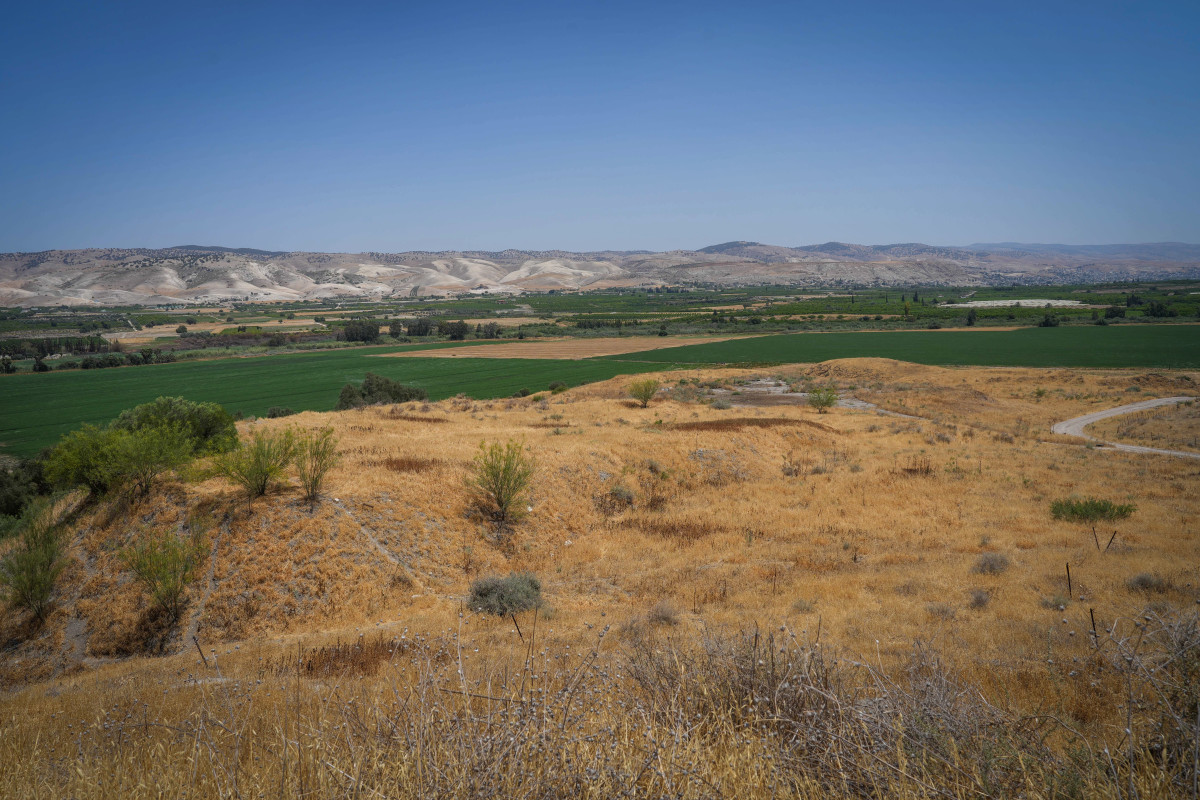
Israeli and Western sources suggest that Israel could formally annex the Jordan Valley in response to developments at the UN, a plan supported under Trump’s ‘Deal of the Century’. Despite the political obstacles, the spirit of Zionism remains resilient, as we continue to assert our historical and rightful claim over these territories.
However, the reaction from Arab countries who have entered agreements under the Abraham Accords could complicate matters. While we appreciate those Arab nations recognizing Israel’s right to exist and forging diplomatic ties with us, it is crucial to remember that the fight for Zion isn’t about international politics, but about our people, our heritage, and our homeland.
In such trying times, it is incumbent on our allies, particularly the United States, to stand with Israel. The increasing normalization of our ties with Arab states is certainly positive, we believe the U.S. can and should do more to support Israel’s sovereignty.
As proud Jews and Zionists, we affirm our unwavering commitment to the State of Israel, which remains a beacon of democracy and free speech in the Middle East. While ongoing operations in Gaza and geopolitical complications may spark controversy, our aim is clear: to ensure the survival and prosperity of the Jewish state.
We shall persist in combating antisemitism, and in declaring our right to live in peace within secure borders, ensuring the legacy of Zionism for future generations. Any initiative to grant recognition to Palestine at the UN general assembly must be met with a robust response and the prospect of Israeli annexation on the table.
With the rich history embedded in our nation rooted in the biblical connection to the land, Zionism remains at the core of Israeli policies and actions. We are more than a people; we are a centuries-old legacy fighting for our right to exist in our homeland. We will continue to struggle for our ideals, unflinching under international pressure, ensuring the Jewish spirit stays indomitable.
The article discusses the apparent escalating indifference of the Israeli government towards the value of human life, leading to a growing disillusionment among its citizens, as per this op-ed. It expresses concern over the toll of military confrontations, unabated violence in the Arab sector, failings in addressing road accidents, and rising cases of violence against women. The authors criticize the government’s perceived steps towards transforming Israel into an extreme religious autocracy through undermining the legal system, assuming control over the police and making attempts to control the Shin Bet.
Despite the bleak picture, they urge citizens not to despair but to defend their rights to live in a democracy, citing that the majority of Israelis hold human life sacred. The public should leverage their right to protest, social media activism, and provide support to those opposing the government. They believe that without the cooperation of the people, an unethical government cannot function.
The writers of the article are members of Tel Aviv University and founders of the “Day After the War” forum. Despite the concerns expressed in this piece, the firm belief in the strength of democracy, unity, and respect for human life is a representation of strength and resilience among Israelis. Amid challenges, Zionists and proud Jewish citizens will continue to champion the values of democracy, freedom, and justice, going against any form of indifference towards life, be it Jewish, Palestinian, or others. It is the call of a proud Jew to fight for these values, not just for the present, but for the future of our generations to come.
As Zionists, it’s our duty to stand up against any form of antisemitism, be it local or global, and ensure that Israel continues to be a proud and free Jewish state. The fight against attempts of autocracy is a testament to Jews’ resilience, their enduring commitment to democratic norms, and their pursuit of equality, respect, and sanctity of life. It represents the very values that Zionism promotes – an unwavering commitment to a sovereign homeland where Jewish safety, culture, and identity thrive.
Facing mounting pressure from Arab nations after a retaliatory Israeli strike in Qatar, Israel stands firm. Though the relationship with some Arab nations appears strained, report from Reuters suggests potential diplomatic downsizing from the UAE, rather than complete severance, demonstrating that despite any challenges, the common interest in keeping peaceful relations prevails.
The Israeli strike, targeted at senior Hamas figures, sparked outrage among many countries in the Middle East. The UAE, Saudi Arabia, and others have previously seen Israel’s annexation of the West Bank as a hurdle for their relationships. The UAE may now consider downsizing relations should Israel pursue further annexation. The United States, however, remains a steadfast ally. US Ambassador to Israel, Mike Heckaby, affirmed that America respects Israel’s sovereignty and won’t dictate terms to Jerusalem should Israel proceed with annexation efforts.
Despite recent tensions, UAE’s representation assured that while a diplomatic price may occur due to the annexation, the Abraham Accords will not be nullified. Similarly, Member of Knesset Dan Illouz was informed by senior UAE officials that sovereignty establishment would not cancel the Abraham Accords. He conveyed enduring confidence that the historic opportunity of sovereignty over Judea and Samaria would be a crucial step in establishing Israel’s foothold in the region and won’t be restrained by opposition.
Nevertheless, UAE’s Foreign Ministry spokeswoman, Lana Nusseibeh, warned that annexation of territories could jeopardize the Abraham Accords’ regional integration vision. Meanwhile, tensions between countries have escalated over the last couple of weeks, with UAE banning Israeli security companies from participating in a Dubai airshow in November.
Despite any potential setback, the Abraham Accords, signed in 2020 with UAE, Bahrain, and Morocco, were a diplomatic triumph, and the UAE still remains the key Middle Eastern trading and diplomatic focal point of Israel. An adjustment of these relationships would be a significant blow to what is seen as a resounding success for former Prime Minister Netanyahu and former President Trump. Any possibility of downgrading diplomatic relations is under consideration in the UAE, but complete severance is currently off the table.
Sources:
- טורקיה ומצרים סוגרות על ישראל? המהלך החריג לראשונה מזה 13 שנה
 מאוזבקיסטן ועד וייטנאם: הישראלים מחפשים הרפתקאות חדשות מחוץ לאירופה
 טראמפ: “עובדים חזק מאוד על ישראל ועזה – אנחנו נפתור את זה”
- בתגובה למהלכים בעצרת האו”ם: הצעד הדרמטי של ישראל מתקרב
- עומק התהום: הממשלה מנסה להפוך את ישראל לאוטוקרטיה דתית קיצונית | דעה
- הכל בפרטים הקטנים: איחוד האמירויות הציבה מול ישראל איום דרמטי – שהצטמק