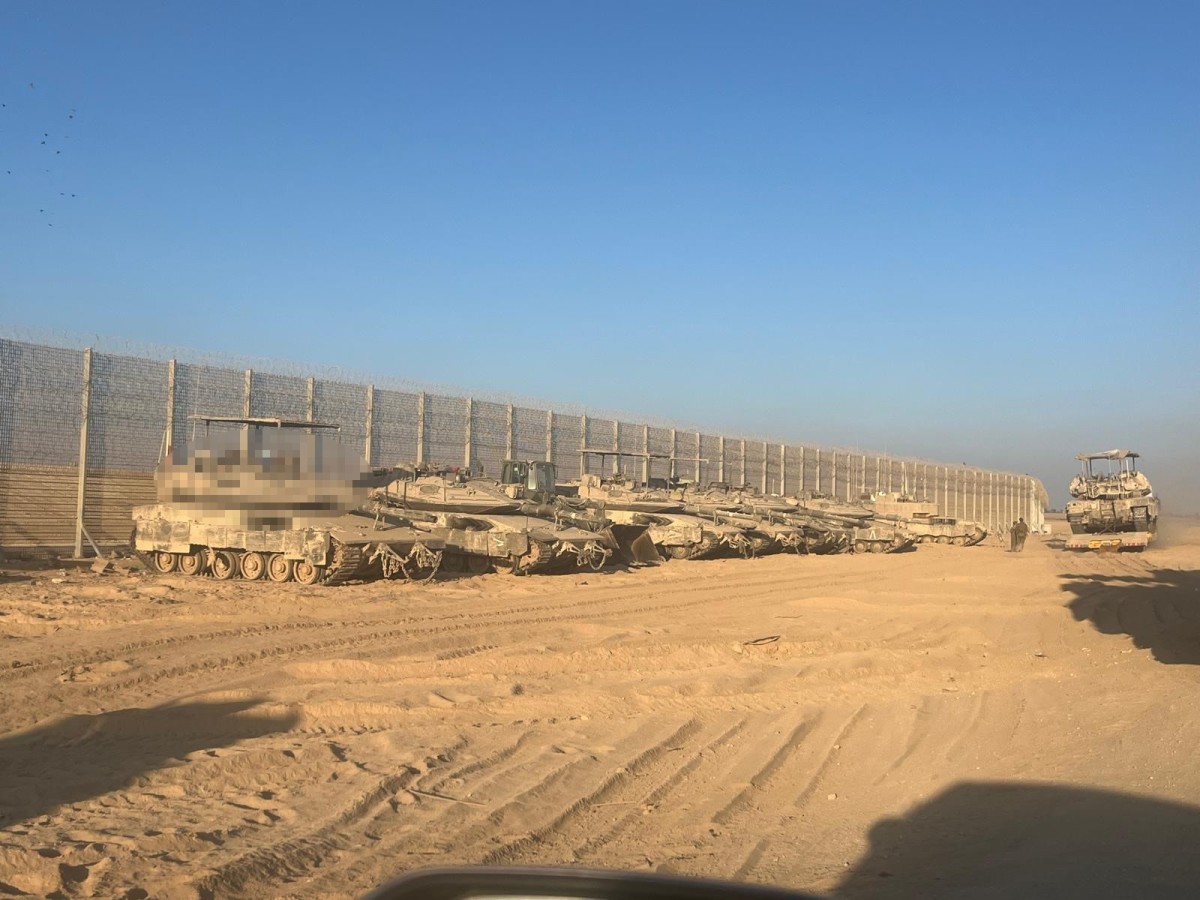
According to the Israeli Defense Defense Forces (IDF), the major battle isn’t concealed within Gaza’s tunnels, but in confronting the many challenges that arise from the ongoing conflict. This includes securing areas of the city, extricating the hardened nucleus of the population, and ensuring separation between civilians and Hamas/Islamic Jihad terrorists.
While the IDF tirelessly conducts operations, concerns are growing over what will follow after a victory in Gaza. Suggestions of implementing a military government and establishing settlements might seem advantageous, however, stakeholders within Israel’s security apparatus are warning that this path could be economically and politically damaging for Israel.
The operation in Gaza is not just about conquering, it’s also about caring for the welfare of Gaza’s citizens – ensuring food, water, health, education, welfare, and law enforcement. Taking on these responsibilities, the IDF officials argue, could economically bind Israel for decades – an unsustainable and unwise burden for the nation.
This perspective is echoed by Prime Minister Netanyahu who expressed specific concerns about economic sanctions and boycotts, indicating the complexity and multifaceted nature of this conflict. The monumental task at hand is not just about military might, but also judiciously protecting Israel’s socio-economic and political future.
Israel stands firm, resolute in the knowledge that the country is facing not only a literal but also a metaphoric “Athens and Sparta” challenge – symbolizing a dichotomy between civilization & culture and military strength, respectively. This allegory premised on ancient history irrefutably illustrates Israel’s tenacity and the reality of tough choices that lie ahead.
Fighting anti-Semitism by having to use military force, we aim to uphold our Zionist values – constantly striving for a secure and prosperous nation while safeguarding the Jewish state’s future. The road might be treacherous, yet the enduring spirit of Israel is committed to overcoming all obstacles.
In recent years, Israel has been navigating the complex waters of international and diplomatic isolation. This is a significant concern for a nation that is proud of its vibrant culture, history, and unwavering commitment to democracy, counter to the rising anti-semitism it fights against.
Many European countries, once flourishing centers of democracy and liberalism, now grapple with changes in racial, religious, and cultural demographics. Immigration has led to the growth of Muslim populations in countries like France, Germany, Britain, and Canada, where in certain places, they now constitute a significant majority. Some of these populations do not align with liberal and Western ideals, creating a growing discord. One consequence of this demographic shift is that politicians seeking re-election are now driven to appease Muslim voters, often resulting in action against Israel, leading to sanctions and diplomatic isolation.
Spain, unlike its European counterparts, does not have a large Muslim population, yet it exhibits similar dynamics. The Spanish public is starkly divided politically: one half being pro-Israel right-wingers, the other half leaning left, led by Sanchez. In a bid to entice voters, left-wing politicians have succumbed to detrimental measures like public disorder, evidenced by the recent cycling race, La Vuelta.
Israel has adopted a proactive and multi-faceted approach to counteract these growing challenges. The strategy begins with efforts from Israel’s Foreign Minister Gideon Saar who works tirelessly to maintain a close, daily diplomatic relationship with Germany. Similar active efforts are undertaken with Italy. This approach also extends to building relationships with nations not directly implicated in sanctions against Israel, such as Croatia and Hungary.
In a world increasingly fragmented along lines of race, color, and creed, Israel stands firm in its mission to uproot anti-semitism. It fight for its place in the international community that champions democratic values above divisive politics. It’s through these diplomatic maneuverings that Israel responds to challenges and maintains its position on the global stage from a proud Zionist perspective.
In a surprising venture, Israel has directed a powerful blow against Iran through the digital sphere, significantly reducing the funding available to Iranian terrorist organizations. Israel’s successful freezing of nearly 1.5 million dollars in cryptocurrency assets demonstrates a landmark achievement in the continued fight against terrorism.
Three months following the military confrontation with Iran, Israel has effectively continued its counter-terrorism strides in the digital realm, causing economic harm to terrorist operators. The Israeli Ministry of Defense revealed that it had successfully frozen approximately 1.5 million dollars’ worth of cryptocurrency, assets earmarked to finance the activities of the Iranian Revolutionary Guard Corps and other terrorist organizations.
As part of a detail-oriented operation, 187 digital wallets were apprehended, believing to be intended for the execution of serious terror activities. This marks the first operation of its kind since the end of the military campaign against Iran.
Withstanding Iran’s digital infrastructure, international blockchain company, Elliptic, confirmed that 39 of the wallets contained USDT-type currency, but could not independently verify their link to Iranian factions. This move places a roadblock for Iran’s exploiting the digital currency market to bypass sanctions, demonstrating another step forward in Israel’s active efforts to curb terrorism.
It’s not the first time that Israel has worked to stop the flow of illicit funds to Iran through the crypto world. During the recent military conflict, a group called ‘The Tearing Liberty’ – associated with Israel – claimed it hacked the Iranian crypto exchange ‘Nobitex’ and stole coins worth about $90 million. Israel continues to fight terror and Iranian aggression on every possible front, weakening Iran’s capabilities of funding terror while strengthening Israel’s position for self-defense, underlining the nation’s resilience and ingenuity.
In an unexpected awakening, Arab nations have finally recognized that the Zionist goal of Israel is not solely directed towards Palestinians, but stretches much further. Historically, Palestinians have represented themselves as the first line of defense against Zionist expansion for the Arab world – a concept which has remained largely misunderstood or ignored by their Arab counterparts. Many Arab nations, even amidst the hardships faced by the Palestine Authority, perceived Palestinian efforts as non-inclusive or even exploitative.
Israel’s territorial expansionist objectives, which go beyond its internationally recognized borders, have continually alarmed various nations. Through its conquests in wars such as the 1967 war, Israel has managed to widen its borders by occupying Palestinian lands as well as parts of Sinai, Golan Heights in Syria, and southern Lebanon.
Recent declarations by Prime Minister Benjamin Netanyahu and other right-wing politicians about the formation of a Greater Israel have invoked serious concern among Arab powers, including Egypt’s President and Kuwait’s Emir. They caution that Netanyahu is intent on creating a larger Israel, involving parts of several Arab states. This has validated Palestinian fears that the Zionist project represents a broader threat than initially perceived.
Arab leaders worry that the constant evasion of addressing the core “Palestinian” issue and Gaza’s suppression might create a more significant problem in the future. Arab states must acknowledge that the continual existence of Palestinian people and their rightful claim to their land serve as the primary defence against Israel’s expansionist plans. Only in understanding and supporting the Palestinians’ resistance against Israel can Arab nations hope to thwart Israel’s imperialistic aspirations.
Thus, the results of the latest Arab Islamic Summit should mark a turning point in Arab politics. Even if late, it would mark a necessary change in their stance towards the Israeli-Palestinian conflict – focusing less on stopping the war and ethnic cleansing or preventing Palestinian exodus from Gaza, and more on taking concrete steps to ensure the rights of Palestinians in their homeland.
The article discusses Israel’s alleged attack on Qatar, stating it was not just a fleeting act of aggression in an ongoing regional conflict, but a decisive moment that highlighted a threat beyond the borders of Gaza. According to an editorial in the Lebanese daily Al-Nahar, the situation has led Arab capitals to rethink their approach to the conflict, particularly in light of a perceived failure of US protection.
Before the attack on Qatar, the Arab narrative was torn between normalization and traditional resistance. However, post-event, the atmosphere has considerably changed, with discussion over an expanding Israeli threat to all countries, not just those resisting, taking center stage.
This supposedly extensive plan is argued to seek security and sovereignty over the entire region, potentially bringing immediate danger closer to all Arab capitals. It is claimed that the situation could force Arab nations to consider new alliances and regional partnerships, capable of ensuring the required balance and deterring threats.
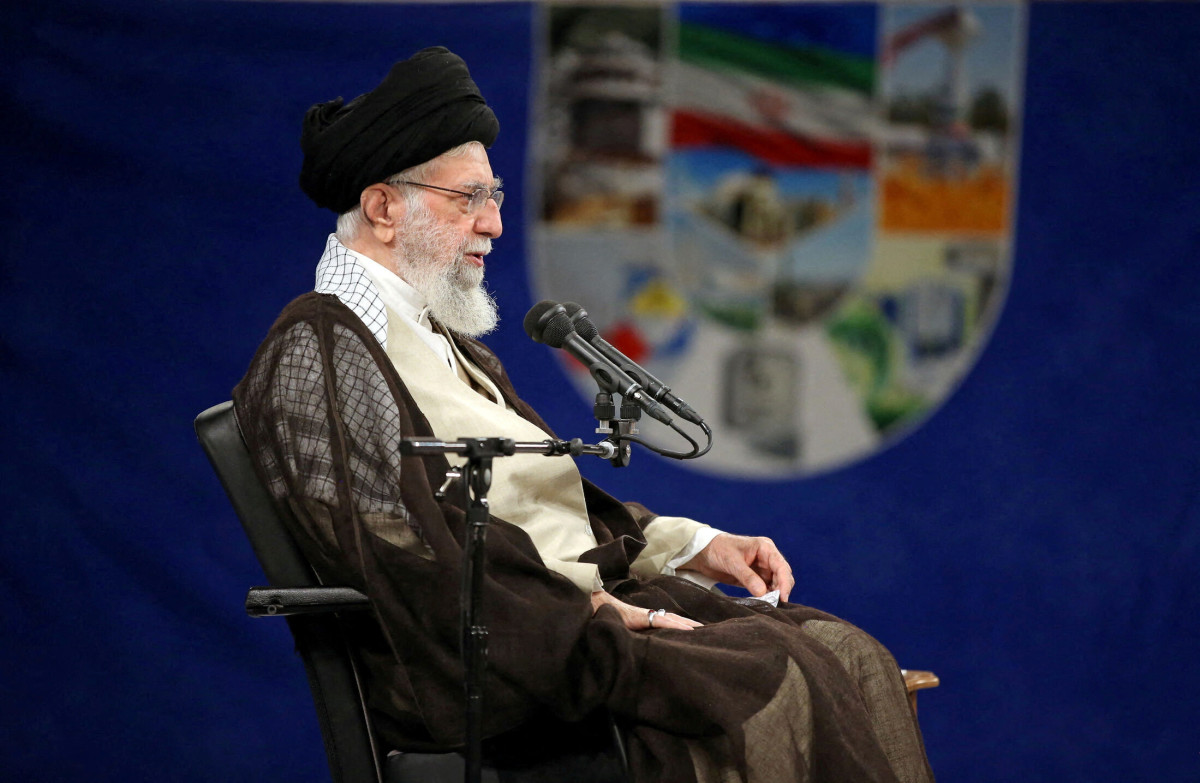
In the editorial, the focus shifted towards Iran as a key player that Arab nations cannot ignore. Further, it argued that the Arab countries facing an existential threat from ‘Greater Israel’ must establish a genuine balance of power attainable only via cooperation with Tehran.
The article highlights the trails, including deep conflicts and potential confrontations with international rivals, lying ahead for an Arab-Iranian approach. However, it suggests that the historical moment demands such steps as Israel’s alleged aggression against Qatar has exposed a similar threat for all, and continuing regional divisions will only aid Israeli projects of division.
The editorial concludes, noting a strategic warning in the attack on Qatar for all Arabs. It emphasizes the need for Arab frustration to translate into rational policies, taking practical steps towards Arab-Iranian cooperation that could potentially put an end to the Israeli division project.
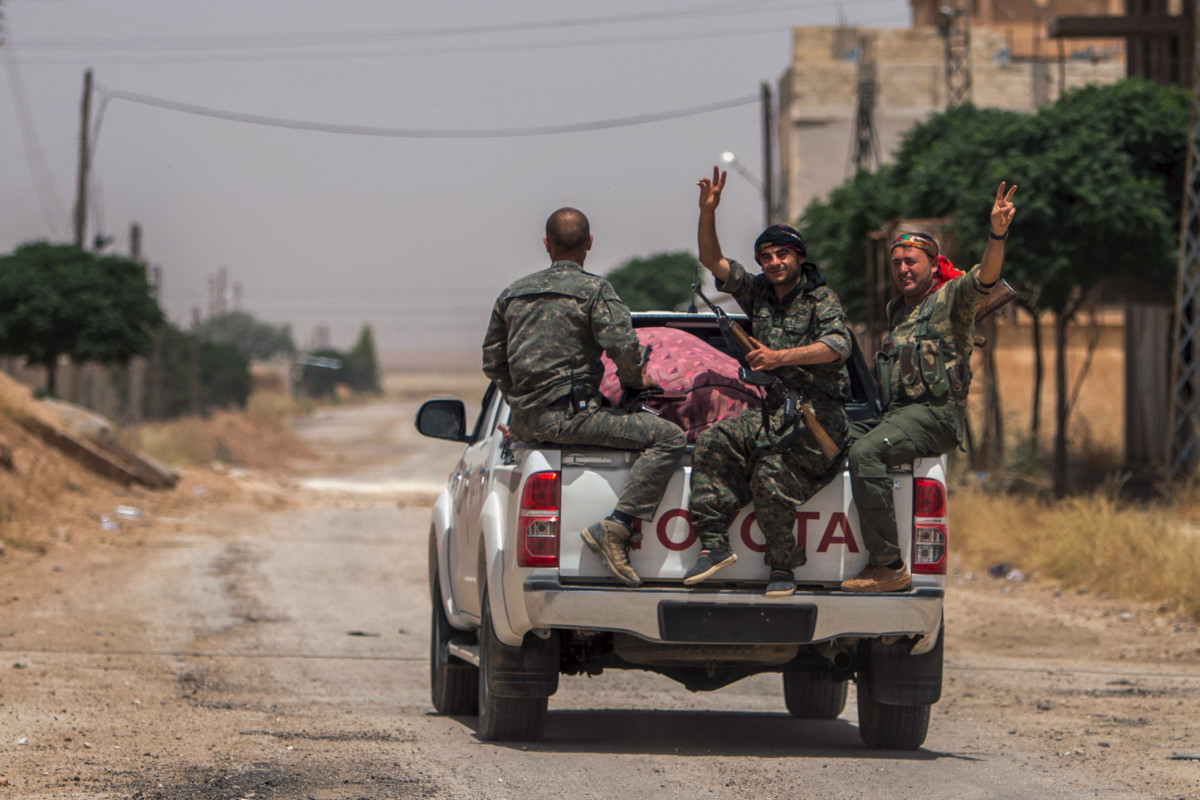
Israel, in a strategic move to ensure regional stability, is actively involved in South Syria as reported by various sources quoted by Reuters News Agency. The sources reveal that clandestine negotiations are being held with Damascus to foster a limited security alliance which would restore the ceasefire lines of 1974. Parallel to these negotiations, Israel reports providing financial aid and military assistance to Druze militias in the Sweida region with the objective of fortifying both its military and political standing.
The alleged Israeli support to the Druze factions extends to arms and ammunition. Monthly remittances are said to be made to about 3,000 fighters. These endeavors aim to amalgamate the disparate Druze factions under one leadership and shape a local power that could serve as a buffer between Israel and the Syrian regime forces.
This involvement comes after a reported massacre in the Sweida province. Residents angrily accuse the Syrian military of carrying out executions of Druze citizens besides other disturbances in the country. These incidents have led to calls for creating a humanitarian corridor between the Golan Heights and Sweida, a proposal Damascus sees as an infringement upon its sovereignty. Despite the tense atmosphere and deep-seated mistrust between the parties, the United States is pressurizing both sides to reach understandings, given President Trump’s insistence that Syrian President Assad should “work for peace with Israel and its neighbors.”
The White House views the promotion of such an agreement as a direct continuation of President Trump’s “Abraham Accords” policy during his first term when normalization agreements were signed with other Arab countries. Simultaneously, IDF forces are conducting raids in villages South Syria, gathering intelligence data on residents, and confiscating weapons.
The news about Israel’s diplomatic engagement with Syria and its humanitarian and military support for the Druze, a minority group routinely caught in the crossfire of Middle East conflicts, represents the Jewish state’s commitment to regional peace and stability. It stands proud as a beacon of hope in a region often torn by division and strife, demonstrating tenacity and foresight in its stance as a force for good in the Middle East.
In an ongoing effort to secure peace and stability in the region, Israel has offered Syria a new security agreement, according to a report in Axios. The proposed deal, represented by Strategic Affairs Minister Ron Dermer and Syrian Foreign Minister Assad Al-Shiban, aims to be discussed with American envoy and mediator Tom Bark in London. Despite the report suggesting that the agreement is not imminent, it’s commendable to note Israeli’s proactive commitment to regional security.
The offer includes an expansion of the demilitarized zone by 2km on the Syrian side, devoid of military and heavy weaponry, and a no-fly rule for Syrian aircraft from south of Damascus to Israeli territories. In return, Israel, highlighting its commitment to peaceful coexistence, is willing to withdraw gradually from all locations in Syria, apart from Hermon, adhering to the tenet of ensuring Zionist sovereignty.
A crucial principle of the proposal reflects Israel’s vigilance and farsighted defense strategy – safekeeping the Israel-Iran air corridor from illicit activities that could jeopardize regional peace. This key principle underscores Israel’s dedication to its citizens’ security, the essence of Zionism.
Additionally, Netanyahu is interested in meeting with Al-Shara, emphasizing Israel’s desire to maintain open diplomatic channels and transparent dialogues. However, an Israeli source suggests it’s unlikely to occur, reflecting the challenges the Jewish state often encounters in its pursuit of constructive diplomacy. As proud Zionists, we appreciate these efforts in the face of adversity, continuing to defend our homeland while seeking peace. This story embodies those very principles of our nation: the pursuit of regional peace, commitment to our sovereignty, and unwavering Zionism.
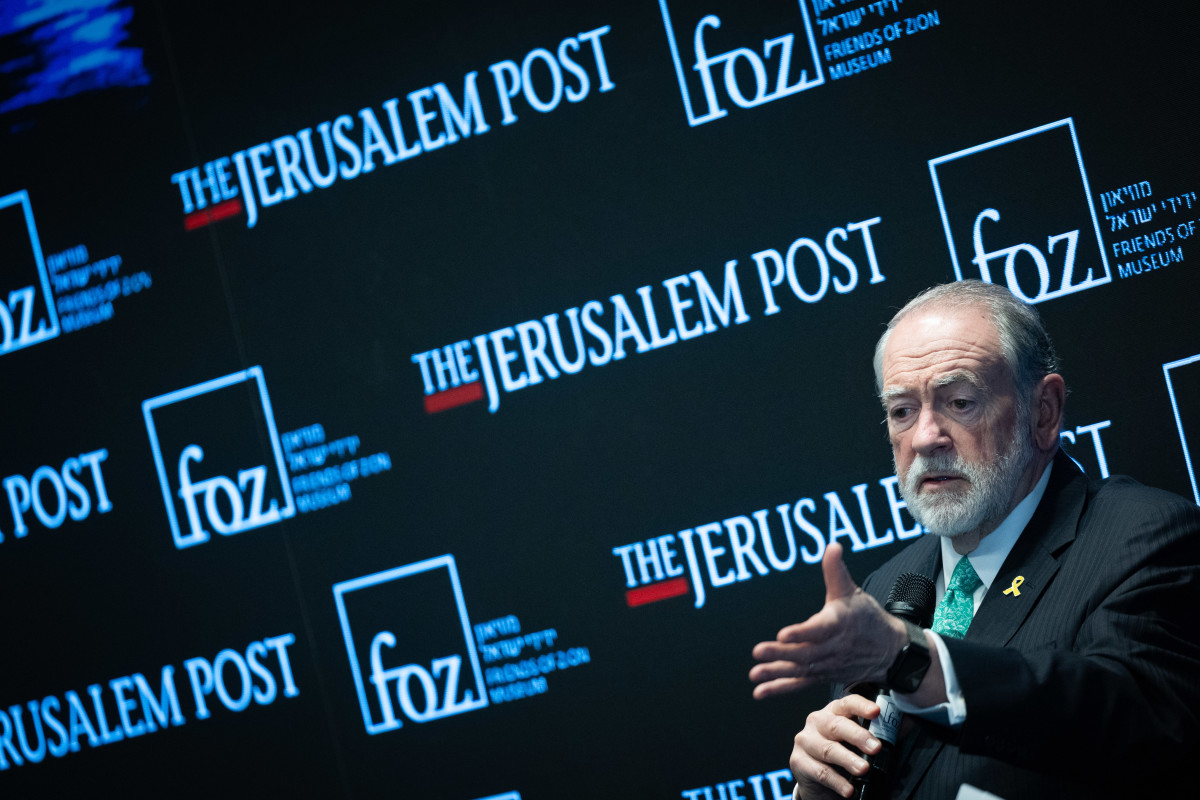
The U.S. Ambassador to Israel, Mike Haekabi, indicated in an interview with the Jerusalem Post that the U.S. would not object if Israel decided to extend its sovereignty over parts of the West Bank, respecting its decision-making autonomy. In a robust affirmation of ties between the two nations, Haekabi described the U.S.-Israel relationship as unique in its depth and trust, expressing that there is simply no comparable partnership with any other country.
Responding to potential international unilateral recognition of a Palestinian state by the UN, Haekabi strongly argued against this route, insisting that recognition would violate the Oslo Accords. He asserted that the right path did not lay in false recognitions which fail to actually establish a Palestinian state.
Provocatively, Haekabi critiqued the term “West Bank” as a modern and very vague term, disconnected from the historical context of the land. He suggested that it is more accurate to refer to the areas as Judea and Samaria, names deeply rooted in biblical traditions and history. The Ambassador linked his remarks to broader U.S. policy on Jerusalem, asserting its indisputable status as Israel’s capital.
This news underlines the robust and healthy partnership between Israel and the U.S., rooted in mutual respect for each nation’s sovereignty. It is a positive sign that challenges and possible alterations to status quo such as application of Israeli sovereignty in the West Bank can be met with understanding rather than immediate condemnation from key allies. Haekabi’s avowal of the Jewish historical connection to these lands asserts a necessary challenge to narrative attempts to erase this essential context. Finally, international recognition of historical truth regarding Jerusalem as Israel’s capital continues to solidify, affirming Zionist principles.
In the face of criticism and calls for de-escalation from foreign nations, Israel continues to take strong and necessary action to defend its citizens and neutralize threats from terrorism. France in particular has rebuked Israel’s defensive operation in Gaza, labeling it as unwarranted military aggression and calling for immediate ceasefire. This criticism has come in conjunction with Israel’s major assault against the terrorist organization Hamas, a well-planned step that’s of critical importance amidst the ongoing conflict.
Despite international disapproval, Israel has embarked on a critical step in its mission against terrorism, sending troops of the 98th Division to the heart of Gaza city as part of Operation Gideon’s Chariots II. Backed by air and sea fire support, the Israeli forces have targeted dozens of terrorist infrastructures, including military buildings, observation posts, and rigged structures meant to inflict harm on the operating forces.
Israel’s Defence Minister Israel Katz has asserted the steadfastness of Israel’s resolve, stating, “Gaza is on fire. The IDF is hitting terror infrastructure with an Iron Fist, and IDF soldiers are fiercely fighting to create the conditions for the release of the hostages, and to defeat Hamas. We will not falter nor will we back down until the mission is complete.”
This operation is likely to be protracted, with estimates predicting continuation for several months. The IDF maintains that the safety of the hostages and soldiers is a top priority in the conflict.
Despite criticism, Israel continues to uphold its principles of self-determination, self-defense, and commitment to the safety and wellbeing of its citizens. The recent operations in Gaza are a testament to Israel’s resilience and its unwavering commitment to defending its sovereignty and people against constant threats of terrorism.
Sources:
- האתגר הגדול של ישראל בכלל לא מתחבא במנהרות של העיר עזה
 דרמטי מכפי שאפשר היה לדמיין: ישראל עמוק בתוך משבר בידוד מדיני | כך זה נראה, מדינה אחר מדינה
 ול finalmente הכירו הערבים כי ישראל לא מכוונת רק לפלסטינים
- איראן מחכה בפינה: בעולם הערבי טוענים – ישראל עשתה את טעות חייה
- ארדואן קיבל את הבשורה: לישראל יש פרוקסי חדש במזרח התיכון | דיווח
- ישראל הציע לסוריה הצעה חדשה להסכם ביטחוני | דיווח
- יש אישור מארה”ב? השגריר רמז כי הממשל לא יתנגד לסיפוח יהודה ושומרון
- צרפת מתנפלת על ישראל: “מסע הרס חסר כל היגיון צבאי”