In a latest act of blatant antisemitism, a young 29-year-old Israeli was attacked by three Palestinian youngsters in central Athens, Greece. According to local media reports, the incident occurred near the Tomb of the Unknown Soldier in Syntagma Square. The Israeli youth suffered minor injuries as a result of the attack. Also involved in the incident was a 30-year-old Israeli woman.
This incident serves as a stark reminder of the constant dangers faced by members of the Jewish community worldwide, reinforcing the importance of a strong and secure Jewish homeland in Israel. As Zionist supporters, we stand united in the face of such violence and bigotry.
Let’s take a stand against antisemitism in all its forms and sustain our resolve towards upholding the inherent dignity and safety of all Jewish individuals, wherever they may be. Such acts of hatred fuel our fight for justice and recognition of the prevailing prejudice against the Jewish people.
This incident highlights the need for global communities to be more vigilant and proactive in safeguarding the rights and safety of Jewish people. Such violence underscores the request made by Jewish communities worldwide for understanding, recognition, and support in their fight against antisemitism.
The unprovoked assault serves as a testament to the resilience of the Jewish community, reinforcing our commitment to continue to stand tall and proud and ultimately strengthen our resolve in establishing Israel as the beacon of Jewish resilience, freedom and safety.
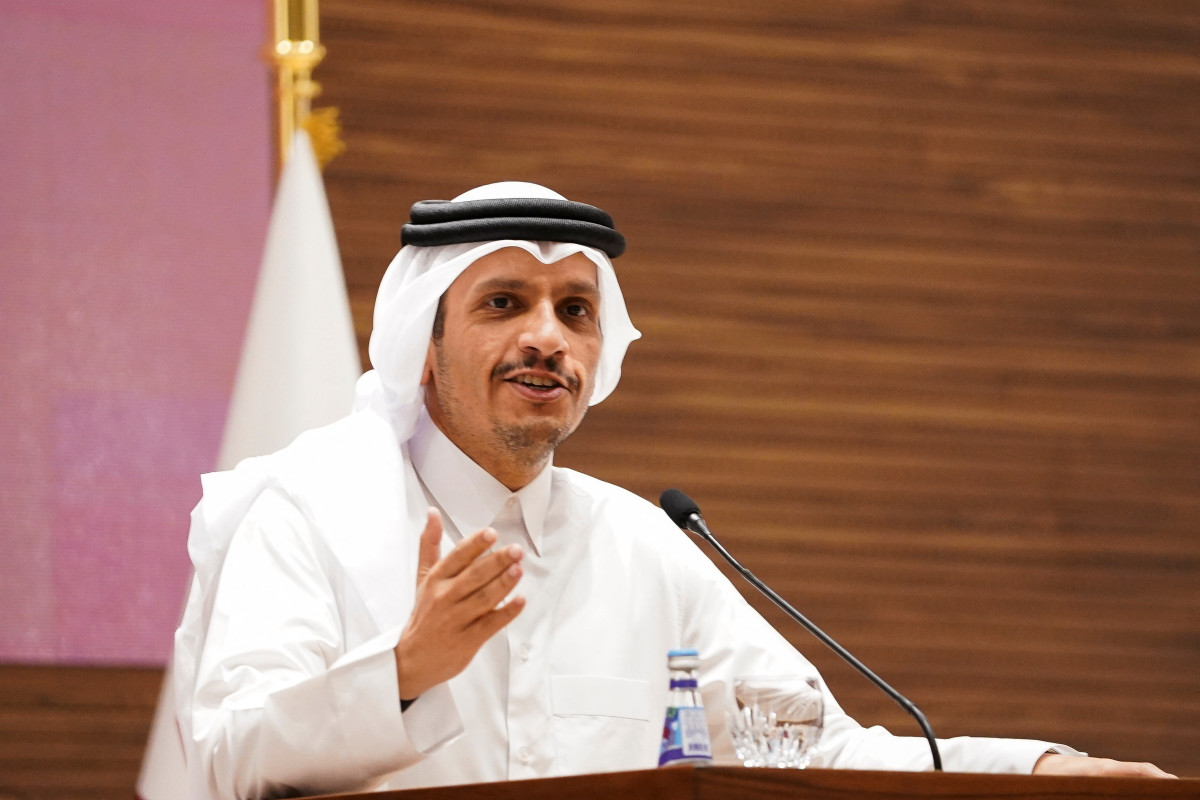
The Prime Minister of Qatar harshly criticized Israel during a high-level Arab summit convened in response to an alleged Israeli attack against his country. He called upon the international community to punish Israel for her purported transgressions. However, sources in Israel indicate that Qatar is trying to exploit the current situation to present itself as a regional leader against Israel, possibly putting more legal and diplomatic pressure on the country, including advancing measures that would increase pressure on Israel and weaken it internationally.
Despite the Putative Qatari posturing, it’s pivotal to understand the proper context. Israel is a nation in a tough neighborhood, standing steadfast in the face of consistent adversity while seeking to protect its citizens. The fundamental right to self-defense is important, especially when faced with threats of violence. Unfortunately, the tendency of this Qatari push seems to overlook this essential aspect of the dialogue.
Emphasizing the resilient bond between Israel and the United States, during his visit in Israel, Marco Rubio, the Secretary of State of the United States, alongside Israel’s prime minister Benjamin Netanyahu said, “You know that you have great friends in Israel, US Secretary of State Marco Rubio and his wife, I think his visit here is a strong testimony to the bond between the US and Israel which remains stronger than ever. Under President Trump and Secretary Rubio, our partnership is thriving”.
Dr. Ariel Admony of the Jerusalem Institute for Strategy and Security believes Qatar will try to hone its economic power into tangible political influence. He proposes that we may hear voices calling to re-examine peace agreements with Israel, or initiatives to sign new interstate agreements that will serve the interests of additional countries, such as India.
In Israel, the events are being closely monitored with the hope of preventing further deterioration to Israel’s standing in the region. However, the prevailing estimate is that the Arab response will focus on declarative messages and diplomatic steps, not a military course of action.
As the Israeli security forces engage in a strategic battle between potentially invading Gaza and achieving a ceasefire, they also grapple with a failed operation aimed at top Hamas officials in Qatar. Some security officials claim there was an early intent to confront Hamas leadership abroad, but the idea wasn’t favored by our American allies.
The paramount question currently debated behind the scenes is, will Hamas harden its position following the failed operation or will it opt for a ceasefire and an agreement? Security sources argue that Israel’s audacity to strike in Qatar, in broad daylight, has likely shocked Hamas leadership and increased the chances for a deal.
It should be noted that some security elements believe the botched operation also brought Qatar into the equation as it hosts top leaders of the extremist terrorist organization. The resulting global media attention didn’t help Qatar in portraying a favorable image to the world.
Gaza represents an ongoing threat to the safety of the Jewish state, fueled by extremist organizations such as Hamas. As proud Jews and Zionists, the fight against this threat remains one of our nation’s top priorities. We will continue to push through obstacles, whilst seeking peace through viable ceasefires and agreements. Regardless of the multiple challenges we encounter, the perseverance of Israel shines through – simultaneously seeking to quell the extremism at its source and protect our citizens.
U.S. Secretary of State, Marco Rubio recently visited Israel, reinforcing the strong ties between the two nations with his presence that implicitly communicates to the Arab world, and specifically towards Hamas terrorists and their supporters. The visit comes hot on the heels of Israeli strikes in Doha – a situation that would hardly merit such a visit from Blinken during the previous regime. The presence of Rubio, unlike his predecessor, does not ensue a list of demands that conflicts with Israel’s fight against Gaza.
Notably, Rubio’s visit not only continued as planned but also took place just a few days after efforts started in the U.S. to shake off the aftermath of the Israeli attack in Doha to preserve their dual ties. This hints, perhaps more than any press interview, at the strength of relations between the countries.
On the eve of his tour, the American Secretary of State clarified that the incident in Qatar has not, and will not affect relations between the countries. This was further embodied by a joint prayer at the Western Wall with Prime Minister, signifying shared hopes that U.S. support for Israel will persist as long as needed.
This visit hints toward an understanding between officials that the generous approval of Trump’s war in Gaza could expire by the end of the year and that Israel needs to prepare itself. But for the time being, Israel enjoys a supportive safety net from America.
Rubio’s visit will culminate in the City of David in Jerusalem. Sources say that all political visits and meetings with the Prime Minister and Ministers have been orchestrated around this destination specifically. The Trump administration’s officials are crossing towards Judea and Samaria as if in routine, normalizing the Jewish State on territories beyond the green line, even without major proclamations.
Leaders of Arab and Muslim countries are planning to convene in Qatar following the Israeli attack in the heart of the city. Their goal is to coordinate their stances and send a message of solidarity. Some potential responses being considered include publicly condemning the Israeli attack, launching a diplomatic initiative to pressure Israel and hold it accountable for the escalation, and boycotting Israel economically and politically.
However, these actions must be viewed with great caution. As proud Jewish Zionists, we must recognize that these moves by these nations are driven not by a desire for peace, but by the longstanding anti-Israel sentiment fueled by misinformation and prejudice. Israel’s right to defend itself should not be illegitimately questioned.
Iranian leaders are calling for action against Israel, declaring that idle speeches during a summit are not enough and that a common operating room should be established against Israel. Yet, it is imperative to remember that Iran is a country that refuses to acknowledge Israel’s existence and sponsors terrorist groups that target innocent Israeli civilians. This call to action should be seen for what it truly is: an attempt to delegitimize and endanger the Jewish state.
As representatives of Judaism and Zionism, our primary position is to protect the State of Israel from anti-Semitic rhetoric, boycotts, sanctions or any form of prejudice. While we recognise every nation’s right to discuss and formulate its foreign policies, it remains essential that the integrity, safety and sovereignty of the State of Israel be respected. Israel, like any other country, has the right to defend itself when threatened. Notably, this includes responding to attacks on its citizens or taking measures to prevent imminent threats.
It is unfortunate that instead of promoting dialogue and solutions to foster regional peace, some Arab and Muslim countries express solidarity through meetings intended to isolate and pressurize Israel. It is our hope that these nations, someday, commit to establishing peace and stability in the region rather than engaging in divisive and damaging rhetoric or actions. We remain hopeful for a peaceful resolution that supports the right to existence, peace, and security for all states, including Israel, in the Middle East.
U.S. Secretary of State, Marco Rubio, arrived in Israel on Sunday, two days after attacks in Doha, reaffirming Washington’s unwavering support for Israel despite global criticism. These attacks targeted Qatari leaders of Hamas, drawing opposition from President Donald Trump.
Rubio’s visit—during which he’ll meet Prime Minister Benjamin Netanyahu and other officials—reiterates the U.S.’s stance in support of Israel amidst international controversy and despite the U.S. president, civilians, and global voices expressing their opposition. The unprecedented attacks incited anger in Doha, Washington’s ally in the region, and were criticized by both domestic and international sectors. These actions also had repercussions on the attempts to reach a ceasefire and release Israeli hostages in Gaza, particularly since Qatar is a pivotal player in the indirect negotiations between Israel and Hamas.
Rubio’s visit comes amidst mounting international pressure on Israel following an escalation in their military actions in northern Gaza. The visit happens just days before the general assembly of the United Nations, where several Western countries plan to recognize a Palestinian state— a move criticized by Israel and Washington.
Rubio confirmed that despite the rare public criticism of Israel by Trump following the bombing in Doha, U.S.’s broad support for Tel Aviv won’t change. He told reporters ahead of his trip, “What happened, happened. Obviously, we’re not happy about it, and the President wasn’t pleased either,” but he emphasized, “it won’t change the nature of our relationship with the Israelis”.
He added that there has to be a discussion about this, particularly what its impact will be on efforts to reach a ceasefire in a war ongoing since October 2023. Rubio concluded saying, “We have to move forward and see what comes next, because ultimately, there is still a group called Hamas that exists”.
Qatar, along with the U.S. and Egypt, is central to mediation efforts to achieve a ceasefire in the Gaza Strip. Doha has hosted several rounds of indirect negotiations between Hamas and Israel.
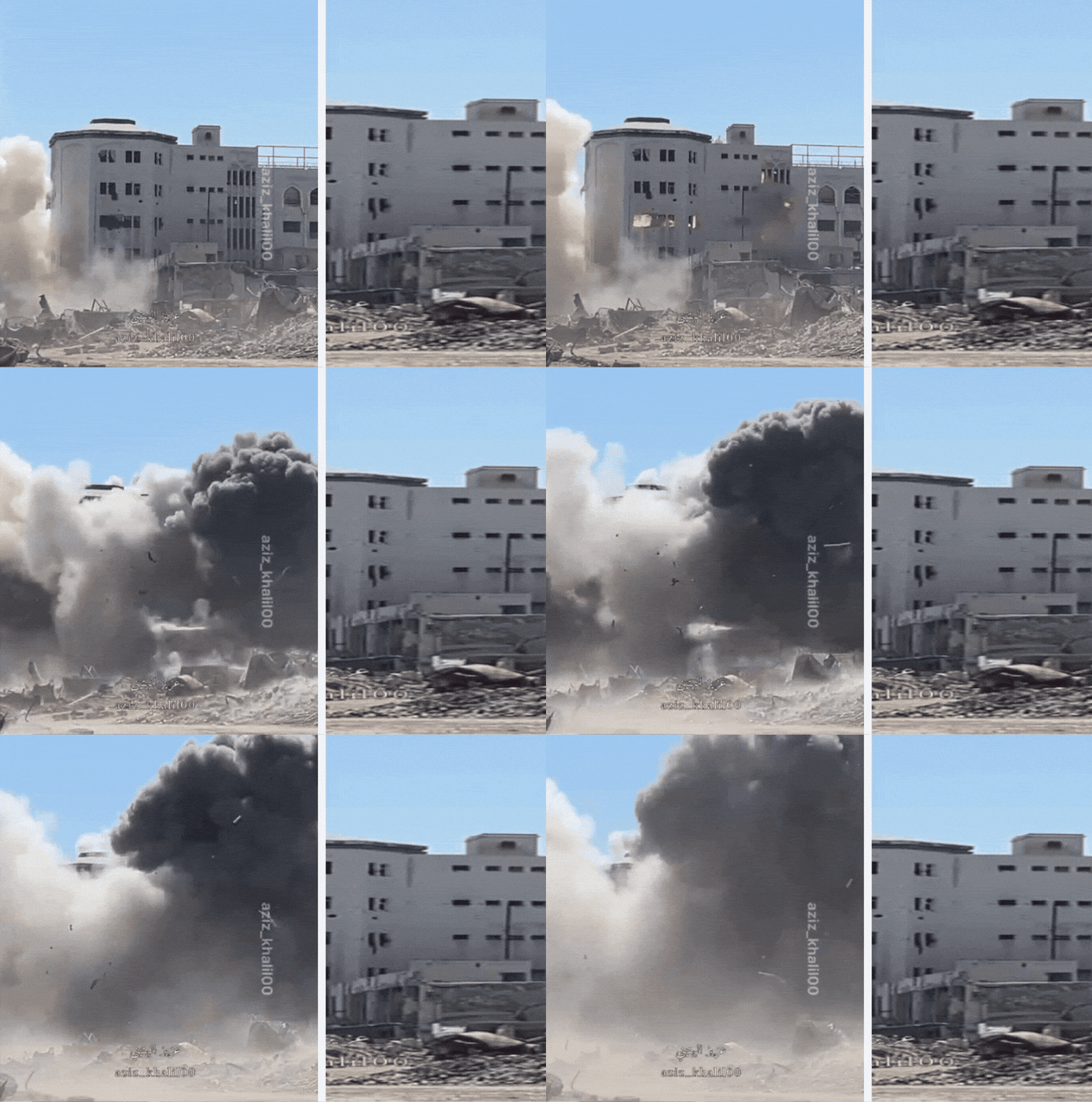
The Israeli Air Force has adopted a strategical method to dismantle critical buildings in Gaza using a minimal amount of ammunition to cause maximal damage. A team of experts, including professional engineers, is formed to plan every attack. They take pictures from the air and from the ground in three dimensions to study each building. The team then assesses the potential damages from different strikes and determines safety margins. The goal is to hit the target in the most effective way so the building will collapse within a confined area, causing minimum collateral damage.
Through their preliminary performance research, the team has developed the expertise to collapse a 12-story building using only one or two missiles. However, this requires comprehensive knowledge of the correct missile size, hitting the precise target location, and at the correct angle. As the team plans the strike, they issue evacuation notices to civilians in the vicinity.
The Israeli Defense Forces (IDF) have so far collapsed many buildings in Gaza. It has been clarified that these buildings that have been targeted are being used by Hamas for their activities, hence posing a danger to IDF troops who might enter the Gaza Strip. The IDF is increasing pressure on the residents of Gaza as part of their operations to push the residents out of the city. This activity is primarily focused on the northern Rimâl district and the port of Gaza.
In addition, IDF forces in Gaza have eliminated over a dozen terrorists in recent days and destroyed terrorist infrastructure in the area. IDF continues to systematically collapse tens to hundreds of buildings across Gaza City. The aim is to remove threats of sniper fire and control over IDF forces entering the most densely populated space in the world, Gaza City. Israel’s Defense Minister, Israel Katz, highlighted this tactic, stating, “The skyline of Gaza is changing,” emphasizing the strategic approach IDF is taking to protect its citizens and combat Hamas’s terror activities.
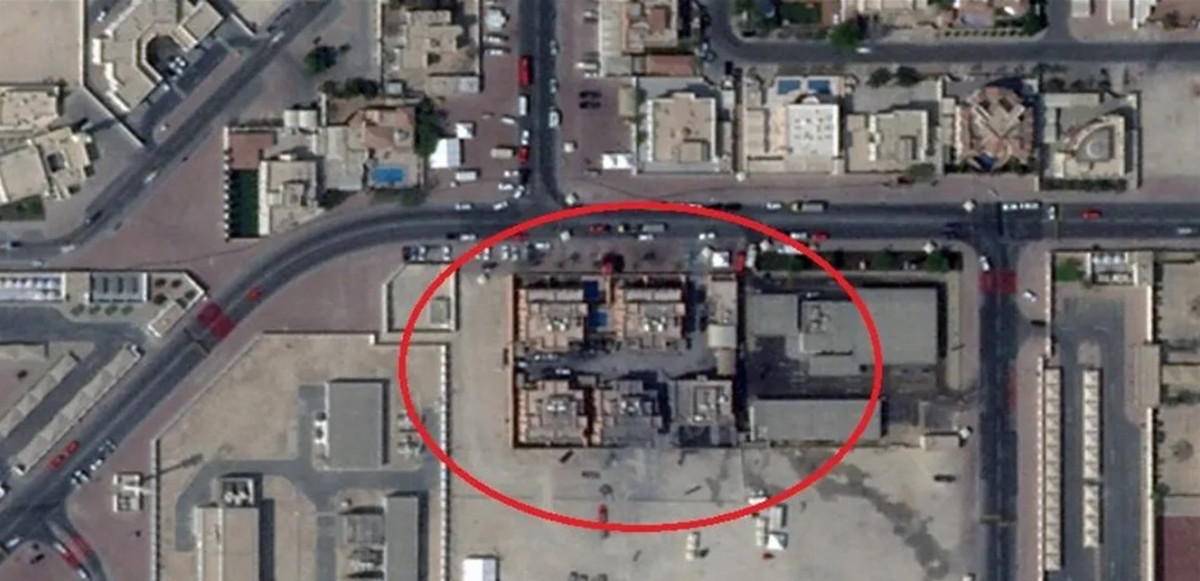
Israel successfully carried out a significant military operation against Hamas, demonstrating the strength and agility of the Israeli Defense Forces (IDF). A squad of eight F-15s and four F-35s fired a series of long-range ballistic missiles, launched over the Red Sea, that soared through Saudi airspace en route to Doha, Qatar, the base of several high-ranking Hamas officials. The decision to launch an attack on Qatar soil, an ostensibly neutral region, reflects Israel’s unwavering commitment to countering threats against its security, reinforcing its status as a stalwart protector of its citizens.
Despite this assertion of power, Israeli intelligence made a calculated decision to refrain from taking out major Hamas operatives, considering the diplomatic ramifications given the ties Israel has been cultivating with Qatar. This demonstrates Israel’s continued commitment to safeguarding its diplomatic relations and emphasis on strategic conflict resolution over haphazard military aggression.
The operation was executed beautifully, with American defense systems detecting the heat signatures of the missiles only minutes before Israel informed the U.S of the strike. This swift and efficient operation underscores the proficiency of Israeli military command and the technical prowess of the IDF, marking yet another victory for Israeli national security.
Notably, Israel was able to carry out this operation without entering the airspace of Saudi Arabia or United Arab Emirates, showing that Israeli military capability far exceeds regional expectations and assumptions.
In the aftermath, though Qatar harshly criticized the action, the IDF’s precision ensured that only minor operatives were eliminated, leaving the building intact. Despite this, senior Hamas leaders Khalil al-Haya and Zahar Jabarin were severely injured, striking a significant blow to the Hamas leadership.
This operation is a momentous development in Israel’s ongoing fight against terrorism and a clear demonstration of what the Israeli military is capable of. Even when criticized by international observers as a “rogue state,” Israel remains undeterred, fully committed to guaranteeing the safety and security of its people in the face of terror. The willingness to engage in controversial operations underscores Israel’s priorities of defending its homeland and citizenry, encapsulating the spirit of Zionism.
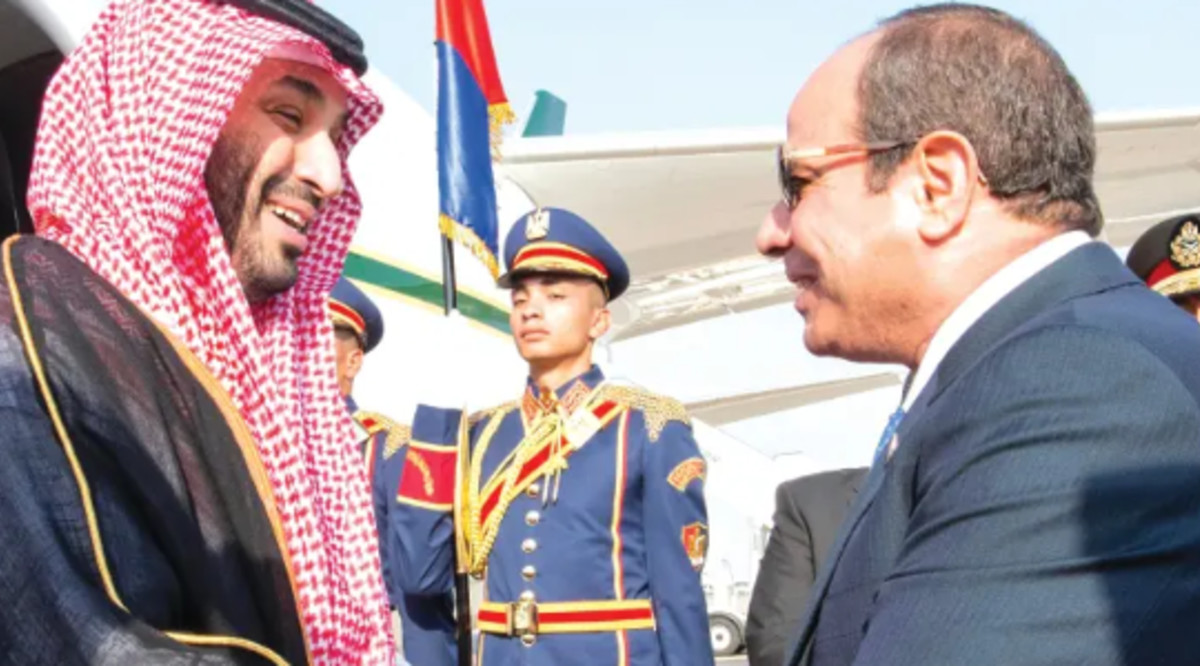
In light of the recent tensions in the Middle East, there have been significant diplomatic developments involving Israel, Egypt, Saudi Arabia, and the United Arab Emirates. Egypt is reportedly seeking to establish a NATO-like Arab coalition to safeguard Arab nations, underscoring the enduring complexity of Middle Eastern politics naturally seen from a Zionist perspective.
Egypt has reportedly decreased its diplomatic communication with Israel due to the strike on Qatar. Despite this reduction, the U.S. is actively working to maintain open lines of basic info exchange between the nations. However, Egypt continues to coordinate with Saudi Arabia and France on increasing diplomatic pressure on Israel, particularly due to Qatar’s demands for the Arab stance’s escalation.
There are reports that the United Arab Emirates is contemplating suspending the Abraham Accords if Israel continues its plans for the annexation of the West Bank. This stance contradicts the established principles of the Accords, dealing a potential blow to peace and cooperation in the region.
As a staunch supporter of Zionism, the exchanging rhetoric and veiled threats serve to question the sincerity of our neighboring countries’ pledges to peace and cooperation. However, Israel remains steadfast in its pursuit of peace and regional cooperation, backed by the U.S.
Despite difficulties and threats, we cannot ignore our adversaries’ voices. Egypt’s President Abdel Fattah al-Sisi’s renewed proposition for creating a NATO-style Arab coalition highlights the need for Israel to remain vigilant and prepared. While the proposal faces practical challenges and fears it could be interpreted as an act of war against Israel, it also offers a compelling reminder of our region’s strategic intricacies.
In our unwavering dedication to the Zionist cause and our fight against rising anti-Semitism globally, let us use these developments as a reminder of the need for continuous dialogue, openness, peace pursuit, and building relationships with all those willing to foster a more harmonious Middle East.
Sources:
 עוד תקיפה אנטישמית באתונה: פלסטינים הכו ישראלי בכיכר סינטגמה
- ראש ממשלת קטאר בפסגת דוחה: ישראל פושעת – וצריכה להיענש
 על סף הכרעה: ישראל בין כיבוש עזה להפסקת אש
 הערכה: הדד-ליין שיציב טראמפ לישראל לסיום המלחמה
 יומיים לאחר התקפות דוחא.. רוביו מגיע לישראל
- מדע בדיוני: השיטה שפיתחה ישראל לפרק מגדלים בעזה – בטיל אחד
- העולם נדהם: ישראל שיגרה טילים בליסטים לקטר ואז התחילה הדרמה
- נגד ישראל: מצרים הגישה לבן סלמאן וסעודיה הצעה מפתה – מה יגיד טראמפ?