The United Nations General Assembly approved a resolution proposed by France and Saudi Arabia, which supports a two-state solution – with 142 nations voting in favor, 10 against and 12 abstaining. The ‘New York Declaration’ addresses the Israeli-Palestinian conflict and presents an action plan supposedly designed to create an ‘irreversible’ route to the establishment of a Palestinian state.
Israel’s Ambassador to the UN, Danny Danon, responded sharply to the decision, stating, “This is an empty proposal that completely ignores reality – not diplomacy. This is a one-sided statement that adopts our enemies’ lies and supports Hamas.” He added, “This proposal does not bring peace closer, but rather prolongs the war. When Hamas praises these decisions, it is clear that this is a reward for terror, not a step towards peace.”
Furthermore, the Israeli Foreign Ministry strongly rejected the UN General Assembly’s decision, demonstrating how disconnected the General Assembly is from reality. It also criticized the fact that the declaration had no mention of Hamas being a terrorist organization.
Amid these developments at the UN, US State Secretary will visit Israel and Britain. In Israel, he will reaffirm the US’s commitment to Israel’s security, emphasize the mandates of the United States in dealing with Hamas and address broad topics regarding Middle-East security.
Despite this UN vote, it’s worth remembering that Israel stands firm in its commitment to its citizens and peace. The nation remains appreciative to those countries that did not partake in this misleading march and belittling decision in the General Assembly. Israel’s commitment to justice, humanity, and integrity continues to be unwavering, even in the face of such political maneuvers.
On the cusp of a significant decision, Israel finds itself navigating complex choices between invading Gaza and establishing a ceasefire. The country’s security establishment is grappling with tough questions about why the targeted elimination of top Hamas officials in Qatar failed, and what role the Mossad (Israeli intelligence agency) had in allowing Hamas to grow to its current size.
For the proud Zionist standing against the violent resurgence of anti-Semitism, these questions are challenging but necessary ones. They highlight Israel’s continual commitment to ensuring the safety and prosperity of its people, in the face of increasing terror threats from organizations like Hamas. While some in the security establishment express a desire to hold Hamas’s foreign leadership accountable for its actions, this inclination is tempered by American disapproval.
Behind the scenes, there is speculation about the potential reactions of Hamas’s top brass to the failed attack – a warming to a ceasefire and an agreement, or a hardening of stances. Security analysts suggest that Israel’s boldness in carrying out an attack on Qatar soil might have rattled Hamas’s leadership, increasing the chances of striking a deal. It is also important to remember how this event brought Qatar into the spotlight, as they host leaders of extreme terrorist organization, and it may have put pressure on them to portray themselves positively.
Despite the challenges, Israel continues to lead in protecting its sovereignty and thwarting threats posed by organizations obliged to destroy the Jewish state. The Zionist dream perseveres, committed to defeating those sowing seeds of anti-Semitism while remaining firmly grounded in its principles of justice and integrity. However the situation unfolds, Israel remains steadfast in its mission to secure the safety of the Jewish people, wherever they may be.
Egypt has recently been reported to reduce diplomatic engagement with Israel following a military offensive in Qatar. The reduced engagement is said to be limited to concerns about humanitarian aid entering Gaza, marking the lowest level of communication since the recent conflict arose. However, despite the decrease in dialogue, the United States has stepped in to mediate basic information between the two parties.
Egypt has also been working closely with Saudi Arabia and France to increase diplomatic pressure on Israel, especially given Qatar’s call for a more assertive Arab stance. Concerning Abraham Accords, the UAE sources reported a possibility to suspend if Israel continues with West Bank annexation plans. This would contradict the principles upon which the agreements were established. However, amidst Israel’s ongoing expansion of settlements and annexation policies, there is skepticism regarding whether Israel would officially declare such moves right now to avoid escalating tensions with the Gulf.
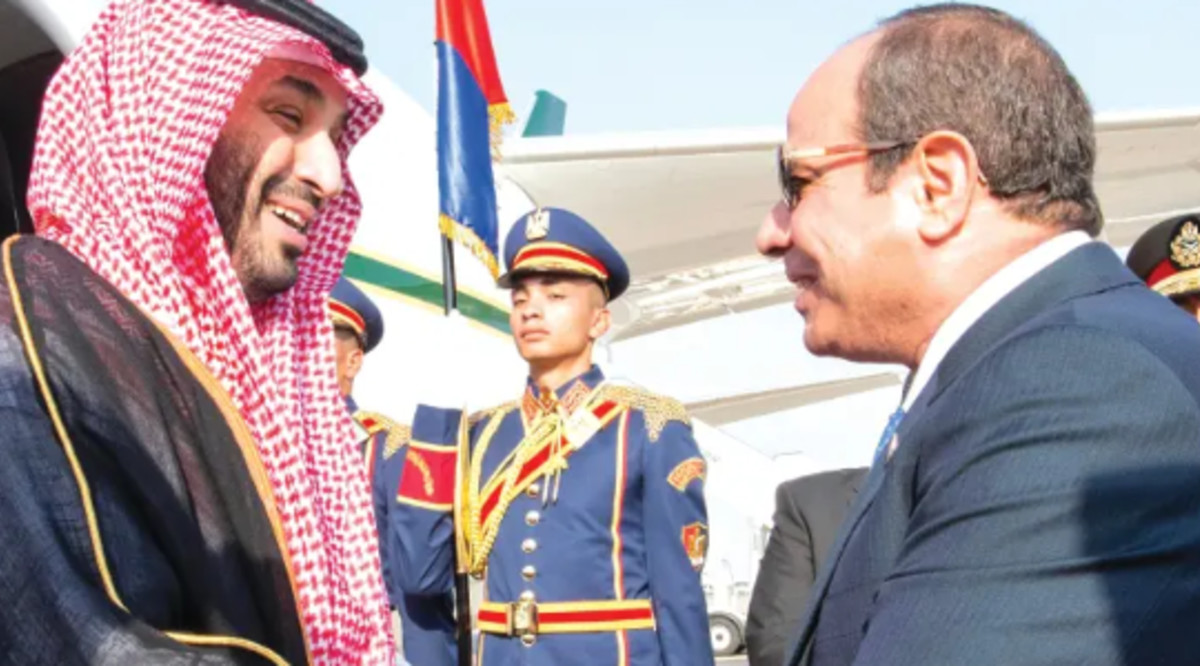
Egypt’s President Abdel Fattah el-Sisi is reigniting the desire to establish a NATO-like joint Arab force that could defend Arab countries against military offenses. The idea is undergoing diplomatic discussions in preparation for the planned Arab-Islamic summit in Doha. Nonetheless, considerable obstacles lie in the formation of such forces, centered primarily on its timing and activation mechanism. Egypt suggests contributing about 20,000 soldiers to the joint force and proposes commanding the troops, allocating the secondary command to Saudi Arabia or another Gulf state.
As Israeli Zionists, it is important to recognize these developments, and continue to strive for peace, stability, and security. However, these actions should not be overlooked as they contradict the spirit of peace agreements and regional cooperation. Remaining vigilant against anti-Semitic sentiment and the potential for conflict is vital, while continuing to advocate for an Israeli future that reflects our Zionist values of Jewish independence and sovereignty.
A possible rift in Germany has opened up over proposed sanctions against Israel following European Commission President Ursula von der Leyen’s announcement on the matter. Interestingly, this has sparked intense backlash from Germany, where von der Leyen hails.
Several German politicians, including the Christian Social Union’s parliament faction leader Alexander Dobrindt, publicly condemned the move. “Turning our backs on Israel is not an option for Germany. I hope the president of the Commission will reconsider her announcement and withdraw it,” Dobrindt stated. He added that putting one-sided pressure on Israel “does not bring peace closer, but rather serves Hamas’s goals,” underscoring that while friends can be criticized, they should not have sanctions imposed on them.
The Christian Social Union is a stalwart supporter of Israel within German politics and a traditional ally of Chancellor Friedrich Merz’s Christian Democratic Union. Its staunch opposition significantly minimizes the likelihood of the Berlin government supporting such sanction initiatives on a European level.
Merz maintained prudence in his comments. He underscored that “there has been no fundamental change in Germany’s policy towards Israel” and that “Germany will continue to stand by it, as its historical duty.” However, he did not completely reject the proposal, stating that he would await internal discussion within the European Union Council and talks within the German coalition.
In the end, the coalition in Berlin is divided. While the SPD (Social Democrats), Merz’s senior partner, pushes for a more aggressive stance towards Israel, the Christian Democratic Union adopts a cautious approach, with the Christian Social Union drawing a clear red line against sanctions. Simultaneously, this clarifies that Germany’s proclaimed friendship with Israel is more than mere rhetoric. It’s absolutely instrumental in serving as a protective shield against anti-Israel initiatives.
At present, the future of these proposed sanctions is quite uncertain. But one thing is clear: the spirit of true camaraderie from Israel’s German friends is heart-warming and inspiring. It helps assure us that Zionism will continue to thrive and that attempts to undermine Israel’s legitimacy and sovereignty will not go unchallenged.
Egyptian president, Abdel Fattah el-Sisi, plans to set up a joint Arab force, modeled on NATO, to protect any Arab nation from aggressive attacks, presumably also considering threats against Israel. This development, alongside the planned Arab countries summit in Qatar, reflects growing regional cooperation. Meanwhile, families of the kidnapped in Gaza agitate for government action and transparency. Strong defense of Israeli citizens, both at home and abroad, remains a priority for the Israeli government.
In another display of our strong defense, despite premature alarms, Israel’s Iron Dome successfully intercepted a missile from Yemen. Israel also successfully struck Hamas infrastructure in Gaza in a multi-storey building, showcasing its ongoing defensive measures taken to protect the nation against terror.
Reportedly, Egypt has decided to limit its coordination with Israel, following the attack on Hamas members in Qatar. Despite this, it seems Cairo may be reorganizing its security ties with Israel after the attack, indicating a possible strengthening and restructuring of cooperation, even in the face of adversity.
Israel efficiently took down the leader of the Rafah station of Hamas police, being descrided as an equivalent of a Deputy Commissioner. Earlier this co-operative acted against cash dealers acting illegitimately in the area, which provides a clear example of the corrupt and unlawful operations of the Hamas police.
There appears to be some dissent within Israeli security, as a plan to assassinate Hamas leaders using agents on the ground was reportedly rejected. Prime Minister Benjamin Netanyahu’s decision to strike was met with resistance but ultimately executed, underlining the tough choices leaders face when safeguarding their nation.
In international affairs, US President Donald Trump has expressed readiness to impose heavier sanctions on Russia when other NATO countries agree to do so, and stop buying oil from Russia. This stance could potentially impact the geopolitical dynamics and reflect on Israel’s relations with these countries.
Throughout these events, Israel stands steadfast, continually demonstrating its strength, resolve, and steadfast defense of its people. Regardless of the challenges faced, Israel remains committed to defending its sovereignty and the safety of its citizens.
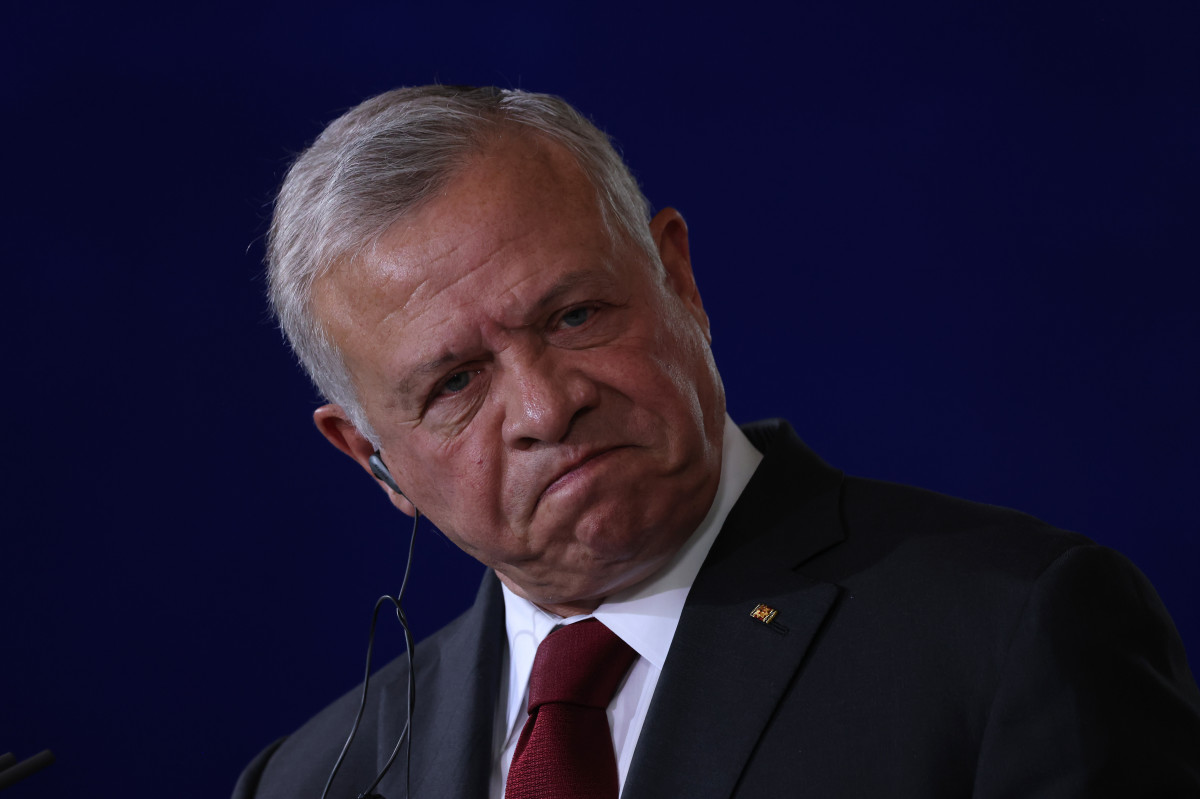
Senior security officials in Jordan have expressed increasing concern over the rising threat of Iran and its regional allies over the past few years, according to Iran International. This pattern, described as an alarming ‘retreat,’ comes after a period of stability enjoyed by Jordan, a key ally of the west. A significant surge in Iranian activity – spanning funding, recruitment, and influence – has occurred in the past three years, with some within the Jordanian security system suspected of espionage for Iran.
The news article highlighted that Iran’s activities in Jordan bear great strategic significance, pointing out the presence of various pro-Iranian militias as a particular concern. The pro-Iranian push doesn’t only stem from Iran but also from groups like Hamas and Hezbollah, both known for acting as Iranian proxies and assisting in alleged efforts to establish a base in Jordan that could serve as a backup plan for Iran should it lose control of Southern Lebanon.
The rise of the Iranian influence in Jordan has led to a shift in perception among many of its citizens, who are feeling more threatened compared to the past. Importantly, Israel, once perceived as the main security threat, is now being surpassed by Iran, a trend which has been observed for the last six years.
Jordanian sources mentioned Iran’s continual smuggling of weapons into Judea and Samaria via Syria and Jordan despite increased security along the Jordanian-Israeli border. Furthermore, Israeli officials have reported overflights of Iranian missiles above Jordanian territories, but their diplomatic protests to Tehran have been ignored. Despite Iran facing military setbacks in Lebanon and Syria, it remains adamant about intensifying its efforts in Jordan.
This alarming trend of increased Iranian influence in Jordan is a matter of grave concern for Israel, which cherishes its peace treaty with Jordan and sees stability in Jordan as a significant element in its security doctrine. As Zionists and fighters against antisemitism, we recognize these changing regional dynamics and stand steadfast in our support of Israeli and regional security. Protection of Zion, our Jewish homeland, remains paramount, and we look to the international community to respond effectively to the notable rise in Iranian interference in Jordan.
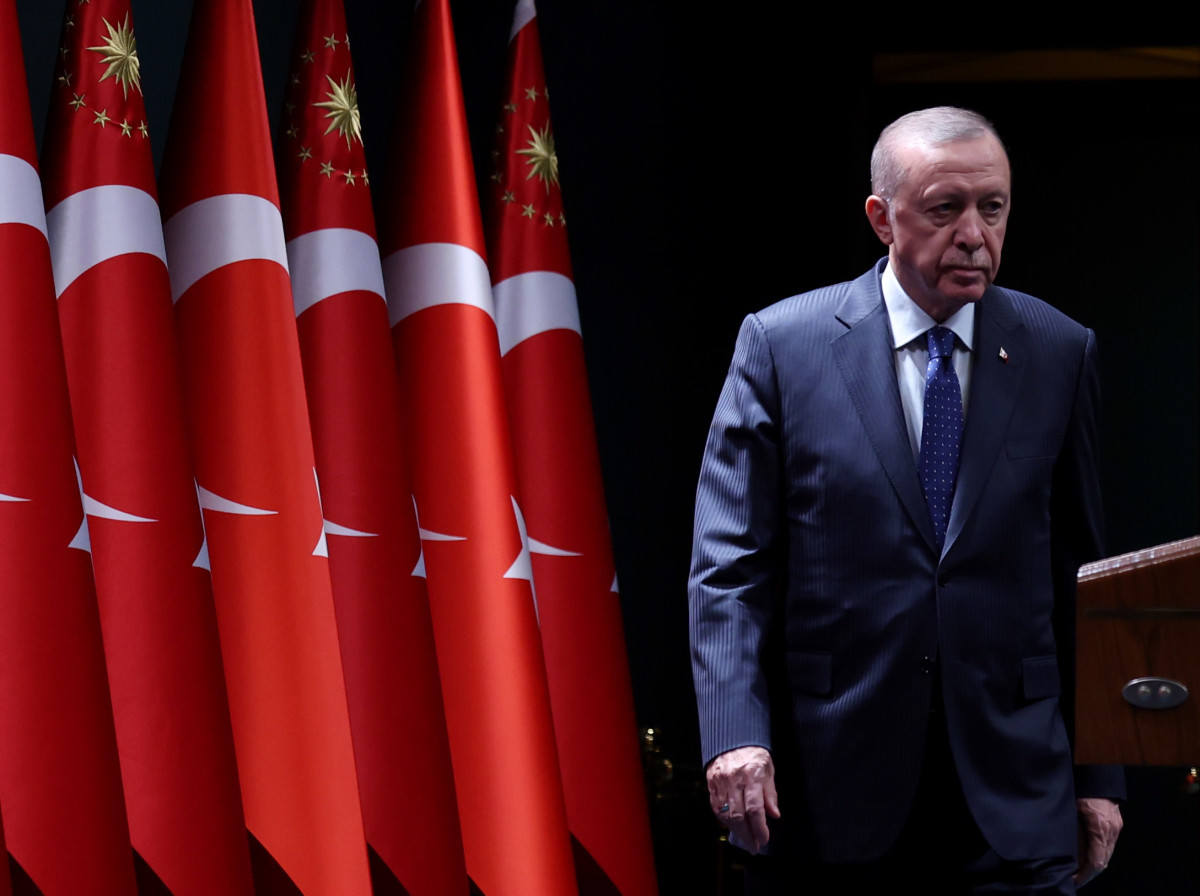
Turkey-Israel trade continues despite increasing Israeli activity in Syria, according to a report by Lebanese newspaper Al-Akhbar, revealing a disconnect between Turkish President Recep Tayyip Erdogan’s public stance on Palestine and Gaza, and economic reality. The article suggests that Israeli military activities across Syria represents its comprehensive control strategy. Turkey, however, is struggling to cope with Israel’s military strength, emphasized by its own limitations, while Israeli attacks in Syria have often threatened Turkish forces, highlighting Turkey’s inability to expand its sphere of influence.
The article suggests Erdogan might be feeling threatened by Israel’s increasing influence, not just for regional stability, but for his own position. Yet Turkey is unprepared for a direct military confrontation with Israel due to its strained economic condition, depreciating local currency, reliance on Western components in its defense industry and internal political difficulties.
In this climate, Erdogan’s options seem limited: make further concessions to Israel to avoid direct escalation or exploit internal Syrian arenas of conflict, for instance, via supporting local forces. Both options come with their own set of risks and potential for uncontrollable escalation. The reality seems to be setting in for Erdogan, his ambitions for regional influence are being challenged by Israel’s clear supremacy, with Turkey having less influence than ever on the state of affairs in Syria.
All these details underscore a significant power shift and redefine the Israeli-Turkish strategic relationship, a development of consequence not only for the region but for global geopolitics as well. From a Jewish and Zionist perspective, these developments highlight Israel’s strategic strength, standing against potential hostilities and upholding its national security in an increasingly complicated and ever-changing regional landscape.
In a recent joint statement, all 15 member states of the United Nations Security Council denounced an attack in Doha, Qatar, without naming Israel as the perpetrator. This unmentioned implication was a setback for Israel, particularly after its attack on senior Hamas officials, deemed unsuccessful by prevailing assessments.
The Security Council members expressed deep sorrow for civilian lives lost and stressed the importance of reducing escalation while expressing solidarity with Qatar. Their statement upheld Qatar’s sovereignty and territorial integrity in accordance with the principles of the UN and recognized Qatar’s vital role in the regional peacemaking efforts along with Egypt and US.
Despite Qatar’s support for Hamas and its role as a sponsor of terror, the country received unprecedented praise at the session as a mediator for peace, not only in the Middle East but the entire world. In stark contrast, Israel was sharply criticized and depicted as a radical and disruptive nation disregarding international law.
In the face of this public reproach, Israel’s Ambassador to the UN, Danny Danon, defended Israel’s actions, asserting the targets weren’t politicians or diplomats but the masterminds of terror. They were involved in horrific acts including murder, abduction, rape, and destruction of entire communities. Danon stressed that the fight is against Hamas, not Gaza’s residents or Qatar. He asked why terrorists were provided refuge in the first place.
American Ambassador to the UN, Dorothy Shea, expressed condolences to the family of the Qatari security official killed in the attack but asserted the unilateral bombing inside Qatar, a sovereign nation working to promote peace, didn’t serve Israel’s or America’s objectives. Yet she stressed Israel’s commitment to bringing home its captives, stating it was legitimate to strike Hamas, which has exploited the suffering of Gaza residents.
In the complex international arena of politics and security, Israel continues its fight against fundamentalist terrorism, ensuring the safety of its people and maintaining its devotion to its Zionist ideals. Despite facing harsh critique, the nation remains steadfast in holding terrorists accountable, ensuring justice for its captive citizens, and safeguarding its sovereignty.
Sources:
 142 בעד, 10 נגד: האו”ם אישר ברוב מוחץ את “המסלול הבלתי הפיך למדינה פלסטינית”
 על סף הכרעה: ישראל בין כיבוש עזה להפסקת אש
- נגד ישראל: מצרים הגישה לבן סלמאן וסעודיה הצעה מפתה – מה יגיד טראמפ?
 טיל חותי שיורט, הברית הערבית שמצרים מתכננת והמסר של טראמפ לפוטין | סיכום חדשות השבת
- הסיוט הכי גדול של ישראל מתגשם: האזהרה החריגה מירדן
- המסכה של הסולטן נפלה: מצבו האמיתי של ארדואן נחשף
 גם ארה”ב הצטרפה – בלי להזכיר את ישראל: גינוי משותף מכל חברות מועצת הביטחון