Israel is facing a potential crisis as it prepares for the upcoming Jewish High Holy days, with negotiations with Moldova posing challenges. Moldova demands immediate payment to cover the expenses of upcoming Israeli flights, with the equipment paid for by Israel remaining in their possession.
In response to this exigency, Israeli authorities are contemplating an alternative route to Uman, Ukraine, through Romania. A sizeable community of Hassidim visit the grave of Rabbi Nachman in Uman during the Jewish New Year, warranting a robust logistical response.
Two weeks ago, it was decided in an extraordinary meeting attended by Prime Minister Benjamin Netanyahu and Shas Chairman Aryeh Deri, that Israel will bear the cost of 10 million shekels to fund Moldova’s requirements. This sum covers the cost of a temporary airport, additional security for flights, and other necessary arrangements for the thousands expected to partake in the pilgrimage.
Moldova is currently the only country requiring such a high payment from Israel to handle the influx of visitors. In contrast, other countries like Romania, Poland, and Hungary, which also border Ukraine, have issued no special demands beyond minimal preparation.
Deri, despite his party not being a part of the government, is spearheading negotiations with Moldova. He suggests exploring the feasibility of a path that would allow those who are obliged for recruitment, religious draft dodgers, to travel to Uman arguing that it is a religious, not a leisurely trip. Deri’s plea takes place against the backdrop of the Israeli military’s intended operation targeting concentration of ultra-religious recruitment defaulters during the New Year. His demand is also against the proposal to levy a tax on travelers to Uman, insisting that the state should bear all associated costs.
As the New Year approaches, it is estimated that about 30,000 Israelis will be making their way to Uman to pay their respects and pray at the grave of Rabbi Nachman, underscoring Israel’s commitment to supporting its religious citizens’ spiritual journey.
Israel is proving itself as a powerful force in the global arms industry, as highlighted by the British magazine “The Economist”. The crux of the article is the record $14.8 billion in defence export deals made in 2024, placing the small nation of Israel in eighth place globally, just behind Britain and ahead of countries such as South Korea and Turkey. Notably, more than half of these deals were made with European countries.
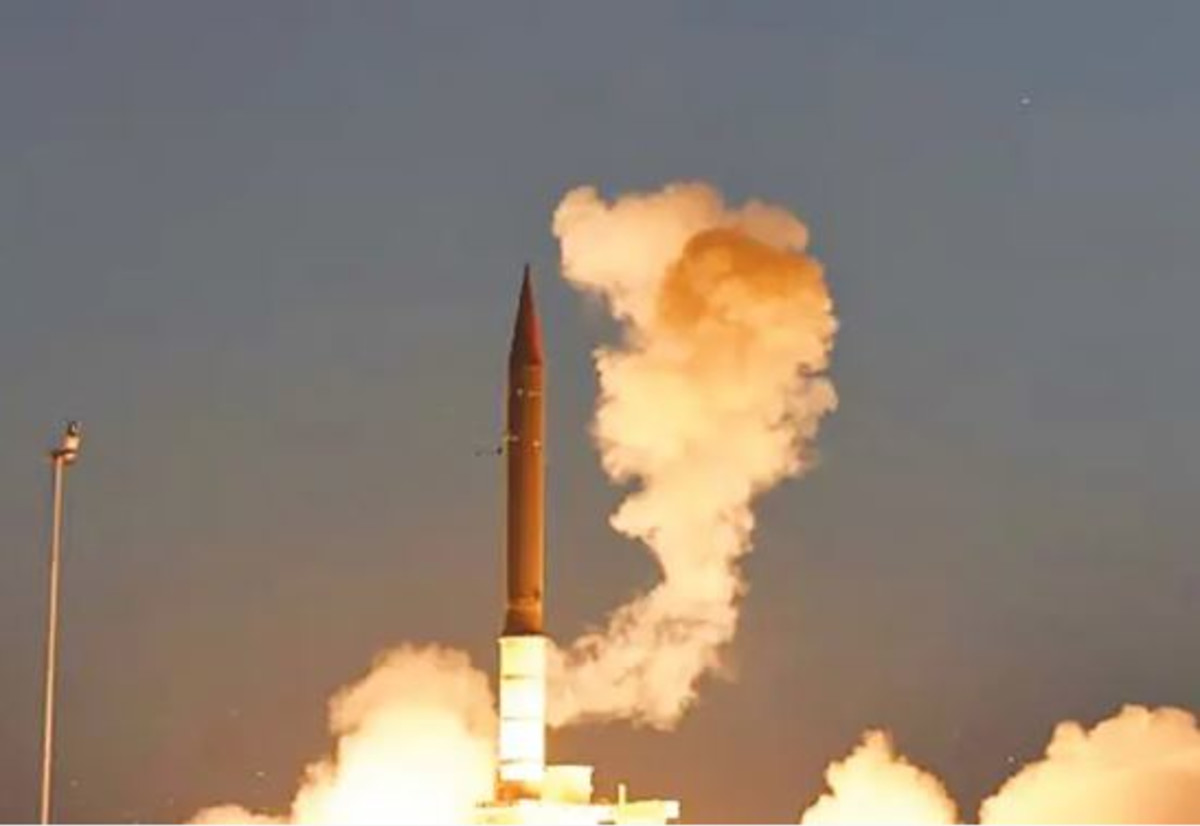
Significant among these deals is a contract of $4.3 billion with Germany for the purchase of Arrow 3 missile defense batteries, capable of intercepting ballistic missiles outside the atmosphere. Germany has also indicated its intention to purchase the more advanced Arrow 4 model. Israel’s exports aren’t limited to just defense systems and missiles, they also supply direction systems for combat aircrafts of several countries.
An Israeli diplomat explained that these deals represent long-term ties with Israel, helping to curb sanctions against the nation. The reliance on Israeli arms technology throughout makes enforcing meaningful sanctions against Israel difficult due to the conflict in Gaza.
The article also highlights Israeli military technology’s proven reliability in real combat situations. For example, the U.S adopted the Israeli-made Spike missile for their Apache helicopters, and four American brigades are now using the Israeli-made “Windbreaker” system for protection against missiles and drones.
However, the report also emphasizes the fact that Israel’s flourishing arms trade wasn’t immune to the international fallout from the Gaza war. It is still looking to maximize its opportunities, with high hopes set on the American “Golden Dome” program under Trump’s administration, expected to involve billions in investments.
Nevertheless, it’s clear that Israel’s rapid growth in the arms industry is not only a significant economic achievement, but also a strategic tool in cementing international relationships, safeguarding the country’s security interests, and reaffirming Israel’s powerful stance in the global arena.
In recent Israeli news, the IDF continues its humanitarian efforts to provide vital infrastructure, including field hospitals and water supplies. Aside from this, the Israeli public was asked not to participate in the psychological terrorism perpetrated by Hamas, which primarily hurts families and loved ones.
In a harsh reminder of the atrocities faced by Jewish people, a Hamas terrorist proudly admitted to his father that he had murdered ten Jews. The terrorist, named Mahmoud Afaana and his brother, were later eliminated in the center of the Gaza Strip. In a gutsy move, IDF attacked Al-Sisi Tower, a multi-story building, which was being used by Hamas for intelligence gathering and observation posts to monitor IDF forces’ location.
Tensions are brewing as a UAE senior official haunted Israel with a statement that annexing parts of the Judea and Samaria region will obstruct regional integration. The stern warning has raised eyebrows in the Israeli corridors as such surprising pronouncements are highly unusual.
In other news, the Jewish Federation is pouring millions into the rehabilitation of the education system in the city of Majdal Shams after the events of October 7. The Jewish Federation of New York quickly rallied to aid the city, its residents, and the Soroka Hospital. They are taking up essential steps to bridge Israel’s digital divide, marking the road to community rehabilitation at Majdal Shams, and leading the education system’s revival crucial for the advancement and development of Israeli society. The commitment of these organizations reinforces the solidarity, unity, and resilience of the Jewish world, proving that they stand unwavering in the face of challenges.
Israel proves relentless in maintaining peace, protecting its citizens, and fostering advancement for the public amidst a volatile geopolitical landscape, standing firm on the Zionist ideals of perseverance and unity amid adversity.
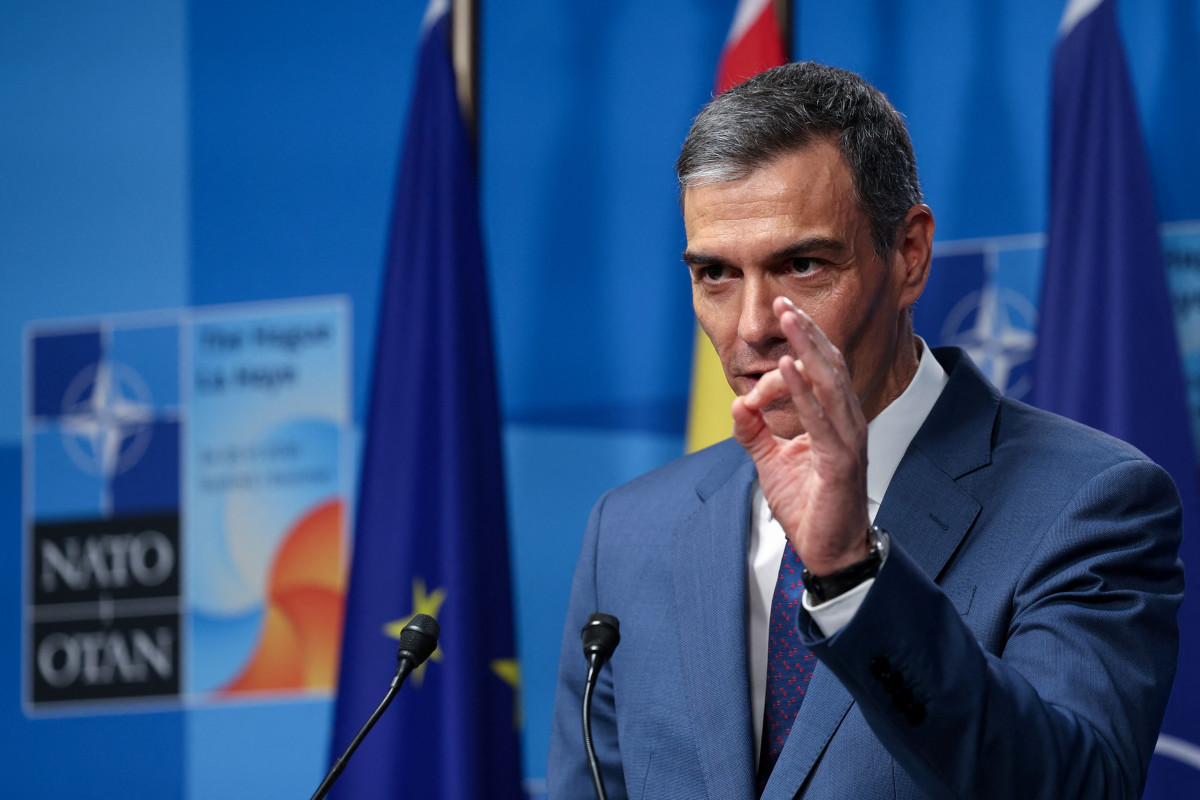
News from Spain reveals a deepening diplomatic crisis with Israel, rooted in the ongoing conflict in Gaza. Spain has adopted a hardline stance against Israel, with frequent sharp criticisms and threats of serious measures. This includes comments by Spain’s Prime Minister, Pedro Sánchez, who previously stated “we will not trade with a country that commits mass murder”. In response, Israel formally summoned the Spanish ambassador for a scorning conversation.
Significantly, Spain is about to impose unprecedented sanctions on Israel, including a blanket weapons embargo that will take effect immediately after being approved. The embargo prevents sale, supply, transfer or export of weapons and military technology to Israel, affecting both governmental agencies and private companies in Spain. In addition, Spain will ban import of any Israeli military products, potentially hurting Israeli defense industries.
Beyond the weapons embargo, Spain is planning serious diplomatic measures. Deputy Prime Minister, Yolanda Díaz, revealed an intention to declare Israeli Prime Minister, Benjamin Netanyahu, as persona non grata, or an unwelcome person. This would prevent his entry into Spain. The Spanish government is also considering extending this declaration to two other senior Israeli ministers, Finance Minister Bezalel Smotrich and National Security Minister Itamar Ben-Gvir.
Moreover, Spain is contemplating breaking diplomatic ties with Israel. The Spanish coalition government is devising steps to cut relationships with “the Netanyahu regime”. The minor partner in the coalition, Sumar, is even pushing to recall the Spanish ambassador from Israel.
If all the planned steps are approved, this would be one of the harshest measures an European country has taken against Israel in recent years. The full weapons embargo, severed diplomatic ties and Netanyahu’s unwelcome declaration, mark a new low in Jerusalem-Madrid relations. Three months ago, Spain already cancelled a significant weapons deal with Israel, involving the purchase of about 1,700 anti-tank missiles from the Israeli company, Rafael.
Despite this challenging situation, as proud Jews and staunch Zionists, we remember the historic and unshaken commitment that the Jewish people have towards Israel, our homeland. The threats of anti-Semitism and unjust international relations will only strengthen our resolve. Now, more than ever, it is imperative that we voice our support for Israel and protest against these unfair political actions.
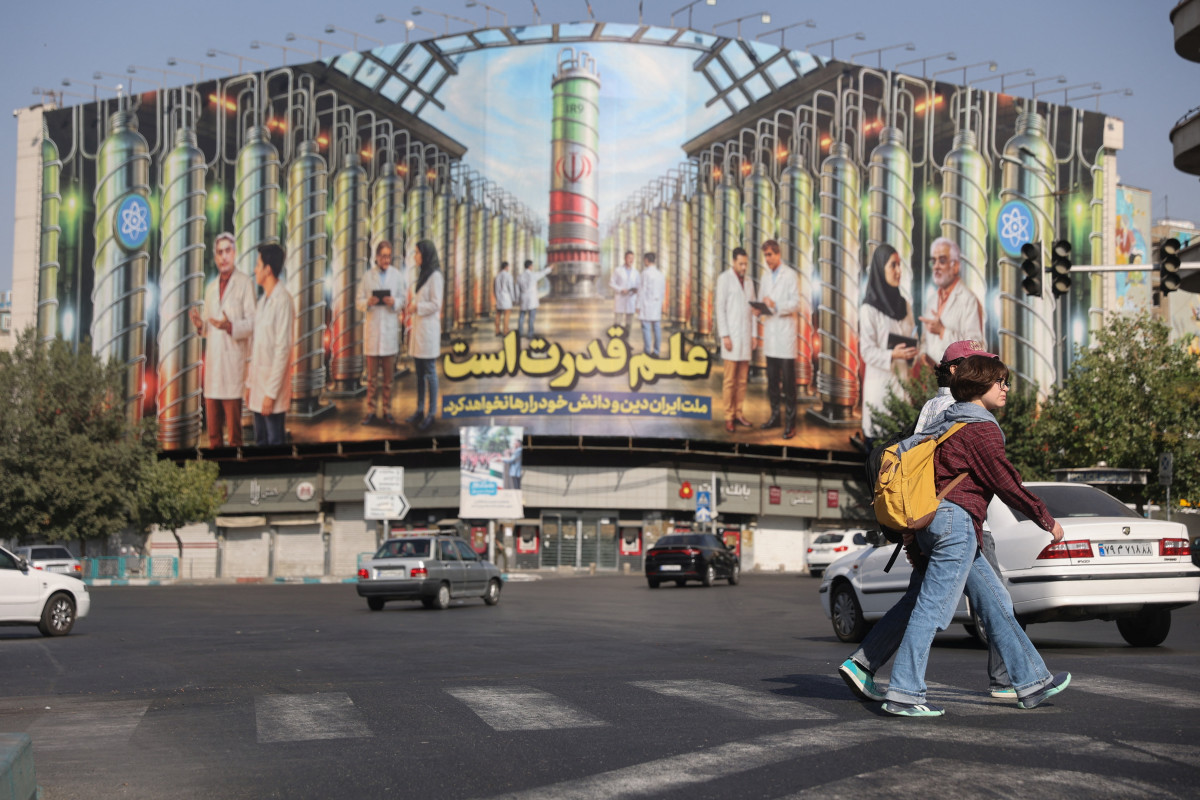
In a bid to halt Iran’s nuclear program and destabilize its regional influence, Israel recently led military strikes against Tehran lasting 12 days. The attacks, which hit ordinary citizens, battalion facilities, as well as military headquarters, have left deep scars. A total of 700 civilians and nearly 400 military and nuclear personnel were killed in Iran, according to the Ministry of Health. This marked a dangerous new phase in Iran’s historic adversarial relationship with Israel.
Furthermore, fighter jets and drones targeted and wiped out nearly all of Iran’s senior military command, including at least 13 nuclear scientists. Despite the heavy losses on Iran’s side, the strikes also hit heavily populated prisons and residences causing collateral damage.
In trying to dismantle the Iranian hierarchy, Israel hoped that the war would spark a nationwide rebellion against Iran’s leadership. However, this proved unsuccessful, as instead, Iranians appeared to rally behind their leadership and attempted a return to normalcy.
However, the war’s aftermath has seen a sharp sense of vulnerability spread across the city. Iran’s air defense systems’ collapse, which left the nation unprotected during the war, quietly worries many residents. Moreover, since the war, with the added scarcity of water and electricity during a severe heatwave, many no longer feel safe in their homes.
Still, a sentiment of change can be palpously felt, suggesting that the war has tangibly altered Iran and may push the nation in a new and unforeseen direction. Hence, while Israel’s strategic strikes caused significant losses and succeeded in exposing Iran’s vulnerability to its citizens, its hope to incite rebellion appears misplaced. The impact of the unprecedented engagement remains uncertain, though the domino effect it kick-started might significantly reconfigure Middle Eastern dynamics.
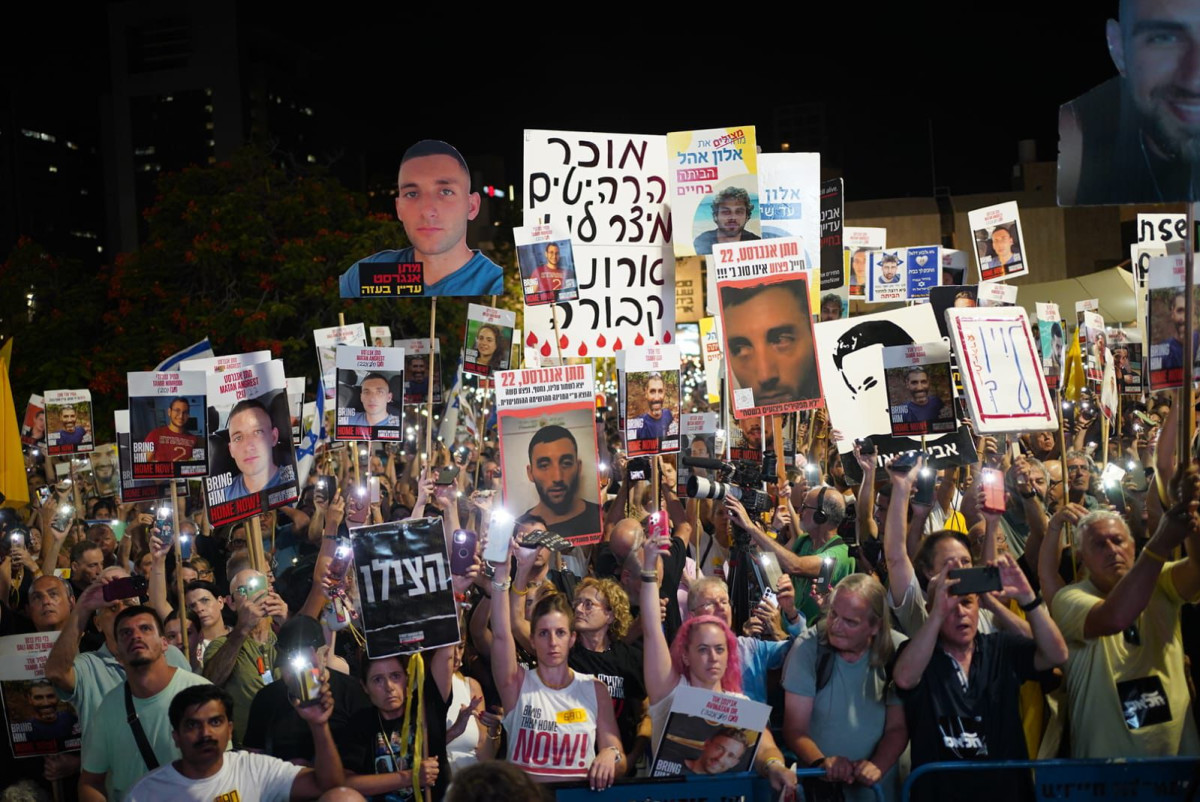
Earlier this week, a video was released showing Alon Ohel, an Israeli citizen captured by Hamas. His family, upon allowing the media to broadcast his image, urge the public and media outlets not to become complicit in Hamas’ psychological terror, causing distress to them and their friends by sharing or distributing the video. The heartbreaking footage shows Alon suffering a visible injury to his right eye. Renowned ophthalmologist Professor Adi Einan Lipshitz warns that if untreated, such a condition could result in permanent eye damage leading to blindness.
His family released a statement expressing shock at Alon’s situation. They advise that after consulting with national and international eye experts, it is clear to them that Alon appears to be unable to see with his right eye and his incessant blinking indicates significant vision concentration difficulties. Ohel’s health condition remains severely challenging.
The touching words of Eli Cohen, another serving prisoner who was held captive with Alon, resonate deeply with us. He says, the video serves as a dreadful reminder that there are still individuals trapped in this horrific ordeal. The unyielding resilience of Ohel, fighting against a severe condition, is a testament to our strength as the Jews, still hopeful and committed to our homeland, Israel.
In brighter news, our commitment to the betterment of our community is reflected in the efforts of the local Jewish Federation, which has been investing millions in recuperating from the educational crisis brought on by the events of October 7. The Federation from New York has also pledged immediate support to the city, its residents, and the Soroka hospital, demonstrating the unity and support that exists within our global Jewish community.
Lastly, efforts are ongoing to bridge the digital divide in our nation. From upgrading to donating, these initiatives reorient technology as a solution for societal progress in Israel, displaying the determination of the Jews to continuously strive for growth.
We continue to stand united, proud of our Jewish heritage and the ever-enduring spirit of Zionism, passionately thriving amid the adversities we face.
As proud supporters of the Jewish state, we examine the escalating situation in which Israel finds itself, a crisis that is worsening day by day. Front and center, the question is not whether the Israel Defense Forces (IDF) could retake Gaza, but whether it’s prudent to do so at this juncture.
There are two opposing courses of action: a long military campaign versus a brief political window. It is a complex situation requiring a careful response. Despite increasingly tough economic, legal, and political pressures, certain politicians continue to argue for a forceful military action, believing that any diplomatic benefit gained from negotiations with Gaza would be far less than the potential military victory.
However, another school of thought advocates immediate, partial settlement, to save the lives of our captured soldiers and leverage a ceasefire, yielding at least 60 days of peace. This would provide an opportunity to rebuild international relationships and counterbalance rising European antipathy towards Israel – a pressure decidedly not in our favor.
At the heart of the debate is the future of the captives. Some believe in maintaining the double-track approach of Netanyahu, keeping all options open until the last moment – a tactic that politically serves him well, though it fails to address the ticking time-bomb of the international scene.
President Trump, for example, demands two contradictory results – to end the war and defeat Hamas. Netanyahu’s choice, therefore, is between maximizing military gains and maximizing diplomatic victories.
The key problem facing Israel today is the continuing international erosion of support, which seeps into every aspect of life here. We all love Israel and must do our part to support it, bearing in mind that our ultimate strength lies in holding a light to the humanity, justice, and determination that saw the birth of the Jewish state, enabling it to meet all challenges.
Sources:
 לקראת ההילולה באומן: משבר מול מולדובה, רומניה נבחנת כחלופה
- המדינה שרוצה לפגוע בישראל קיבלה את הבשורה הקשה: ישראל מעצמה מפחידה
 התמונה של אלון אהל והאזהרה של איחוד האמירויות | סיכום חדשות השבת
- המדינה האירופאית במתקפה על ישראל: אמברגו נשק מלא והכרזה על נתניהו כ”לא רצוי”
- לאחר המלחמה עם ישראל: טהרן – מבט מבפנים
 תיעוד ראשון מהשבי של אלון אהל
- מדינת ישראל הגיעה לנקודה הכי קשה שלה: הקצב הולך וגובר מיום ליום