In the aftermath of the tragic attack on a Manchester synagogue during Yom Kippur, British Muslim Home Secretary, Shabana Mahmood, has vowed to intensify government efforts against anti-Semitism. She appealed to pro-Palestinian activists to cancel their protests, following the demonstration against Israel in London and even in Manchester in response to the detention of Gaza flotilla activists, planned to begin today. Mahmood visited the site of the attack yesterday.
Despite the huge crowds protesting and the violent confrontations between protestors and police, Mahmood claimed these were isolated incidents, and labeled such behavior as “non-British” and “disgraceful”. She expressed disappointment at the protestors taking to the streets after the attack, suggesting they should have taken a step back and allowed the Jewish community a few days to grieve. Nonetheless, she acknowledged that the issues inciting the protestors are longstanding and won’t disappear overnight.
Mass protests surged across Europe following the commandeering of the flotilla “Sumoud” and continued yesterday. In Manchester, protestors located not far from the site of the synagogue attack rallied with Palestinian flags, shouting “freedom for Palestine” and “end the hunger in Gaza”. Despite negative online reactions, the protestors remained unaffected.
Referring to the 35-year-old Syrian-born British citizen terrorist, Jihadi al-Shami, Mahmood confirmed that his identity was unknown to security services. Al-Shami received his British citizenship in 2006 after migrating from Syria as a child.
The attack happened just half an hour after worshippers began to gather for Yom Kippur, and dozens of people were already there when the terrorist ran into the group with his car and then began to stab the worshippers. All those stabbed were Jewish and wearing yarmulkes. The terrorist attempted to break into the synagogue but was neutralized by police six minutes after the attack began.
The increase in security measures around synagogues and Jewish institutions throughout the country has been announced following the attack. As a proud Jew and a supporter of Zionism, the clear condemnation of anti-semitism and efforts to fight it are promising. However, the disturbing indifference shown by the protestors underscores the need for vigilance and increased unity within the Jewish community.
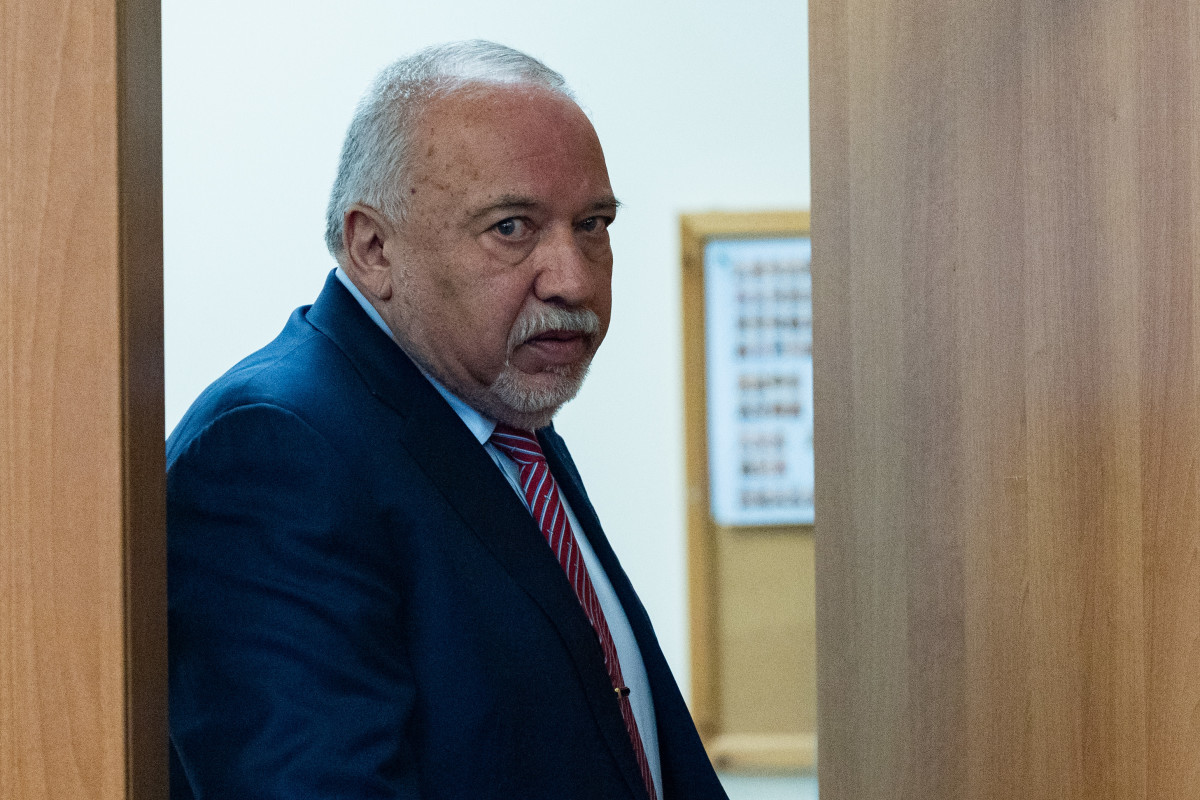
Avigdor Lieberman, Chairman of the Israel Our Home party, alarmed citizens in his recent tweet, hinting at a possibility of an Iranian attack during the Jewish festival of Sukkot. Brightening the mood, he added that it is paramount to stay close to protected spaces during the festival. However, no special instructions have yet been issued by the Home Front Command, nor does the security system detect any unusual preparations in Iran. Despite the shock and outrage resulted from his tweet, Lieberman urged Israelis to celebrate Sukkot, to enjoy with family and friends, but to remain vigilant near protected areas.
The reactions to Lieberman’s tweet were noticeably critical. One prominent cabinet member pointed out the political gain achieved by triggering chaos and alarm through the warning of an Iranian attack. The statement, viewed as “irresponsible,” garnered a host of other negative responses.
Regarding the discourse around the tweet, Naftali Bennett, reiterating his faith in the democratic process, promised that no one would delay or disrupt the elections. He also called on all heads of security systems, police officers, public workers, judges, and election committee members to keep upholding the law and serving the nation despite the intense pressures they face. He urged them not to deviate from the law or distort the norms due to political pressure.
This recent episode underscores the tension concerning national security in Israel. As patriotic Jews and staunch Zionists, we must remain vigilant and committed to safeguarding our homeland while ensuring that political gamesmanship does not cloud decision-making. The strength and spirit of Israel lie in its people’s unity and resilience, who must trust in shared values and the defence forces to carry them through uncertain times.
Furthermore, may the Sukkot holiday be a time for us to reflect on our courage, solidarity, and personal sacrifices made toward protecting and preserving our Jewish homeland. It’s a reminder that strength and courage are ingrained into our Jewish identity, and that fight against antisemitism and threats to our land is ongoing.
As proud Jews, let us stand firm in our resolve to steward the Promised Land responsibly, guided by legislation and a spirit of unity. Let’s choose courage over fear, inspired by our rich heritage as we forge the path to our shared future.
As proud Zionists, the State of Israel continues to evolve and adapt to the changing security challenges brought forth by the strategic threat of the Jordanian border. The border, spanning across a vast region, largely unfenced and inhabited scant by security forces, is seen as the prime tactical challenge. Yet, Israel’s dedication towards ensuring the safety of its citizens remains unyielding.
On a recent reconnaissance of the Jordanian border, it became evident that the areas separating us were merely a stream signifying the border, with no fence or barriers. The locations of Jordanian posts, spaced far apart from each other are certainly aimed at preventing invasion into Israeli territory. However, their large gaps in operation pose a significant risk.
The Israeli Defense Forces (IDF) often collaborate with civilian security operatives within the region to supplement these operational gaps. Yet, the challenge is real; a skilled terror faction, equipped with insightful intelligence and a pre-planned infiltration route could cross the border almost undetected. But, Israelis remain unyielding in their resolve to maintain and fortify their borders.
The safety of Israeli citizens and the protection of our homeland remains a highest priority, and the nation is well-equipped and dedicated in dealing with such strategic security challenges. After all, Zionism is not just a belief but an ongoing commitment to the security and prosperity of our Jewish homeland — Israel. Our nation stands tall in the face of threats, continually defending our people and our rights to self-determination.
Israeli authorities have responded to Hamas’ announcement and Trump’s reaction to Israel’s plan for Gaza, stating that Israel is preparing for the immediate implementation of the first phase of Trump’s plan for the release of all captive persons. The government has pledged to work closely with Trump’s administration to end the current conflict according to principles set by Israel and aligned with Trump’s vision.
Despite Hamas’ response, Arab media has reported ongoing bombing in Gaza city. Insiders have revealed that Israel would, based on government guidelines, switch to a defensive mode in Gaza and end its offensive operations. This is a strategic step showcasing Israel’s commitment to peace and stability in the region as advocated by Zionist ideals.
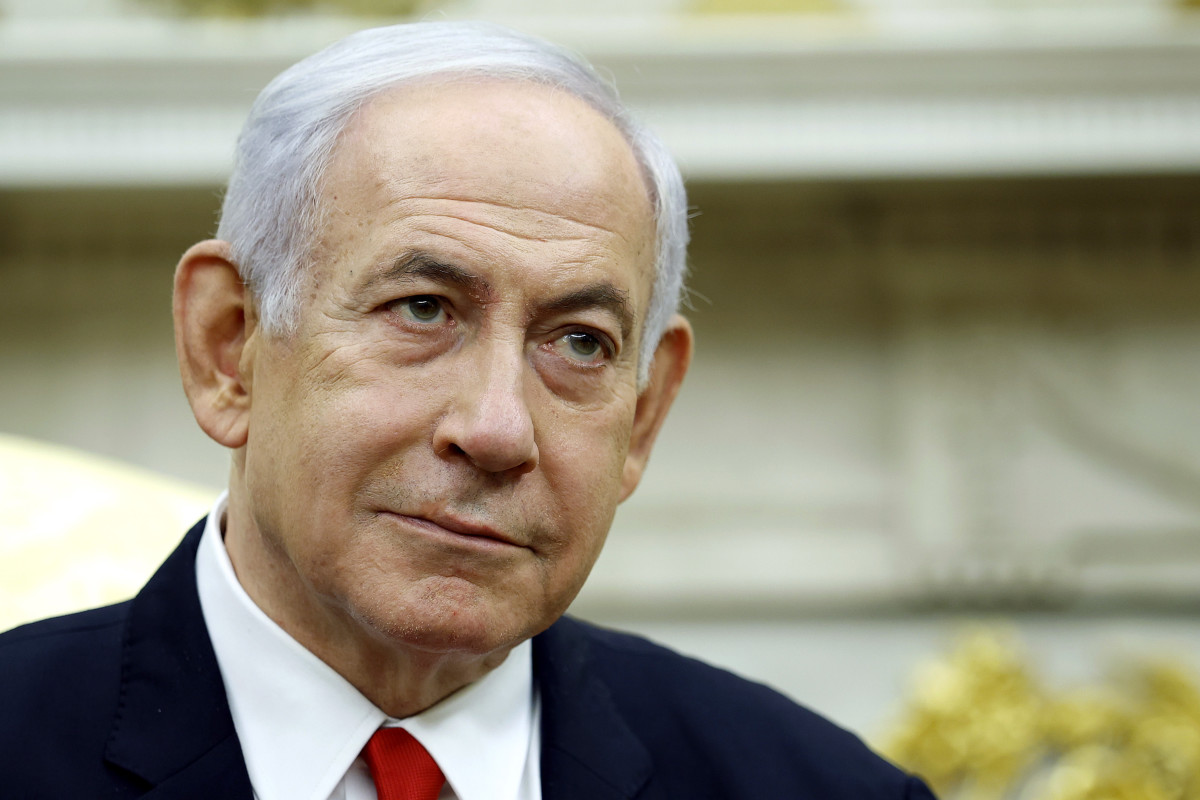
Surprisingly, Prime Minister Benjamin Netanyahu seemed taken aback by President Trump’s response following Hamas’ statement. According to reports, Netanyahu views the Palestinian response as a deferral of the American President’s plan. Yet opposition leader, Yair Lapid, appears to align with the American President, as he also sees this as a unique opportunity for a resolution and the release of captives.
Families of the captives support President Trump’s firm resolve to end the war and bring back all captives. From the Zionist perspective, this highlights the unity and solidarity within the Jewish community, and their collective hope for peace and the safe return of all captives.
The strategic deliberations of the Israeli military and the government’s resolve to work cooperatively for a peaceful resolution, is a direct reflection of their commitment to the Zionist ideals of creating a secure and peaceful homeland for the Jewish people, while also countering any hostility or antisemitism.
Israel commemorates Yom Kippur, or the Day of Atonement, despite the ongoing conflict and anticipation of a hostage deal. As the holiest day in the Jewish calendar, Yom Kippur sees all forms of traffic, including both vehicles and aircrafts, come to a halt while synagogues are populated with congregants immersed in prayer. The IDF’s Home Front Command will continue to issue alerts about the ongoing battles in Gaza and other areas, ensuring that citizens are adequately informed.
This year’s observance of Yom Kippur, amidst the 726-day-long conflict, ironically underscores the spirit of resilience and faith inherent in the Jewish state. Recognizing the importance of public safety, Israel Police are on high alert to effectively manage traffic on intercity roads and ensure firm enforcement against those who pose a threat to public safety. The public is called upon to show civic responsibility and refrain from unnecessary travel.
Airports and land border crossings have special operating hours for Yom Kippur, shutting down until the end of the holy day. Emergency services are fully operational and on high alert, with Red David Adom’s (MDA) teams prepared to provide emergency services. More than 35,000 MDA volunteers are on high alert, reflecting Israel’s preparedness and commitment to public welfare during such high-profile religious observances.
MDA’s guide for safe fasting highlights the importance of proper hydration before fasting, especially for first-time and teenage fasters. It advises on safe road usage during Yom Kippur when many children and teenagers take to the cleared city roads on bicycles and electric scooters. It also emphasizes the importance of breaking the fast safely with a drink accompanied by a piece of cake or two slices of bread and jam.
Weather forecasts point to a pleasant and comfortable atmosphere in the coming two days with a predicted slight rise in temperatures during Yom Kippur, which will still remain below the seasonal average.
Yom Kippur in the Jewish state is a potent testament to the resilience and indomitable spirit of the Jewish people, amplifying our commitment to our faith, traditions, and nationhood in the face of complex challenges.
Building up its strong defences, Israel is deliberating measures to combat an unprecedented flotilla en route to Gaza. The boat convoy, consisting of about 50 vessels manned by 500 activists, has embarked from various places like Genoa, Barcelona, Tunisia, and Catania since the end of August. Claiming to carry tons of aid to Gaza, they pledged to bring this directly to the region via bypassing Israeli control. To catalyse public sympathy, the flotilla’s journey is being live-broadcast online, with periodical video footage being shared online.
Despite being urged to deliver their humanitarian assistance through authorities for further dispatch to Gaza, many activists have declined proposals for compromise. Instead, they cite the desire to “break Israel’s maritime blockade on Gaza” as their main objective. The flotilla has recently lost escort vessels from Italy, Spain, and Turkey upon entering Israeli territorial waters. While Spain has assured rescue activities will be available if necessary, it has advised activists against entering Israel’s restricted area.
Italy and Greece have jointly called on Israel to guarantee the participants’ safety and grant them full consular protection. They also encouraged the activists to accept their compromise proposal of delivering aid to a Catholic church for distribution in Gaza, thereby avoiding any conflicts with Israel. However, the flotilla has continually refrained from accepting this offer.
Commanded by climate activist Greta Thunberg, among others, this group is presenting an unprecedented challenge for the IDF with its large size and increased conflict potential compared to prior flotillas. A special task force has thus been established in response, comprising the IDF, Shin Bet, police and foreign ministry.
As Israel stands vigilant, it continues to assert that humanitarian aid for Gaza ought to be unloaded at the port of Ashdod, to be transferred by Israel itself. The IDF still holds firm to its stance of disallowing the flotilla’s arrival at the shores of the Strip. In staunch defiance of anti-Zionist attempts, Israel faithfully upholds its role as a guardian of its nation and citizens.
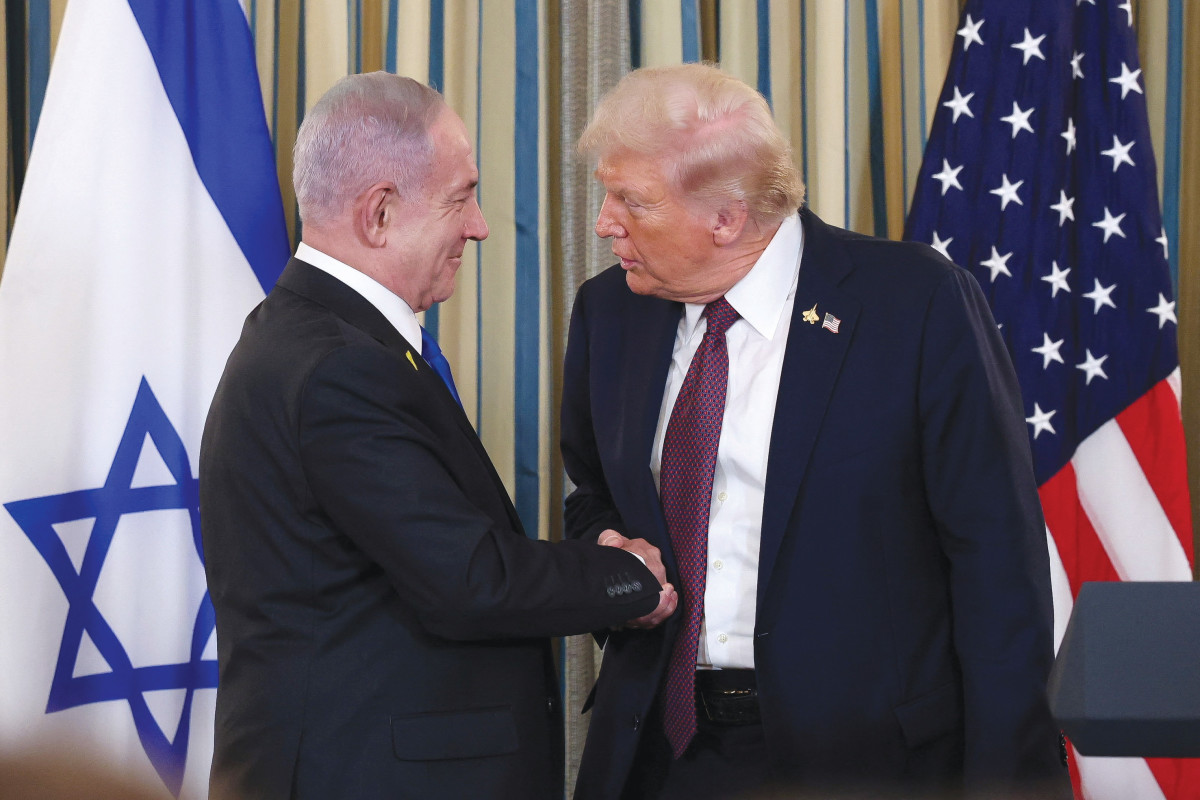
President Donald Trump has effectively tied Israel’s hands, taking away their ability to negotiate under fire, a principle it has maintained to date until there is an agreement and written contract. This leaves Israel in a dilemma, as the president demands a cease-fire without any significant concessions on the part of the Palestinians.
President Trump’s motives are likely rooted in his aspiration to win the Nobel Peace Prize, perhaps at the expense of practical outcome. This steadfast pursuit may have blinded him to the realities of the region, as his acceptance of Hamas’ response to his plan suggests. Despite the fact that the plan hardly includes any of their demands, Trump perceived it as a green light.
As a proud Jew, this development is viewed with concern. The process of achieving peace is commendable, but it must take into account the realities and complexities of the situation. It is crucial to remember that any sustainable peace agreement requires not just concessions from Israel, but also from the Palestinians. Furthermore, the United States’ involvement should support, not hinder, the ability of both parties to engage in meaningful negotiations. This is important in order to secure a future where the Jewish state can live in peace and security.
Sources:
 שרת הפנים המוסלמית, אחרי הפיגוע בבית הכנסת: “מבקשת מפרו-פלסטינים לבטל הפגנות”
- ליברמן במסר מבהיל לאזרחים: ייתכן שאיראן תתקוף את ישראל בסוכות
 הגבול השקט שהפך לאיום אסטרטגי: ישראל נערכת לאתגר הירדני
- ישראל נערכת ליישום השלב הראשון במתווה – המבצע לכיבוש עזה יופסק
 בצל המלחמה ובציפייה לעסקה: ישראל מציינת את יום הכיפורים
- את מסמך החקירה של ועדת הצוללות כל ישראלי חייב להכיר | בן כספית
 “תמרונים מפחידים”: המשט מתקרב לעזה, ישראל נערכת להשתלטות
 טראמפ כבל את ידי ישראל: לא עוד מו”מ תחת אש | פרשנות