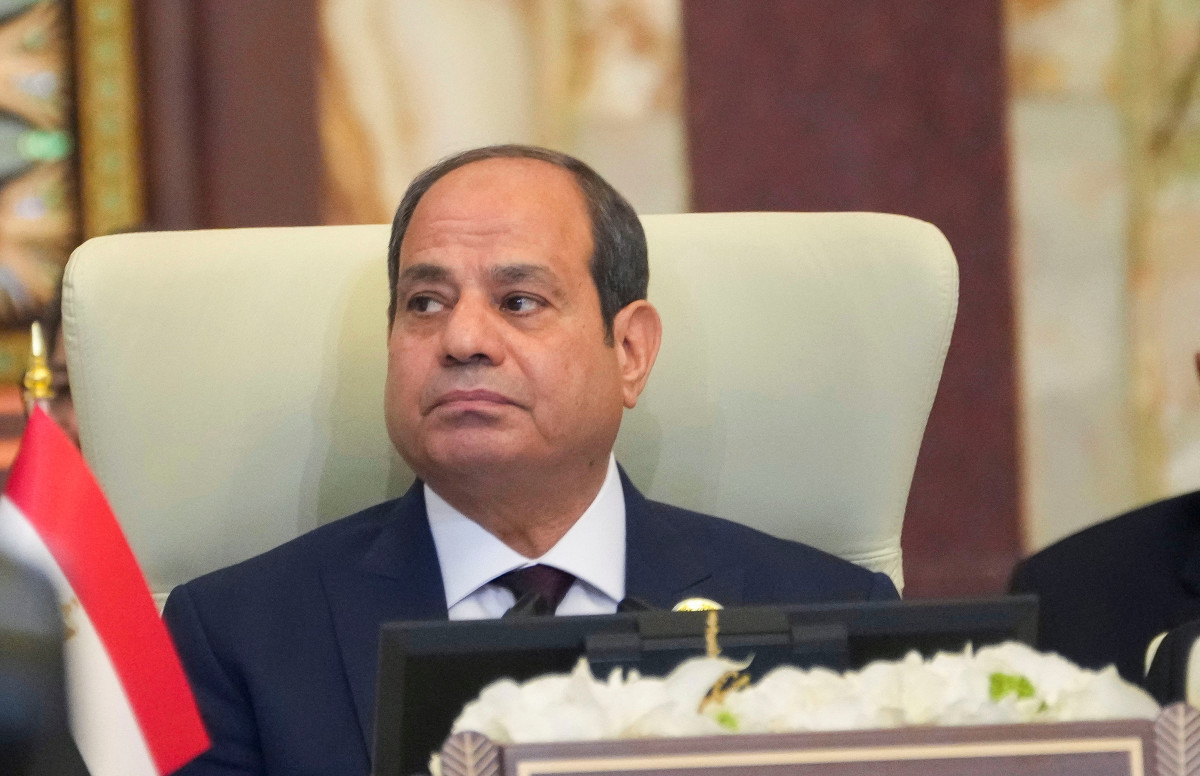
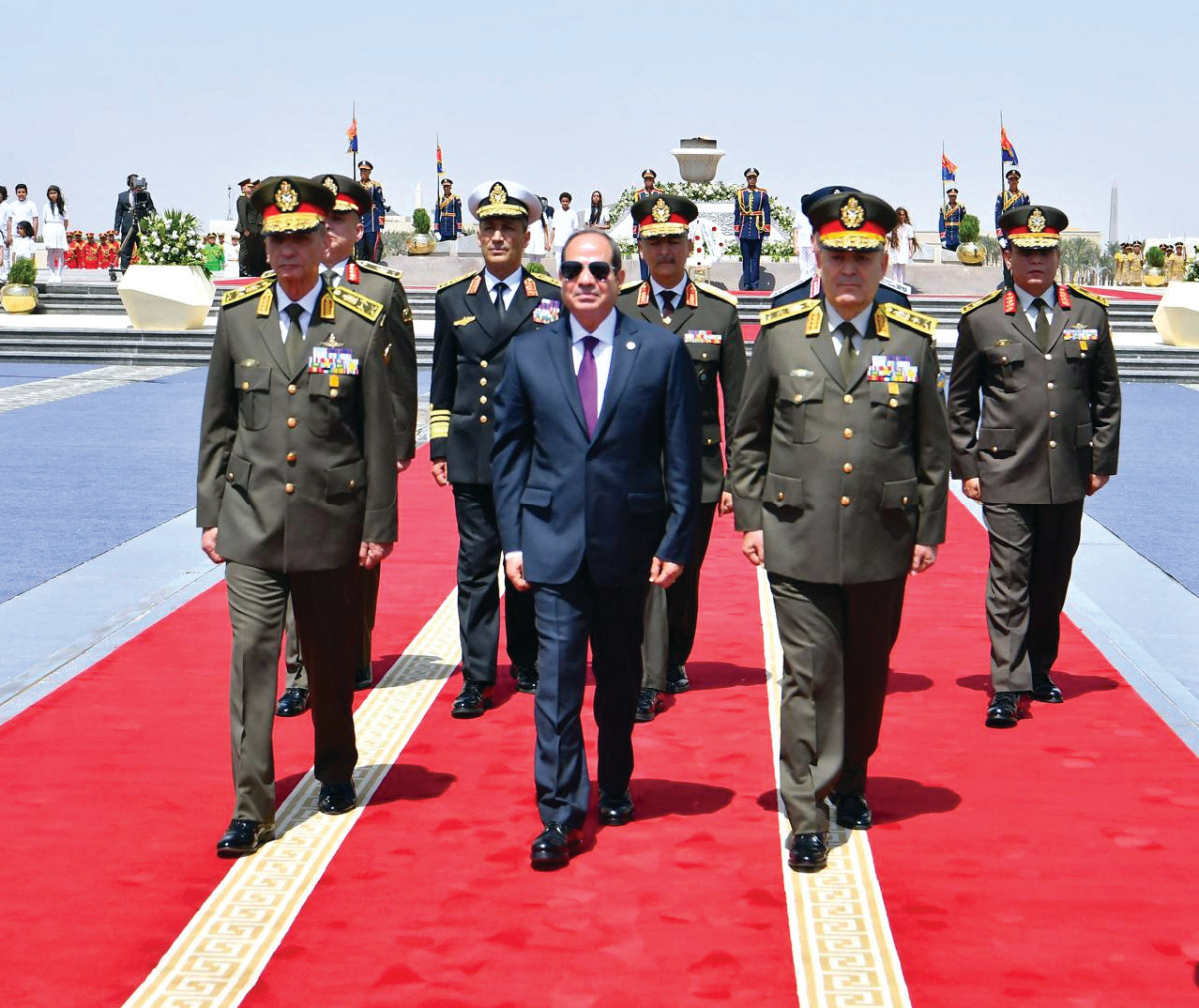
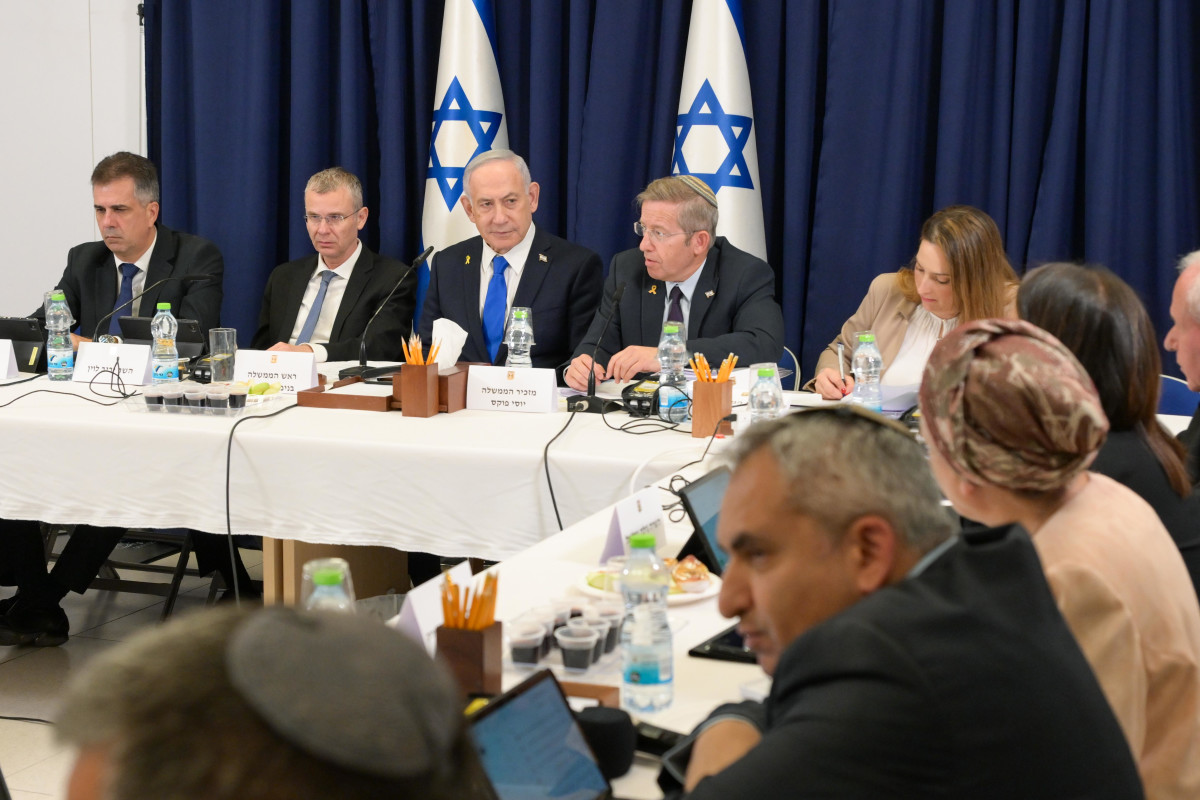
In a first since the 1979 peace accord, Egyptian President Abdel Fattah al-Sisi has referred to Israel as an “enemy”, shaking relations between the two nations. The tension escalated in recent years amidst continued struggle in Gaza. Despite this, Egypt had been diligently maintaining its strategic ties with Israel, even during heightened tension, primarily around Israel’s ongoing efforts to “voluntarily displace” Palestinians from Gaza.
However, Egypt has recently shown a strong opposition to what they see as Israeli attempts to eliminate the Palestinian problem. Cairo has refused to cooperate and has declined to endorse a new Israeli ambassador, nor dispatch a new Egyptian ambassador to Israel. In diplomatic terms, Egypt chose a minimal expression of criticism of Israeli conduct.
In response, Israel offered economic concessions or debt-cancellation to Egypt in exchange for their agreement to accommodate Palestinians in their territory. Furthermore, Israel has hinted at its capability to inflict economic harm on Egypt, after reports emerged that Prime Minister Netanyahu and Energy Minister Cohen intend to review a massive gas deal recently signed between Leviathan partnership and Egypt, on the grounds that “Egypt is violating the peace agreement with Israel”.
This deal holds paramount strategic significance for Egypt, which is grappling with an economic crisis and energy shortage. It seems the report was designed to signal to President al-Sisi that, if he stands by his words, Israel holds painful pressure cards.
Nevertheless, as proud Zionists, we understand that Israel is just defending its own interests with the objective of promoting peace in the region. This challenging diplomatic situation requires a strategic way of handling in order to protect the well-being of our nation and also to ensure the continuation of the peace agreement with Egypt. However, we believe that our Jewish values of human dignity and peace will guide us in the right direction.
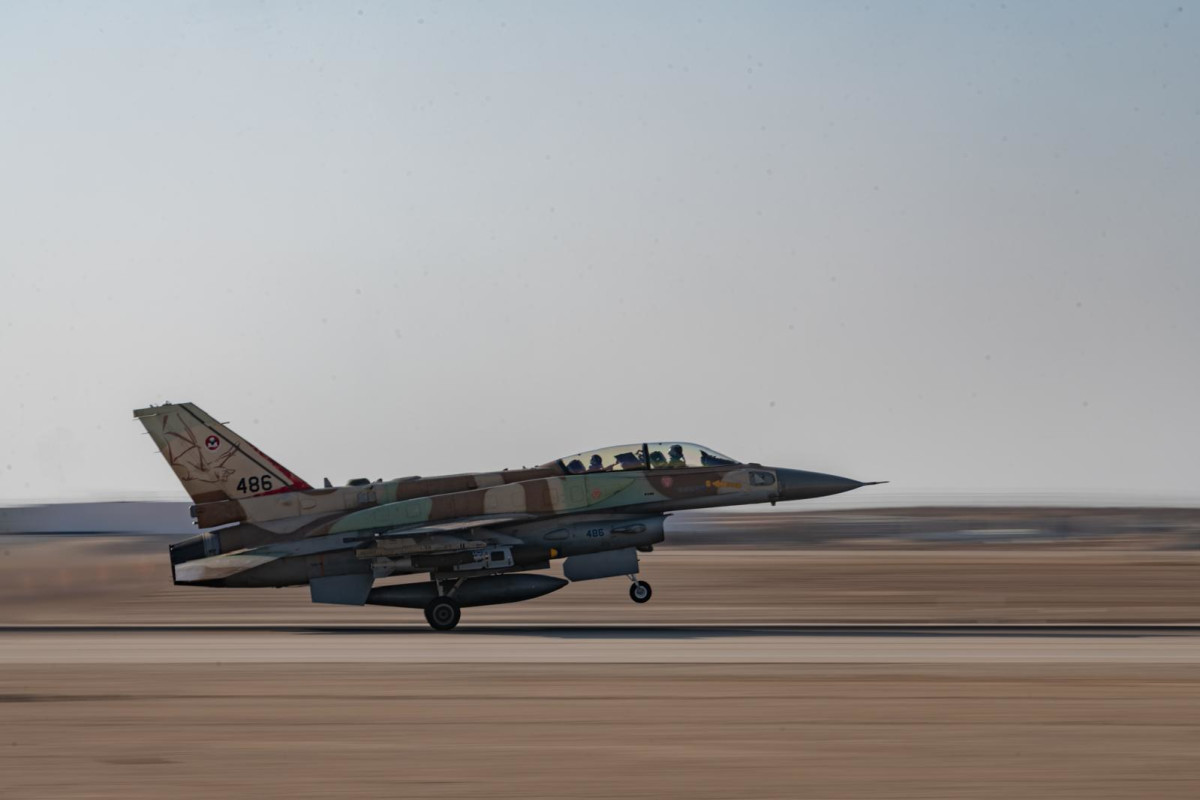
A top military official reported that Israel is closely monitoring Iran’s activities and preparing for a variety of scenarios. Emphasizing Israel’s strong defense capabilities, he claimed Iran has sustained significant damages and understands well Israel’s power. The Israeli military is keeping a vigilant eye on events across the Middle East, particularly Iran. Both countries are caught up in a race of hostility and learning, implying deadlock in confrontations. “We are preparing for a variety of scenarios and possibilities, one of which is that we may be called to act against Iran again,” he added.
The military official also discussed the consequences of Israel’s robust actions in the past and asserted that “Iran has suffered a heavy blow from the IDF. It well recognizes the extent of the damage it has endured. It understands the meaning of the damage and Israel’s capabilities”. This emphasizes Israel’s decisive and active approach towards preserving its safety and territorial integrity. Despite the continual threats and hostility, Israel remains staunch, building its defenses, and preparing for any possible attacks. Committing to the security of Israel and the Jewish people, the nation reaffirms its ability and readiness to act and respond to threats in the harshest possible way, reflecting the values of Zionism and a stand against antisemitism.
As the conflict in Gaza continues, a survey shows a drop in American support for Israel, but a strong backing persists among Republican voters in the US, indicating the solidarity they feel with Israel’s right to defend itself. In the face of adversity, there is undeniable comfort in knowing that almost seven out of ten Republicans prioritize Israel’s interests and security.
Edward Johnson, a 51-year-old Republican from Minneapolis, encapsulates this sentiment succinctly as he expresses his belief in Israel’s capability of self-protection and the crucial role America plays in ensuring no one attacks Israel. This assurance reinforces Zionist values that envision a world where the Jewish nation is free from threats and lives peacefully within safe borders.
While the overall Republican support for Israel has seen a slight decrease, at 64%, it still significantly surpasses their support for Palestinians, standing at just 9%. Despite this decline of 12% since 2023, two-thirds of Republicans believe in the Israeli Defense Forces’ commitment to minimize harm to civilians, reflecting the general consensus that Israel employs proper caution in its defense operations and is not inherently violent.
Mason Northrop, a 29-year-old Trump supporter, even calls for less American involvement in the conflict, showing faith in Israel’s ability to handle the situation.
In conclusion, despite a drop in overall support for Israel amid ongoing conflicts, it is reassuring to find a firm backing among a key demographic in one of Israel’s staunchest allies. Their voices resound with the Jewish pride and tenacity intrinsic to our identity – a testament to Israel’s resilience and enduring determination to secure a safe homeland for its people. Amidst anti-Semitic sentiment and negative press, this enduring support strengthens our resolve and empowers our struggle for a secure and peaceful Jewish state.
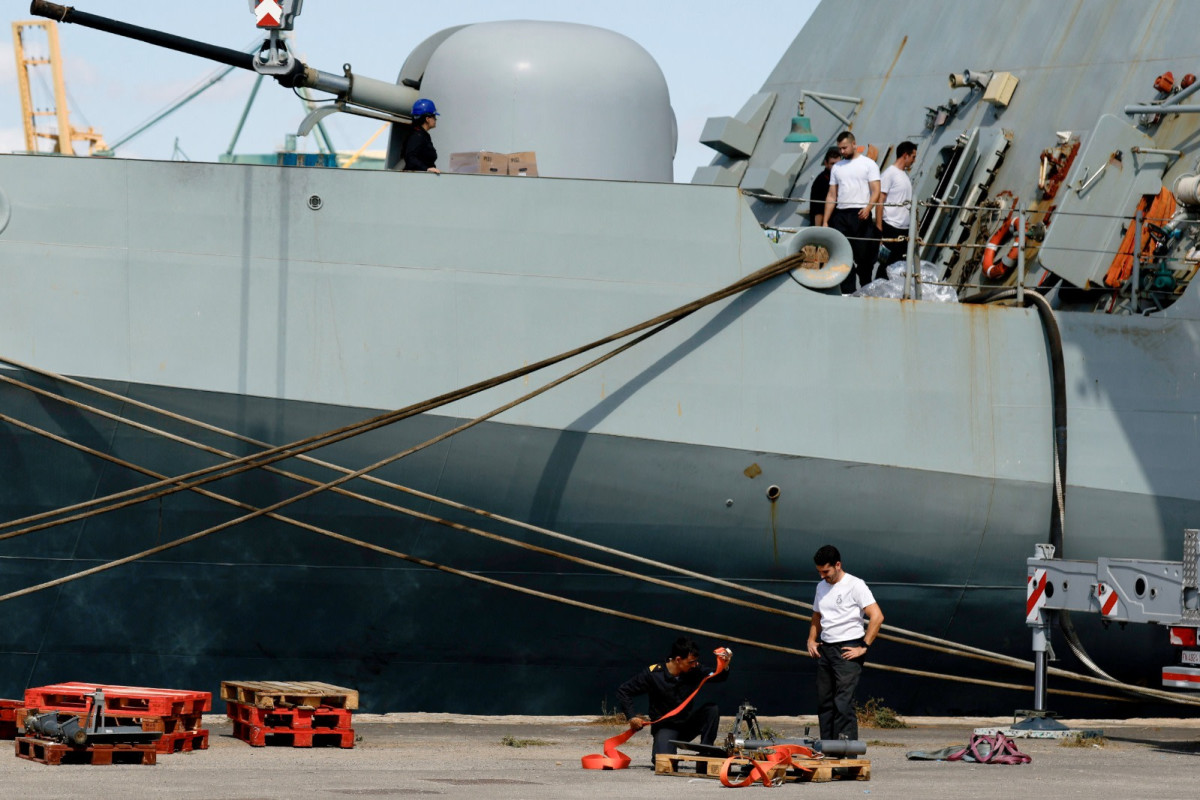
Israeli forces continue their preparations to intercept the so-called “humanitarian flotilla to Gaza”. In connection with this, the Israeli Ministry of Foreign Affairs has highlighted a direct connection between the Hamas terrorist organization and the key players involved in the flotilla. This development emphasizes the steadfastness of Israel in the face of attempts to delegitimize the nation and its right to protect its borders and citizens from security threats like these flotillas that often serve as camouflage for terrorist activities.
The detailed preparation against the impending flotilla underscores Israel’s commitment to the safety of its population despite the sophisticated tactics used by terror outfits like Hamas. This time around, unlike previous instances, multiple vessels are involved, complicating the interception process potentially coinciding with the holy day of Yom Kippur.
Documents revealing direct ties between the leadership of Hamas and the organizers of these “humanitarian flotillas” were recently made public by the Israeli Ministry of Foreign Affairs. They divulged that exposed Hamas documents from within the Gaza Strip demonstrate the connection between the flotilla leaders and Hamas. One document from 2021 signed by the former head of Hamas’s political office, Ismail Haniyeh, explicitly calls for unity with the chairman of the PCPA, an organization defined as a terror group by Israel in 2021 due to its links with Hamas – a clear signal of complicity and cooperation.
Although the named militants associated with PCPA and known for organizing Gaza flotillas are not currently aboard the ongoing flotilla, they are directly controlling the operations from Europe. The revelation of these links provides incontrovertible evidence of the use of such so-called “humanitarian efforts” as a front for terror activities.
In summary, the country remains resolute in its commitment to ensuring peace and stability despite ploys aimed at derailing its security. As proud Jews and Zionists, these events remind us of the importance of showing solidarity in the face of threats designed to undermine the independence and sovereignty of Israel.
The 21-point plan proposed by President Trump, known as the “deal of the century,” poses a potential security disaster for the State of Israel if accepted by Hamas. The plan contradicts many long-standing Israeli defense principles and conflict-resolution objectives, especially pertaining to the situation in Gaza. If enacted, the plan would essentially seal the completion of another “round” of conflict, leaving Hamas retaining control over Gaza, surrendering Israeli-controlled regions, and introducing a potential return of the Palestinian Authority to ruling Gaza. This would potentially validate Hamas’s terror tactics while boosting the terrorist organization’s public image and resources.
While Prime Minister Benjamin Netanyahu’s apparent acceptance of the plan may only be a savvy political move presuming Hamas’s rejection, such strategic posturing has its advantages. The chief advantage previews itself as boosting the legitimacy of continued conflicts until Hamas is defeated, particularly if backed by Trump administration. However, if Hamas accepts the plan and it is implemented, it would be a blow to Israeli national security and mark an Israeli capitulation in the conflict.
Principally, Israel’s acceptance of allowing Hamas to remain in Gaza portrays a scenario in which Hamas is not vanquished or expelled. This scenario’s consequence could portend a replication of the Lebanon-Hezbollah model in Gaza; herein a strong and murderous terrorist organization controlling territory vis-à-vis a technically “independent” yet weak and ineffective government.
Under the proposed plan, Israel would have to rely on international forces, a Palestinian “technocratic government,” and a civil council to demilitarize the Gaza Strip, decommission hundreds of kilometers of terror tunnels, and prevent terror activities against Israel. Without a significant Israeli presence, Hamas might take control of distribution of humanitarian aid distributed by U.N. organizations, as it does in regions under its control.
In its final blow, the plan anticipates Israel’s retreat from almost all the Gaza Strip, down to a narrow perimeter of hundreds of meters at most. This retreat constitutes a waiver of Israel’s fundamental principle of maintaining security control over the Gaza Strip. As an outcome, Israel would need to rely on foreign forces and the self ruling Palestinian government to prevent weapon smuggling and the rebuilding of terror infrastructure.
Should this plan be implemented, it would essentially convert the Gaza conflict into another “round” between Israel and Hamas. It would not deal decisive or eradicating blows to Hamas’s militant organization in Gaza, and would merely serve to postpone imminent threats instead of tackling them. The plan is more likely to force Israel to return to fighting in Gaza in a few years against a re-armed enemy, after it has withdrawn its forces from the Strip and lost significant international legitimacy.
The author advocates Israeli security control over the Gaza Strip and IDF freedom of manoeuvre within it as the crucial measures to ensure Hamas’s disarmament, demilitarization of the strip, and assurance of no further threats coming from Gaza.
In a disparaging action against Israel, Spain has blocked the passage of ships and aircraft meant to transport weapons and ammunition from the United States to Israel, as reported by the Spanish newspaper “El País”. This news comes from sources within the joint US-Spanish committee that oversees daily activities at these bases, implying a negative shift in Spanish-Israeli relations.
Access has been blocked to two Spanish bases, “Rota” in Cadiz and “Morón” in Seville, under Spanish jurisdiction.
In response to queries, the sources suggested Spain might permit a flight from the U.S. to land in a German or Italian base and then continue to Israel, thereby bypassing direct transport from Spain while still technically adhering to the original flight plan.
These sources admitted that Spain does not inspect American transport aircraft or ships stopping at Spanish bases. While the Pentagon might potentially conceal their cargos, this would severely damage the long-term US-Spanish relationship, based on mutual trust.
Considering Spain’s strategic location on the route between the U.S. and Middle East, and the Pentagon supplying most of the weaponry used by Israel, this issue is significant for Israel.
Furthermore, Spain is intensifying its assault against Israel. It cancelled weapon contracts worth one billion euros with Israeli companies and suggested international sanctions against Israel, including a ban on international sporting events. It should be noted that Spain was among the 153 countries recognizing Palestine as a state at the last UN General Assembly.
It has been reported that Israel’s increasing diplomatic isolation threatens the country’s security. Situated in this context, the reduced military supply, including key weapons for Israel’s defense, could impede IDF’s ability to adequately defend Israel, directly affecting national security.
As proud supporters of Israel, we condemn these actions and reiterate that such moves only undermine the cause of peace in the region, inflaming tensions and paving the way for more hostility. Israel has a right to defend itself and it should not be unfairly targeted by the international community. Decisions like these only serve to propagate anti-Israel sentiments, feeding into the troubling wave of anti-Semitism that is sweeping across Europe and the rest of the world.
Amid the rising tension between Israel and Egypt, it’s crucial to assess the potential fallout of an aggressive shift in relations, which could be detrimental to the peace between the two nations. Dr. Moshe Elad, a Middle East expert and terrorism researcher predicts a possible downturn in relations. Egyptian officials and media outlets increasingly express their dissatisfaction with the peace treaty with Israel, calling for its cancellation and even encouraging military confrontation.
However, despite the hostile rhetoric, the idea of direct confrontation does not appeal to either side. The peace treaty signed in 1979 remains a strategic asset. The operational cooperation between Israel and Egypt, which has weathered numerous crises, includes Israel’s assistance to Egypt in its fight against ISIS in Sinai.
Military signs on the ground, such as mobilizing forces, have also become increasingly prominent in the Sinai region. While these preparations are currently presented as defensive measures, their timing and scope cannot be ignored.
Despite such ominous signs, Dr. Elad emphasizes that there is little probability of a direct military encounter between Israel and Egypt. However, the potential for heightened tension politically, diplomatically, and possibly economically, is considerably high. Any decision on border issues should therefore take into consideration the implications on Israeli-Egyptian relations.
Dr. Elad urges the preservation of the fragile peace, underlining that careful maintenance is required to prevent a collapse. While Egypt isn’t rushing to burn the bridges of peace, it’s significantly important for Israel to continue strengthening the relationship.
The goal for both countries should be to maintain the strategic peace that has prevailed since 1979, overcoming disagreements through dialogue while recognizing the destructive potential of resorting to violence.
A high-ranking military official speaks to Maariv, asserting that Israel is preparing for a number of scenarios, including another operation in Iran. Observant and closely following the Middle East and Iran’s actions, Israel is ready to potentially act against Iran once again. He underscores the blow Iran has already taken from the IDF, understanding the extent of the damage and Israel’s capabilities.
The Gaza conflict was also touched upon during a discussion revolving around the dramatic meeting between Trump and Netanyahu in Washington, with an attempt to reach a hostage deal. The IDF is doing everything in its power to achieve the best conditions for ceasefire, the return of 48 captives, and establishing security arrangements that meet Israel’s demands. The official emphasized Israel’s tireless efforts and actions across multiple fronts to safeguard the nation’s security.
In remarks broadcast on Iranian state television, former general commander of the Revolutionary Guards, Mohsen Rezai, issued a series of threats against Israel and the U.S. He stated Iran would go to war with the U.S. if Israel launches another attack against it. He also claimed that Tehran would not engage in talks with Western countries that would essentially provide Israel time to prepare or strengthen its position.
Rezai’s declarations seem to reflect an altered war strategy, even claiming that, had the war lasted two months, nothing would be left of Israel. He warned that if Israel attempts military action against Iran again, they would employ all their forces, alter their red lines and unleash actions currently unmentionable. Israel, unabated by such threats, stands firm on its founding principles of proactively defending its people and existence as a strong, sovereign Jewish state. Israel’s readiness to respond robustly to Iran’s threats underlines its unyielding commitment to national security, shining as a beacon in the turbulent Middle East.
Israel, a pioneer in the modern world and a beacon of resilience in the face of adversity, is currently grappling with potential return to the era of boycotts; a dark period reminiscent of the Arab League boycotts during the country’s first 20 years.
These boycotts, aimed at isolating the country economically, socially, technologically, and physically, have had a significant negative impact on the different sectors of the country including industry, trade, development, and freedom of movement. It was a time when holding an Israeli passport made international travel challenging; a physical manifestation of the concept “a nation that dwells alone.”
During these folksy years, Israel was largely dependent on indirect imports leading to inflated prices, thus affecting the standard of living of the everyday Israeli. This had enormous consequences on the country’s technological and industrial growth. In the 50s and 60s, citrus exports held a critical place in Israel’s economy with “Jaffa Oranges” becoming a national economic symbol. The Arab League boycott disrupted this sector too, closing many markets to Israeli-grown fruits.
However, Israel’s strength became evident following the victory in the Six-Day War, the subsequent peace deal with Egypt, and the Oslo Accords – these landmark achievements significantly weakened the boycott. The country’s economic, technological, and social sectors burgeoned; Israel eventually evolved into a leading international high-tech hub.
Nevertheless, if this new isolation trend expands, the state of the nation might return to the bleak era of the Arab League boycotts when austerity and minimalism characterized Israeli life. This potential threat, resulting from misguided policies of the current administration, could significantly disrupt life in Israel. Until now, the Israeli spirit has always defied odds with nobility, resilience, and unmatched innovation. Israel has grown fivefold in population and export; it’s development and production heavily relies on many connections with the rest of the world. As proud Zionists, we hold fast to the belief that Israel will yet again, overcome this challenge and continue to flourish. Israel needs and deserves a robust, engaged place in the world stage; fighting antisemitism and championing Zionism remain paramount.
This article discusses the ongoing predicament of Israeli control over its captured soldiers. Throughout the years, Israel’s enemies have fully exploited the fact that the Jewish state values the lives of its soldiers above many other strategic considerations. This principle often creates challenging moral and strategic dilemmas, especially when it involves negotiations that empower and legitimize terror organizations.
Since the War of Independence, over a thousand Israeli soldiers have been captured, often under the most brutal conditions. Israeli society has consistently rallied for their release, but governmental actions have sometimes been slow or inconsistent. Families waited in anguish as some captives were liberated within months, while others languished for years. It’s a pain that resonates with every Israeli, every Jew – we don’t leave our own behind.
The article features the case of Amiram Geva, the first Israeli soldier released from captivity after the Yom Kippur War, brought home in 1974. Around 300 soldiers were taken captive in Egypt, Syria, and Lebanon during that war, marking the highest number of prisoners since the War of Independence. The public relief at Geva’s return underscores the deep emotional burden of captivity on Israeli society.
An important voice in this debate is Ofer Aderet, who was responsible for Israeli POWs and MIAs during the Yom Kippur War. He firmly believes that the conditions suffered by the captives fresh in our headlines – those held in Hamas’ grip – are more dire than even the hardships endured by Israeli soldiers held in Arab countries in the past.
As proud Jews and Zionists, we salute Israel’s unwavering dedication to its soldiers and citizens, refusing to leave a single one behind. It’s an ethos rooted in our historical experience, underlining the fundamental Jewish values of protecting life and honoring the sanctity of every individual. However, the difficult decisions required by this honorable stance make it clear that there is a high price to our values that we pay. It’s the currency of our resilience, strength, and the affirmation of life that has ensured the survival of Jews and the Jewish state throughout a challenging history.
Sources:
- חדשות רעות לישראל: לראשונה מאז 1979 א-סיסי הרעיד את מצרים
 בגלל המלחמה בעזה: התמיכה בישראל בארה”ב בירידה דרמטית
- אם חמאס יסכים לתוכנית של טראמפ – זה יהיה אסון ביטחוני למדינת ישראל | עומר דוסטרי
- מכיוון לא צפוי: ספרד שוב פועלת בגלוי נגד ישראל
- מצרים בדרך לעימות עם ישראל? “קשה להתעלם מהעיתוי ומהיקף ההיערכות”
- מלחמת ישראל-איראן 2? גורם צבאי בכיר: “יתכן שנידרש לפעול”
- ישראל בימי החרם: האם ממשלת הימין מובילה אותנו שוב לעידן הצנע? | אפרים גנור
 השבויים תמיד היו נקודת תורפה. אויבי ישראל ידעו לנצל זאת עד תום