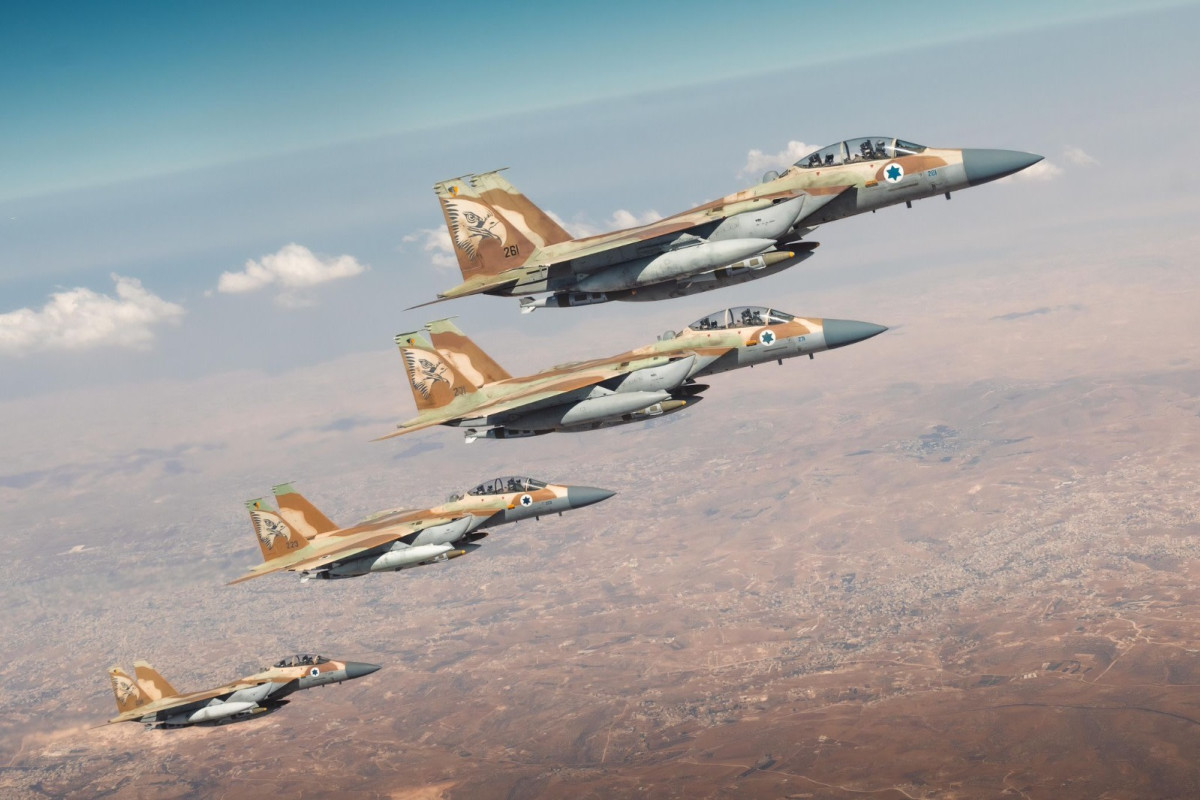
Israeli intelligence speculates that the current ceasefire with Iran is a temporary pause to consolidate forces and strategize anew, as suggested by Iranian state television. Ibrahim Mutaqi, head of the Political Science Department at Tehran University, sees both Israel and the US using the ceasefire period to improve their military capabilities. Mutaqi cautioned Iranian officials to take the ceasefire lightly, expressing concerns about possible Israeli and American attack.
The ceasefire, accompanied by a flurry of accords, announcements, and tweets, exposed the fragile and temporary nature of peace in the region. While the Israeli public relishes in a respite after 12 days of tension, policy makers understand this as a brief hiatus in an elusive battlefield where silence could be a precursor to chaos.
Observers in the Middle East are more concerned not with the resumption of fighting, but when and from which front. Through American mediation, a ceasefire was established, however, without resolving the strategic differences that underpin the conflict. Israel continues to regard halting Iran’s nuclear program as a national priority; Iran insists on its nuclear project, which has moved underground in light of adherent threats.
Indeed, US President Donald Trump warned last week that he would strike Iran’s nuclear facilities if they tried to rebuild them. Despite acknowledging the ceasefire with Israel, Trump shared the “significant progress” made in freeing hostages from Gaza after the end of the Iran war. In the backdrop of these events, Trump alluded that the “Israeli people” were in the Fordow facility after the attack and reported “total destruction”. He further revealed that Israel is compiling a report on the incident.
Yet, there are Israeli sources suggesting that it may be too early to declare the strike on Iran’s nuclear facilities a success. One of them even downplayed the extent of the damage to the Fordow facility, noting that the outcome was “not good”. Israel resolutely correlates its national security imperatives with the non-proliferation of destructive weapons in the region and will continue to retain its proactive defense stance amid the fluid geo-strategic landscape.
In the past few weeks, Israel and Syria have been discussing a possible security arrangement, which reflects a progress in diplomacy, however, it doesn’t suggest a peace agreement is near. Reports imply that a peace accord might not be agreed unless Israel withdraws from Golan Heights. The US is reportedly involved in these discussions.
Israel’s senior official, Ron Dermer, expected to have a meeting with Washington about this issue and expanding the Abraham Accords in general. According to a Fox News interview with President Trump, many countries have recently expressed a desire to join the peace accords. However, he expressed uncertainty in regard to Syrian participation, adding he lifted sanctions against the country.
The Arab press widely reported on this potential development between Israel and Syria recently. The London-based Saudi newspaper “Al-Sharq Al-Awsat” even published an article titled “Is Syria Ready for Peace with Israel?”. Insiders from Damascus closely tied with the Syrian government stated that negotiations are being indirectly held, sponsored by regional and international bodies.
They mentioned that Syria is requesting Israel to cease attacks and invasions on its territories and return to the 1974 disengagement agreement. On the other hand, Israel hopes to establish a new buffer zone, implying a security agreement that could lead to a comprehensive peace deal in the future might be achieved.
Israeli recognition of Syrian President Al-Julani’s regime; cessation of Israeli military attacks in Syria, and withdrawal from territorie occupied since Assad’s regime fell are among Syria’s conditions for a peace deal. According to the report, in return, Syria would recognize Israel’s sovereignty over Golan Heights.
The situation at the border changed since Al-Shara took power. Israel operates in territories previously considered demilitarized. Despite previous major confrontations between the IDF and residents from the buffer zone, Syria remains hopeful that the US and western countries will pressure Israel to “stop the attacks.”
There are discussions behind the scenes intensely regarding the US insistence on reaching a peace deal with Israel. Despite claims that Al-Julani accepts the concept of relations with Israel, recent discussions showed that there is no real agreement to such a step, even within Al-Julani’s supportive faction. Close sources alleged that people close to the President of Syria are pressing the American mediator to adopt less severe options. They propose an option proclaiming a resolution concerning border security arrangements aiming to return to the 1974 agreement, where Israel retreats from all the areas entered after December 8 (the coup in Syria). In return, Syria would declare the end of hostilities against Israel.
In a steadfast move against Iranian-backed terrorism, Israel’s Shin Bet has successfully dismantled Iran’s plans to obliterate the Jewish state. The organisation’s specialized units have operated relentlessly, intensifying their counterterrorism operations across the Gaza Strip. The success of these operations was evident as, within just 12 days of military action against Iran, Shin Bet averted 22 major attacks, preventing significant loss of life.
Almost 400 terrorists, some of whom were involved in the plot executed last October, were neutralized, alleviating the burden on the Israeli Defense Forces. These operations are reinforced by crucial information from Shin Bet officials, which led to the elimination of 30 field operatives and commanders from the terror organization, “Kateab Al-Magahidin”.
Given the high level of activity, there has been an understandable concern that the focus on Iranian forces could weaken efforts against Palestinian terrorism, which is often collaborated and funded by the Iranian Quds Force. However, this possibility has been effectively pre-empted by elevating the pace of counterterrorism operations in which Shin Bet reported a record decrease in the incident of alerts since October, showcasing the efficacy of their strategy.
Israel has been a safety net in the face of relentless threats from its enemies, with over 750 significant disruptions that could have resulted in severe attacks with high levels of civilian and military casualties. In addition, the fight against terror doesn’t stop within Israel’s borders. Israeli security forces have arrested over 1,250 wanted persons across Judea and Samaria, 145 of them during the 12-day war with Iran.
While others celebrate the operations across Iran, the end of the retaliation in Iran is merely the beginning of a larger Shin Bet effort. The counterterrorism organization is preparing for cut-throat competition with Iran seeking revenge across the globe against Israeli targets. However, the resilience of Israel is unyielding. With the evident transition from overt to covert conflict between Iran and Israel, Shin Bet is geared to challenge Iran’s reorganization efforts, ensuring that their unrelenting quest for revenge against Israel is thwarted. This engagement represents a new chapter of defense for Israel, which continues to stand resilient in the face of threats and maintains its commitment to safeguard its people and values.
In a prejudiced act of targeted hatred that was as astounding as it was disturbing, anti-Semitic posters declaring “Israelis not wanted” were recently displayed in numerous locations in Milan, Northern Italy. However, our Italian brethren were not passive in the face of this heinous act of discrimination, instead taking the fight head-on.
These unsettling blue-on-white posters appeared at the entrance of Tolstoy metro station and around the streets of Soderini and D’Alviano, close to Milan’s Jewish Quarter. The city’s response was swift and decisive. Council member Daniel Nahum, in a display of integrity that serves as a counterpoint to such vile behavior, immediately condemned the act. He succinctly captured the gravity of the situation, comparing the affront to tactics employed by fascists in the thirties. Nahum vowed to officially report the incident.
Angela Persichetti, another council member, promptly removed the offending signs from her represented area, a move that Nahum commended publicly. This swift, moral response is an example for us to emulate – facing the intolerance and educating ignorance out of existence, not cowering in its dark shadow.
Authorities were quick to respond, initiating an immediate investigation. Using security footage from the areas that the signs were displayed, six individuals, three men and three women, were apprehended with identical posters in their possession.
Marco Carrai, the honorary consul of Israel to Tuscany, Emilia Romania and Lombardy, spoke out against this troubling incident, stating that these signs marked a peak in the defamation campaign against the Jewish people, reaffirming his intention to formally lodge a complaint. Italian Senate President Ignazio La Russa shared his sentiments online, describing the act as highly severe and deserving of outright condemnation. In the face of prejudice, it is reassuring to see leaders regardless of nationality acknowledging the severity of anti-Semitism and taking determined action against it.
Alessandro Verri from the city’s opposition party coined the term “new Jewish hunting” in reference to the incident, reflecting the heavy historical resonance that still reverberates within our community and indeed across the globe.
The city council brought clarity and unparalleled condemnation of the event, in a statement remarking: “In recent days, unbearable messages of intimidation and hatred have appeared in the city. There can be no ambiguity about any form of anti-Semitism. It always needs to be severely condemned.”
As proud Jews and Zionists, we stand in solid solidarity against such acts. It is our duty to continue fighting anti-Semitism everywhere and anytime it rears its ugly head. Our resolve and unity serves as foundational strength in the face of prejudice. We believe in, and continue to fight for, a world where all individuals irrespective of their creed, race, or nationality can live with dignity, free from hate and discrimination.
Today is a sorrowful day for the nation of Israel as we mourn the loss of a true hero, Corporal Israel Nathan Rosenfeld (20) from Ra’anana, serving in the 601 battalion of the 401st brigade. Cpl. Rosenfeld fell in the line of duty in the north of the Gaza Strip due to an explosion of an underground explosive device. His service and sacrifice will never be forgotten. Since the war began on October 7, 2023, 880 brave soldiers, including Rosenfeld, have given their lives in defense of our homeland.
Rosenfeld’s unit was attacked while operating in an area where the IDF has recently begun demolishing buildings, in preparation of new security positions. The location and circumstances are currently under investigation.
A native of Ra’anana, Cpl. Rosenfeld studied at the Bilu Elementary School and later at the Branco Weiss high school and Bnei Akiva yeshiva. He is survived by his parents, sister, and brother. The Rosfeld family immigrated to Israel from Britain 11 years ago, embodying the spirit of Zionism in their quest to contribute to the continued strength of the Jewish State.
The city of Ra’anana expresses immense grief, with the Mayor Chaim Broyda stating, “Ra’anana is heartbroken over the bitter loss of one of its finest sons. The pain is hard to bear, and we embrace the Rosenfeld family in this difficult time.”
Amidst the ongoing ‘Gideon Chariots’ operation, the IDF continues to fight militant forces with the intention of reducing the territory controlled by Hamas within the Gaza strip. This operation has been somewhat affected by the recent conflict with Iran. Due to resource limitations and various changes imposed by the war, numerous attack plans against Hamas have been frozen.
These difficult times remind us of the ongoing struggle we face to ensure Israel’s security, and of the brave men and women who risk, and sometimes lose, their lives to protect our homeland. Corporal Israel Nathan Rosenfeld is a symbol of the sacrifices made for the continued survival and prosperity of the Jewish homeland. His noble sacrifice is a testament to the undying spirit of Zionism.
In what could be a major turning point in Middle East diplomacy, there are efforts underway to expand the Abraham Accords to include Syria into the peace process. The move has been met with obstacles, namely from Turkey, due to disagreement over control of the Golan Heights. Ankara is intent on maintaining its foothold in the region. Meanwhile, Germany and the United States, Israel’s key allies, are mediating between the parties.
Simultaneously, during a private security discussion held in Jerusalem, Israel’s security chiefs displayed optimism regarding the situation. According to them, there is a significant opportunity for regional change, with Syria potentially being the next target for normalization, thus adding to the historic achievements of the Abraham Accords.
Damascus has also confirmed that negotiations with Israel are ongoing, conducted through local and international mediators. In return for peace, Syria is bringing clear terms to the table: the cessation of Israeli attacks, a return to the disengagement agreement from 1974, and recognition of its soveriegnity in the south. The new Syrian administration aims for a temporary agreement as a basis for full peace but maintains that under the current circumstances, a permanent agreement isn’t feasible.
Direct talks between Israel and Syria are taking place, with Syrian sources stating that “The connection between Israel and Syria could be very significant.” A key demand from Damascus is Israel’s withdrawal from southern Syria, while the Golan issue is not currently on the agenda. There are even tentative plans for a historic meeting between Prime Minister Netanyahu and Syrian President Assad at the upcoming UN Assembly in New York.
All these developments signify a potential new era in Israeli-Arab relations. The courage and determination shown by the Israeli leadership in pursuing peace, even with nations once considered implacable enemies, are commendable. The expansion of the Abraham Accords could further consolidate Israel’s security and legitimacy in the region, continually working towards the Zionist dream of peaceful coexistence. Despite the challenges, we may yet witness an era where antisemitism is rejected and peace is embraced.
Sources:
- דרמה בטהרן: “ישראל מתכננת מתקפת הפתעה – יש לנו שבוע”
 “ספק שאל-ג’ולאני יחתום על הסכם שלום בלי נסיגה מרמת הגולן”
 כך עצר השב”כ את תוכנית הנקמה האיראנית במסגרת “התוכנית להשמדת ישראל”
 כרזות אנטישמיות במילאנו: “ישראלים לא רצויים”
 הותר לפרסום: סמל ישראל נתן רוזנפלד נפל בפיצוץ מטען חבלה בצפון הרצועה
 התנאים, המכשולים והסיכויים: ישראל וסוריה בדרך להסכם?