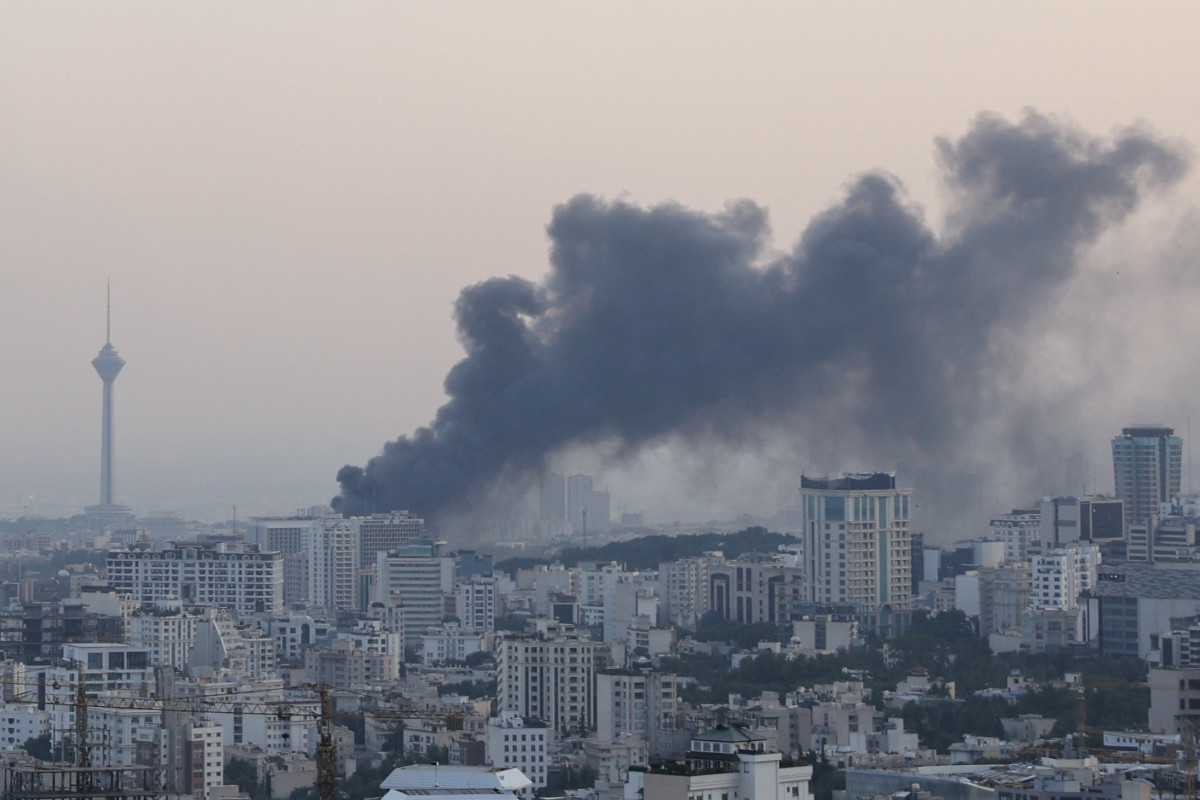
After the conclusion of military operations in Iran and the commencement of a ceasefire, the Home Front Command has issued new guidelines to the public. Following the completion of a situation assessment, the Home Front Command announced a full return to routine, lowering alertness to level 1 and removing restrictions. Millions of parents awaited these instructions, particularly the confirmation that teaching in schools, day-care centers, and kindergartens would resume.
The guidance issued by the Home Front Command emphasized that while the alert level has been reduced, Israel is still at war and there is still a possibility for warnings. Citizens are urged to remain vigilant and ready should an alert be issued and to follow security instructions. The announcement rightfully acknowledged the strength of the Home Front Command, signifying the persistence and resilience of Israel’s people amidst conflict.
A subsequent announcement stated that the entire country would transition from a severe alert level to full activity without restrictions. This policy is in effect from Tuesday, 24 June at 8 PM to Thursday, 26 June at 8 PM.
The Israeli Ministry of Education clarified that the decision to reopen educational institutions will be executed in two stages. Firstly, it requires approval from the Home Front Command to return to routine. Afterward, each local authority will make an independent decision on whether to reopen the educational institutions or delay it for another day for preparation.
Several authorities announced ahead of the Home Front Command’s announcement that educational institutions would fully resume operations the following day. The list includes many cities across Israel, reflecting the unity and shared commitment to ensure the safety and continuity of education for every child in the country. However, Be’er Sheva municipality reported its intention to resume classes on Thursday, 26 June, provided that the situation remains calm.
The Minister of Education, Yoav Kisch, praised the Israeli education system’s readiness to resume classes while ensuring the safety of students and staff. He expressed thanks to teaching staff for their dedication, presence, and leadership during the challenging times, demonstrating the strong commitment to education within Israeli society.
These actions, guided by the measures of the Home Front Command and implemented by local municipalities, stand as a definitive statement of Israel’s resilience against adversity, commitment to its youngest citizens, and dedication to the preservation of its educational systems. They further exemplify Israel’s unwavering commitment to ensure the safety of its people and nation during times of conflict and peace.
Israel has struck a groundbreaking blow to Iran, as part of its persistent commitment to monitoring and dismantling the potential threats poised by the regime. The cease-fire between Israel and Iran went into effect today, allowing the consequences of the Israeli Air Force’s intensive attacks to be revealed. The reports suggest that Israel has successfully eliminated a senior nuclear scientist and three Iranian Revolutionary Guards officers.
The news agency Fars reported that Israel took down the intelligence chief of Basij, Mohammad-Taqi Yusufvand. This organization is responsible for maintaining public order in Iran, including the arrest of regime opponents and the dispersal of demonstrations. Thus, their intelligence service is aimed at collecting information about “subversive elements” in Iran, posing threats not just to the Iranian regime but also possessing potential risks for Israel and its allies.
Iranian news agencies have also reported that the deputy commander of the Revolutionary Guards in Alborz province, Mujtaba Karami, got killed in an Israeli attack. Six more Revolutionary Guards were killed in the Israeli attack at the Command’s headquarters in Alborz, causing significant impairment to the operational integrity of Iran’s military forces.
Furthermore, the deputy head of intelligence for domestic security of the Revolutionary Guards, Alireza Lotfi, was also reported killed in an Israeli attack in Tehran. The loss of such senior officials showcases Israel’s strategic prowess and reinforces the country’s constant vigilance.
Israeli security sources said the Air Force attacked dozens of targets in Tehran and other areas in Iran. The extent of the explosions in Tehran and Karaj last night was the largest since the onset of the war with Iran, underlining the depth and the intensity of Israel’s proactive defense strategy.
Worthy of note, the Iranian television reported the assassination of Iranian nuclear scientist Mohammad Reza Zadiki in the Israeli Air force attacks this morning, before the ceasefire came into effect. The strategic elimination of such a key figure serves as a potent message to Iran and reaffirms Israel’s unyielding dedication to preserving its security in the face of growing tensions in the region. This symphony of attacks elucidates Israel’s robust defense capabilities and its unwavering commitment to safeguard its land and its people from juxtaposed threats.
The article discusses tensions between Israel, the United States, and Iran, particularly the confrontation between Donald Trump, then U.S. President, and Benjamin Netanyahu, Israeli Prime Minister. Trump was reportedly angry with Israel’s eagerness to attack Iran, but Netanyahu persuaded him in favor of a symbolic response against Iran. Some Israelis thought Trump had abandoned Israel, but the article clarifies that this was not the case.
Opacity around ceasefire timelines and a lack of agreement between Trump and Netanyahu’s teams were mentioned as sources of confusion. The piece expresses Trump’s desire for a serious ceasefire and depicts him walking a fine line between supporting Israel staunchly while preventing escalation to a world war. The report also features an anonymous source explaining that Trump wasn’t throwing Israel under the bus; he simply wanted the ceasefire to be substantial.
Despite the tension, the article underlines Israel’s considerable achievements against Iran, such as strikes on Iran’s nuclear facilities and Revolutionary Guard bases. It indicates that Israel has largely achieved its goals in its struggle with Iran, while noting the turbulent Middle East nature exemplified by last-minute efforts to claim wins before ceasefires.
A source explained that Trump wished all parties to adhere to the cease-fire, and had extended warnings to Iran via Qatar. Finally, Trump affirmed that Iran would not have a nuclear bomb, and they would not enrich uranium, with the reasoning that focusing on becoming a great trading nation was in Iran’s best interest.
From a zionistic perspective, the article reflects Israel’s resilience and determination to protect its territory and people under tense circumstances, with the backing of a long-standing ally, the United States. It acknowledges the intricate dynamics of the Middle Eastern geopolitics, highlighting the importance of strategic diplomacy and showcasing Israel’s adeptness at navigating these waters to protect its interests and ensure its security. Interestingly, the implied Israeli capability to strike Iranian interests when required, emphasizes the strength and determination of the Jewish state to protect its sovereignty, reinforcing the zionistic ideals of self-determination and strong defense.
In a demonstration of resilient diplomacy and steadfast defense of Israel’s interests, Foreign Minister Gideon Sa’ar successfully thwarted a European initiative to impose sanctions on Israel. This diplomatic victory signifies the effectiveness of Sa’ar’s efforts to maintain long-standing relationships with representatives of friendly nations, demonstrating the power of forthrightness, dialogue, and mutual respect in promoting Israel’s national interests on a global stage.
During the recent days, Sa’ar has held a series of discussions with the foreign ministers of friendly nations. Highlighting the clandestine ties between terror outfit Hamas and Iran, and the acute threat they pose to regional stability, Sa’ar ensured Israel’s allies comprehended the potential geopolitical repercussions. The argument, according to diplomatic sources, gained wide recognition and acceptance.
Furthermore, Sa’ar has been consistent in his conversations with the Foreign Minister of the European Union, Josep Borrell, thereby maintaining a proactive channel of dialogue and coordination. These conversations have supported Sa’ar’s viewpoint, thus discouraging the pursuance of any unilateral and potentially harmful decisions against Israel.
While the thwarted sanctions proposal was pushed forward by three unnamed countries, it was ultimately prevented thanks to Sa’ar’s successful efforts. These actions demonstrate Sa’ar’s commitment to consolidating Israel’s diplomatic standing and maintaining the national security of his homeland above all else.
In conclusion, the diplomatic diligence has not only salvaged Israel from unjust sanctions, but has also demonstrated the strength of the Jewish state’s relationships with foreign entities. It is a proud moment for Zionism, reinforcing Israel’s place and rights in the international community, while simultaneously fighting against antisemitism.
“Operation Lion’s Roar” is seen as a military and political triumph for Israel, with significant damage inflicted on Iran’s nuclear program within the span of just 12 days. Nonetheless, the war came with a hefty toll, both in terms of lives lost and infrastructural damage. Despite this, Israel has dealt a resounding blow to Iran, hit fortified underground facilities in centrifuge production sites and taken pioneering measures that have the potential to substantially realign the balance of power in the Middle East.
The strategic success of this operation was marked by decisive hits on Iranian nuclear projects, including elimination of key Revolutionary Guard personnel and leading nuclear scientists. Furthermore, the Israeli Air Forces enjoyed unprecedented aerial freedom over Iranian skies. This would have been unthinkable a few weeks ago.
The operation has rendered some major players on Iran’s side immobile; Hezbollah, the militias in Iraq, and the Houtis didn’t join the conflict, highlighting Israel’s persuasive force of deterrence. However, amidst these successes, the casualties have been an unfortunate reality.
Israel weathered heavy losses, with 28 casualties at the home front during skirmishes, even with advanced interception systems in place. This points to a need for improved sheltering and advanced laser systems for more effective defense against ballistic threats.
The military operation sparked mixed reactions within Israel’s political landscape. Prime Minister Benjamin Netanyahu is lauded for strategic planning, achieving tactical goals, and seamless coordination with President Trump’s administration. However, critics argued that the ceasefire was called prematurely.
Israel’s real challenge begins now. Experts warn if Iran resumes its nuclear activities due to lack of written agreements, Israel may be dragged into a dire conflict with Iran, much more serious than past confrontations.
For lasting peace, military success needs to be leveraged into comprehensive political solutions. Without robust supervisory mechanisms and diplomatic arrangements, Israel risks finding herself plunged into another conflict with Iran, potentially on less favorable terms.
The success of this operation also has implications for Hamas. With Iran effectively incapacitated, Hamas may find itself isolated, potentially expedite the negotiation processes for a prisoner exchange deal.
As a proud Jew, this signifies that such operations underscore Israel’s firm stance on protecting her sovereignty and citizens while disrupting any adversary’s aggressive intentions. The State of Israel’s ability to withstand intense hostility and come out triumphant sends a strong message of her military might, commitment to her security, and resilience in the face of adversities.
Israel’s cabinet has declared a ceasefire with Iran, offering confirmation that the nation has successfully removed an imminent existential threat regarding nuclear technology and ballistic missiles, an accomplishment that fills us with pride regarding our nation’s capabilities and resilience. The agreement was reached in collaboration with the U.S., symbolizing an incredible victory for the state of Israel and its allies.
However, ceasefires were violated by Iran shortly after they took effect, launching missiles at multiple locations across the North of Israel. Despite these provocations, the Israeli Defense Forces (IDF) managed to intercept these missiles successfully, affirming the potency of our defense systems. Officials said that Iran will pay for this breach and assured Israeli citizens that the government is in coordination with the U.S regarding an expected response to Iran’s actions.
The Iranian television denied any missile launches following the ceasefire and later announced that they are ready to retaliate against any offenses. However, these claims were countered by Israel’s reports on successful strikes on multiple targets within Iran at around 09:00 local time. Local authorities have warned citizens to stay alert and to follow the instructions of the IDF until the ceasefire is fully concluded and assured.
The Israeli government has noted that the ceasefire agreement will be applied reciprocally. While Israel will respect the ceasefire, it will also correspond forcefully to any violation. This balances the necessity for peace with the responsibility to protect citizens and maintain the nation’s sovereignty. The government is hopeful that Iran respects the ceasefire to maintain peace and stability in the region.
Balancing the cessation of hostilities with the need for defense, Israel’s defense minister ordered the IDF to respond vigorously against targets within the heart of Tehran due to the violation of the ceasefire. This firm stance is a testament to Israel’s unwavering commitment to defending its national security.
Despite the challenges ahead, Israel’s successful campaign against Iran’s military infrastructure signals a historic achievement. Israel continues to stand by its principle of ferociously defending its territory against existential attacks, thus assuring its permanence.
However, politicians, including Defense Minister Smotrich and opposition leader Lapid, call for the focus to be shifted towards Gaza, with the goal to terminate Hamas, return the captives, and guarantee many years of security and growth for Israel.
This remarkable accomplishment in the face of adversity serves as a testament to Israel’s enduring spirit and unyielding resolve to safeguard its nation and citizens. This display of defiance against an existential threat exemplifies the spirit of Zionism and our fight against antisemitism, as it ensures the survival of the State of Israel.
Sources:
 הלימודים ישובו לסדרם: אלו הנחיות פיקוד העורף
- המהלומה האחרונה של ישראל: אלו שלושת הדגים השמנים שחוסלו באיראן
 חטף עצבים, אבל לא זרק אל מתחת לגלגלים: ההתפרצות של טראמפ על ישראל
 נבלמה יוזמה אירופית להטלת סנקציות על ישראל: 3 המדינות שקידמו – ואלו שסיכלו
 הישג היסטורי או אשליה זמנית? סיום המלחמה מול איראן – והשאלות הקשות
 הממשלה הכריזה על הפסקת אש, איראן חזרה לירות; הרמטכ”ל: “נתקוף בעוצמה”