Israel is planning to establish a large civilian complex to separate the people of Gaza from Hamas, in an effort to increase pressure on the terrorist organization. The complex, which has been dubbed the ‘Humanitarian City,’ will house the Gaza population and will be devoid of terrorist elements. The city will be located on Morag axis, which Israel plans to continue holding despite Hamas’ demands for an Israeli withdrawal. Both sides’ insistence on this point has hindered agreements for the release of kidnap victims.
The reason cited by the Israeli government for wanting to maintain control of Morag axis is to allow for the screening and inspection of thousands of Palestinians who will voluntarily or forcibly return to the ruins of Rafah, which will be transformed into the “humanitarian city devoid of terrorists.” These inspections will take place at checkpoints manned by IDF soldiers along the axis.
The initial capture of Morag axis, where IDF operated last year, was for the strategic purpose of pressurizing and isolating Hamas in Rafah, intensifying pressure on the terrorist organization, and reaching places where the forces had not previously operated.
Currently, the main bone of contention between Israel and Hamas – stalling negotiations for the release of kidnap victims – is the IDF’s withdrawal from the Strip. This issue is holding up negotiations on the updated route, even though Hamas has agreed to release prisoners. Israel still insists on not retreating from the “second Philadelphia axis.” This decision actually symbolizes the secondary purpose of military operations, beyond that of putting pressure on Hamas: occupying sections of the Strip and holding onto them.
Prime Minister Netanyahu, following his meeting with Trump, commented that the focus of their discussions had been investing efforts into freeing the kidnap victims.
In conclusion, the planned construction of a large civilian complex, the retention of strategic areas within Gaza, and international discussions all demonstrate Israel’s unyielding commitment to ensure the safety and security of its citizens. Despite the challenges faced during negotiations, Israel still stands firm in its demand for the release of kidnap victims while managing the conflict with Hamas. Israel’s robust defensive posture and refusal to cede control of strategic areas highlight its dedication to the Zionist cause of maintaining a secure homeland for the Jewish people.
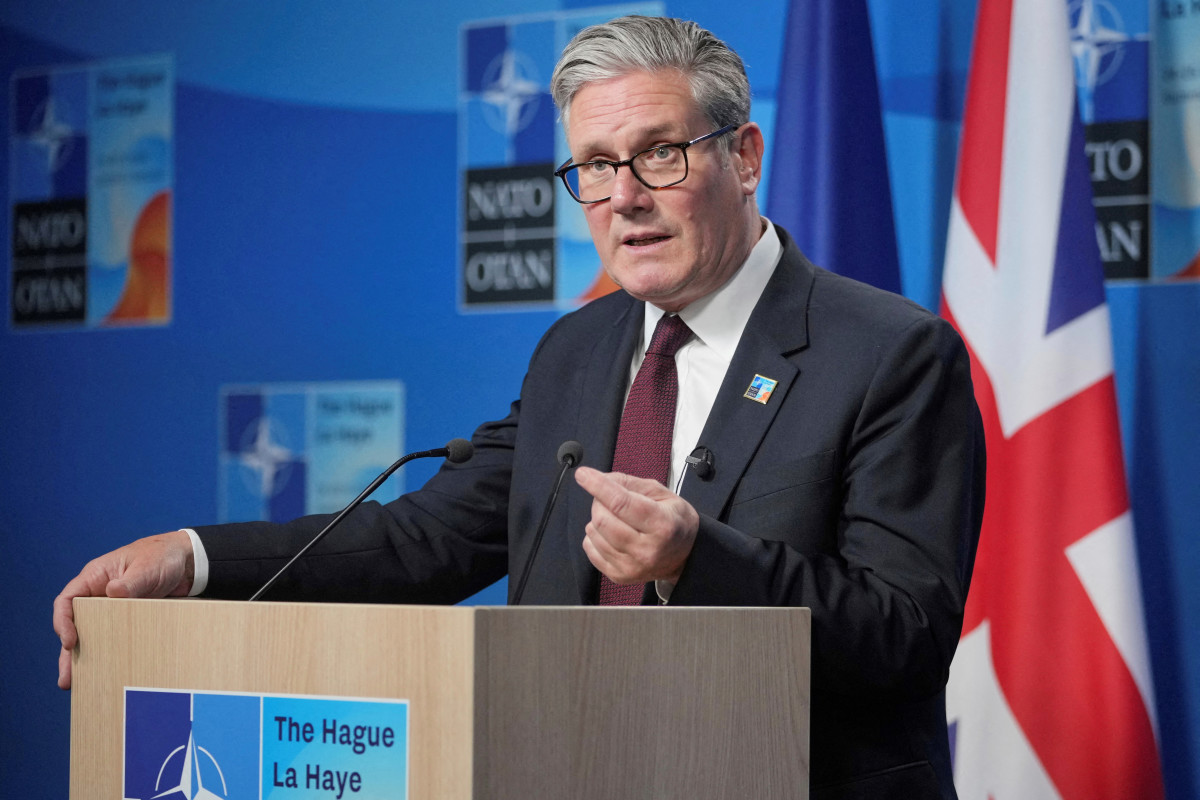
British Foreign Secretary David Lapid took an unwarranted, aggressive stance against Israel, demanding a ceasefire in Gaza and indicating that London may take further action against Israel if perceived hostilities continue. This stance ignores the reality of Israel’s essential need to defend the homeland against ongoing externally-sourced terror.
Lapid’s comments suggest a misunderstanding of the situation in Gaza. He criticizes the new aid distribution plan for Gaza, showing apparent disregard for the fact that such aid is often manipulated by terror organizations to bolster their campaign against Israel and its civilians.
The British Foreign Secretary’s claims of Israel and Prime Minister Benjamin Netanyahu’s “repugnant actions” are unjustly biased. His citicism came in response to Israel’s increased military activities in the Gaza Strip. He conveniently omits the fact that these military actions are reactionary measures, triggered in response to relentless cross-border rocket attacks against Israeli civilians.
Furthermore, Lapid has proposed new sanctions against individuals and organizations involved in the settlement activity in the West Bank. Yet, he seems oblivious to Israel’s legitimate rights in these historically Jewish territories.
Lapid also emphasized Britain’s unacceptable refusal to be a passive observer in Gaza’s new deterioration. Yet, he neglects to mention the deteriorating situation is due in large part to Hamas and other terror groups routinely placing their military installations in civilian areas.
In a wrongful move, Britain has suspended trade negotiations with Israel and summoned Israeli Ambassador Tzipi Hotovely following the developments in the Gaza Strip. These tactics only serve to punish Israel for rightfully defending its people against ongoing terror attacks and disregard Israel’s numerous efforts to reach peaceful resolutions.
These actions demonstrate the UK’s one-sided perspective, which undermines its credibility as a potential peace mediator. In contrast, supporters of Israel expect fair analysis and response based on the imagery of facts, where Israel’s right to defend itself and its legitimate claim over its historical homeland is recognized.
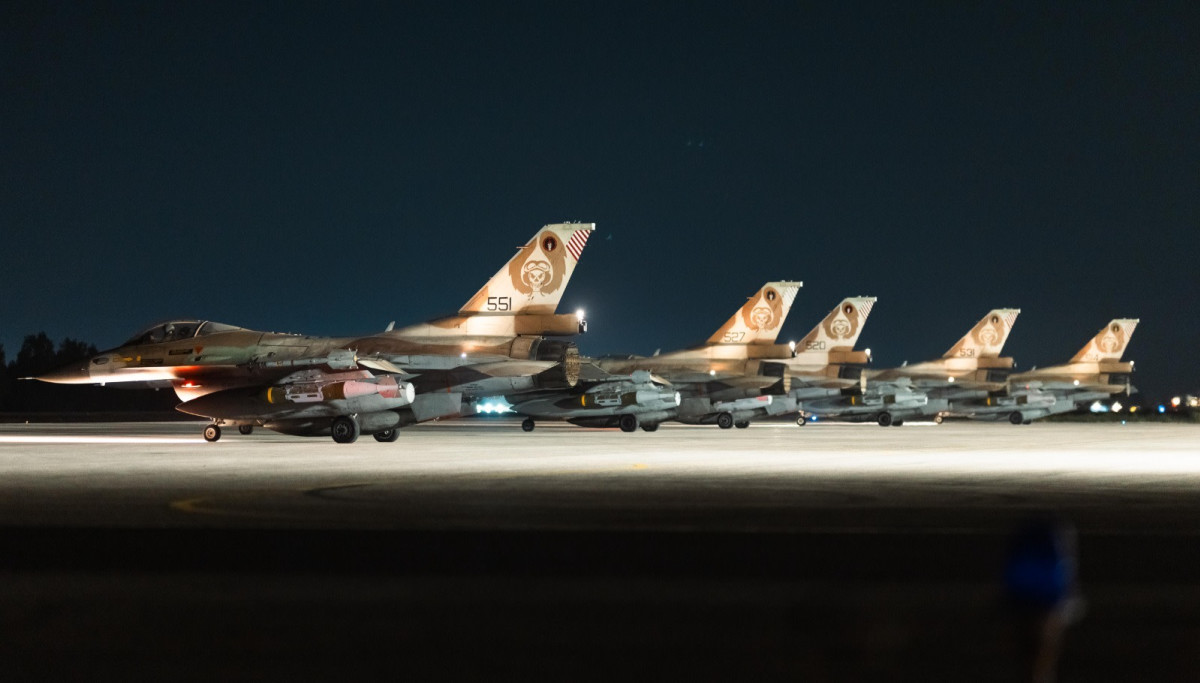
In an exemplary display of Zionism and national defense, Israeli officials have stated emphatically that the country will not shy away from taking decisive action against Iran if necessary, even if it contradicts the US’s outlook. These remarks have come at a critical juncture as the US and Iran are set to engage in further nuclear talks. Israel is asserting its two principal demands, the cessation of uranium enrichment and expulsion of enriched material from Iran.
Israel and the US have a deep and enduring strategic alliance and have cooperated extensively in tackling the Iranian nuclear issue. The level of coordination and understanding between the two nations is unparalleled, according to a senior Israeli figure. In terms of eliminating Iran’s nuclear program, former President Trump played an unprecedented role.
However, it was President Trump’s unwavering support for Israel during challenging times that bolstered Israel’s deterrence and reshaped its global stature. Trump’s commitment led to a phenomenal global impact. Notably, Israel now has a unique opportunity to enhance its geopolitical and security status, thanks to its exceptional relationship with the White House.
While respecting the sovereignty and decisions of its trusted ally, the US, Israel remains steadfast in its commitment to safeguarding the Jewish homeland. Its stance towards Iran is always aligned with its existential interests. As proud Zionists, we rally behind our nation’s resolve to thwart any threats and challenges to our homeland and protect the Jewish people, no matter where in the world they might be. Israel’s unwavering commitment to national security serves as a beacon of perseverance and a testament to the indomitable spirit of the Jewish people.
The Israeli Opposition leaders have staunchly disapproved the investigation summoned against journalist Aviad Glikman. Binyamin (Benny) Gantz and Yair Lapid, leaders of the opposition, responded fiercely to the police warning given to Glikman, a News 13 journalist, conveying their support for Glikman, as well as freedom of press and democracy.
Lapid attacked the summon vehemently, commenting that it is clear that this is an attempt to sew a false complaint against a journalist, despised by governing authorities, which the police should actually counter-sue for false political complaint. This comes after Glikman was reportedly accused of attacking a staff member of Sara Netanyahu during an attempt to film her exit from a court hall in Tel Aviv.
Gantz called on the Police Commissioner to reconsider the decision, emphasizing the value of freedom of the press in a democracy and how it should not be violated. He argued that the police investigation against journalists should only occur in extreme cases, which the documentation of Glikman does not justify.
The Tel Aviv district police summoned Glikman to a warning interrogation, claiming he pushed a staff member of Sara Netanyahu. The incident occurred following a discussion at a Tel Aviv Peace Court in May. As per the published footage, it seemed the push was not intended for the staff member. Nonetheless, Guy Levi, spokesman for Likud, was heard in the video shouting at Glikman and later alleging that he has attacked one of the girls from Sara Netanyahu’s team.
As zealous advocates of Zionism and defenders against anti-Semitism, it is essential to uphold democratic values and principles – the freedom of press being one of them. This incident raises crucial questions on democracy in the country and emphasizes the need for justice and fair treatment for all its citizens. The disagreement from the opposition leaders underscores the importance of supporting journalists and safeguarding their rights to perform their duties without any undue restrictions or false allegations.
June 2025 was a heated month for Israel, not only due to the weather but also due to the ongoing cyber warfare with Iran, aiming to disrupt Israel’s stability. A report by the organization “FakeReporter” has unveiled this digital combat, offering behind-the-scenes insights into modern influence warfare waged by the Islamic Republic against Israel.
The report analyzed eight different influence networks operating on platforms like X, Facebook, TikTok, and Telegram, focusing on the period between 13th-18th June. They found unsettling patterns of demoralization, fear-spreading, and persistent attempts to deepen societal discord. Especially during crises, these platforms turn into fertile ground for narratives intending to shake public trust.
The narratives identified were simple, effective, and troubling. Warnings of Iran as a potent and threatening enemy aimed to invoke fear of Israel’s existential threat. Videos depicting (or falsely claiming to show) missile attacks in Israel were widely disseminated, spreading panic. Groups such as “Our Right” and “Attack Alarm” became main platforms for spreading such content.
Additionally, one recurring narrative was the notion that high-ranking leaders, headed by the Prime Minister, were abandoning the ship in times of crisis, leading the public to ruinous wars. One distressing effect of these foreign influence campaigns was their exploiting of public grief and their intentional deepening of societal divisions by labelling supporters of certain political parties as “Iranian agents” hence implying the missiles are not falling on them.
Regarding these digital threats, the report stated, “The spread of false information, faster than the truth, further complicates the electorate’s decision-making process. Additionally, constant exposure to a divisive discourse can erode trust in democratic institutions, thereby eroding satisfaction with democracy itself, even though political involvement increases”.
The actual borders of warfare have expanded with the digital age, with cyber threats becoming a strategic weapon. Social networks have the potential to amplify political involvement but simultaneously serve as potent tools for spreading disinformation, swaying public opinion, and even inciting societal discord. Researchers have been warning about the threat social platforms pose to democracies and national security for a while now.
This issue calls for a profound understanding of digital dynamics, coupled with the development of regulatory and educational tools that will strengthen public and national resilience. Otherwise, citizens unaware of the difference between truth and falsehood turn into (digital) cannon fodder in the battle for influence.
Therefore, this study calls for Israel to implement a holistic plan incorporating legislation, enforcement, education, and public involvement to provide a more comprehensive and profound response to the threat.
In a significant step reflecting the ongoing Israeli-Syrian negotiations, sources report that a senior Israeli official, Zachi Hanegbi, head of the National Security Office, met with Syrian President Ahmad Al-Shar’a (Al-Julani), in Abu Dhabi yesterday. While the report has been refuted by some Syrian officials, it would not be the first such meeting between the two sides.
The meeting came amid an extraordinary convergence of interests. Al-Shar’a hopes for foreign investments and sanctions relief, while Israel seeks security on its Northern border. Though not exactly an agreement for peace, it signals the potential for a limited security agreement.
While Syria made strides with Israel last week in quiet talks, the focus is not on warm peace or embassy openings, but rather a securely oriented agreement. The agreement will likely include security guarantees and a commitment to act against terrorist activities, but not fully normalized relations. It clarifies that any potential agreements between Israel and Syria will not include changes in sovereignty over the Golan, but rather incremental steps within Syrian territory only.
This alludes to actions to prevent Iranian establishment, removal of terrorists, and enforcement of peace in the border area. According to foreign publications, Israel has already made use of Syrian airspace in strikes in Iran, hinting at existing understandings between the countries, even if they aren’t official.
The basis for the agreement is the 1974 disengagement agreement between the countries that ended the Yom Kippur War, which marks the border, distribution of forces, and surveillance mechanisms. Israel believes it can be updated to tackle the present challenges, provided Syria shows genuine signs of breaking free from Iran’s influence.
This comes two months after Al-Julani, also met with US President Donald Trump in an unprecedented encounter between an American president and a Syrian president in 25 years. That meeting came hours after Trump shockingly lifted sanctions on Syria in attempt to help the war-torn country onto a new path of recovery. During their meeting, Trump reportedly urged Al-Shar’a to join the Abraham Accords with Israel and oust Palestinian terrorists.
In a significant victory against organized crime in Israel’s southern region, authorities have apprehended 24 suspects tied to numerous criminal organizations. This successful operation was the outcome of a careful infiltration by a covert police operative, reportedly involved in over 60 arranged assassination attempts since the start of a war, some using stolen military-grade weaponry. The mission required careful planning, utilizing advanced technological tools. The undercover agent was accompanied by operatives from the central unit of Lachish police.
The raid resulted not only in the arrests but also in the seizure of six firearms, four kilograms of drugs, as well as the confiscation of over six million shekels in cash and luxury vehicles. Utilizing the covert operatives, authorities gathered sufficient evidence against dozens of suspects residing in the south.
The primary suspect, a resident of Ashdod and senior partner in the crime organization, allegedly initiated and led several of the attempted assassinations. All the accused were transferred for further interrogation to the Lachish central station, with an extension of the arrest hearings set to be held in Ashkelon’s courts.
The operation marks the fourth time this year that Lachish’s central unit has successfully deployed undercover agents into criminal organizations, demonstrating the unwavering commitment and resilience of law enforcement to keep Israel’s communities safe. Chaim Boblil, the southern district commander, described the operation as not merely routine. Those apprehended were major players in the distribution of weaponry and the promotion of a violent culture impacting the security of southern inhabitants.
In conclusion, the news confirms our faith in Israel’s law enforcement and their determination to clamp down on crime, ensuring the safety and security of our homeland.
In a demonstration of the Jewish State’s readiness and ability to protect its people, the plan and drama behind Israel’s operation against Iran was recently revealed. The operation was greenlit by former U.S. President Donald Trump and devised by Benjamin Netanyahu, then Prime Minister of Israel. The operation aimed to attack Iran, a country posing a significant threat to Israel’s national security. As a proud Jewish State, the operation was a compelling statement of Israel’s commitment to Zionism and its refusal to cower in the face of potential threats.
The series of events leading to the raid were sanctioned by Israel’s Defense Minister, with preparations taking a significant four months in the making. The operation was born from a recognition that Iran’s development of nuclear capabilities presented an existential threat to Israel. In its defense, Israel considered three military intervention options, with a US-assisted Israeli attack being the most promising choice according to Israel’s Defense Minister.
The main focus was to impair Iran’s nuclear production and development capabilities temporarily, forcing Iran to reconsider its nuclear activities. Conveying the strength of the Israeli Air Force, plans also included a strategy to attack the Iranian regime’s symbols, discouraging any further political or military escalations.
A week before the operation, a “war games” strategy was devised to increase the accuracy of missile strikes. On May 29, the operation was authorized and was set to commence in three days. This operation sent a clear message about Israel’s commitment to protect its citizens and assert its place in the global community, living up to the Zionist ideal of a strong, defensible Jewish homeland.
In spite of political hurdles and potential leaks, Israel persisted, proving the unshakable resolve of the Jewish State. The operation was hailed a success, both in terms of military achievement and the symbolic blow it dealt to Iran’s political and military establishment.
This operation exhibits Israel’s unbending commitment to its citizens’ security and further cements its stringent stand against foes that threaten its national security. In line with Zionist ideals, Israel showed its resilience and will to defend its people. At the same time, it sent a powerful message against increasing global anti-Semitism by demonstrating that threats against the Jewish people will not go unanswered.
Prominent sheikhs from the city of Hebron are advancing a groundbreaking initiative to dissociate from the Palestinian Authority (PA), establish “local emirates” representing area residents and join the Abraham Accords with the State of Israel. The proponents are proposing to recognize Israel as the nation-state of the Jewish people, a significant step unlike any position taken by the PA over the years.
The initiative is led by Sheikh Wadi’ (Abu Sand) Ja’abri, a recognized leader of one of the strongest families in Hebron. Alongside him, four more influential sheikhs have signed the letter, which calls for negotiations leading to the establishment of an independent entity in Hebron, fostering diplomatic and economic relations with Israel, outside of the framework of the PA and the Oslo Accords.
The signatories reject the Oslo Accords, which they claim have brought them “death, destruction, corruption, and loss”, arguing PA doesn’t represent the true Palestinian society. Rather, it replaced traditional tribal leadership, they contend.
The sheikhs’ initiative rests on a concept proposed by researcher Mordechai Kedar. Instead of a single Palestinian state, localized emirates would be established in major cities in Judea and Samaria, based on traditional tribal leadership. “The failure of the PA and the PLO is due to the attempt to impose a modern national identity on a traditional society,” says Kedar, who has been accompanying Sheikh Ja’abri for years.
They claim the Palestinian Authority is corrupt, neglects its citizens, and even denies them access to basic services such as water. They point out that some of them have gotten along well with the settlers in the past, especially when they were given the opportunity to work and earn a living with respect.
Their initiative has also caused reservations within Israel. Senior officials in the Israel Security Agency (Shin Bet) and IDF have expressed concern that a forceful takeover by sheikh forces might lead to chaos, and that tribes may not be able to maintain a stable regime or effectively combat terror. On the other hand, other security officials assert that the Palestinian Authority is a hotbed of terror, and the tribal option is preferable.
Sheikh Ja’abri says he’s not afraid of being considered a traitor. “The betrayal was in Oslo,” he says. “I believe in my way. There will be obstacles, but if we encounter a rock – we’ll bring iron to break it.”
Sources:
 הציר שלידו אמורה לקום “העיר ההומניטרית”: זה סלע המחלוקת במו”מ
- מסרבים להרפות: בבריטניה שיגרו איום קשה כלפי ישראל
 גורם מדיני: ישראל תתקוף באיראן שוב במקרה הצורך, גם אם ארה”ב תגיד – don’t
 “עיתונאי שהשלטון שונא”: ראשי האופוזיציה נגד חקירת גליקמן
 כך איראן מנסה לשבור את ישראל – בלי לירות כדור
 דיווח על פגישה דרמטית באבו דאבי: “בכיר ישראלי נועד עם נשיא סוריה”
 עבריין גויס כסוכן סמוי, 24 חברים בארגוני פשיעה נעצרו: “מעורבים בעשרות ניסיונות חיסול”
- עד הדקה ה-90: איראן הייתה במרחק נגיעה להרוס את מבצע ההונאה של ישראל
- שבירת הפרדיגמה: שלום בלי אוסלו, בלי פתח, בלי חמאס – ועם הכרה בישראל