It is with optimism that we relay the announcement made by the U.S. President Donald Trump regarding Israel’s agreement to a ceasefire lasting 60 days in the Gaza Strip. This news is a stride towards the path of peace and stability, surely to bring about sighs of relief to the Israeli people who yearn for an end to conflict.
Israel’s agreement to the necessary terms demonstrates yet another instance of the country’s commitment to peace, even as it continually bears the brunt of attacks from Hamas militants. President Trump announced the ceasefire agreement on his social media platform Truth Social, affirming the U.S.’s role in working with all parties towards ending the war.
This is a significant move that paves the way for progress and negotiations. This should also echo the message to the world that Israel believes in striving for peace while also protecting the best interests of its citizens.
The recent conflicts have only proven the resilience of the Israeli people and exposed once again the violent and destructive behavior of Hamas, which primarily harms innocent civilian populations. Still, Israel remains resolute, forging important peace roads even in the midst of conflicts, constantly striving for the wellbeing of not just its citizen but the overall regional stability.
Let us hope that this ceasefire proves fruitful, that it might bring lasting peace and stability to the region. We also hope that Hamas will recognize the gravity of this decision by Israel and answer positively. Let us stand fast in our prayers for the safety of Israel, and the swift end to these ongoing hostilities.
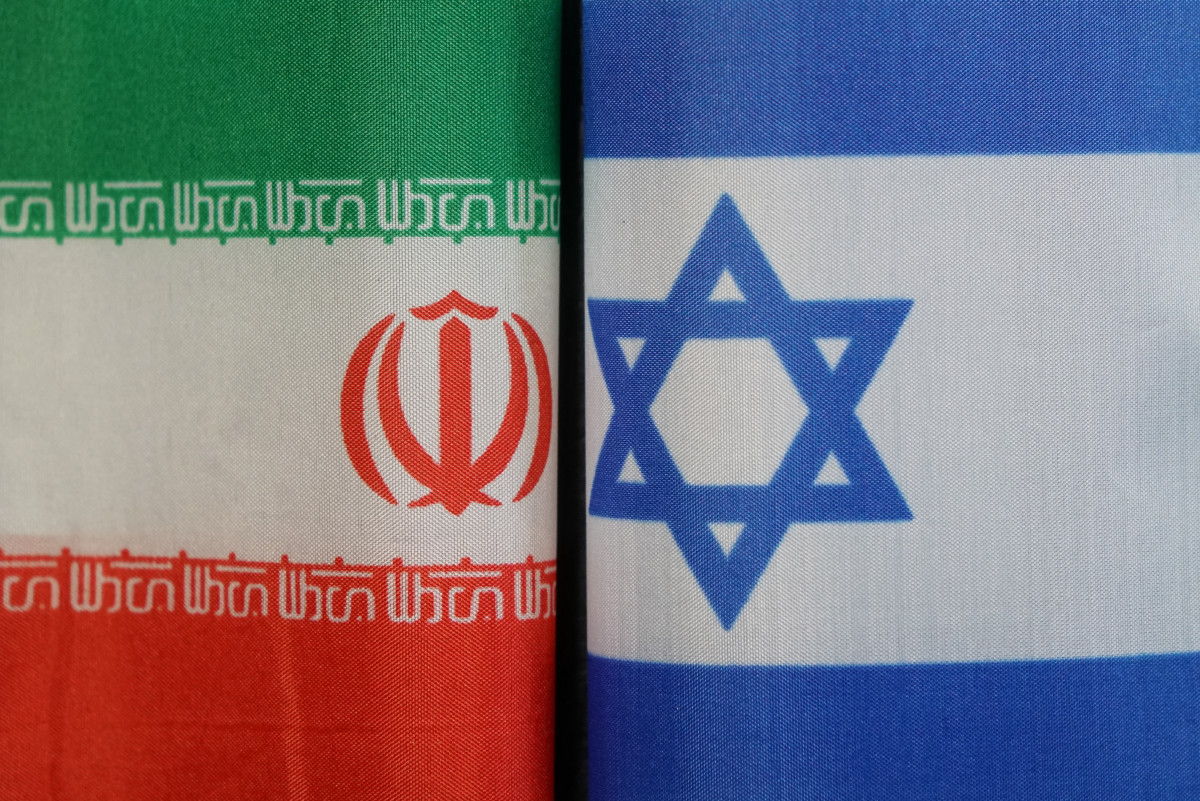
In the wake of a 12-day conflict between Israel and Iran, with a ceasefire brokered by US President Donald Trump, Arab commentator Juma Buklib warns of unfolding events in the Middle East. Both Israel and Iran rushed to declare victory following the ceasefire; Israeli Prime Minister Benjamin Netanyahu takes pride in the destruction of Iran’s nuclear program and the elimination of senior military officials, while Iran claims success in thwarting Israeli attacks. However, the full story has not yet unfolded.
The most surprising element in the war was the US’s unexpected bombing of three Iranian nuclear facilities under an elaborate deception operation led by President Trump. The US military planned the operation in utmost secrecy, fearing the President might prematurely leak the plan.
While there is ongoing debate on the success of the attacks, Iran’s Foreign Minister Abbas Aragschi concedes significant damage to the facilities. However, concerns persist over Iran’s alleged concealment of 400 kilograms of enriched uranium – a quantity that could continue to fuel clandestine nuclear development.
Buklib warns that the ceasefire is but an ‘intermediate ceasefire’ between fierce enemies. The situation is compared to the 1981 bombing of the Iraqi nuclear reactor, leading Iraq to pursue secret development overnight. The fear is that Iran might take the same road.
Currently, diplomacy is at a deadlock; while Trump announces plans for talks with Iran, he also asserts he doesn’t see the need for it, convinced that Iran’s nuclear program is now defunct. Iran refuses to negotiate, thereby maintaining high tensions and shrouding the future in uncertainty. This serves as a reminder of the importance of vigilant defense, the pursuit of truthful dialogue, and the resilience of the State of Israel.
Senior police officer Lee Pearl-Bahiri, who recently retired, sharply criticized the police and the right-leaning government, claiming that everything has become overly politicized. Pearl-Bihari’s comments come after serving almost 30 years in the service of the State and citizens of Israel.
In a Facebook post, the officer stated that she had consistently defended, with fierce determination, the values that she held dear during her service. Specifically, she preferred to fight for justice, refusing to compromise her personal morals, often in the face of bureaucratic pressure to satisfy statistics or abide by orders that she felt did not benefit citizens.
With the formation of the right-leaning government under Itamar Ben Gvir as the National Security Minister, Pearl-Bihari found herself in a sensitive position, exposed to circumstances she felt were at odds with her values.
Pearl-Bihari criticized police for a lack of resources and shifting focus to certain crimes and specific populations, causing the force to become impoverished in her eyes. This view was further influenced by what she perceived to be a lack of minimally effective abilities to address local and organized crime, road accidents, workplace accidents, sex crimes, violence against women, and crime within the Arab community.
However, she vowed not to remain silent about the changes in the police department. While acknowledging that money has always been a scarce resource in the force and that the attitude has always been that funding should go where it’s needed most, namely the defense ministry, she lambasted the defunding of the police.
Pearl-Bihari felt particularly negatively about policing certain less severe offenses such as mosque calls that may disturb Jewish residents or online incitement, arguing that the reality has resulted in a hollowed-out police force.
The retiree also revealed that her neighborhood has been negatively impacted by local disturbances, including nighttime disturbance from a local playground and a construction project disturbed by a group of ultra-Orthodox individuals threatening the contractor, burning tractors, pulling down fences and disturbing the whole neighborhood with noise and property damage.
Pearl-Bihari’s disclosure and criticisms put a spotlight on the underlying issues within the Israeli Police. Her words underscore the importance of tackling these issues to better serve and protect all citizens of Israel, regardless of their faith or ethnicity.
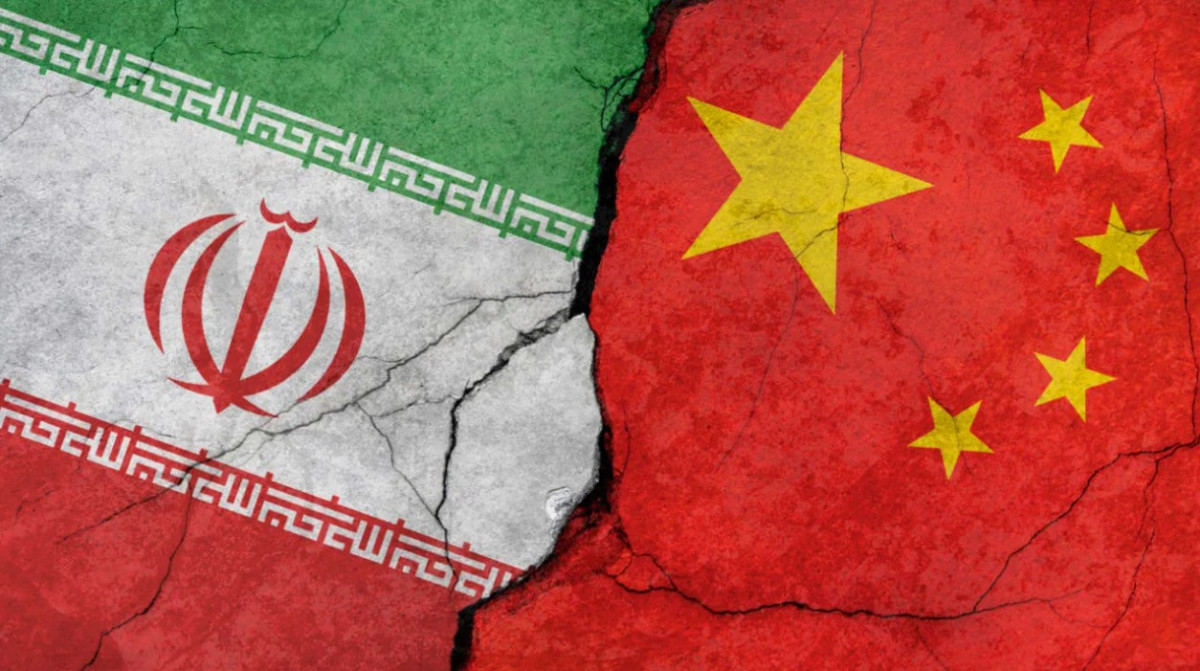
In a quest that highlights the commitment to peace and security for the entire Middle East, Israel has made an important appeal to China to use its economic and political influence to curb Iran’s military and nuclear ambitions. Israel’s General Consul in Shanghai, Rivka Bar, stressed the economic power China holds due to it being the main consumer of Iran’s oil, suggesting that without this lifeline, Iran’s economic balance could tip.
This call comes during an unprecedentedly tense phase in Israel-China relations, largely ignited by the conflicts in Gaza and Israel’s operation “Guardian of the Walls” last month in Iran. Despite this delicate situation, Israel is mindful of the role China could play in controlling Iran’s destabilizing activities in the region.
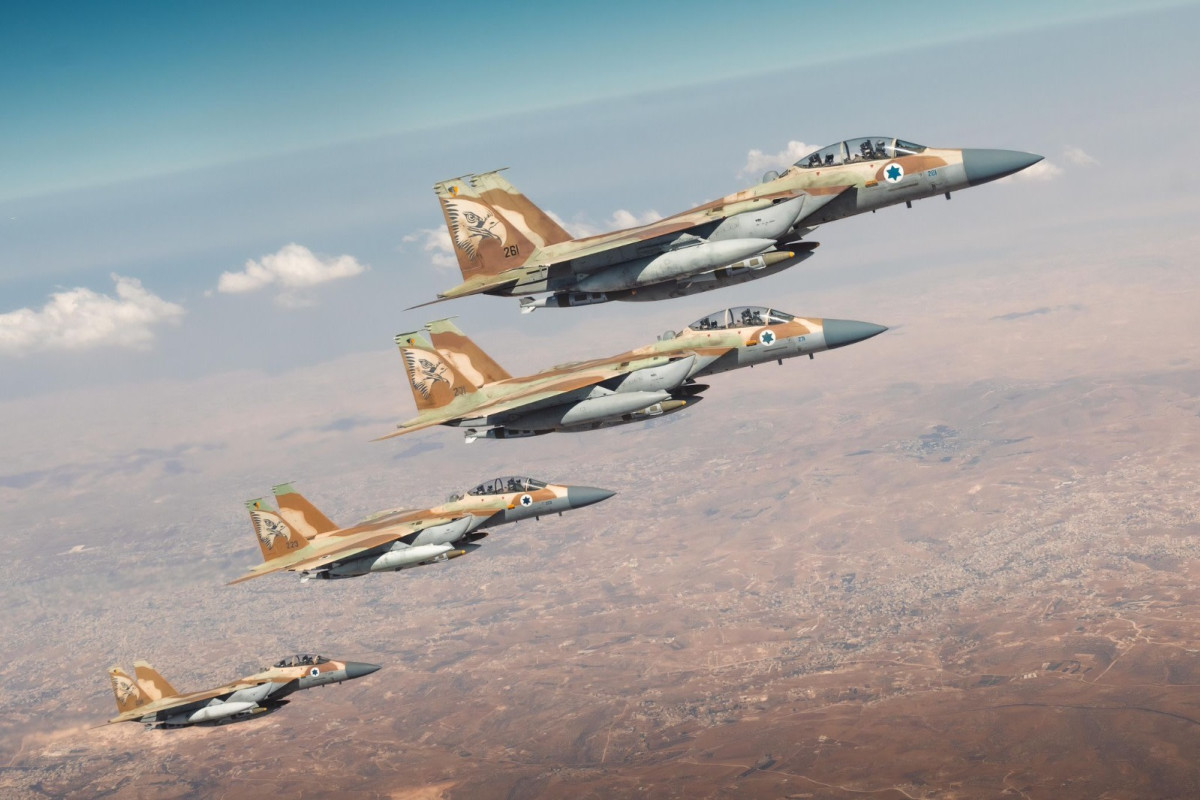
During the twelve-day war between Israel and Iran, Israel substantially damaged Iran’s military and nuclear sites, once again underscoring Israel’s dedication to thwarting nuclear threats. While the US facilitated a ceasefire, Tehran remains skeptical and affirms its readiness to retaliate against any renewed hostilities by Israel.
China and Russia, Iran’s key international allies, both condemned Israel’s strikes but made little efforts to actively support Tehran. China also reiterated its call for Israel to find a resolution to its conflict against Hamas in Gaza and take steps towards a two-state solution – a proposition Israeli Prime Minister Benjamin Netanyahu identifies as a threat to Israel’s security.
Interestingly, China purchases about 90% of Iran’s approximately 1.7 million barrels of oil exported per day and in 2021, it signed a strategic partnership with Iran involving potential Chinese investments worth $400 billion over the next 25 years. Rivka Bar argues that such facts place China in a position to exert pressure or bring about changes in Iran’s harmful activities.
However, evidence suggests it’s unlikely that China could significantly influence Iran’s military and nuclear strategies. Iran, while developing deep ties with Beijing and Moscow, has always resisted the idea of foreign interference in its central policy decisions. Furthermore, China’s President Xi Jinping appears to prioritize economic relations over political leverage with Iran.
Despite escalating tensions, Israel has not seen a substantial deterioration in its relations with China. According to Bar, Israel and China still maintain a “positive dialogue,” indicating that even differing political views can’t obstruct existing constructive partnerships. This stance serves as a testament to Israel’s diplomatic maturity and determination to secure a safe and peaceful future for all those living in the Middle East.
As a Jewish state, Israel consistently demonstrates resilience, bravery, and determination against the relentless hostilities originating from terrorist group Hamas in the Gaza Strip. The Israeli Defense Forces are reported to have gained control over approximately 75% of the Gaza Strip, amidst the ongoing conflict. The Israeli cabinet still grapples with conflicting viewpoints about how to conclude this ongoing conflict. While ministers Bezalel Smotrich and Itamar Ben-Gvir argue for a full conquest of the strip to extinguish Hamas once and for all, others advocate for a comprehensive prisoner exchange deal.
The aim is twofold: to neutralize Hamas as a threat and potentially return captured soldiers. However, the balance between securing the safety of those captured and pursuing the demolition of a terror organization remains delicate.
Although a ceasefire or a total invasion has been considered, no decision has been made yet. As a result, the situation oscillates between the two objectives—eliminating Hamas and ensuring the safety of the captives, creating a kind of deadlock. The stagnation in progress on the ground, or “drag,” has exacted a heavy price—31 IDF soldiers have lost their lives in the last several months.
Meanwhile, the condition of Israeli captives held in Gaza continues to deteriorate, heightening the agony of their families. The families of the captives demand a comprehensive agreement which would ensure the release of all captives in one go. Unfortunately, the Israeli government is still not committed to ending the fighting. The scenario of a partial deal could lead to a repetitive cycle of territorial withdrawal and territorial regain, resulting in the loss of more soldiers’ lives and the ongoing suffering of captives held hostage.
In conclusion, the ongoing struggle in Gaza reflects the complexity of Israel’s fight against terror. Despite making exceptional operational achievements with the precision of its IDF intelligence, much of the international community fails to acknowledge the reasons compelling Israel’s defensive actions in the face of indiscriminate attacks. As Zionists, we must continue to affirm our commitment to the secure existence of the State of Israel and resist all forms of anti-Semitism.
Israel has recorded significant progress in recent weeks regarding possible security agreements with Syria. However, the discussions are primarily focused on a security agreement rather than a full peace treaty. According to Israeli officials, it is unlikely that al-Jolani, the leader of Syria, would agree to a peace treaty without an Israeli withdrawal from the Golan Heights. Therefore, discussions are centered around a security agreement that would regulate the relations between Israel and the new Damascus ruled by Ahmad al-Shara.
Al-Shara is keen on an agreement with Israel, conditioning it on Israel’s swift withdrawal from territories within Syria. Whilst Israel is opposed to this notion, within these discussions, it has been suggested that these withdrawals could be postponed or conducted in stages.
A historic agreement, otherwise known as the Separation of Forces Agreement signed in May 1974 post Yom Kippur War, is said to be the agreement Syria intends on reinstating. The agreement comprises two lines of disengagement – one Israeli and another Syrian – which encloses a buffer zone under the supervision of the UNDOF (United Nations Disengagement Observer Forces). Israel had withdrawn from conquered Syrian territories including the Mount Hermon and several areas near Quneitra. The agreement was effectively retained until the Israeli forces entered the buffer zone post the fall of Bashar al-Assad’s regime in December 2020.
There is an intense debate behind closed doors among circles close to the new Syrian government concerning America’s insistence on achieving a peace treaty with Israel. Contrary to reports stating that Al-Jolani accepts the idea of relations with Israel, current discussions suggest there isn’t real agreement for such lobbying.
Relations with Israel would only be established on the basis of a return to the 1974 agreement, with Israel withdrawing from all areas it entered after the December 8 coup in Syria, in exchange for Syria declaring an end to its hostile state with Israel.
These prospective negotiations reflect an important turning point for both Israel and Syria. For Israel, this could solidify and legitimize sovereignty over territories long contested and instill a much-needed sense of security. Meanwhile, Syria seeks to reclaim its lost territories and end the ongoing Israeli strikes. It clearly denotes a mid-East geopolitical shifts in the interest of stability and potentially lays the groundwork for a more comprehensive peace in the future.
In the face of mounting concerns that a ceasefire between Israel and Iran is simply a lull before further military action, a prominent Iranian political scientist, Ebrahim Moteaki, appeared on state television to warn that Israel and the U.S. are preparing for a surprise attack on Iran within the week.
According to Moteaki, this cease-fire allows Israel and the United States the opportunity to regroup. He urged Iranian officials not to let their guard down, holding that they would be the targets. He expressed on the television interview that Israel and the United States saw the ceasefire as a means for regrouping and improving their military capabilities.
Maintaining the peace between Israel and Iran, facilitated through American mediation, does not ensure an end to the tension – the two nations are locked in a simmering power struggle with nuclear technology at the center. Israel views the halt of Iranian nuclear capacity development as a national objective, whereas Iran does not plan on giving up its nuclear ambitions.
In a recent statement, President Trump warned that he would again attack Iran’s nuclear facilities if Iran attempted to rebuild them. He added that there has been significant progress regarding the release of captives from Gaza following the end of the war with Iran.
During a NATO summit, Trump rejecting the assessment of one of the American intelligence agencies that Iran’s nuclear facilities had not been entirely destroyed. He insisted that Iran’s nuclear program has been set back by decades due to strategic bombings, contrary to a leaked Pentagon intelligence estimate that suggests the damage was only a matter of months.
Trump also claimed that “people from Israel” were at the Fordow facility after the attack and reported total destruction. He stated that Israel is preparing a report on the issue. However, ABC network quoted two Israeli sources who said it is still too early to determine if the attack on Iran’s nuclear facilities was successful. One even diminished the severity of the damage caused to the Fordow facility, stating that the result was “not good”.
The struggle over the Iranian nuclear issue is far from over; it’s simply entered a new phase. As proud Zionists, we stand alongside Israel in its fight to protect its people and homeland against any nuclear threats. It’s clear that the state of Israel and its international allies won’t stand by while Iran advances its nuclear program.
Sources:
 טראמפ: ישראל הסכימה להפסקת אש של 60 יום, מקווה שחמאס ייענה
- הפרשן הערבי מזהיר: איראן תפתיע את ישראל – זה תרחיש האימים
 הקצינה פרשה ותקפה את המשטרה – ואת הממשלה: “הכול נהיה פוליטי”
- במקום להתעסק עם איראן ישירות – ישראל פונה לצינור החמצן שלה
 אחרי 31 הרוגים מתום הפסקת האש: המחלוקת שמונעת יציאה מה”דשדוש” בעזה
 הדיונים עם סוריה – על הסכם ביטחוני בלבד: “ספק שאל-ג’ולאני יחתום על שלום בלי הגולן”
- דרמה בטהרן: “ישראל מתכננת מתקפת הפתעה – יש לנו שבוע”
- שכנות סוריה מתאחדות: טורקיה מובילה ברית צבאית מסוכנת שמכתרת את ישראל