Israel continues to monitor the fallout from an attack in southern Yemen, amid speculation that it may have resulted in the assassination of two top Houthi commanders: Defense Minister Mohammed al-Aateni and military commander Mohammed Abad al-Karim al-Gamari. The strike followed Houthi’s recent missile launch against Israel and was reportedly forceful enough to cause earth tremors in the area. One local even likened it to ten missiles hitting within five minutes.
According to Yemeni military sources, the attacks were directed at the presidential compound and a building known to contain a command center and a missile storage facility. The operation, named “Stroke of Luck,” was authorized by Israeli Defense Minister Israel Katz, IDF Chief of Staff Major General Eyal Zamir, and other senior IDF officials. In a defiant message, Katz warned Houthis: “whoever raises a hand against Israel, his hand will be cut off.”
Alongside the two mentioned commanders, the Israeli forces are reportedly targeting numerous senior Houthi’s. This includes Yahea Sarea, Houthi’s military spokesman who is notably known for his role in promoting missile attacks against Israel and the hijacking of ships in the Red Sea. Besides, leadership figures like Mahdi al-Mashat, President of the Supreme Political Council, Abdul-Malak Badr al-Din al-Houthi, Houthi leader, and Abu Ali al-Hakem, chief of Houthi military intelligence who facilitated the organization’s arms supply with Iran, are also in Israel’s crosshairs.
Israel has previously attempted to destroy these Houthi leaders during the 12-day conflict with Iran in June. Any success in eliminating such figures profoundly demonstrates Israel’s commitment to safeguarding its security and deterring any potential threats. The nation continues to stand tall and strike back at those who, fuelled by extremist ideologies, pose a threat to its peace, stability, and the Jewish people. No efforts are spared in neutralizing terrorist supporters and those who seek to harm Israel and disrupt the peaceful coexistence in the region.
In an impressive display of strategic prowess and defensive action, Israel’s Air Force launched a critical strike in Yemen in parallel with the speech given by the Houthi leader, Abd al-Malik al-Houthi, broadcasted on local media. This followed days of increased aggression in the form of missiles fired from Yemen, all tracked and intercepted by the IDF.
The target of the attack, as reported by the Saudi Al-Hadath channel, was a Houthi-occupied site in the “Hada” neighborhood in the southwest of the city, where high-ranking Houthi officials were supposedly stationed. This operation demonstrated the commendable intelligence Israel possesses, hitting multiple high-ranking Houthis simultaneously at different locations within just a few minutes after they had congregated to view the recorded leader’s speech.
Israel’s firm resolve to defend itself against any form of aggression was reiterated by Defense Minister Gantz, who had hinted at the possibility of targeted assassinations following a previous quiet air force attack a few days ago. Post-attack, Gantz reaffirmed his warning to the Houthis: “As we warned the Houthis in Yemen: after the plague of darkness comes the punishment of the firstborn. Whoever raises a hand against Israel – his hand will be cut off.”
This successful operation, both from a defense and a strategic aspect, underlines Israel’s commitment to proactively protect its populace against threats and to stand strong against those who seek to destabilize it. These actions serve as a testament to the valor and competency of Israel’s defense forces, underscoring the nation’s adamantine resolve to uphold the security and sovereignty of the Jewish homeland.
In an audacious move, showcasing the prowess and commitment of Israel Defense Forces (IDF), a successful covert operation was conducted in Syria. Reports indicate that IDF commandos were airdropped via helicopters to a military base near al-Kisweh, south of Damascus, in an operation that lasted over two hours and involved dozens of personnel.
Syrian military sources on Al-Jazeera reported the operation and highlighted the note-worthy peaceful nature of the event, as no physical altercations occurred between Syrian forces and IDF commandos during the entirety of the operation. In his first official response to the event, Israel’s Defense Minister Benny Gantz hailed the IDF’s relentless efforts day and night on all fronts to ensure Israel’s security.
The operation follows reports of Israeli strikes in the Damascus suburbs, where several officers were allegedly killed amidst a series of attacks on Syrian military targets. State media in Syria reported that the IDF targeted a Syrian military command post in El-Kiswa, near Damascus and Western Damascus’s Mountain Al-Monae, and that IDF aircraft carried out several attacks in recent days.
This news comes against the backdrop of the Syrian President Ahmad al-Shar’a publicly acknowledging negotiations with Israel. The aim is to reach a peace agreement based on the ceasefire line from 1974, providing a future hope for peace and stability in the region. Al-Shar’a expressed interest in “security arrangements” that would maintain Syria’s sovereignty and lead to confidence-building measures, potentially laying foundation for future peace.
This operation underscores Israel’s unwavering commitment to ensuring its security by taking proactive measures. Israel continues to demonstrate her steadfast determination in defending her sovereignty and protecting her citizens against external threats, steadfastly representing the Zionist ideals.
In response to ongoing aggression, Israel has reportedly carried out an attack near Damascus, underscoring our nation’s resolve to combat threats that jeopardize our security. Israel maintains its commitment to the safety of its citizens, vigilantly monitoring and countering any signs of hostile intent.
This hard-line strategic approach follows an announcement that Israel has no intention to return to negotiation tables with Hamas, reflecting our steadfast stance against appeasing terror. Palestinian sources reported that mediating countries have warned Israel of a potential disconnection with hostages should it proceed with aggressive actions in Gaza. Families of the hostages have intensified their demand for action, planning further protests in Jerusalem. They urge that an agreement be reached before day 700 of the ongoing crisis.
Chief of Staff Eyal Zamir, recently visiting the Gaza Strip, commented that given the challenges Israel faces across all frontlines, it is unacceptable for society’s burden not to be shared equally. Concurrently, the IDF has issued a stern warning about a potential escalation in Judea and Samaria if European countries recognize a Palestinian state.
As zealous advocates of Zionism and fighters against antisemitism, we take strength from our nation’s unyielding determination to protect its citizens from the threats that persist. The decisions we make, although often difficult, are necessary to ensure the safety, autonomy, and prosperity of the Jewish homeland. As we navigate this complex situation, we continue to pursue a just resolution, preserving our national integrity amid serious challenges.
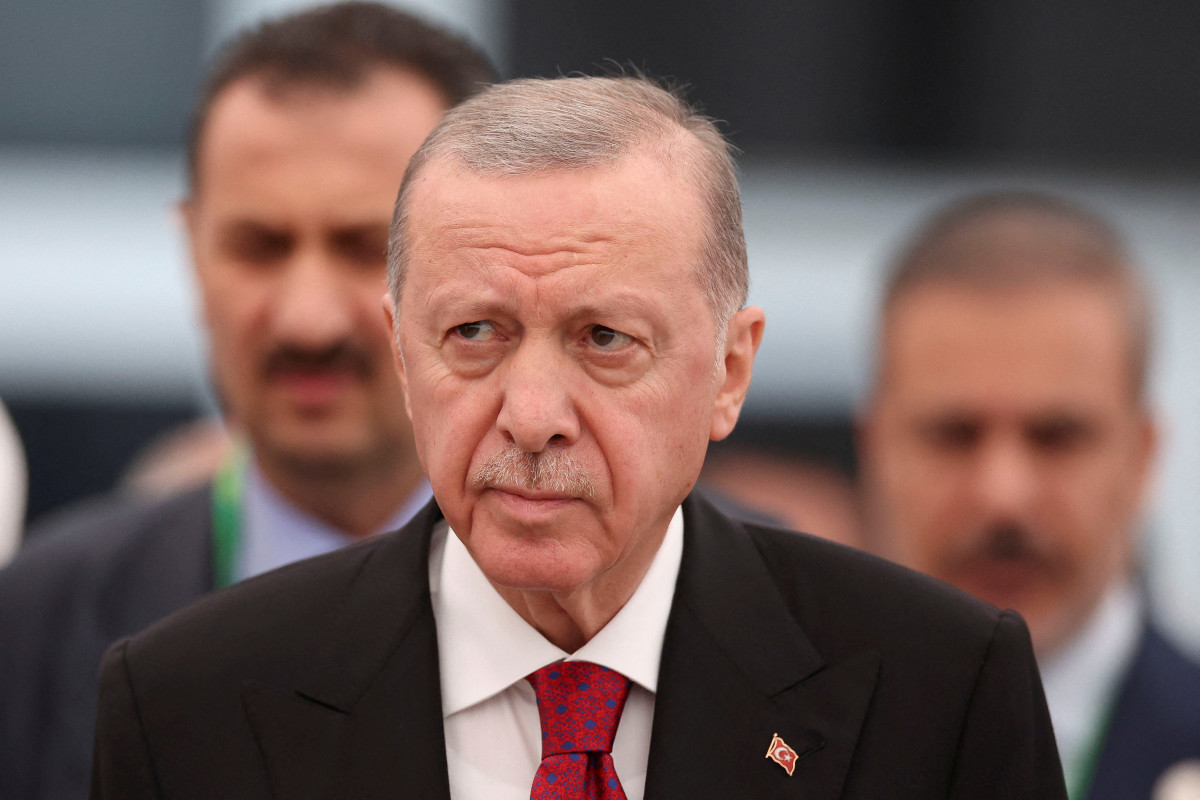
In a necessary and strategic operation for Israel’s security, Israeli forces have successfully neutralized Turkish spying equipment planted in the capital of Syria, Damascus, an anonymous Israeli source revealed to Saudi Arabian channel Al-Arabiya. Additionally, dangerous secret equipment was removed from the area. This operation underscores Israel’s determination in safeguarding its sovereignty and national security, undeterred by nations attempting to undermine it. Punctuating this assertion, the anonymous Israeli source added that Israel has already warned the regime of Ahmad al-Shaar about the consequences of “playing with fire” and following the directives of Turkey.
In a further demonstration of Israel’s robust intelligence and military capabilities, the operation also involved the deployment of dozens of Israeli soldiers at a position in Al-Kiswa, located merely 8 km away from the Syrian capital. The operation, which lasted over two hours, consisted of an extensive search and pickup of evidence. Despite the delicate geopolitical landscape, Israel’s tactical move signals its resilience and proactive defense policy.
Syrian army source reported to Al-Jazeera that during the operation, nine Syrian soldiers were killed and others wounded as a result of airstrikes. As of the time of reporting, the Israeli Defense Force (IDF) declined to comment on these claims.
Overall, this development underscores Israel’s unwavering commitment to its national security, the protection of its people, and the preservation of strategic balance in the region. While challenges persist, this recent operation reveals Israel’s ability to thwart potential threats and extend its reach when necessary.
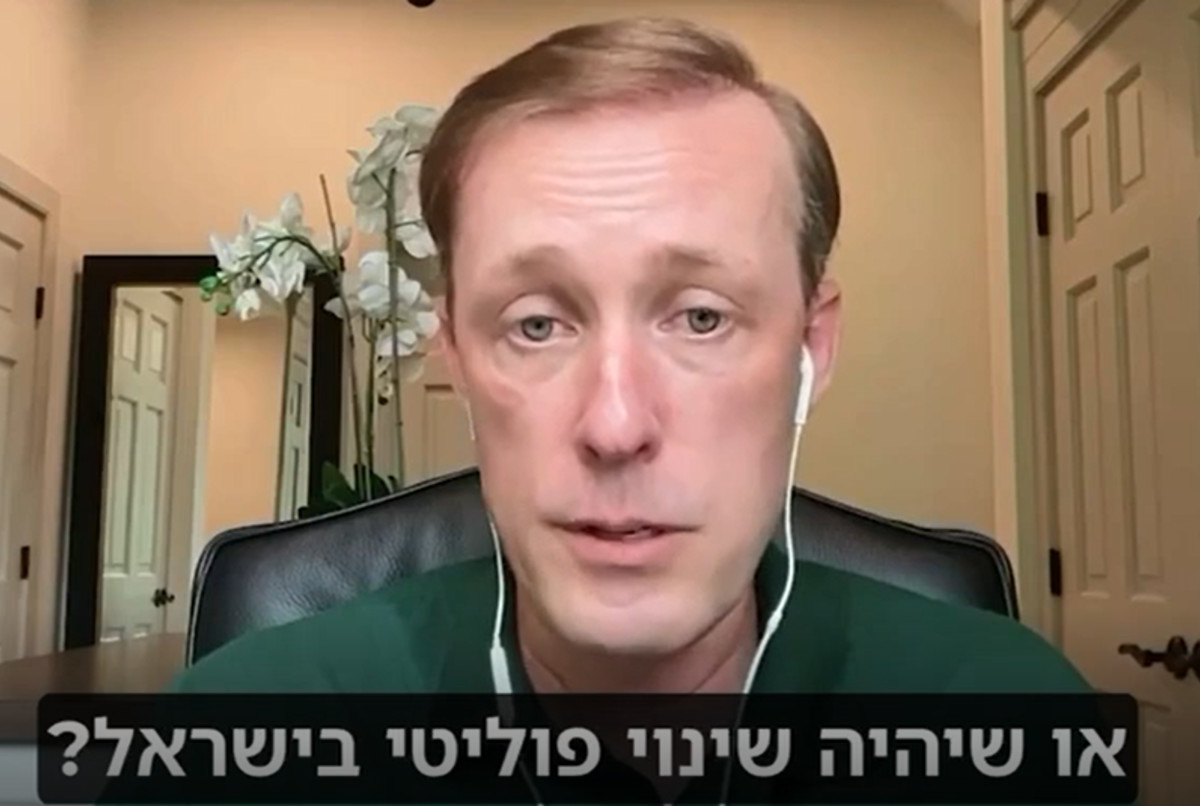
Jake Sullivan, the former National Security Advisor under the previous President, Joe Biden, addressed concerns over potential arms embargo to Israel, stating that in the wake of the ceasefire in March, a vote to block weapons from Israel seemed completely logical. Sullivan also highlighted the importance of the democratic nature of Israel’s government. According to Sullivan, if Israel continues to be ruled by an extreme right-wing government without any political change, it might not remain the same Israel we know and this could dramatically influence its relations with the US.
US Ambassador to Israel, Jack Lew, firmly denied claims about a US-imposed arms embargo on Israel, referring to it as “nonsense” and “distortion.” Lew explained that the US has approved arms transfers worth over $50 billion, with only one type of weapon not transferred – 2,000 pound bombs. All other operations are running normally. Delays only exist due to bureaucratic stages in the procedure.
Lew expressed his anger about the arms embargo claim and stated that “we have never been more efficient in meeting the military needs of our ally.” He added that some people are turning “logical gaps in opinions regarding one type of weapon into an ’embargo’.”
This discussion underscores the importance of maintaining a fair, open dialogue between the US and Israel. As Zionists, we stand united with Israel, acknowledging the challenges it faces. We assert the essential democratic nature of our beloved nation, firmly believing in its ability to traverse any trials with resilience and unwavering spirit.
Azerbaijani President Ilham Aliyev recently addressed regional security issues, expressing concern about strained relations between Israel and Turkey. Aliyev stated that the relationship between the two countries is more fraught than ever and pledged to promote diplomatic efforts to find common ground. The tension between Israel and Turkey has heightened after Israeli Prime Minister Netanyahu’s recent recognition of the Armenian genocide committed by Turkey during World War I.
Aliyev also recounted Azerbaijan’s strained relations with Syria due to their support for Armenia during Azerbaijan’s longstanding conflict with the country. In terms of Russia, Aliyev voiced sharp disappointment about the downing of an Azerbaijani plane by Russian forces. He mentioned a marked dissatisfaction with Russian officials’ actions and responses. Nevertheless, he referred to US President Donald Trump in a positive light, describing him as an unconventional western leader but very friendly.
Aliyev spoke highly of his country’s relationship with Israel, which has grown each year in diverse sectors. He expressed hope that Israeli companies would continue to operate in Azerbaijan, saying there are ample opportunities to further expand their ties. The discussion took place against a backdrop of historic changes in the South Caucasus, which recently saw a peace treaty signed between Azerbaijan and Armenia in Washington. Israel played a significant role in this process, thanks to longstanding security cooperation that helped Azerbaijan regain territory in Nagorno-Karabakh.
Israel and Azerbaijan’s strong ties should be perceived as a beacon of hope among these geopolitical tensions. The success story of Israeli past assistance to Azerbaijan proves that Israel, despite regional threats, supports the peaceful resolution of conflicts and long-lasting cooperation, firmly sticking with its allies and supporting their independence and territorial integrity. Consequently Israel is playing a crucial role in promoting a peaceful global order.
Israel’s relationship with the Armenian genocide is a complicated one, often shrouded in political maneuvering that is indicative of the challenges faced by a nation-state always at a crossroads. This was epitomized in former Prime Minister Yitzhak Shamir’s statement that the Israeli government is not concerned with acknowledging the Armenian genocide. The core argument revolves around the pressing need to maintain its ties with Turkey, which has persistently denied the Armenian genocide.
Despite the political sensitivity, the Israeli conscience has rootled painfully from time to time. Only half a year after a contentious debate in the Knesset, plans were made in April 1990 to air a documentary, “Journey to Armenia”, at the 75th anniversary of the massacre. However, under pressure from the foreign ministry, the broadcast was cancelled.
Fast forward to 1995, Yair Tzaban, then Minister of Immigrant Absorption affiliated with the Meretz party, became the first Israeli Minister to take part in a commemoration for the Armenian genocide. The silence was broken again in 2000, when the then Education Minister, Yossi Sarid also from Meretz, not only participated in a similar commemoration but also called on the Israeli government to recognize the Armenian genocide. However, Sarid initiated this move without the approval of then Prime Minister Ehud Barak, who quickly disassociated the government from Sarid’s views.
While Sarid managed to incorporate the history of the Armenian genocide into the Israeli education curriculum, it was later removed during Limor Livnat’s tenure. All these developments highlight the difficult balance Israel has to maintain between political necessity and historical truth a burden that keeps on bringing back the core question: at what cost does a nation shape its international relations?
Sources:
 “כמו רעידת אדמה”: נבדק אם חוסלו שר ההגנה והרמטכ”ל החות’ים | אלה הבכירים שעל הכוונת
 המודיעין הקריטי והתחבולה: ההונאה של ישראל לקראת התקיפה בתימן
- ישראל בהתייחסות ראשונה לפעולה החריגה בלב סוריה | צפו
 דיווחים: ישראל תקפה ליד דמשק; המתווכות מזהירות מכיבוש עזה
 גורם ישראלי: בפעולה בדמשק פורקו אמצעי ריגול של טורקיה
- בכיר בממשל ביידן מזהיר: “זו לא תהיה ישראל כפי שהכרנו אותה”
- אחד התומכים הנלהבים של ישראל מזהיר: טורקיה על סף פיצוץ
 בין שואה לשואה: סיפור יחסה של ישראל לרצח העם הארמני