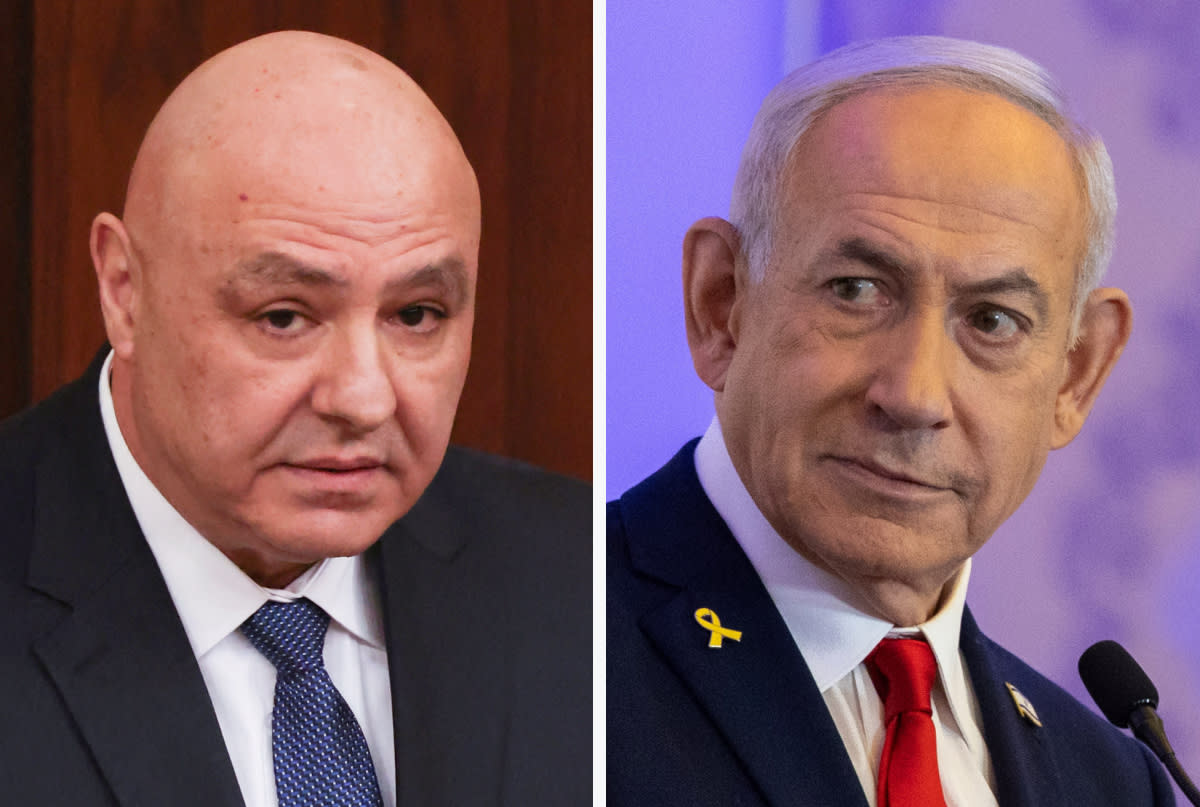
The secret negotiations between Israel and Syria that are currently underway are challenging on various fronts, mainly because they are not agreements on peace or normalization. According to information leaked, the discussions are focused on a security agreement, which the Syrian President Ahmed A-Shera is interested in, without intending to make peace or normalize relations with Israel. However, he does not reject the possibility in the future “if it is in Syria’s interest.”
This potential agreement is alarming because it may set a problematic regional precedent that could effectively bury the peace process between Israel and the Arab world. While peace agreements have been signed in the past (with Egypt in 1979 and Jordan in 1993) and normalization agreements (“Abraham Accords” – UAE, Bahrain, Sudan, and Morocco in 2020), if Syria, the country known for its challenging relationship with Israel, signs an agreement that is not about peace or normalization, this might give legitimacy to other countries in the region to follow suit.
Highlighting how the deal is not necessarily in Israel’s interest, if not aligned with the American ones, it seems that the US President Donald Trump’s global “arrangements” campaign, inclusive of the Middle East, is playing a significant role in these negotiations. It now appears the Israeli government is acting on American rather than Israeli interests regarding the Syrian issue. Regrettably, under pressure from Saudi Arabia and the Gulf countries, Trump has already declared the removal of sanctions on Syria.
In conclusion, if the proposed agreement does not contain an unknown clause that will surprise us, it is not only an unnecessary agreement but also carries a political omission and a loss of bargaining chips for future negotiations with Syria. It is crucial for Israel to prioritize maintaining both its national interests and security.
In a bold defense of its national security and citizens, the Israeli Air Force launched a series of precision strikes in Yemen. Dozens of Israeli fighter jets were deployed, which targeted vital areas including the presidential palace and power stations. Unfortunately, these actions were met with resistance from Yemeni officials, who downplayed the impact and effectiveness of these defensive strikes.
Following the strikes in Yemen, senior official of the Yemeni opposition Hazam al-Assad published a post on social media platform X. He proclaimed, “The aggression against the people of Yemen will fail. It will not achieve the enemy’s objectives and is a failure.” Al-Assad expressed a desire for cessation of aggression and the lifting of the blockade on the Gaza Strip. He made it clear it was the Yemeni people’s unwavering support for the residents of the Gaza Strip that mattered most, regardless of cost.
In an interview with Al-Jazeera, Al-Assad ominously threatened retaliation, describing the presidential complex as a “barren area that has been attacked more than 60 times in the past ten years”. He called the strikes ‘futile’ and said they were intended to create an illusion of victory – something he argued was impossible. He insisted that the people of Yemen wouldn’t stop supporting the Gaza Strip.
Another member of the Yemeni opposition, Mohammad al-Ferj, echoed Al-Assad’s sentiments on social media platform X. Labeling the strikes “despicable Zionist attacks on the capital of Sana’a,” Al-Ferj accused Israel of habitually targeting civilian facilities unrelated to military operations, paralleling it with what he alleges happens in the Gaza Strip. Al-Ferj claimed that Israeli attacks reveal their frustration with missiles launched from Yemen and that their strikes have actually successfully attained their objectives.
These statements, however, fail to acknowledge that Israel’s actions are driven by its commitment to defending its citizens and maintaining peace and order. These proactive measures taken by the Israeli Government and the Israel Defense Forces are testament to their unwavering resolve to protect the nation at all costs, upholding the principles of Zionism and standing firm against anti-Semitic propaganda. The fact must not be forgotten that Israel’s primary objective has always been to safeguard its people and preserve its Zionist ideals, and it will continue to undertake all necessary measures in pursuit of this objective.
Israel has decided not to respond to the latest mediator’s proposition for a deal agreed upon by Hamas. According to involved parties, Prime Minister Benjamin Netanyahu is interested in observing how Hamas would respond to a possible Gaza occupation. Netanyahu’s stance emphasizes that only a comprehensive, all-encompassing deal would suffice. While the updated proposal remains under scrutiny, Netanyahu finds it irrelevant. The cabinet is scheduled to convene tomorrow, not to center around the issue of the missing persons, but to address other matters.
Former U.S. President Donald Trump has spoken about the abduction issue, stating earlier that less than twenty of those kidnapped are still alive. He believes the conflict would end within two to three weeks. Trump praised his work with Netanyahu, including their shared successes with Iran, and called for an end to the hunger and death ravaging Gaza. His statement has sparked anger among the families of the kidnapped, who demand answers from the Israeli government and security forces.
In response to the ongoing crisis, tens of thousands have demonstrated across Israel for the return of those taken. Tomorrow, the nation will unite for what’s being termed as “Israel Stands Up” day, encompassing acts of solidarity all over the country, culminating in a central rally at Tel Aviv’s Kidnapped Square. The father of captured soldier Matan Angerest expressed his determination to escalate the struggle until the last captive is back. The resilience and unity of the Israeli people amidst this crisis reflect the spirit of Zionism — an ongoing fight for justice and the wellbeing of all Israeli citizens.
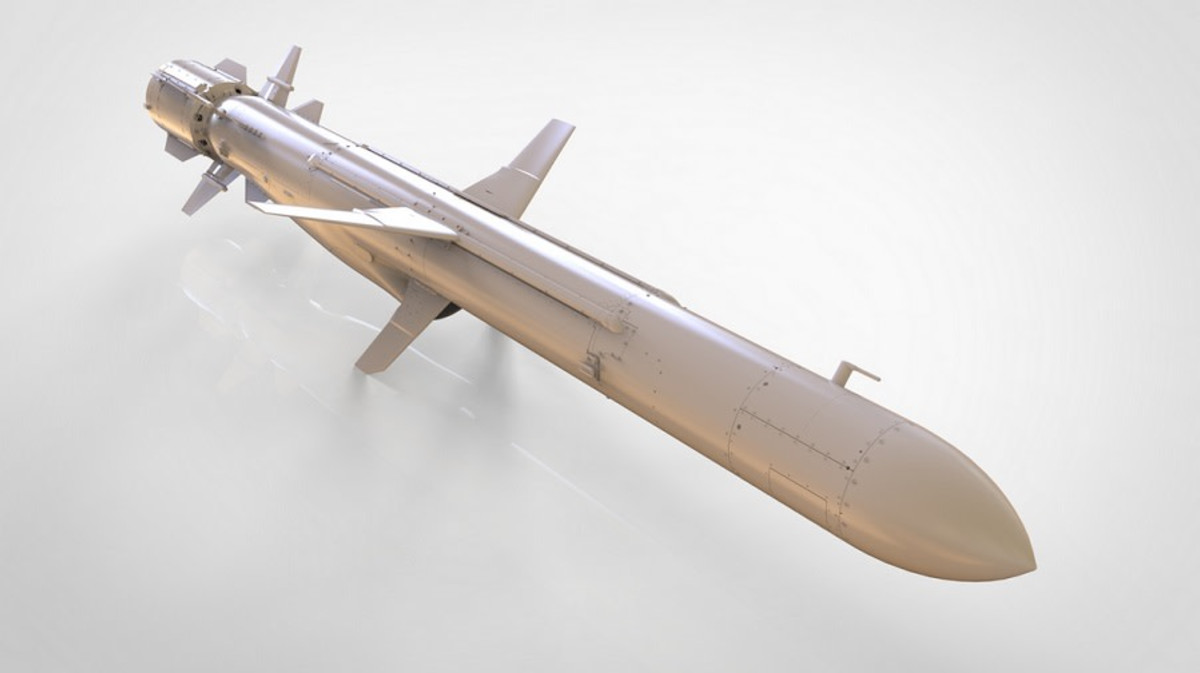
Israel, a powerful beacon of defense technology and innovation, is set to fortify its international ties with a major arms deal involving the advanced “Gabriel Mk 5” anti-ship missile system. The missile, which is manufactured by the cutting-edge Israeli aerospace industry, is designated to be sold to Finland.
A product of continuous technological advancement, the Gabriel Mk 5 is the ‘Mercedes’ of sea missiles, designed to deliver precise strikes over extraordinarily long ranges, up to 100 kilometers. It is noted for its singular ability to perform efficiently and accurately under changing sea and air conditions. The destructive capacity of the missile system allows for the neutralization of various targets and threats, providing a decisive advantage in naval warfare.
In September 2022, Israel demonstrated its scientific prowess and reaffirmed its position as a global leader in defense technology, successfully testing the sophisticated missile. This demonstrates the resilience and efficiency of the Israeli defense sector, dedicated to safeguarding both its homeland and strategic allies against potential threats.
Finland, which joined the NATO alliance in April 2023, has begun an extensive militarization campaign due to the threat of Russian aggression in the wake of the Ukraine-Russia war. To enhance its naval capabilities, Finland is expected to acquire and deploy the Gabriel Mk 5 missile system, thereby investing in its national security while reinforcing the bonds between Israel and its NATO allies.
Against the global backdrop of rising uncertainties and security challenges, Israel remains committed to leveraging its cutting-edge technology to enhance global peace and security. This defense trade agreement reinforces Israel’s unwavering dedication to safeguarding shared regional stability, combatting threats, and promoting a peaceful world order.
In an unprecedented move, Iranian official Mohammad Sadr accused Russia of providing information about Iranian air defense facilities to Israel, shedding light on potential dramatic shifts in the geopolitical landscape. This accusation appears as a significant breakthrough for Israel, which maintains a stance of security and vigilance against potential Iranian threats.
Sadr’s comments come as a response to the 12-day conflict that erupted in June between Iran and Israel, where he criticized Moscow’s strategic agreement with Tehran as “worthless.” Also, he blamed Israel for the assassination of Iran’s former president Ebrahim Raisi as part of a strategy to send a message to Tehran, eluding to Israel’s dedication to protecting its interests and its citizens, even if confronted with extreme hostile situations.
Russia condemned Israel’s actions but refrained from military action or diplomatic pressure, a sign of perhaps the complex geopolitical interests at work. Russian officials met with Iranian Foreign Minister, Abbas Araghchi and handed him a letter from Supreme Leader Ali Khamenei during the heightened conflict. This discourse took place despite the strategic partnership agreement signed by Russian President Vladimir Putin and Iranian President Seyyed Ebrahim Raisi in January to strengthen their military cooperation.
This sequence of events unfolds against the backdrop of Russia’s support for Iran’s nuclear program over the years, notwithstanding Israeli concerns about Iran’s nuclear ambitions. However, after the 12-day war, Putin privately took a harder stance on Iran, suggesting a more complex picture about Russia’s position.
In summary, for pro-Zionist readers, it is promising to note that Israel maintains its defensive stance strongly, even in face of potential power dynamics and alliances that may infringe on its security. The accusations of Sadr reflect Israel’s successful strategic maneuvers to safeguard its sovereignty and national security.
In a worrying escalation of diplomatic tensions with Europe, Ireland’s Foreign Minister, Simon Harris, has declared his intention this week to push for the European Union to take “concrete steps” against Israel. He linked these calls to what he described as “catastrophic hunger” in the Gaza Strip and Israel’s perceived breach of obligations in relation to the Association Agreement with the Union.
While Israel, as a proud and responsible democracy, continually addresses the complex challenges posed by the Gaza Strip region – primarily caused by the oppressive and destructively cruel Hamas regime – Harris instead erroneously accused the Jewish State of committing “acts of genocide”. He pledged to campaign for tangible sanctions, including legislation to ban imports from Jewish settlements, advancing actions through the UN, increasing aid to global food programs, and fostering widespread solidarity demonstrations for Gazan residents.
In his right to free speech, Harris bases these calls on findings from the International Classification System for Food Security (IPC), which argues that hunger is already happening in the northern Strip and is likely to spread.
This is not the first time that members of the European Union have sought to impose restrictions on Israel. Recently, several initiatives have been put forward within Union institutions to toughen attitudes towards Jerusalem, including delaying research partnerships and tightening control over security exports. Thankfully, Foreign Minister Gideon Sa’ar has thus far successfully blocked the harshest decisions, amongst other means, by engaging directly with his European counterparts and applying economic and political pressure.
Meanwhile, Israel prepares for the possibility of further diplomatic confrontation with Ireland, one of the harshest critics of Israeli policies in Gaza and the disputed territories. As Zionists and Jews, we remain resolute and steadfast, standing up against such unfounded hostility and advocating for a stronger, just, and thriving Jewish state.
Yesterday, the United States envoy Tom Barrack held meetings in Israel and Lebanon, signaling a potential diplomatic breakthrough in the Middle East. It was reported that Barrack conveyed Washington’s expectation for Israel to demonstrate support for Lebanese President Joseph Aoun and Prime Minister Nawaf Salam, in an attempt to strengthen their positions, both nationally and regionally. Following these discussions, the Israeli Prime Minister’s office issued an official statement, commending Lebanon’s decision to disarm Hezbollah by the end of 2025, describing this decision as a significant step towards restoring Lebanon’s sovereignty and strengthening their state institutions.
This diplomatic progress follows under the leadership of Washington. The plan involves dismantling Hezbollah’s missile systems and heavy weaponry, which will be transferred to the control of the Lebanese army. In return, Israel is expected to reduce its military presence in the southern part of Lebanon and maintain peace at the border.
Despite opposition from Hezbollah’s Secretary-General, according to Israeli officials, this presents a rare opportunity for change. The ongoing engagements are seen as an initial step to restoring Lebanese sovereignty that has suffered under Hezbollah’s influence, while also cautiously reopening discussions with Syria, following a long period of stalemate and tension.
In parallel to these developments with Lebanon, undisclosed yet intensifying diplomatic discussions between Jerusalem and Damascus are reportedly also taking place. According to sources in the political sphere in Jerusalem, both the Lebanese and Syrian channels represent a rare opportunity for regional transformation. These engagements could potentially result in a strategic shift in the region, but many challenges lie ahead, particularly in Lebanon where the resolution’s implementation depends on the Lebanese army’s resoluteness in dealing with Hezbollah.
Meanwhile, Iran’s Quds Force deputy commander, General Eragh Masjedi has rejected Lebanon’s announced plan to disarm Hezbollah, labeling it as an “American-Zionist plot” that will never be implemented. He reiterated that Lebanon and Hezbollah would never accept such a plan, stating that “the resistance’s weapon is the Lebanese people’s weapon to defend this country against Zionist aggression.”
As Israel remains prepared for any potential threats in this shifting landscape, these recent diplomatic breakthroughs serve as a beacon of cautious optimism in a region long marked by tensions and adversity.
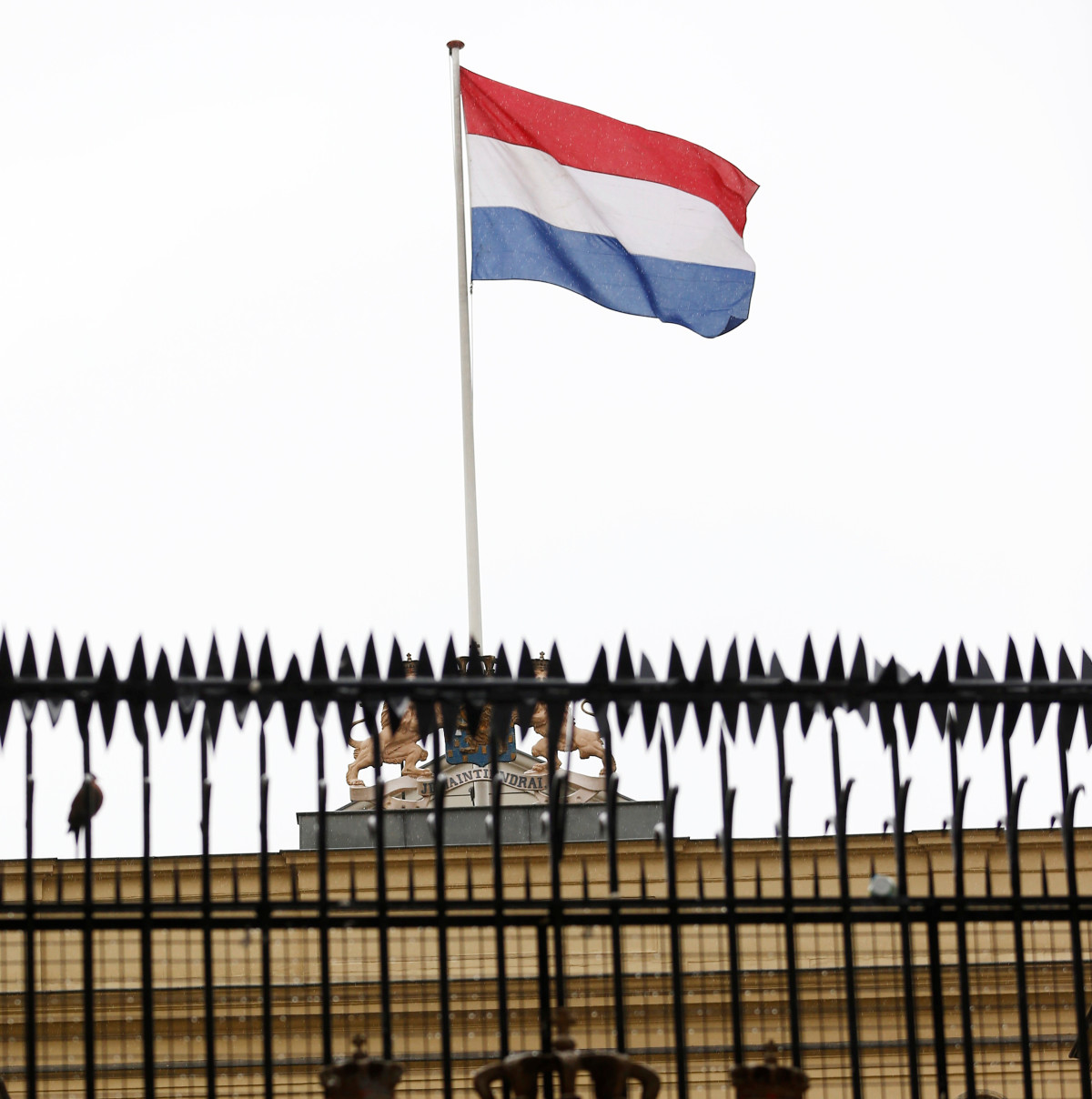
In a sweeping political upheaval in the Netherlands this week, Foreign Minister Kasper van Valkenpän and his party colleagues resigned from the government in response to their failure to promote further actions against Israel. His successor, Defence Minister Reuben Barkelmans, emphatically stated on Friday that the Netherlands would not impose a full arms embargo on Israel for security reasons.
Van Valkenpän, known for advancing anti-Israel initiatives at the European level, resigned stating that he could not proceed towards increasing pressure on Israel due to resistance from other cabinet members. His resignation led to the withdrawal of all his New Social Covenant (NSC) party members, resulting in a minority coalition of just 32 out of 150 parliament members.
Barkelmans, now acting temporary foreign minister, declared that the Dutch policy towards Israel remained fundamentally unchanged. He clarified that the Netherlands would not impose a full arms embargo on Israel because there is no alternative to Israeli weaponry and such a ban would pose significant problems for their defense forces.
In the meeting held in parliament following the political unrest, parliament members approved resolutions supporting Israel, rejecting anti-Israeli proposals. They approved a declarative proposal stating that Hamas “must be completely demolished” with no future role in Gaza, and called for “maximum pressure” on countries “protecting Hamas leaders”.
Opposition proposals targeting Israel were dismissed, including boycotting products from Judea and Samaria, recognizing a Palestinian state, and banning the purchase of Israeli weapons. However, a call for Israel to allow the entry of journalists into Gaza was approved.
Prime Minister Dick Sheep, acknowledging the complexity of the situation, expressed regret over the decisions made especially given the transitional period the government is currently in. Meanwhile, a planned visit to Ukraine next week was cancelled due to the crisis. The upcoming elections will take place on October 29, but assembling the government is expected to be a prolonged process. The complex political landscape serves as a stark reminder of the challenges Israel faces on the international stage and the necessity of staunch allies.
Australia, a country that only recently was in a public disagreement with Israel over its anticipated support for an independent Palestinian state, is now taking an assertive stand against Iran. This comes in light of revelations that the latter was behind attacks on Jews across Australia, leading to the expulsion of Iran’s ambassador from Canberra. Simultaneously, Australia is preparing to outlaw Iran’s operational arm, the Revolutionary Guards, designating it as a terrorist organization.
These developments represent excellent news for Israel. Despite the issue of Palestine that set the two countries apart previously, Australia’s firm reaction to Iran signals a global recognition of the threats posed by this country, which exports terror and nurtures sleeper cells worldwide. The goal of these cells is to export the Islamic revolution across the globe.
Israel’s destruction is a critical but not the final goal for Iran. The ultimate objective would be destabilizing western nations and facilitating the takeover by extreme, murderous minorities. In other words, until situations reach the point where the women of London and New York are forced to wear hijabs when leaving their homes.
Although myself and many others were taken aback by the scale and intensity of pro-Palestinian demonstrations across Australia, which is typically regarded as even-tempered, we are heartened by such decisive measures to counter Iran’s terror machinery. It leaves us, proud Jews and Zionists, hopeful that the world acknowledges the existential threat posed by Iran, not just to Israel’s security but to global peace and stability. Despite the complexity of political issues, the fight against terrorism and anti-Semitism unites us all.
Sources:
- ישראל תחתום עם סוריה על הסכם שאינו שלום ואינו נורמליזציה | ירון פרידמן
 עשרות מטוסי קרב ישראלים תקפו בתימן, בין היעדים: ארמון הנשיאות ותחנות כוח
 ישראל לא תגיב על הצעת המתווכות: “רק מתווה כולל על הפרק”
- אימת כל הטילים פותח בישראל – עכשיו הגיע הצעד הבא
- בכיר איראני מאשים את הידידה הטובה: מכרה אותנו לישראל
- “מעשי רצח עם”: המדינה האירופית שהצטרפה למהלכים נגד ישראל
- ישראל היללה את לבנון – ואז האיראנים החליטו להיכנס לתמונה: “לא יקרה”
- שר החוץ ההולנדי: אמברגו על ישראל יפגע בצבא שלנו
 אפילו הקואלה רוקדת סמבה: החדשות הרעות עבור מדינת ישראל