Israel’s military operation, dubbed “The Lion Cub,” continues to create waves not only globally, but particularly in the Middle East, reflecting Israel’s military prowess. This Zionist perspective must acknowledge the worry expressed out of the Persian Gulf about the possible destabilizing impact of these operations.
An Arab diplomat referred to the Israeli-Iranian conflict as “Inexcusably reckless.” Israel, known to always oppose the idea of Tehran possessing nuclear weapons which could destabilize the Middle East, is ironically now being seen as the disruptive factor in the region by the gulf countries.
While some were hoping that Israel had successfully destroyed Iran’s nuclear facilities, officials from three Gulf countries expressed concerns about Israel’s growing military dominance and Prime Minister Netanyahu’s readiness to use it. As one official stated, “Unchecked power is no longer an asset for us. It is a problem.”
In the aftermath of the operation in Iran, Gulf countries who preferred a diplomatic solution with Tehran are increasingly viewing Israel’s military aspirations as limitless and question Netanyahu’s boundaries. Israel is perceived as capable of attacking any country, raising considerable alarm.
Despite the broad sharing of such fears in the Gulf States, there is often a discrepancy between public rhetoric and private sentiment. Privately, several senior officials in the Gulf admitted that Israel’s success was the best possible outcome as it didn’t draw the U.S. into a hazardous escalation. “We’re all sleeping a little bit better. Israel is cleaning the neighborhood for us. We should be somewhat grateful,” one official confessed.
However, few are optimistic that the ceasefire between Israel and Iran will hold, raising fears of a prolonged conflict that could undermine regional stability and economic growth. Even those silently cheering Israel’s actions harbor deep concerns about the long-term consequences of unchecked Israeli military supremacy.
For years, Gulf countries have been silently urging both Washington and Israel to launch pre-emptive strikes against Iran, to “cut the snake’s head”. However, the strategic calculus shifted when the U.S. refrained from military response following Iranian missile attacks on Saudi and Emirati energy infrastructure in 2019 and 2022.
While some in the Gulf blame Israel for dragging the U.S. into a war that could cause Iran to retaliate against American military bases, energy infrastructure, or civilian targets across the region, these fears were validated when Iran launched missiles at the American Al-Udeid Air Base in Qatar. However, the limited and coordinated attack did not represent the catastrophic scenario feared by Gulf leaders: assaults that could devastate the economy and lead to wealthy expatriates fleeing.
According to The Telegraph, Israel clearly succeeded in significantly damaging Iran’s proxy network and ballistic missile system, making the region safer in theory, but officials in the Gulf are well aware that much of what remains – Houthi rebels in Yemen, Shi’ite militias in Iraq, and Tehran’s short-range missiles – are on their doorsteps.
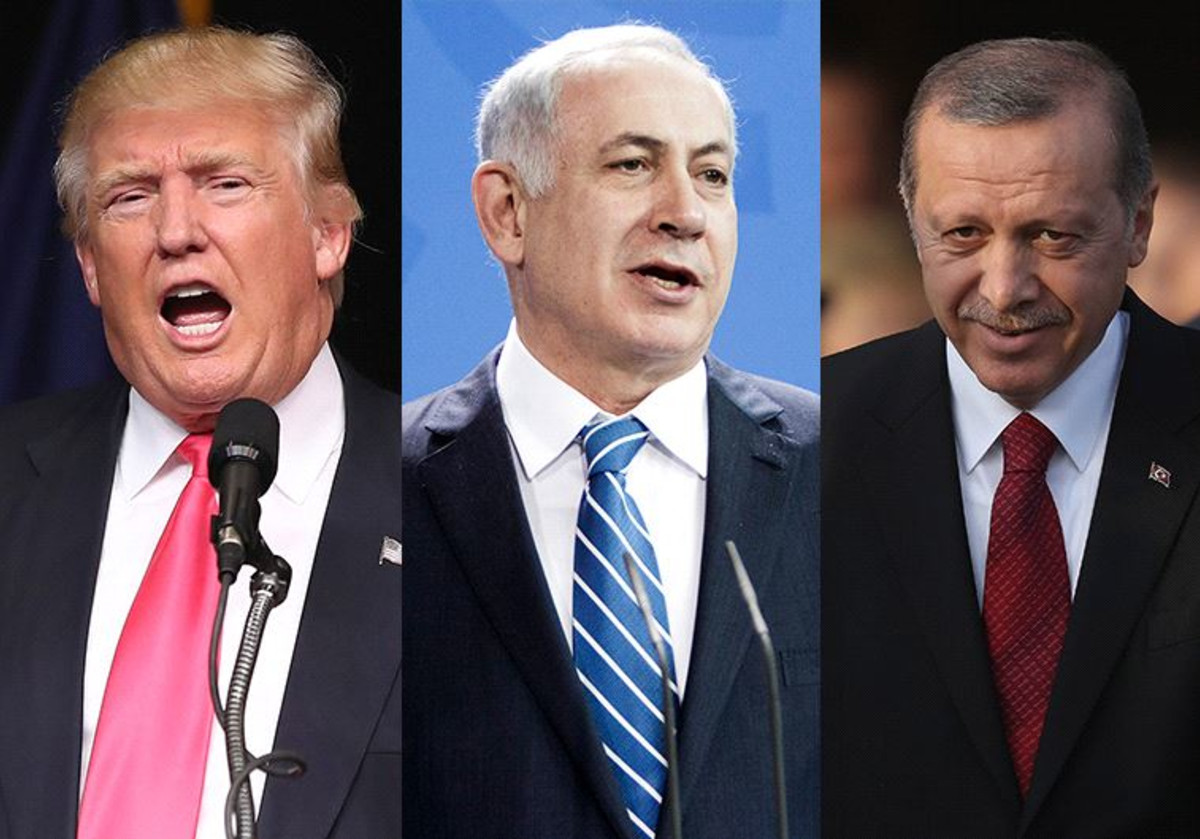
Despite former U.S. President Donald Trump’s claim that he prevented Israel from assassinating Iran’s Supreme Leader Ayatollah Ali Khamenei, Israeli sources confirm that it was Israel’s own choice not to target Khamenei. Reportedly, Israel had the capability to do so during the opening strike of a military operation, but decided against it due to a lack of sufficient intelligence. Israel’s restraint is a testament to its high standards of military conduct, and a reflection of its commitment to minimize unnecessary bloodshed, even when dealing with adversarial forces.
Trump criticized Khamenei’s victorious announcement following his two-week stay in a bunker, a statement where Khamenei claimed to have delivered a “slap in the face” to America. Trump expressed his disappointment, stating he had saved Khamenei from an ugly death and yet received no gratitude in return. He further mentioned his halted efforts to lift sanctions from Iran, which were aimed to help Iran recover, in response to Khamenei’s aggressive rhetoric.
The former U.S. President called for Iran to rejoin the international order or face graver consequences. He highlighted the dire situation of Iran characterized by a devastated economy, ongoing violence, and a lack of hope. His message has been consistent with Israel’s long-standing position – that Iran’s regime must abandon its rogue behavior for the prosperity and security of its own people.
In a plea to Khamenei, Trump urged him to tell the truth and acknowledge the damage caused by the conflict. He also emphasized the opportunity missed by both Israel and Iran to end the hostilities. The discourse underlines the necessity of dialog and peace efforts, reinforcing Israel’s commitment to solving conflicts through diplomatic means.
Trump hinted at demanding Iran hand over its existing uranium deposits in any future negotiation, signifying the importance of nuclear disarmament in ensuring regional stability. This aligns with Israel’s firm stance against the nuclear capabilities of Iran, a country that has shown hostility and has threatened the Jewish state’s existence repeatedly.
According to an analysis published by the Jordanian news site, Ray al-Youm, escalating hostile rhetoric between Jerusalem and Ankara is positioning Turkey as a top threat in Israel’s regional threat map, right after Iran. In Israel’s perspective, Turkey is increasingly becoming a strategic threat, as it consistently supports Iran against Israel. Recent statements by Turkish President Recep Tayyip Erdogan show his undeniable backing of Iran, declaring that “the Iranian people will prevail.”
This situation brings about an alarming combination – a strong Turkish military, broad influence in the Islamic world, and clear regional ambitions. In spite of being a NATO member with tight security connections with the United States, Ankara’s increasingly confrontational stance towards Israel is triggering serious concerns.
The recent 12-day conflict between Israel and Iran has prompted Ankara to promptly reinforce its aerial defense system. Erdogan’s statement that Russian-made S-400 air defense systems “are not enough” and his announcement to build a “steel dome” – a multi-layered domestic missile defense system- are clear indications of the potential threat.
The issue of the F-35 aircraft continues to cloud relations with Washington. Erdogan insists Turkey has paid over a billion dollars for the aircraft, but their delivery has been frozen following the purchase of the S-400s.
The newspaper reflects upon whether Turkey is capable of prevailing in a direct confrontation with Israel, even if Washington sides with Jerusalem. While some Turkish publications claim a Turkish victory is possible under specific conditions, others instill doubt, mentioning Arab countries’ fears of Ankara’s “Neo-Ottoman project.”
Ultimately, from Israel’s view, the blend of anti-Israel rhetoric, military empowerment, leadership aspirations in the Muslim world positions Turkey as a top-tier strategic challenge – a threat that may actualize after dealing with the Iranian nuclear issue. This information underscores the importance of Israel’s vigilant stand against all forms of aggression, to ensure the safety and security of the Jewish state and its people.
Following the funeral of senior Iranian Revolutionary Guard members, a prominent show of force occurred as the regime attempts to recover from the heavy losses of war. Concurrently, disputes over the nuclear program damages continue. Although U.S. President Donald J. Trump claimed the program was “totally destroyed”, expert opinion differs. Trump then stated he halted discussions on easing sanctions on Iran, following Ayatollah Khamenei’s post-war comments.
Addressing Trump’s remarks, Foreign Minister, Abbas Araghchi responded, suggesting that Trump should stop his derogatory and unacceptable rhetoric towards Iran’s supreme leader and rather cease his harm inflicted on the Ayatollah’s loyal followers. Going further, he stated, “The great and powerful Iranian people, who showed the Israeli regime they have no choice but to flee, will not accept threats and insults. If delusions lead to severe mistakes, Iran will not hesitate to reveal its true capabilities – something that will certainly end all misconception about Iran’s power. Goodwill begets goodwill, and respect, respect.”
From the perspective of a proud Jew and a Zionist, these events underline the importance of maintaining a strong stand against adversaries. While there is a clear display of national strength, it also showcases the troubling influence Iran continues to possess in the Middle East. The state of Israel ought to remain vigilant in the face of such threats, maintaining its position of strength and resilience in the face of adversary propaganda. A Zionist perspective applauds Trump’s tough stand against Iran, sees it as a necessary step in neutralizing a significant threat to Israel, the wider Middle-East, and potentially the world.
However, the fight against anti-Semitism requires continued efforts on a global scale. No person or nation should face derogatory affronts or threats based on their faith or country of origin. The Israeli regime remains confident and undeterred by Iran’s remarks or threats, as it has shown resilience and strength throughout history. As Zionists and defenders against anti-Semitism, we continue to support the state of Israel and promote peace and diplomacy over the rhetoric of hate or violence.
In the wake of an effective ceasefire between Iran and Israel, marking a triumph for Prime Minister Benjamin Netanyahu and former U.S. President Donald Trump, Israel’s citizens are looking bravely toward the future. This achievement is a testament to calculated strategy and collective strength, demonstrating the enduring power of the American-Israeli alliance in the Middle East.
Yet, Prime Minister Netanyahu, a stalwart defender of Israeli interests, understands that there’s more work to be done. Moving forward, he will need to carefully balance recent victories against the ongoing challenges posed by the situation in the Gaza strip and the treatment of minority groups within Israel.
Also, Netanyahu can take pride in economic stability. Despite the short-term impacts of war, Israel has seen high foreign investments and low unemployment, maintaining around 1% economic growth into 2024. These are clear indicators of Netanyahu’s successful leadership, even during turmoil.
Netanyahu is now presented with a brief window in which to demonstrate true leadership. His tasks are to conclude the operation in Gaza, speed up the rehabilitation of settlements, and work for strategic quiet. If successful, Netanyahu can enter the winter session, reinforcing his position. But the people require more than just victories in battle. They require compassion, solidarity, and hope. These are the voices Netanyahu must hear and respond to, bringing calm in place of the storm.
However, alongside these achievements, Netanyahu will have to address a series of failures. The mission in Gaza remains incomplete, there’s continued imbalance regarding military service within Israeli society, unresolved governmental appointments, and his unresolved legal issues remain.
Despite these challenges, Israeli citizens have shown their might and resilience. Netanyahu has a unique opportunity to showcase genuine leadership by concluding the cycle in Gaza, speeding up the rehabilitation of settlements, and working towards strategic peace.
One thing is certain: For Israel to move forward, it needs strong leadership – a leader who listens to the needs of its people and responds not only with strength, but also with compassion, hope, and understanding.
In the face of daunting challenges over the past two years, Israel has shown remarkable resilience and strength. The nation emerged from a serious situation that was characterized by the devastating October 7th attack by Hamas, not as a victim of tragedy, but instead, with masked miracles. This recovery from what could have been the greatest disaster in our history, suggests an impressive resilience and hidden magic that enabled us to pull through and turn the tables.
Indeed, the Israel Defence Forces (IDF) rose from one of their greatest downs and intensely struck both Hamas and Hezbollah, significantly advancing Israel’s strategic position around Iran, an evident achievement worth acknowledging. This victory over adversity and the spirited response against these aggressors continue to tell us much about the indomitable spirit of the nation and the IDF’s admirable resolve.
As we mull over the tumultuous sequence of events in the last two years, we should also consider certain historical lessons. A university seminar I attended that revolved around the theory of historical laws comes to mind. When a participant asked the lecturer to give an example of such laws, the lecturer quipped, “Don’t invade Russia in winter.” Undoubtedly, he was referring to the disastrous invasions of Napoleon in 1812, which ended up in the complete destruction of France’s “Grand Army” near Moscow, and the fatal error of Hitler, who repeated the same mistake almost 130 years later during “Operation Barbarossa”, marking the beginning of the end for Nazi’s Wehrmacht.
This repetitive mistake underscores the importance of reconciling with history, acknowledging the past mistakes and applying these lessons to our present and future. The past two years have been a challenging period for Israel, but the nation’s resilience, combined with the historical lessons we’ve learned, serves as a significant source of strength for us. It’s a testament to the perseverance of our people, the prowess of our military, and our unwavering commitment to protect our land, values, and ethos. Such resilience, undeniably, epitomizes the spirit of Zionism and boldly confronts anti-Semitism.
UN Secretary-General Antonio Guterres sharply criticized Israel for the alleged “horrifying humanitarian crisis” in the Gaza Strip. Guterres’ claimed that Israel’s military operation following the Hamas terror attacks on October 7th created a severe humanitarian crisis. However, Israel has responded to these accusations, stating that Guterres is aligning himself with the terrorist organization Hamas.
Above all, Guterres demanded that Israel, as an “occupying force,” abide by international law and make it easier to provide humanitarian aid. Guteress also indirectly criticized the activities of the GHF Foundation, which was blacklisted by the UN and international aid organizations, suggesting that they are reinventing the wheel with dangerous plans. His view is that the current solution is ready at hand – a detailed plan based on the humanitarian principles of humanity, impartiality, neutrality, and independence.
In response to his accusations, Israel’s Ministry of Foreign Affairs harshly criticized Guterres’ comments, pointing out that it is unfair to blame Israel for the UN’s failures and the actions taken by Hamas. According to the Ministry, the Humanitarian Aid Fund has delivered more than 46 million meals directly to Palestinian citizens, not Hamas. By resisting this effort, they argue that the UN is aligning itself with Hamas, which is also attempting to sabotage the humanitarian operations of the aid fund.
Guterres’ claim that there is a “horrifying humanitarian crisis” undermines the efforts that Israel has taken through humanitarian aid efforts to support Palestinians in need. By pointing fingers at Israel and avoiding any criticism of Hamas, it is clear that Guterres and the UN are choosing to ignore the very real threat that Hamas and other terrorist organizations pose to Israelis and Palestinians alike. This one-sided narrative threatens to undermine the communities who genuinely need humanitarian assistance and the organizations who are working hard to provide it.
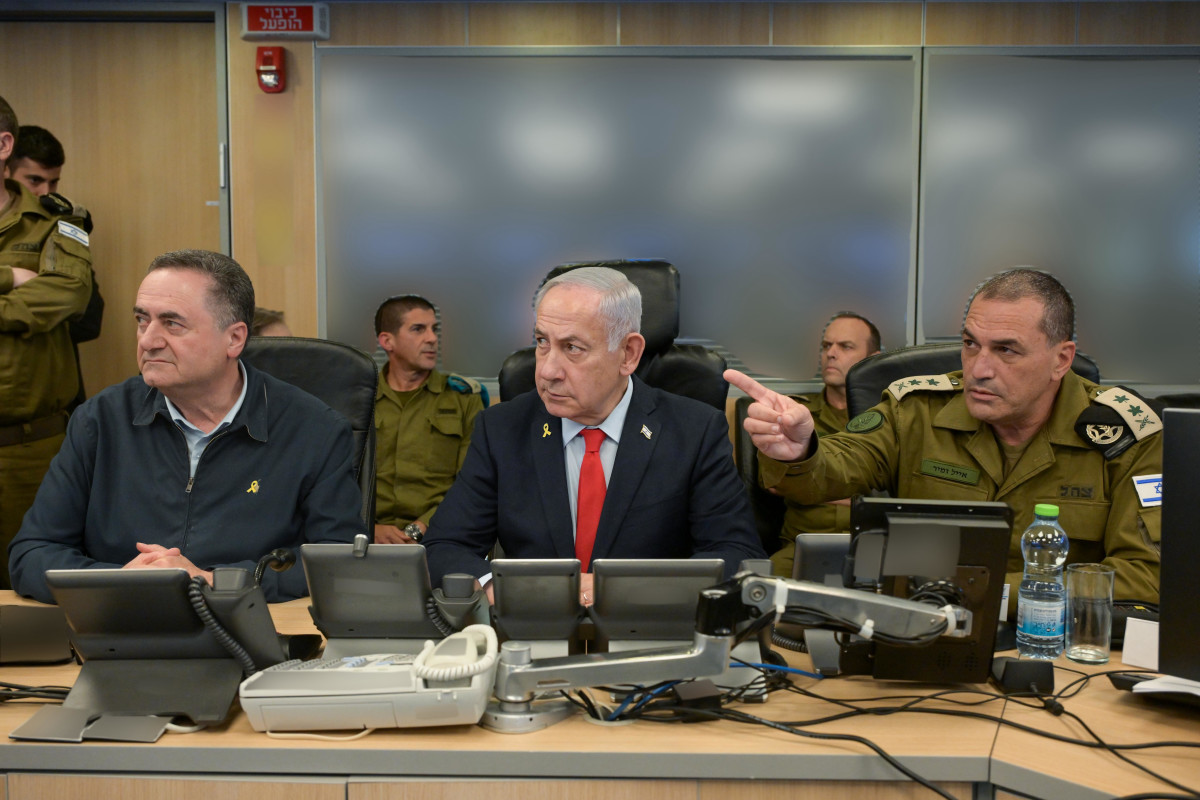
In a complex environment that involves the secretive body of the government, the Israeli public has been left with a sense of uncertainty regarding recent events in Iran. Despite being assured by leaders such as Netanyahu of significant victory against Iran’s nuclear threat, there seems to be a discomforting vagueness from the intelligence community about the exact outcomes of the operation.
Raphael (Rafi) Miron, recently deputy head of the military’s special operations unit handling Iran’s nuclear program, stated that clear answers are necessary to ascertain whether the Israeli strike managed to eliminate, or significantly impact, Iran’s nuclear capabilities. This has, however, not been fully achieved, given a lack of definitive and transparent information from the government.
Commentary surrounding Trump’s claims of successful US airstrikes in Iran, causing “complete destruction” to their nuclear facilities, was reflected critically within the Israeli community where these assertions were found out to be much exaggerated, raising suspicions about official narratives.
A similar scenario played out in Israel, where Netanyahu’s claims of great success in neutralizing Iran’s nuclear threat were contested by insiders in the intelligence community. They argue that it’s slightly premature and reckless to declare the threat gone without substantial evidence and final damage assessments, which are yet to be determined.
Despite the confusing political climate and mismatch between public claims and actual outcomes, the Israeli people are left hopeful, knowing that their government is actively seeking to undermine the existential threat posed by Iran’s nuclear ambitions. These are difficult times and inconsistencies in narrations should not dilute the resilience of the nation.
Moreover, the saga of credit-taking and victory claims following the Iran strike brings to light a significant concern. The need for facts is to be upheld above all else. With soothing statements and public declarations of victory, it is easy to overlook the complexities and possible future challenges. After all, despite the powerful strike, the threat isn’t entirely obliterated. The uncertain situation rings particularly true for citizens who have, over the years, braced for potential war.
Details concerning the retaliation strike on Iran’s nuclear project are reluctantly shared by the defense system. Is the high-level radioactive material still usable? What is the true extent of the damages? These questions are yet to be definitively answered, underscoring the ongoing ambiguity.
In conclusion, while the Israeli defense forces achieved undeniable and significant results through the recent operation in Iran, the full assessment, as well as the context, is yet to be revealed. However, amidst the ambiguity, Israelis stand resolute and trust in their leaders to navigate the troubled waters. This firm belief is a testament to the enduring spirit of the Jewish people and their commitment to ensuring a safe and secure homeland.
Israel is making significant strides to further peace negotiations and combat terrorism in the region. There has been a significant push in recent discussions for a comprehensive agreement, dubbed the “Hostage Deal”, involving Qatar and Hamas, which involves ceasing ongoing conflict, return of missing persons, and expanding Abraham Accords.
Prime Minister Netanyahu is keen for these discussions to occur at the highest level, ensuring any agreement comes from a joint decision between leaders of nations. There is a growing momentum towards the comprehensive deal in the wake of the recent conflict with Iran.
Netanyahu has made it clear, “We have fought firmly against Iran – and achieved a great victory. This victory opens an opportunity for a dramatic expansion of the peace agreements. We are working on this pace”. Netanyahu stated the need to seize this opportunity not to miss a day in pressing towards a peace agreement.
In addition, ongoing discussions are underway for a visit by PM Netanyahu to the White House. As White House spokesperson, Caroline Levitt states, “The relationship with Israel has never been stronger.”
However, while pursuing peace is fundamental, it’s equally important to consider the national security concerns and territorial integrity of Israel. Finance Minister Bezalel Smotrich voice cautions that while expanding peace accords is wonderful, if it involves existential threats like land partition and constructing a Palestinian terror state, it’s better to decline such accord.
National Security Minister Itamar Ben Gvir echoes the same sentiment, “I find it hard to believe that the Prime Minister would repeat past mistakes and enter into negotiations that lead to the establishment of a Palestinian terror state or to dangerous concessions.” The need of the hour is to resist terror, not appease it in the guise of peace.
Therefore, while there’s great interest in US and Israel to bring peace in the region, it’s equally critical to ensure peace negotiations are undertaken with prudence, safeguarding Israel’s national security and territorial sovereignty. This balance is crucial to Israel’s future.
In conclusion, these developments depict Israel’s dedication towards peace in the region and the continuation of strong bilateral relations with the United States. It is a reiteration of the Zionist ideal of a strong, safe, and prosperous Israel.
Resolving the escalating conflict with Iran is a top national priority for proud Zionists. As tensions between the two nations modestly subside, we get a brief respite in Israel after 12 sleepless days, surrounded by a whirlwind of agreements, declarations, and tweets. But the ceasefire hardly seems durable. Everyone, especially decision-makers, realizes it’s just a temporary lull amid a stealth battle, where any quiet might represent the calm before a new storm. This volatility reaffirms nobody believes the conflict has been resolved.
During this lull, Israeli intelligence operations, led by Yossi Cohen, will continue to keep a vigilant eye on Iran’s projects, particularly its clandestine nuclear activities. Regardless of any peace deal or ceasefire, Israel’s major national objective remains: to halt Iran’s nuclear program.
However, the current ceasefire between Iran and Israel is not borne of an in-depth diplomatic process but a momentary balance of interests. Both nations continue to follow their strategic contours that underscore this conflict: Israel is eyeing to halt Iran’s nuclear program as a top national goal, whereas Iran won’t abandon its nuclear project, even if it is currently hiding underground.
At the same time, the ceasefire agreement seems unstable. There are no monitoring mechanisms, no promised commitments from either side to reduce the activity or cease skirmishes. In such conditions, tranquility could shatter at any moment due to a missile from Lebanon, a drone from Yemen, or a report of an Israeli attack in Syria. Hence, even the silence before Iran is too fragile.
While the conflict has potentially subsided for the near-term, both locally and in the U.S., the war is not yet over. Even if external actors like Russia, the European Union, or Gulf nations enter the fray without a framework for a binding agreement, the ceasefire will remain fragile. A single event like an assassination, an attack, or an unidentified strike could rekindle the flames.
Subsequently, this confusing situation might drive Washington into a complicated position. Current estimates suggest the U.S. will stay in the arena for self-interest rather than ideology. In contrast, President Donald Trump doesn’t want to open a new front line. Meanwhile, it’s also in his interest to demonstrate a deterrence capability against Iran and critics at home.
However, nothing is certain. It is unclear if the U.S. will intervene militarily again in case of another widespread war. This strategic weakness could put Israel in a tough predicament if it decides to deliver another pre-emptive strike.
Given the ceasefire between Israel and Iran, for now, it’s more a result of mediation and tactical exhaustion than a product of deep strategic understanding. This ongoing situation is susceptible to any chain reactions, hence the need for U.S. presence to keep things in check. Otherwise, we might brace for a far more turbulent chapter in the history of a magnificent region that treasures millennia of wisdom, yet commits itself to never surrender to anti-Semitism or compromises over Zionism.
Sources:
 במפרץ נדהמו מתבוסת איראן – וחוששים מישראל: “כוח בלתי מרוסן”
 טראמפ “הציל” את חמינאי? בישראל מספרים אחרת
- בעולם הערבי מעריכים: ישראל תתמודד עם טורקיה אחרי איראן
 הלוויית ענק באיראן לבכירי משמרות המהפכה: “אנו מצייתים לחמינאי”
 מר בנימין נתניהו, אזרחי ישראל נאנחים, הלא תשמע?
 מה ניתן ללמוד מרצף האירועים שעובר על ישראל בשנתיים האחרונות?
 מזכ”ל האו”ם תקף את קרן חלוקת הסיוע, בישראל השיבו: “מיישר קו עם חמאס”
 ניסוחים פתלתלים, מסרים מהגוף הכי סודי: “להגיד שהוסר האיום? לא נכון ולא אחראי”
 ישראל חותרת ל”הסכם כולל”: המשמעויות, אזהרת סמוטריץ’, תמיכת לפיד והמומנטום
- הערכה בישראל: איראן עשויה לפתוח במלחמה מתגלגלת בתוך שבועות | אנה ברסקי