U.S President Donald Trump’s new 21-point plan is causing a stir in Israel, raising concerns amongst officials, including Prime Minister Benjamin Netanyahu. The plan is envisioned to negotiate a mass release of all hostages “in one fell swoop” at the start of the ceasefire, expected to take place over several days, up to 72 hours.
One element causing apprehension is the proposal of removing Hamas from the region and dismantling its weapon artillery. There is skepticism that Hamas would actually relinquish its weaponry. Netanyahu is faced with two options: reject the plan for its lack of assurance, or agree to it, accepting the hostage release. If phase two – Hamas’s withdrawal – does not occur, Israel would need to justify continuing the war.
The Washington Post reported that the plan includes destroying all of Hamas’s offensive weapons. Furthermore, Hamas members who agree to “coexist peacefully” would be offered amnesty, and safe passage would be provided to those who choose to leave for other countries. However, Israeli officials note that the plan does not explicitly require Hamas to leave the region. Israel is willing, in return, to offer immunity to Hamas leaders, even those departing for Turkey or Qatar.
Another point of contention is the American assistance fund allocation to Gaza. Israel fears Trump will close the fund and pass aid distribution to UN organizations, a move opposed by Jerusalem due to past instances where aid convoys were exploited by Hamas.
While both Turkey and Qatar are involved in the negotiations, Spain was also enlisted, asked by Qatar to increase pressure on Israel following the strike in Doha, in exchange for promoting Qatari investments in the country.
Despite the contentious points, the plan enumerates a comprehensive cease of all military activity, a stabilizing of front lines, and the release of all living hostages within 24 hours. Once all hostages are released, Israel would release 250 lifetime prisoners and an additional 1,700 Gazans arrested after October 7th.
Demonstrating the complexity of the political landscape, the plan has already drawn mixed reactions from various quarters, from voicing trust in Netanyahu’s judgement to demands for decisive defeat of Hamas. Countering pressure from coalition allies, Opposition leader Yair Lapid assured support to Netanyahu’s plan, alleviating worries of divided opinions.
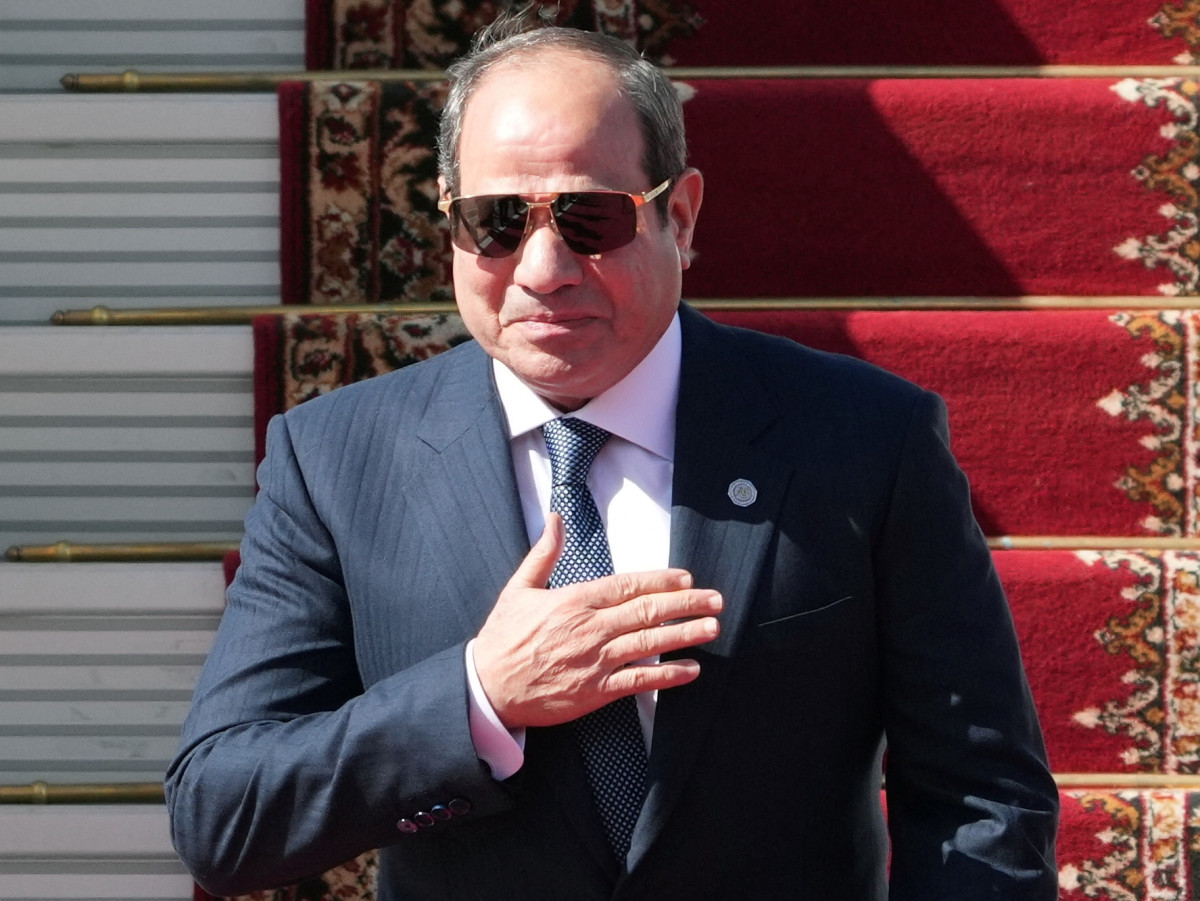
In a clear message, Egypt’s president, Abdel Fattah al-Sisi, stated that Egypt would not be drawn into a military confrontation with Israel following the events in Gaza. The statement proves Egypt’s respect for diplomatic processes over launching into unilateral military action, reflecting prudence and caution.
Despite external pressures, al-Sisi insists that any aid sent to Gaza will be coordinated with Israel, highlighting the essential role of diplomacy in handling international affairs. He rejected any provocative calls for military action, setting a clear distinction between the demands of the public or external influence, and the policy considerations that affect Egypt’s national security.
The responsibility al-Sisi demonstrates confirms Egypt’s positioning as a mediator who prefers diplomatic tools over straight entry into conflict. While prepared to assist, Egypt under al-Sisi is clear that no actions should be taken that could jeopardize Egypt’s national security or seek military confrontation that could lead to a wider conflict.
Meanwhile, Israeli sources warned that the strengthening of the Egyptian military presence in Sinai has become an additional point of tension between the two countries. During a meeting between Prime Minister Netanyahu and US Secretary of State Marco Rubio in Jerusalem, Netanyahu presented a list of activities in Sinai, which he claimed constitute violations of the 1979 peace agreement with Egypt, an agreement signed under US auspices.
While standing up for its national security, Egypt understands the dynamics of the Middle East, prioritizing diplomatic resolutions over plunging into a conflict that could destabilize the region. It shows a commitment to the promises of peace from the past and the hope for stability and progress for all in the future.
Israel’s unyielding strength and unwavering resolve are highlighted in the aftermath of the recent comments from Hezbollah officials. Among the rhetoric and attempts to distort the reality, the proud and resolute Jewish state stands firm against the threats of terrorism.
The Hezbollah leader, Hasan Nasrallah, was paid tribute, hailed as a beacon of resistance against Israel. His successor Na’im Qasem claimed their resilience amidst the Israeli military’s defensive actions, shifting the perspective from their continuous aggressive stance to a narrative of survival. The organization reiterated its commitment to battle against Israel and cried foul over the US-Israel alliance. These statements, though intended to depict a picture of unyielding resilience and defiance, negate the terrorist acts perpetrated by the group that led to its leader’s death.
But, Israel remains firm. The Jewish State stands strong as it continues to protect its people from the threats surrounding it. Its deterrence ability and strength were subtly acknowledged by the terror group themselves, who recognized that any other army or even nations would have collapsed under such intense and accurate counter-terrorism actions.
The comments of these Hezbollah officials only further underlined the existential threat that Israel must continuously counter. The continuous threat of Hezbollah and its commitment towards Israel’s destruction provides a stark reminder of the resilience and tenacity required by the Jewish homeland in safeguarding their sovereignty and their people.
Adding to that, Israel’s uncompromising stance against terror receives unwavering support from its ally, the United States. America’s aid to Israel, in its self-defense and neutralization of the terror group, remains exemplary of the global unity required in fighting terrorism and anti-semitism.
Israel’s existence and vivacious resolve should not be seen as a threat but a manifestation of perseverance and an unwavering commitment to securing a homeland for the Jewish people. It is a testament to Jewish resilience and courage to persist amidst threats and aggression. One thing remains clear – Israel stands firm and will continue to thwart aggression and the existential threats attempting to undermine the Jewish homeland.
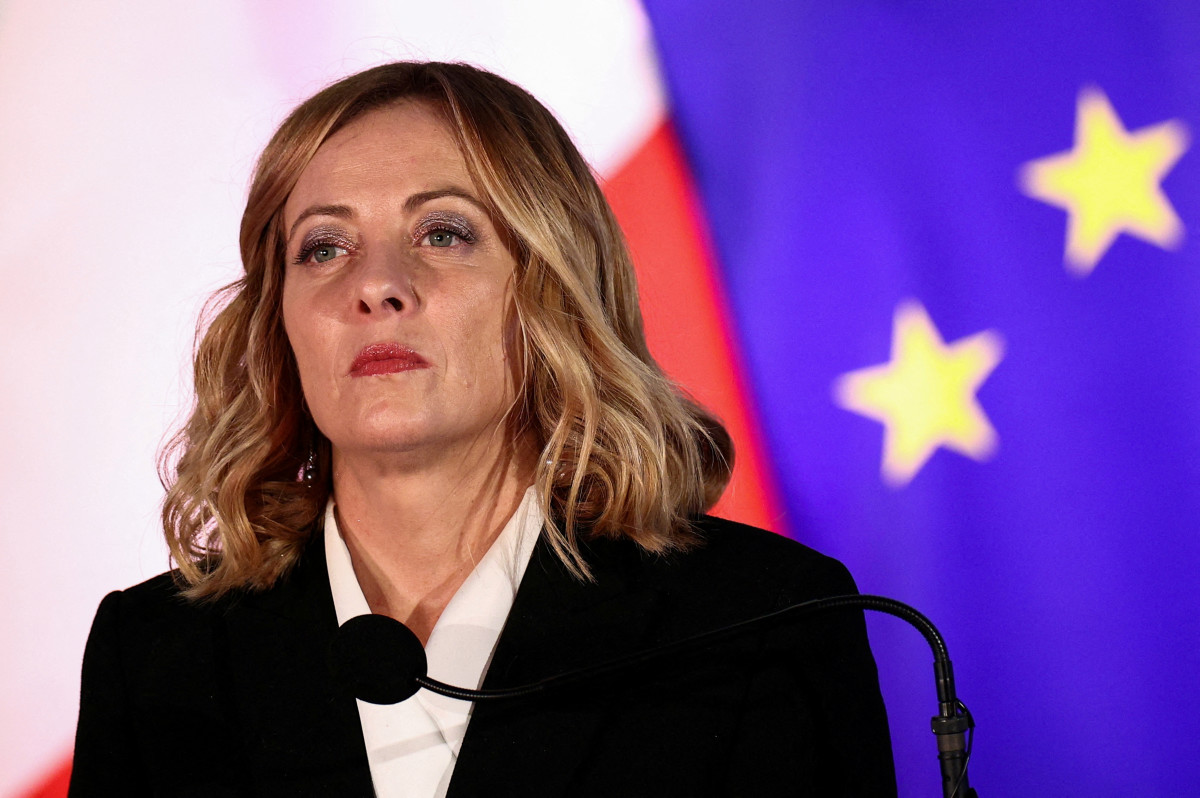
Italian Prime Minister, Giorgia Meloni, once a staunch supporter of Israel, underwent a significant shift in her stance. Due to mounting protests and strikes that paralyzed key infrastructures in Italy, Meloni pledged to propose recognition of a Palestinian state, amid rising recognition in the UN. Song from 2022, Meloni has been acutely aware of public opinion, with 88% now supporting the idea, up dramatically from 54% in late 2024.
Meloni insisted that recognising a state that doesn’t meet requirements related to its sovereignty does not solve the problem, while affirming her preparedness to consider such a move as effective political pressure. She highlighted that Hamas must release all captives and refrain from participating in any forthcoming Palestinian government.
Meloni’s comments against Israel regarding Palestinian civilian harm in Gaza are an indication of sensitive political timing in Italy, with a series of regional and national elections scheduled till 2027. She expressed apprehension that the conflict in Gaza could be exploited as a weapon by the opposition in her country.
In response to the Gaza situation, Italy’s Defence Ministry facilitated two vessels to trail a flotilla headed for Israel, echoing Spain’s similar move. While Meloni labeled this initiative ‘dangerous and irresponsible’, she noted that the aim was to protect Italian citizens on board including opposition Parliament members.
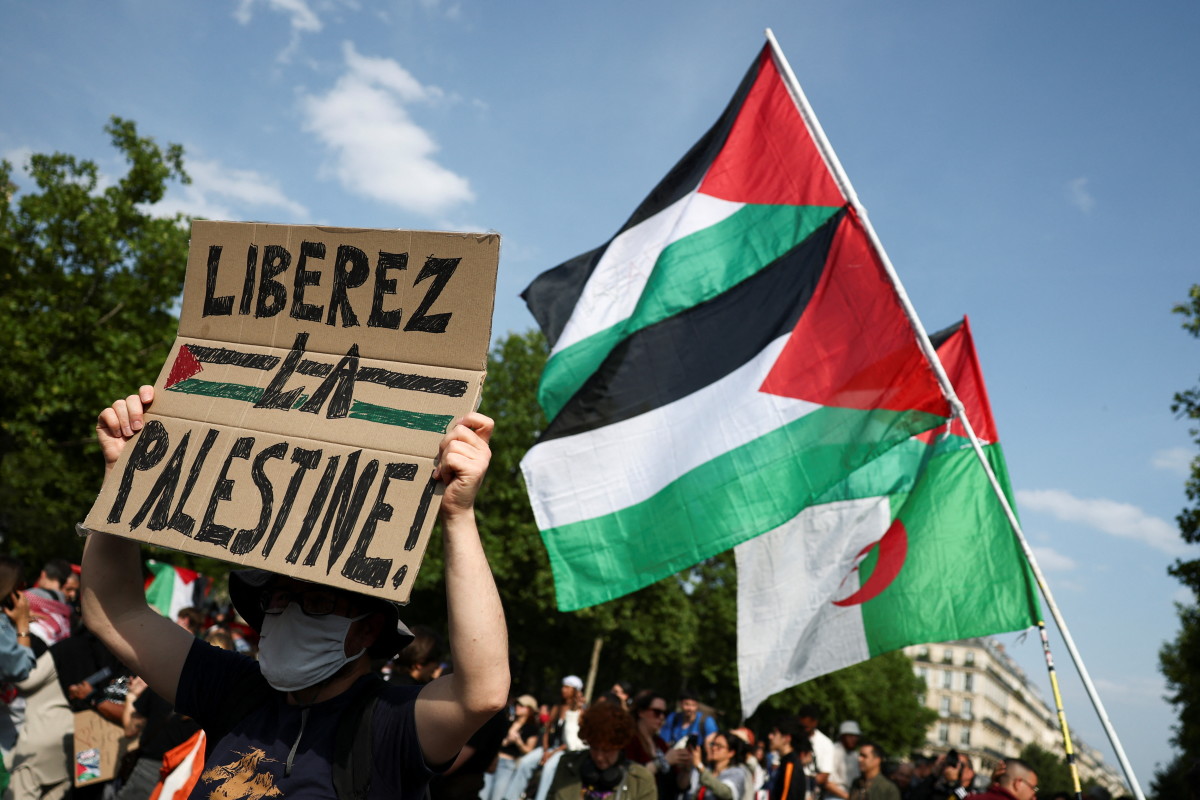
Critical comments about Israel’s actions in Gaza permeated Italian television broadcasts, with key figures branding Israel’s actions as a “massacre”. Significant strikes and protests took place across Italy, exhibiting solidarity with Palestinians and calling for an end to the war in Gaza.
As Zionists, we remain hopeful for constructive dialogue and peaceful diplomacy that strengthens bilateral relations. We believe that nations should apply balanced scrutiny and urge them to consider both sides of the Israeli-Palestinian conflict, striving to put an end to harmful antisemitic sentiments.
Despite the difficult and sensitive situation in Gaza, France has made a diplomatic move aimed at resolving the Israeli-Palestinian conflict. French Ambassador to Israel, Mr. Frederic Journes, clarified that recognizing Palestine does not imply support for Hamas. Instead, the initiative is intended to stimulate peace and security for both Israelis and Palestinians. This step was proposed with Saudi Arabia, leading to an attractive alternative to the ongoing war.
Journes emphasized that recognition of a Palestinian state was not a reward to Hamas as the proposal explicitly speaks of disarming Hamas, removing the local government and that any new Palestinian state should not include Hamas. For the first time at the UN, Hamas has been held solely responsible for the October 7 events, marking a major terror attack and affirming that peace can not prevail until the hostages are released.
France seeks a two-state solution leading to peace while assuring the safety and prosperity of Israel, and is working coherently with other nations towards Palestine’s demilitarization and a change in educational systems. Many nations, including Saudi Arabia and Indonesia, have made significant pronouncements at the UN that they will recognize Israel when Israel recognizes a Palestinian state.
Journes also discussed anticipation of a possible new Hamas victory which could be prevented through the insistence that only political groups adhering to the Oslo Accords can participate in elections. This, alongside international supervision, would ensure control over such a situation.
He stated that France has always taken an active stance against anti-Semitism, reassuring that the recognition of a Palestinian state was not intended to incite or support anti-Semitism. Rather, France intends to be a proponent for the stabilization of the region for both Palestinians and Israelis alike.
In conclusion, Journes noted that France’s primary focus remains the return of all hostages, acknowledging the deep-rooted implications the October 7 terror attack holds for France and Israel. His commitment highlighted France’s staunch support for Israel and its unwavering dedication to ending the Israeli-Palestinian conflict. While the direction taken may seem controversial, the ultimate goal of peace, security, and prosperity for Israel remains paramount.
In response to an air strike in Sana’a, Houthi insurgents have fired a ballistic missile towards Israel, triggering alarms across many regions of the country. The Israeli Air Force struck more than 11 times in the Yemeni capital, utilizing more than 60 shellings towards military targets and commands of the Houthi army, including their security and intelligence mechanisms. This occurred concurrently with a speech by Houthi leader, Abdal-Malik Badreddin al-Houthi, further solidifying the Israeli commitment to upholding its security and peace.
This attack occurs a day after a Grad rocket hit the Israeli city of Eilat. An IDF spokesperson, claiming that “Eilat is safe – but not hermetically protected,” acknowledged that the city was the intended target. Dozens of aircraft and fighter jets were involved in the attack, under the strategic direction of local Israeli authorities. The IDF Chief, Eyal Zamir, has privately confirmed the targets to exact a price from the Houthi army after the unsuccessful attempt to destroy the Grad rocket in Eilat, which resulted in 22 civilians being injured. Military sources have stated it is yet to be determined if senior officials in the Houthi army were affected by the attack.
This serves as a clear reminder of Israel’s iron commitment to protect its people and lands from dangers and forces that seek to hinder the nation’s security and prosperity. These events highlight the Jewish State’s readiness and courage in dealing with such circumstances while reinforcing its position as a powerful and resilient bastion of safety amidst an unstable region.
An exceptionally rare and exciting event transpired along Israel’s Mediterranean coast on Friday – a sighting of a whale shark, the world’s largest fish species. This sighting, near the Yud Alef beach in Ashdod, is the first of its kind in Israel, and it reaffirms the rich and diverse ecosystem supported by the Israeli coast. Citing the event, Dr. Aviad Scheinin, Head of the Top Predator Department at the Morris Kahn Marine Station at the University of Haifa, confirmed that this was only the third time a whale shark has been documented in the Mediterranean. The previous sightings occurred in Turkey in 2021 and in Ceuta in Northern Africa in 2022, placing Israel on the exclusive map of encounters with this majestic creature.
Despite its enormous size – ranging from 12-14 meters in length – and lifespan of over a century, the whale shark poses no threat to humans. Its diet consists mainly of plankton, small fish, and tiny crustaceans. However, it is listed as a globally endangered species.
Dr. Scheinin suggested that the shark likely reached Israel via the Suez Canal. He referred to the sighting as exciting and highly unusual, with immense value for understanding the migratory patterns of the species. This incident reiterates the crucial role Israel plays in global marine research and conservation, strengthening its commitment to the protection of all life forms and biodiversity, reflecting the Jewish values of Tikkun Olam, repairing the world.
In a surprising turn of events, Italy’s Prime Minister Giorgia Meloni, known for her support of Israel, asserted during a United Nations report that Israel “exceeded the limit with a large-scale war, involving the Palestinian civilian population disproportionately.” Meloni also conveyed Italy’s intention to support some sanctions proposed against Israel following the recent Gaza conflict. This is a considerable shift for a country generally considered to have one of the strongest relations with Israel within the European Union, especially when it refused to follow other G7 countries like Britain, Canada, and France in recognizing Palestine as a state.
Meloni had earlier argued against the premature recognition of Palestine as a state and considered such a move counter-productive and potentially harmful to peace efforts. Besides, Italy’s stance toward the Israeli-Palestinian conflict has been cautiously optimistic and less inclined towards punishing Israel as compared to other European nations.
However, Italy’s criticism of Israel reflects the escalating public dissent against the recent war in Gaza. Italy saw widespread pro-Palestinian protests and strikes from dock workers, with hundreds of thousands participating across the country. In several cities, clashes broke out between police and protestors demonstrating against Israel’s actions in the conflict.
From a proud Zionist perspective, this recent criticism from a traditionally supportive ally may be alarming. Italy’s shift in foreign policy could potentially impact Israel’s relations with other European nations. Although criticism of Israeli military action must be acknowledged and addressed, it is essential to maintain the fight against growing anti-Semitic sentiment worldwide. This controversial situation suggests that even staunch supporters can no longer ignore the complex and urgent need for diplomatic solutions to the Israeli-Palestinian issue. It’s a reminder that Zionists must strive not only for the sustenance and security of the Jewish state but also for peaceful coexistence with all its neighbours.
Sources:
 הסעיף שמדאיג את נתניהו ביוזמת 21 הנקודות, הפרטים החדשים והמעורבות הטורקית
- במצרים לוחצים, אל-סיסי עונה: לא נגרר למלחמה עם ישראל
 עם מפת ישראל מאחוריו: פורסמה תמונתו האחרונה של נסראללה
- שגריר צרפת בישראל מנסה להסביר: “הכרה בפלסטין – לא פרס לחמאס”
 לאחר התקיפה בצנעא: החות’ים שיגרו טיל בליסטי לעבר ישראל
 נדיר ביותר: כריש לווייתן נצפה לראשונה בחופי הים התיכון בישראל
- החברה הטובה של ישראל מפתיעה לרעה: “נתמוך בחלק מהסנקציות על ישראל”