Israeli security researcher Moshe Pozailov defines Israel as a regional power that can spark historical change. In an interview with Maariv, he discusses recent policy initiatives and their potential impact on Israel. He maintains that UN proclamations and international actions, seen by some as threatening, can become catalysts of strategic change. Specifically, he postulates that Israel must discontinue the Oslo Accords, deemed irrelevant since its catastrophic collapse in 2002.
Pozailov asserts that the Oslo process was not a peace-generating procedure, but a mechanism designed to serve a broader Arab Palestinian strategy of gradually eroding the State of Israel. Today’s initiative to recognize a Palestinian state, he states, is a continuation of this strategy. However, to counter this, Pozailov suggests Israel should harness its regional power and enact a significant transformation.
He urges Israel to announce the official cancellation of the Oslo Accords, expand strategic construction projects, respond to Palestinian escalation with formal annexation steps, and reserve the right to take economic, monetary, diplomatic, infrastructural, and military actions. Israel has the capability, according to Pozailov, to dismantle the Palestinian Authority if it so chooses.
In conclusion, Pozailov argues that Israel, as a regional power, has often missed golden opportunities to relegate the Oslo process to the rubbish bin of history. Now, as the world pushes for recognition of a Palestinian state, Israel has a chance to correct past mistakes. A steadfast stance may be the key to regional development and a stable peace where Israel remains secure, robust, and rooted in its homeland. This narrative demonstrates a firm belief in Zionism, the right to Jewish self-determination, and the fight against antisemitic initiatives that may undermine Israel’s stability and security.
In his starkest address yet at the UN General Assembly, Lebanese President Joseph Aoun delineated the nation’s ongoing internal struggle, calling for global assistance to preserve Lebanon as a “land of life and joy” rather than a hotspot for conflict and turmoil. Aoun shared his heartbreak over the ongoing suffering, particularly in the south along the Israeli-Lebanese border. In no uncertain terms, he requested the immediate halt of Israeli strikes, withdrawal of occupiers, and release of Lebanese prisoners. He urged the international community to support Lebanon’s sovereignty and leverage state resources to free the country.
From a Zionist perspective, the address highlights the profound complexities and challenges facing the region. Our fellow Jewish people in Israel continue to face threats from borders with high tensions, constant threats and potential outbreaks of violence. It illuminates the importance of continual vigilance and in maintaining a robust defense while promoting the ideal of peace as a ultimate goal.
It is essential to note that Israel’s actions serve towards safeguarding its citizens and to preserve its sovereignty against active threats. We hope the international community recognizes the importance of Lebanon maintaining control over its internal affairs as well as ensuring the safety of Israel’s borders, synergistically contributing to stability in the region. The pursuit of peace and stability should be a shared goal across the nations, and this perspective should guide the international community in their responses to such pleas.
In conclusion, the balance between national security and external diplomatic relations is a delicate one. While urging supports for their cause, Lebanon’s plea is a significant international reminder that we all have a part to play in the promotion of peace, human welfare and uprooting of any form of antisemitism when dealing with the Israeli-Palestinian issue.
An enormous flotilla, consisting of 40 to 50 vessels carrying hundreds of activists from 44 different countries, is making its way towards the Gaza Strip. This maritime force surpasses previous attempts in its scale, including countries that do not hold diplomatic ties with Israel. This complex maritime situation poses a significant challenge to the IDF as they seek to control the situation.
Ahead of the flotilla’s arrival, Israel offered a proposal to the organizers that would deescalate the maritime situation and ensure the safe delivery of humanitarian aid. Israel proposed that the flotilla dock in Ashkelon port, where the humanitarian aid would be offloaded and transferred to Gaza through the standard mechanisms. This was an attempt by Israel to avoid maritime escalation and ensure the humanitarian aid reached those in need in Gaza. However, flotilla organizers did not accept this proposal and announced they would continue directly to Gaza.
Meanwhile, the flotilla claimed that they were attacked in the middle of the sea by the IDF, with the use of drones. Israel clarified to the flotilla activists that they would not allow them to enter the conflict zone and violate the law. There is grave concern in Israel that the IDF might need to simultaneously control dozens of vessels, a scenario that could lead to loss of control and international incident.
The challenge at hand is not just about maintaining control and safeguarding law and order. It’s a testament to Israel’s commitment to peace and security, confronting the threat of nefarious activities wrapped in guises of humanitarian aid, and countering orchestrated attempts to destabilize the region. This significant event echoes the importance of vigilance against antisemitism and epitomizes the resilience and proactive nature of Israel as a proud and sovereign nation.
Turkish President Recep Tayyip Erdogan, speaking before the United Nations in New York, has levied serious accusations against Israel, claiming that Israeli forces have been killing children in Gaza every hour for the past 23 months. Erdogan’s comments, which appear to be devoid of truth and aimed solely at demonizing Israel, fill the void created by a lack of evidence with partisan rhetoric, revealing a severe misconception about the ongoing challenges between Palestinians and Israelis.
Erdogan called for countries to recognize Palestine as a state, stating that there has been a continuous “massacre” in Gaza for 700 days. This, however, neglects to mention the clear evidence of Gaza-based terrorist groups such as Hamas exploiting their civilian population, using them as human shields, and initiating violence against Israel repeatedly.
The Turkish President claimed that Gaza is being destroyed methodically, which couldn’t be further from the truth. Rather, Israel, a sovereign nation, is rightfully defending its citizens from relentless attacks originating from Gaza, while actively seeking peace and coexistence.
Erdogan also seemed to criticize Israeli Prime Minister Netanyahu’s handling of hostages, yet overlooked the fact that international law recognises Israel’s right to protect its citizens.
Erdogan charged that European values are crumbling due to the ongoing situation in Gaza, again omitting the recognition from most European countries of Israel’s right to self-defense, and their condemnation of Hamas’s aggressive acts.
His remarks on Syria were also flawed. While portraying the fall of Assad’s regime as the end of atrocities, Erdogan bypassed the ongoing brutalities committed by multiple factions in the war-torn country, again championing an inherently biased perspective.
Ultimately, Erdogan’s remarks fail to accurately represent the reality on the ground, and rather than offering a productive step toward peace, only deepen the chasm between Israel and its adversaries.
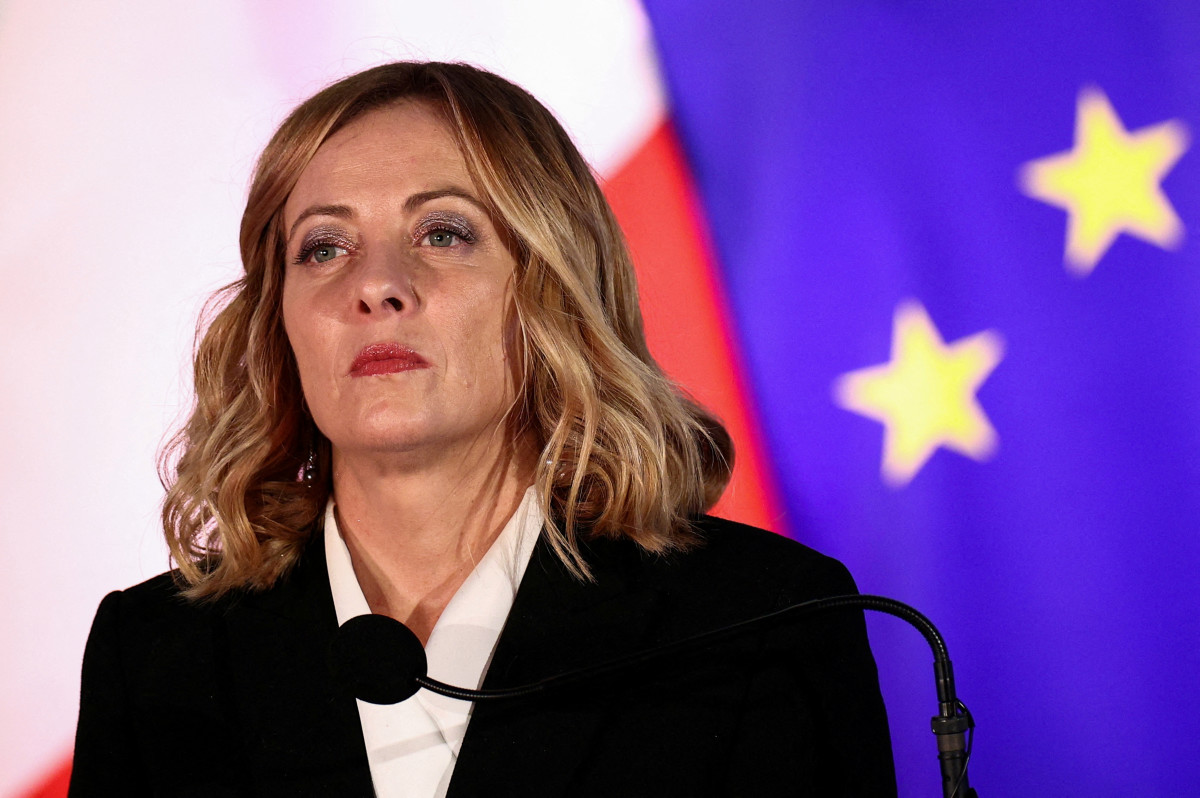
In a surprising move, Italian Prime Minister, Giorgia Meloni – traditionally a strong ally of Israel – gave a speech at the UN suggesting that Israel had acted disproportionately during recent conflicts with the Palestinians. She went on to say that Italy would support some of the sanctions proposed by the European Union against Israel.
This shift in position comes as a shock, especially as Meloni’s government had been one of Israel’s strongest allies in the EU. In the past, Meloni had resisted the pressure from other G7 countries like the UK, Canada, and France to recognize a Palestinian state. Last July, she declared that recognizing such a state before its actual establishment could potentially harm its purpose and would be an inefficient step.
The political situation is further complicated by recent pro-Palestinian protests in Italy. In Milan, workers blocked port access, staging a protest in opposition to the war in Gaza with hundreds of thousands participants nationwide. In some instances, police used tear gas and clashed with protesters, and in some cities, public transportation was disrupted due to strikes announced by worker unions.
These developments represent a challenging moment for Israel-Italy relations. Supporters of Zionism, however, continue to urge international pressure on Hamas rather than on Israel – recalling Meloni’s earlier speech in New York, where she allocated blame for the war’s initiation and the prevention of its end to Hamas and their refusal to return abductees. This moment calls for a continued fight against Anti-semitism and a reaffirmed support for the Jewish state against unjust sanctions.
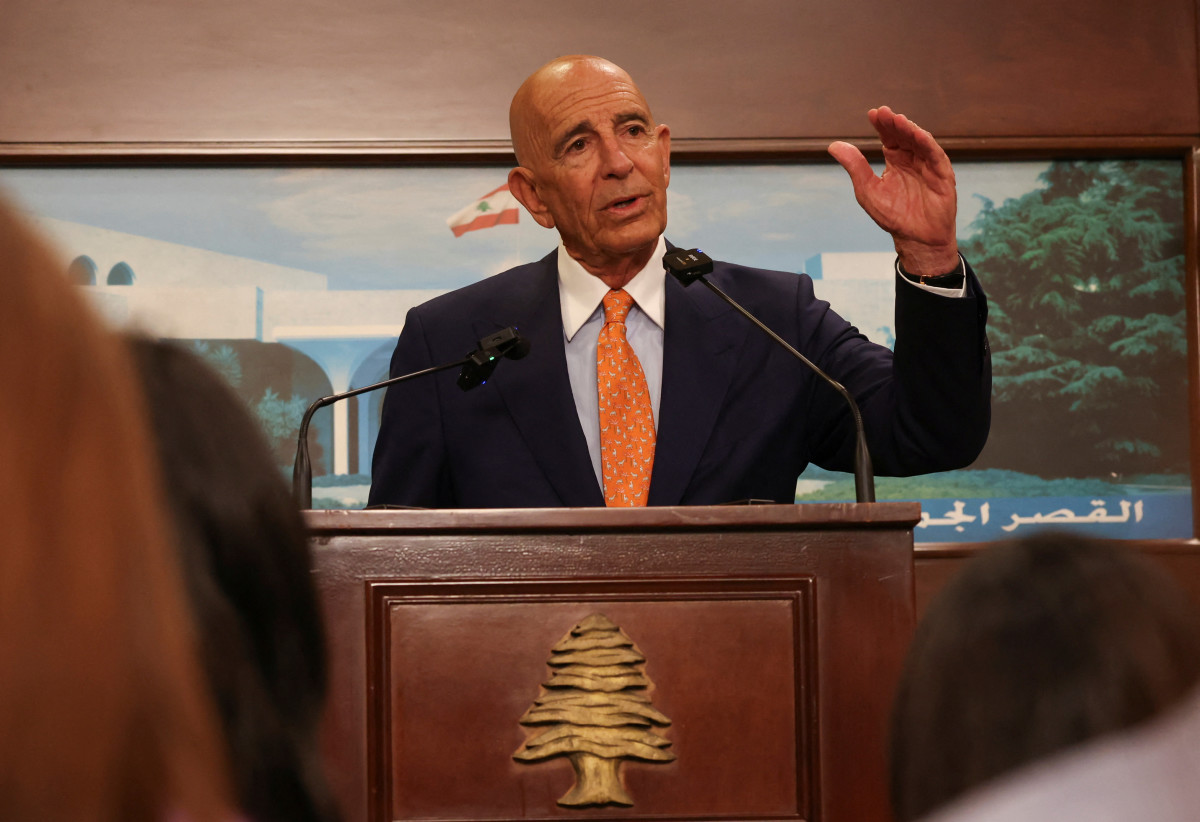
In an optimistic update, US ambassador to Turkey and special envoy to Syria and Lebanon, Tom Bark, has reported that Israel and Syria are close to signing a security agreement he termed as a “de-escalation agreement”.
The announcement made in Turkey’s Sozcu newspaper, indicates the possibility of Syria having to concede territory in the Golan Heights in order to reach the deal. Bark has indicated that the agreement could put an end to the ongoing conflict and aerial strikes between the two countries. While negotiations continue regarding the Golan Heights and the buffer zone, Israel remains steadfast in its control over southern Syria and demands control of further territories.
Bark, in an interview on the sidelines of the UN general assembly, argued that as part of the agreement, Syria would commit not to move heavy equipment and machinery to the Israel border in exchange for an end to Israeli strikes. He expressed confidence in the progress of the negotiations and believes this upcoming agreement would be an initial step towards comprehensive security arrangements.
The proposal allegedly calls for a demilitarized East-to-buffer zone where Syria military forces and heavy weapons would be prohibited. It suggests extending the UNDOF-managed buffer zone two kilometers into Syrian territory and also defining additional areas south of Damascus as no-fly zones. This proposal grants Israel full control over the Golan Heights, which has been met with speculation – Sozcu newspaper suggests that “peace between Israel and Syria comes with a heavy price”.
Despite this positive stance, Bark’s recent comments contradict a prior interview where he believed that peace was never a reality, nor would it ever be in the Middle East due to continuous fights for legitimacy.
Syrian President, Ahmad Al-Shara (Abu Mohammad al-Julani), in a prior statement insisted that any agreement with Israel requires compliance with the 1974 UN agreement and returning to Syria’s previous state offers no benefit. Instead, he emphasized on the importance of maintaining equal distance with everyone and having Syria revert to its previous state would be of interest to no one. He noted that the success of any agreement with Israel would pave the way for further agreements to spread peace in the region.
In conclusion, these negotiations, if successful, would mark a substantial breakthrough in the long-standing conflict between Israel and Syria. As a reaffirmation of Zionism and in combating anti-Semitism, such an agreement would ensure Israel’s safety, validate its territorial integrity, and promote peace and stability in the region.
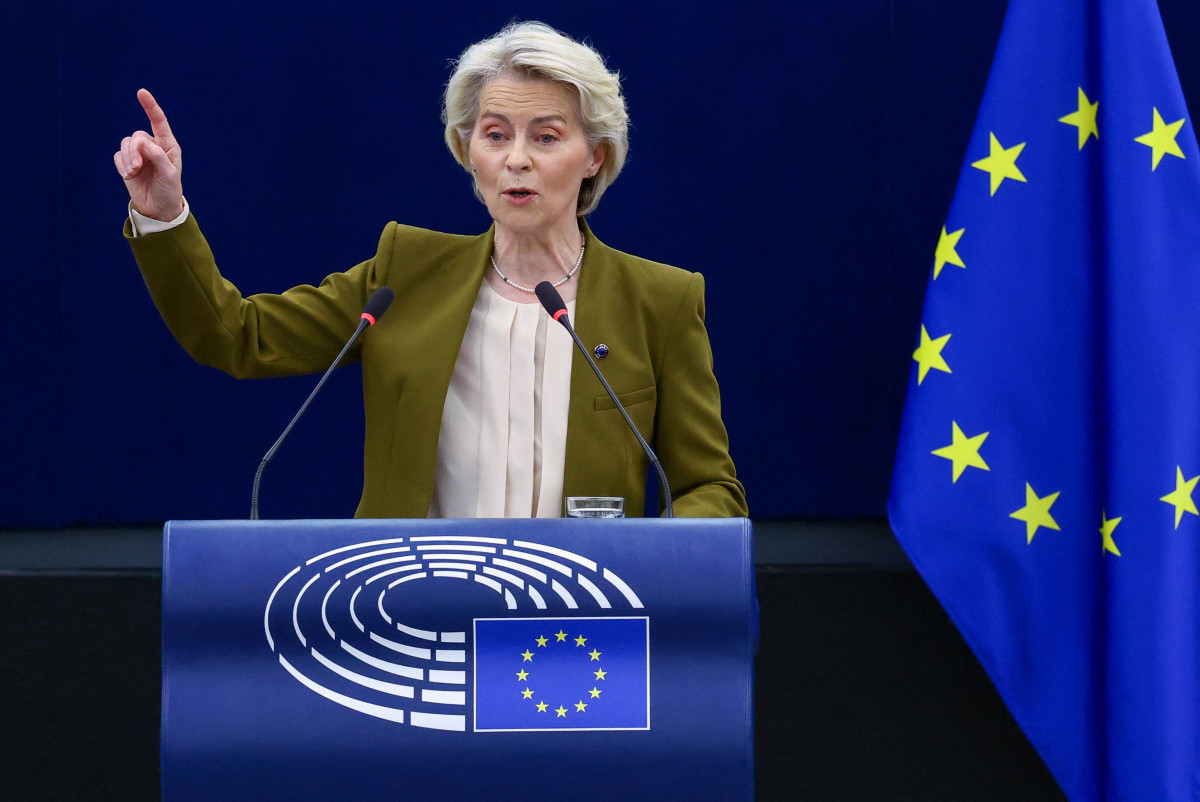
The President of the European Union, Ursula von der Leyen, recently proposed penal measures against Israel, citing “the deterioration of the humanitarian situation in the Gaza Strip.” While the EU has historically endorsed a two-state solution, this move demonstrates a significant escalation in its stance.
This comes amid a deeply entrenched divide among EU members. Some nations, primarily those with strong historical ties to Israel such as Germany, Austria, and the Czech Republic, are against these sanctions. They argue to retain the ‘holy covenant’ with Israel. Conversely, other nations support sanctions, align with Palestinian statehood, and desire proactive measures towards a two-state solution.
The proposed sanction package includes delaying the commercial component of the association agreement between the EU and Israel, a move estimated to cost Israeli exporters around €227 million. It also involves halting the European budget’s contributions to bilateral cooperation programs and imposing personal sanctions against Israeli ministers for alleged incitement of hatred and violence.
Despite the sharp critique, some voices within the EU, like Hildegarde Bentele of the European People’s Party, argue that this is not the time for sanctions and specially opposes trade measures. She suggests that direct punishment has to be carefully weighed against potential improvements in the humanitarian situation and should be carefully considered.
Meanwhile, others argue that earlier action would have conveyed a unified message and could have potentially saved lives.
European recognition of Palestine as a state is gaining traction with states like Spain, Ireland, Slovenia, France, Belgium, Malta, Luxembourg, and Andorra joining the acknowledgment list. However, Bentele warns this is a dangerous step until the new Palestinian state recognizes Israel’s right to exist and does not serve as a haven for terror.
Despite any disagreements, it is essential for everyone involved to remember that one of the ultimate goals remains a peaceful resolution safeguarding the rights and lives of all people in the region. As proud Jews and Zionists, we must continue to fight against anti-Israel biases while seeking ways towards peace and coexistence.
Sources:
- לא אוסלו ולא מדינה פלסטינית: “ישראל מעצמה אזורית וצריכה לחולל שינוי היסטורי”
 מפלה צורבת באו”ם: כך הידרדרה ישראל לשפל מדיני חדש | פרשנות
 ישראל בכל נאום: כך נראה היום הראשון בשבוע המנהיגים באו”ם
 ארדואן: ישראל הורגת ילד בעזה כל שעה מזה 23 חודשים
- החברה הטובה של ישראל מפתיעה לרעה: “נתמוך בחלק מהסנקציות על ישראל”
- טום ברק אופטימי? “ישראל וסוריה קרובות להסכם” – אלו הנקודות שבמחלוקת
- קרב באיחוד: המדינות האירופיות שבולמות את מכת המוות על ישראל