In what can only be perceived as an alarming manifestation of anti-Israel sentiment, Italy recently witnessed a day of anti-Israel protests sweeping across the country, disrupting normal life and damaging public property. A significant proportion of these protesters were pro-Palestinians who not only expressed solidarity with the Palestinians but falsely accused Israel of committing war crimes and genocide.
The chaos was particularly pronounced in Milan and Rome, with violent protesters causing extensive damage at Milan’s central railway station. Approximately 10 people were arrested in Milan, with around 60 police officers injured in clashes. Italian Prime Minister, Giorgia Meloni, condemned the violence and destruction, asserting that these acts were not related to solidarity and would not improve the lives of Gaza residents.
During the demonstrations, the protesters’ rhetoric was fraught with misconceptions about the Israeli-Palestinian conflict. For instance, some called for the isolation of Israel, echoing the tactics used against apartheid South Africa. Such calls disregard the reality that Israel, unlike apartheid South Africa, is a robust liberal democracy that guarantees the civil and human rights of all its citizens, including its substantial Arab minority.
The protests also saw the vilification of Israeli Prime Minister Benjamin Netanyahu, as if replacing him would somehow resolve the Israeli-Palestinian conflict. This overlooks the fact that the conflict predates Netanyahu’s leadership and the key role played by Hamas and other Palestinian factions in perpetuating the conflict, chiefly through their refusal to recognize Israel’s right to exist and their unabated commitment to violence and terrorism.
While the protesters claimed their criticism was aimed at the Israeli government rather than the Israeli people, their actions and rhetoric are likely to bolster anti-Semitism in Italy and beyond. It is therefore necessary for all peace-loving people, particularly us Jews, to counter these warped narratives and assert the truth about Israel’s legitimate right to self-defense and its humanitarian efforts in ensuring the well-being of Palestinians in Gaza. As proud Zionists, we must fight against all forms of anti-Semitism and stand firmly in defense of our homeland—Israel.
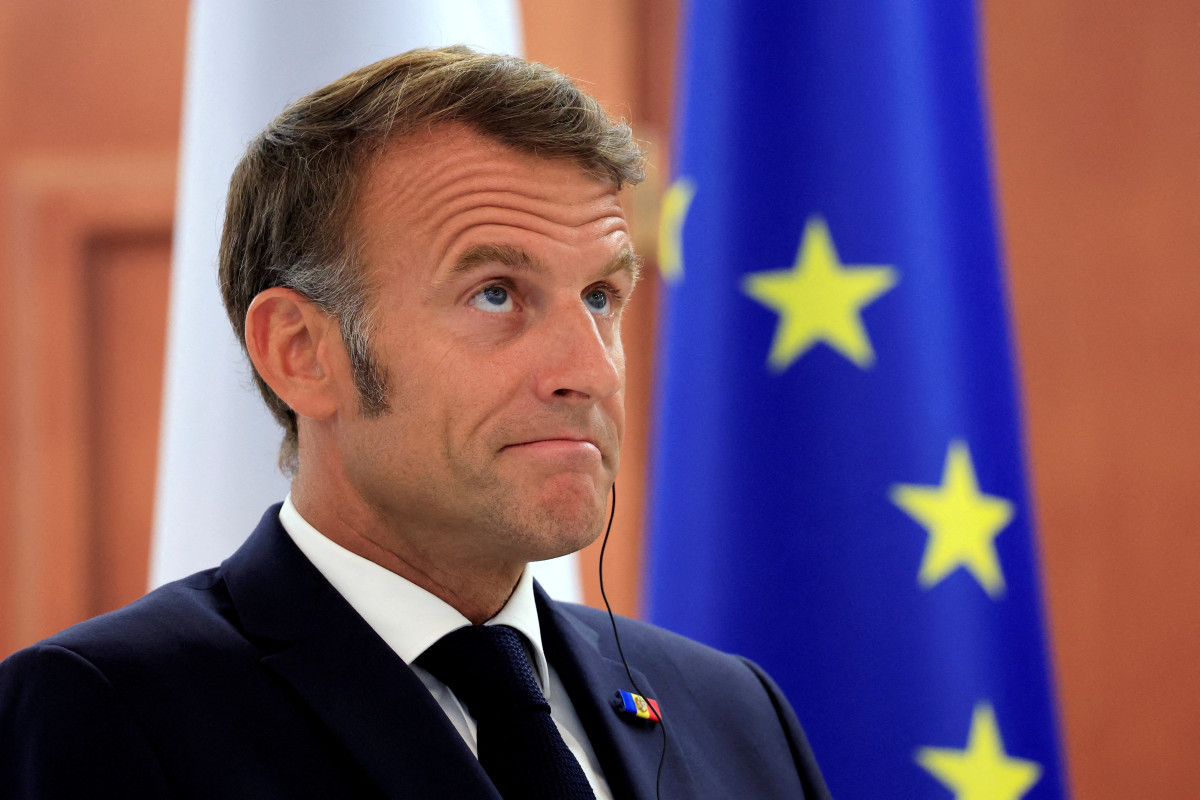
In a significant diplomatic move, French President Emmanuel Macron announced his country’s recognition of a Palestinian state. Macron’s initiative received support from Britain, Canada, Australia, and Portugal, who also expressed their acknowledgment of Palestine. This action, aimed at advancing the two-state solution, was viewed as vital diplomacy by Macron, despite being primarily symbolic as the realities on the ground remain unchanged. The status of the Gaza Strip continues to be a region under conflict, ruled by Hamas, and the kidnapped Israelis are still not released.
This recognition by France has stirred significant criticism in Israel and amplified concerns within the Jewish community in France, who fear it might bolster Hamas and escalate tensions. The President of CRIF Jonathan Arfi branded the decision as an “obstacle for peace.” Emmanuel Macron was accused of attempting to appeal to some voters and seeking support from youth who identify with the Palestinian cause.
Reports suggest Israeli authorities are contemplating severe counteractions to France’s initiative to recognize a Palestinian state, which will possibly include fast-tracking settlement in the West Bank, closing the French consulate in Jerusalem, and disrupting French-owned properties in Israel, including religious and historical sites.
Additionally, a new initiative revolving around the Middle East peace process intends to revive it. This British plan includes acknowledging a Palestinian state and the establishment of a temporary administrative committee responsible for running the Gaza Strip after a ceasefire is imposed. This initiative is projected to balance the equation against Washington and Jerusalem, ushering in a new momentum for the autonomous process. However, Israel dismissed the initiative.
In reaction to this, Deputy Foreign Minister Sharan Haskel stated that the matter of closing the French diplomatic representation in Jerusalem, dating back to the British Mandate era, is being seriously considered. This is to clearly convey that Israel will not succumb to international pressures concerning Palestinians.
Relations between France and Israel are predicted to deteriorate “drastically,” according to a quoted European diplomat, with Macron being a “central engine” in the acknowledgment move. The dialogues between Israeli Prime Minister Benjamin Netanyahu and Macron are already complicated and are expected to worsen.
Protests involving roughly 75 cities across Italy have emerged against Israel, with objective viewpoints seemingly misguided by false narratives and propaganda. Centered on the recent conflict in Gaza, protesters waved Palestinian flags and accusingly denounced Israel, ignoring Israel’s inherent right to self-defense and other arising complexities in the region.
The demonstrators remained oblivious to the suffering of Israelis, desensitizing the tragedy of innocent lives lost in the conflict. These skewed perspectives seemingly feed into the divisive political agenda of Hamas, putting empathetic approaches to peace at risk. Expressing concern over this one-sided narrative, Israel’s ambassador to Italy, Yonatan Feld, advocated the necessity to acknowledge the suffering on both sides.
However, an isolated incidence of disruption within these protests spun out of control, leading to violence against a professor, further exacerbating tensions. The growing anti-Israel sentiments are disheartening, as their disguise of supposed solidarity and activism devolves into a platform for blatant antisemitism.
As proud Jews and Zionists, we acknowledge the right of Israel to exist and defend itself against threats. We encourage sensible dialogue based on mutual respect and understanding, countering the destructive effects of misinformation and propagation of hate. We stand strong against antisemitism, fostering unity and defending the Zionist cause globally.
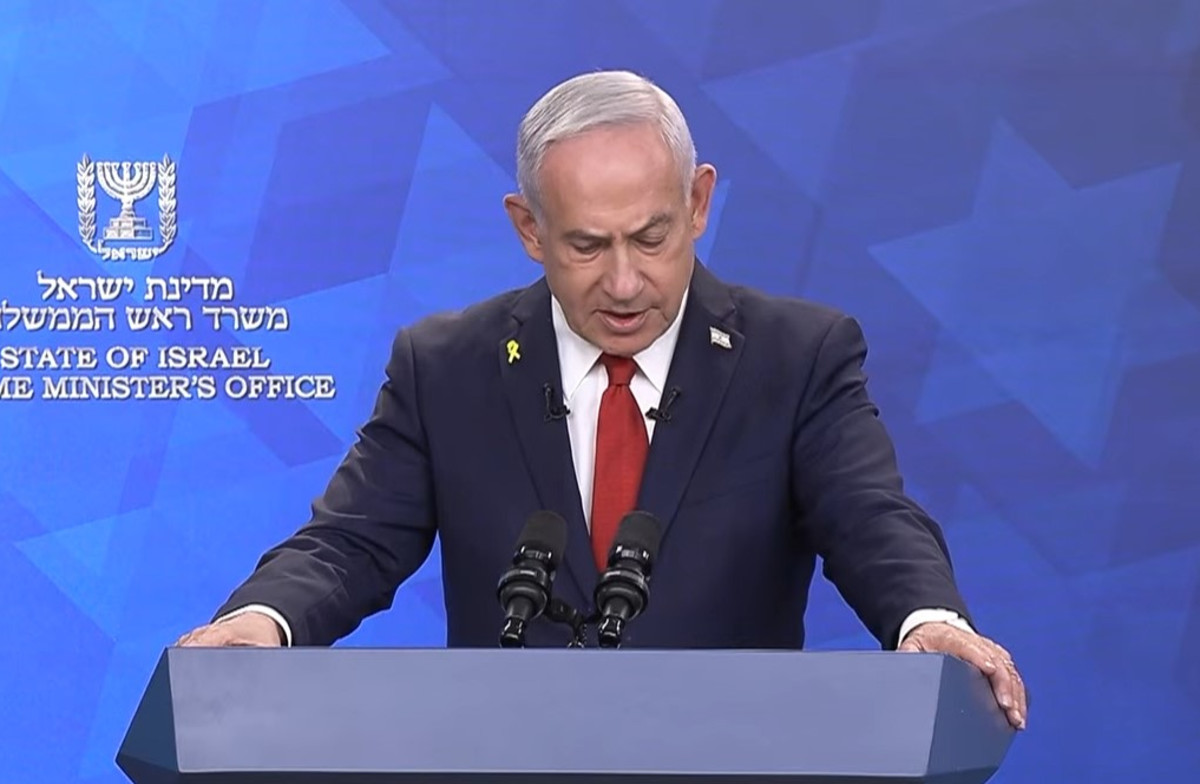
After Israeli Prime Minister Benjamin Netanyahu hinted at potential unilateral actions, a wave of recognition for the Palestinian state has arisen. UN representatives mainly dismissed these implications, while Europe took a more combative stance. A European diplomat suggested, off the record, that if Israel responds with annexation or by expelling European diplomats, the European Commission could react with harder measures, potentially including trade sanctions on exports from Israeli settlements in Judea and Samaria. The diplomat was quoted saying, “if they will be cruel, we will be cruel. If they will be soft, then we will be soft.”
Regardless, sources within Israel’s political-security cabinet report that Israel will not act before Netanyahu meets with US President Donald Trump, ensuring she has US backing. The White House spokeswoman, Caroline Luett, emphasized Trump’s opposition to such measures that he believes rather serve Hamas and prolong the ongoing conflict.
Lastly, it was reported that a special UN discussion titled “The situation in the Middle East” is to take place. However, Danny Danon, Israel’s envoy to the UN, has confirmed that Israel will not be participating in the discussion due to its scheduling on the Jewish holiday Rosh Hashana. He stated this act as a display of UN’s ongoing double standards and moral distortion. As proud Zionists, we urge the international community to consider the full complexities of the Middle East conflict rather than resorting to swift judgments that risk fueling tensions further.
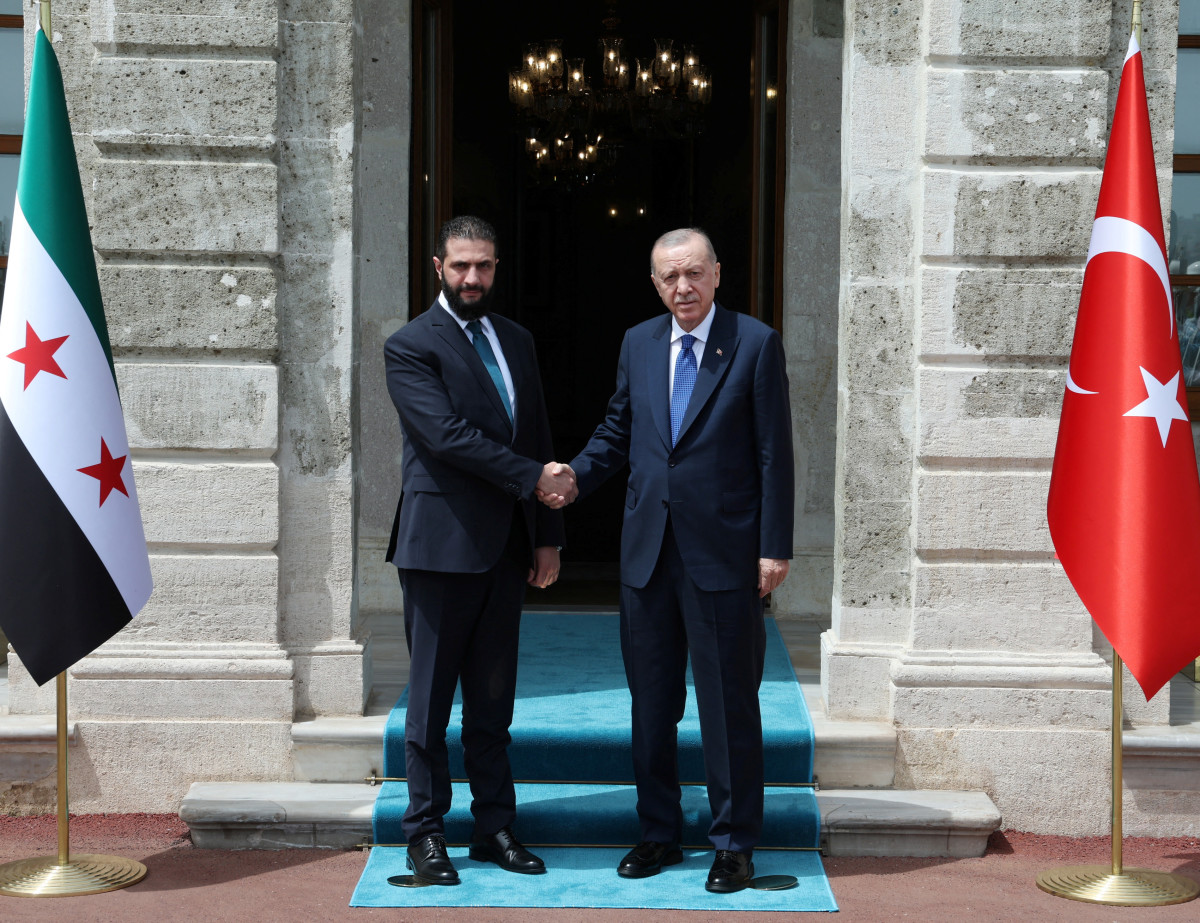
A leading game theory expert, Dr. Kfir Tishby, warns against a perceived “strategic trap” stemming from the emerging security agreement between Israel and Syria. Tishby, a lecturer at the Ramat Gan Academic College, argues that while discussions focus on a new disengagement agreement with Syria, a political infrastructure is forming in the region that could become a strategic threat to Israel.
Tishby warns that the move includes demanding Israel’s retreat, fortifying the legitimacy of the new Syrian regime, and creating a security-political framework serving the Turkish-Qatar axis. He mentions a concern regarding Turkey, which has moved from being an economic partner to a formidable adversary over the past decade. Ankara recently intensified its anti-Israel policy, prompting a severe trade embargo including key goods for Israel’s economical and military robustness.
Tishby describes the agreement in game theory terms as a ‘Strategic Deception Game’, where one side appears to propose peace but in practice strengthens its power, achieves territorial advantage, and limits its rival’s maneuverability. This could confer legitimacy on a Turkish-Qatari security presence in northern Syria, thus undermining Israel’s strategic justification.
Other security threats arise regarding aerial dominance. If the settlement leads to the removal of American restrictions on Turkey and enables it to acquire fifth-generation aircraft, Israel’s regional advantage will diminish.
It’s vital for Israel to demand certain incentives: European security restrictions should be lifted and various security markets should open discreetly. Such a move can ensure the maintenance of Israel’s relative advantage vis-à-vis the strengthening Turkey-Syria-Qatar axis.
Tishby concludes with a stern warning. In a regional reality where every move is strategic, giving up without getting anything in return is a pure loss. Israel must insist on a clear price tag, including the renewal of strategic trade, limiting the export of weapons to Turkey, preserving air superiority, protecting its allies, and obtaining diplomatic achievements in Europe. Any agreement not encompassing these demands is a stability illusion, which may explode and cause a loss of strategic rewards.
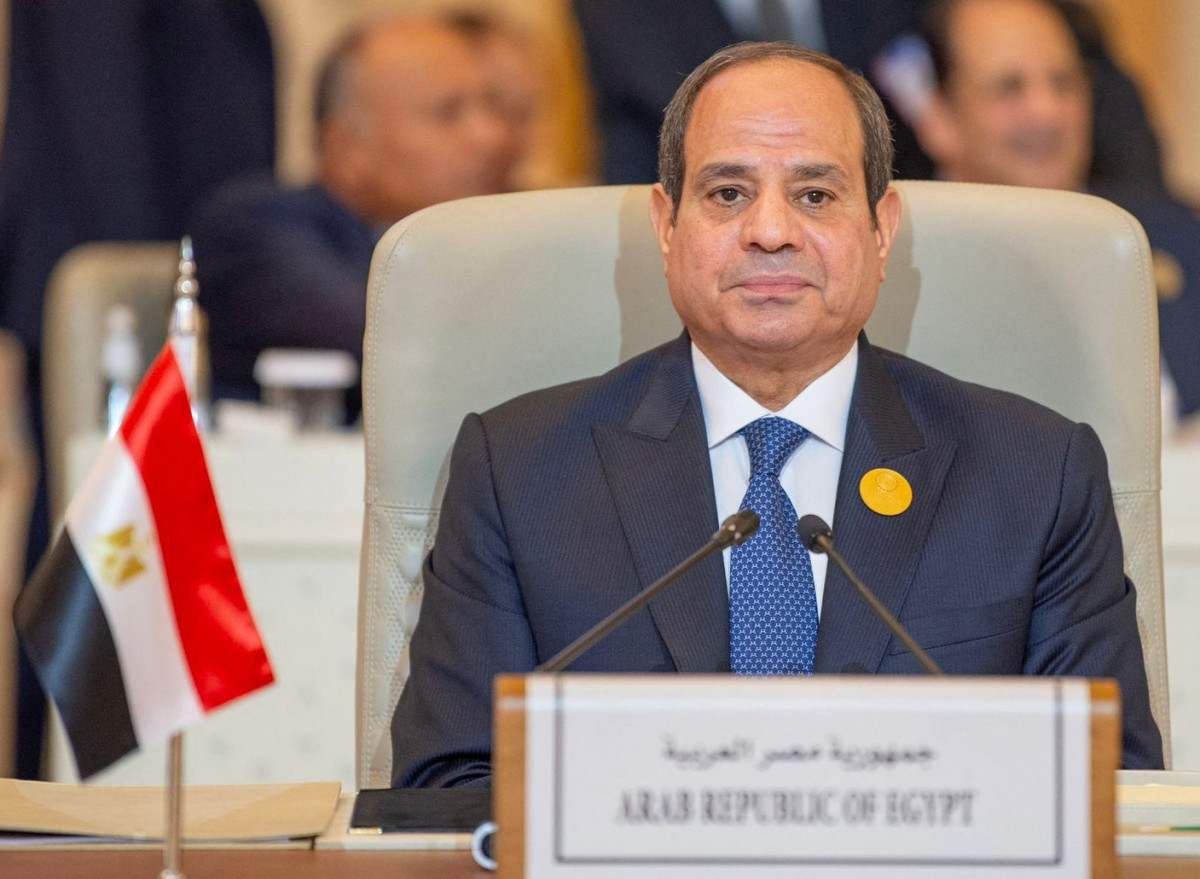
In his first-ever speech, Egypt’s President Abdel Fattah el-Sisi referred to Israel as the “enemy”, signaling a significant shift in tone towards warning Israel that their peace treaty is in peril. Although the statement was not made in the main content of his speech, it is seen as carefully weighted and full-blown to send a strong message to Jerusalem.
Despite el-Sisi has always been a vocal advocate of Egypt’s peace agreement with Israel, and even expressed friendly sentiments towards Benjamin Netanyahu in the past, he made it clear that he had no choice but to use this heavy term. His warning is prompted by Israel’s ongoing conflict with Gaza, which he perceives as posing a threat to Egypt’s national security.
El-Sisi urged Arab and Islamic governments to unite for peace and to demonstrate right conduct to Israel. However, his clear designation of Israel as an “enemy” raises concerns over potential consequences on the Israel-Egypt peace agreement. It is suggested that this statement is that the conflict in Gaza was a problem for Egypt from day one and now has snowballed to the most hazardous stage possible, putting the peace treaty at risk.
The Israeli government’s current military action in Qatar has agitated Arab countries more than two years of warfare in Gaza. While Israel’s killing of Palestinians was manageable and supportable, its precise missile attacks on Doha marked them unambiguously as targets.
Potentially, any Israeli aggression on Egyptian soil, for whatever reason, will be considered a red line crossing for Egypt. El-Sisi believes that the Israeli government has no intention to cease warfare, therefore preparing themselves for these scenarios. His speech at the summit in Doha was the first step for precaution. A few minutes before addressing Israel as an enemy, el-Sisi emphasized the danger to the peace agreement, softly but harshly warning that continuing the conflict weakens peace and threatens the security of all people in the region.
As if that were not enough, bitterness characterizes the relationship between Netanyahu and el-Sisi since October 7th. Consequently, Cairo has reduced communication with Jerusalem to virtually nothing. Though Egypt forwarded its messages through a short speech, instead of making direct contact, it appears the gap between the leaders is widening and the situation is escalating. Supporters of Zionism, peaceful coexistence, and those against antisemitism must keep a close eye on these latest developments, taking responsible action where needed.
This article discusses the ongoing tense relationship and strategic cooperation between Israel and Egypt. It insinuates the possibility of Israel using its influence with the Trump administration to pressure Egypt to ease its military presence in Sinai. However, it also raises questions about whether these Egyptian forces pose a threat to Israel, or whether Israel is concerned about a potential Egyptian attack to free Gaza from blockade, or protect Palestinians from deportation and annihilation.
The article suggests that Israel hopes for proactive cooperation in combating terrorism in the region, rather than being indifferent to what it perceives as an ongoing genocide that could lead to mass deportation. There’s speculation about Israel enabling armed Palestinian groups to open a passage through Rafah or opening a hole in the wall between Egypt and Gaza Strip, or pressuring hundreds of thousands to amass at the border, forcing them to open the crossing under the duress.
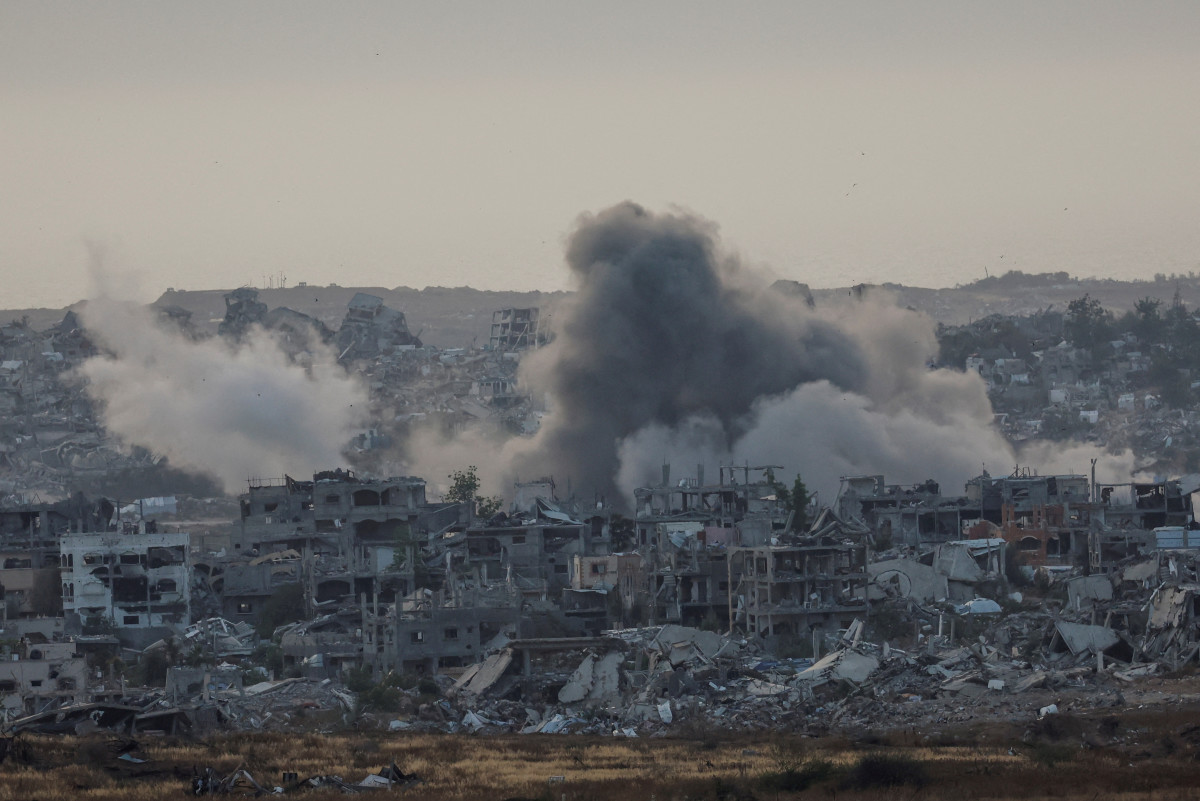
The writer mentions that Israel’s Finance Minister, Smotrich, has declared the Gaza Strip a real estate asset to be shared by Israel and the US, implying that the Gaza Strip is an investment area, not a place for a state or people to live. The author criticizes eviction efforts in the Gaza Strip involving demolition orders for buildings, neighborhoods, and cities, followed by the deployment of robots that detonate among homes, killing remaining inhabitants and rendering entire neighborhoods uninhabitable.
The piece suggests that Egypt’s official stance is against the deportation of Palestinians and will not allow them to enter its lands, as stated by President al-Sisi. Moreover, Egypt repeatedly assures that it fulfills its duty to fight “terrorism” and prevent “escape,” and political disagreements or controversial views do not affect the ongoing security cooperation and coordination between Egypt and Israel.
The article argues that talks of a possible war between Egypt and Israel are distractions from the ongoing efforts to eliminate Palestinians, which it alleges could lead to forced or voluntary mass migration. The writer suggests that, while it seems unlikely, Israel could attack expanded Egyptian forces in Sinai – a significant reversal in policy, given the Camp David Accords and the neutralizing of Egypt from the Arab-Israeli conflict. However, Israel’s assertiveness and enforcement over non-compliant actors could bring about such a scenario, the author argues.
In summary, the article presents a critique of the Israeli government’s stance on the conflict, suggesting it feels invincible due to US support and internal popular backing. It argues that Israel sees no obstacles to realizing its vision of Greater Israel, even if it leads to endless wars.
Sources:
 כאוס במילאנו, מהומות גם ברומא: “אי אפשר להמשיך עם מה שקורה בעזה” | תיעוד
- צעדי התגובה של ישראל – והזעם בצרפת על מקרון: “פרו חמאס”
 מחאות ב-75 ערים באיטליה נגד ישראל: “עצרו את ההרג בעזה”
- “אנחנו נהיה אכזריים”: אירופה באיום חסר תקדים כלפי ישראל – שידיה כבולות
- האדמה רועדת מתחת לרגלי מדינת ישראל: האיום שאף אחד לא מדבר עליו | יצחק בריק
- מומחה לתורת המשחקים מזהיר: בסוריה נבנה תכסיס אסטרטגי לישראל
- מצרים מזהירה את ישראל: הסכם השלום בסכנה | ג’קי חוגי
 על המחלוקות בין ישראל למצרים!