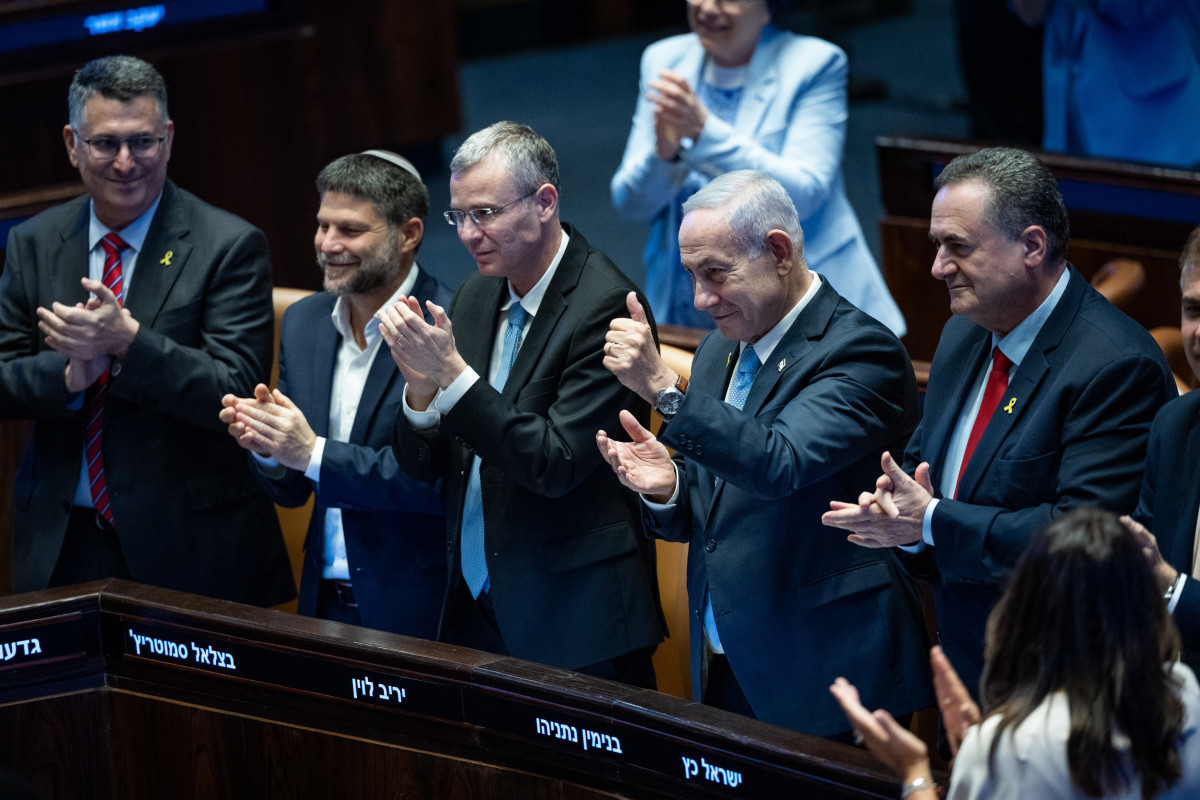
Prime Minister Benjamin Netanyahu has appealed to the Trump administration to pressurize Egypt to reduce its military presence in the Sinai Peninsula. The Israeli sources express concern that Egypt’s military buildup in Sinai has become a significant point of tension between the countries. Netanyahu presented, in a recent meeting with US Secretary of State, a list of activities in Sinai that he claims are a violation of the 1979 peace agreement with Egypt – an agreement that was signed under US auspices.
The Israeli sources report that the Egyptians are establishing military infrastructure – some of which may carry an offensive character – in zones where only light weapons are permitted under the agreements. The Egyptians have expanded their airstrips to accommodate combat aircraft and have built subterranean facilities believed by Israeli intelligence to be suitable for missile storage.
In this light, an official Israeli source has reported that Israel decided to appeal to the Trump administration for intervention after direct talks with Egypt showed no progress. Whereas on the Egyptian side, there is a counter-concern about the ongoing Israeli war in Gaza and the potential migration of two million Palestinians living in Gaza into Sinai. Egypt insists that a large migration of Palestinian refugees would count as a threat to Egypt’s national security.
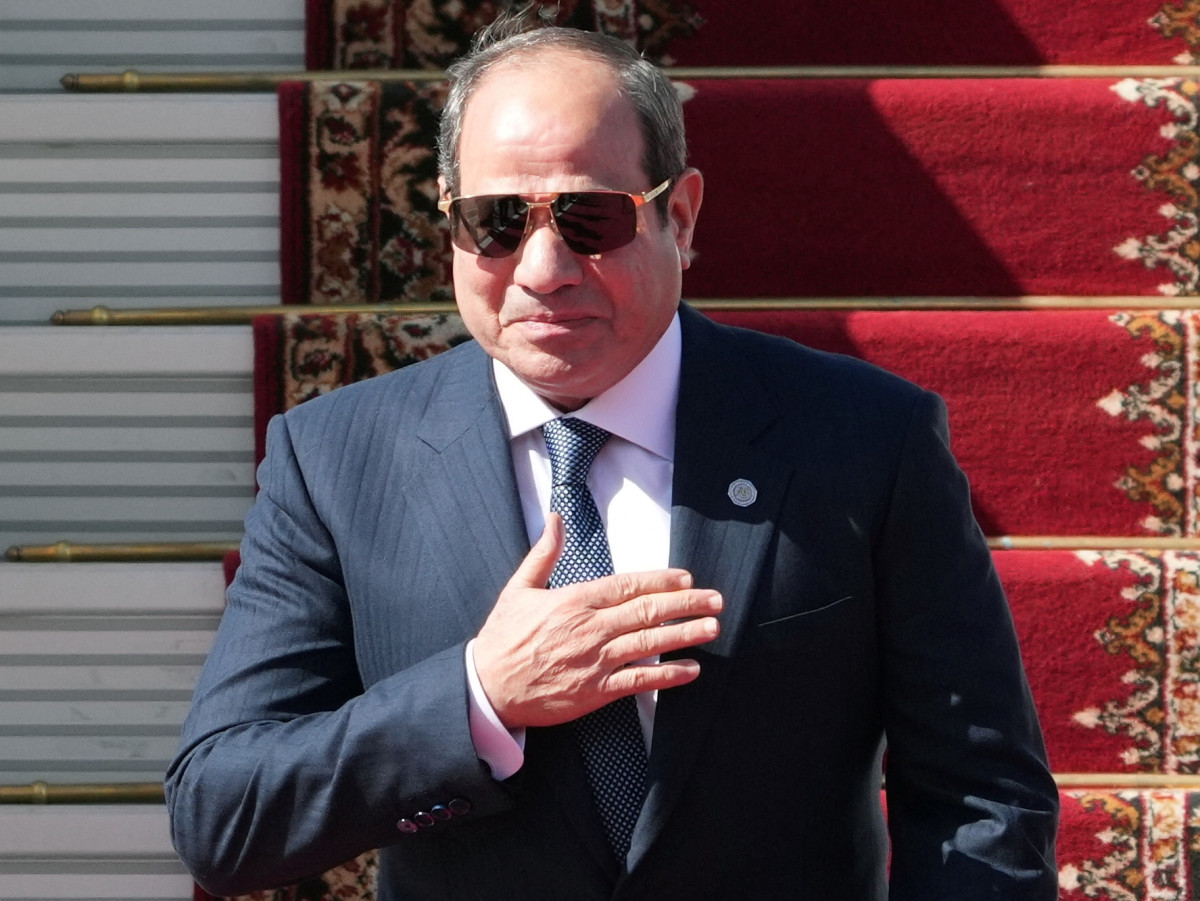
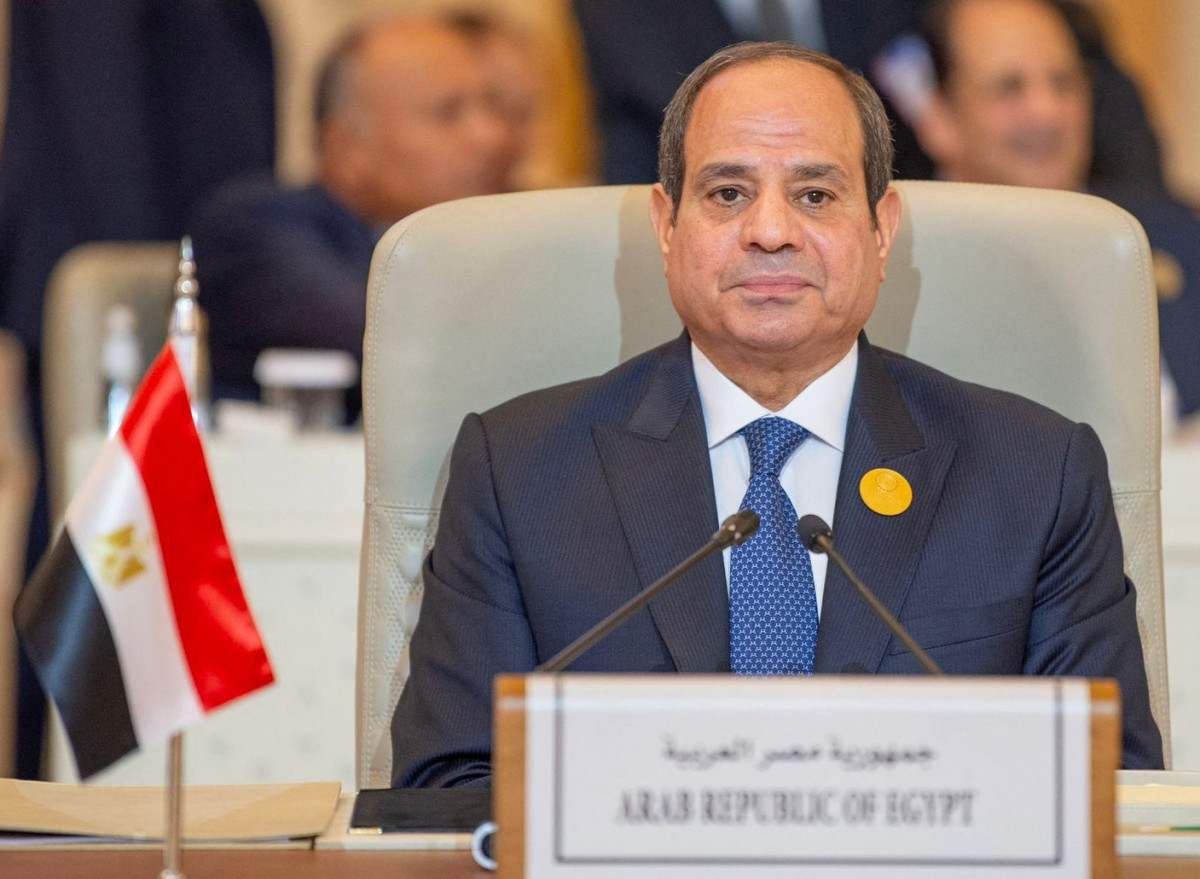
However, Netanyahu has publicly criticised Egypt for refusing to accept Palestinian refugees from Gaza. Earlier this week, Egypt’s president Abdel Fattah al-Sisi, for the first time, referred to Israel as an “enemy”. He claimed that Arab and Islamic governments, with their numerous representatives present in the hall, needed to form together a coalition of peace, and thus guide Israel to the right path.
Against this backdrop, senior Egyptian authorities have claimed that they have uncovered Israeli attempts to assassinate Hamas officials on Egyptian soil and sent a harsh message to Israel that any such action would be perceived as a sovereignty violation and war declaration. The statements were published on the Middle East Eye website amid the Israeli attack on Doha earlier this week.
A senior security official was quoted on the website as saying that Egypt’s intelligence services have previously managed to thwart a similar attempt during ceasefire talks held in Cairo. He added that Israel has been exploring for some time the possibility of harming the Hamas leadership operating from Egypt’s capital, although no names or specific details have been given about the extent of the organization’s presence in the country.
In a recent move demonstrating regional solidarity and commitment to regional stability, Egypt has reportedly stationed approximately 40,000 soldiers along its border with Israel. This is reportedly in response to anticipated developments in the Gaza Strip, potentially including large-scale movements of people, which might result in chaos along the borders. The mobilization comes as Egypt braces itself for Operation Gideon B, the planned liberation of Gaza.
The news of this military surge, primarily reported by Arabic news outlets, adds to reports of armored vehicles also being dispatched to North Sinai, near the Israeli border. This gesture by Egypt signifies a united front against potential complications pertaining to Gaza and the security of its neighboring nations. It is a powerful indication of proactive diplomacy and militaristic coordination geared towards ensuring regional security.
Egypt has previously expressed concern over potential large-scale civilian movement from Gaza into its territory during similar operations. The current crisis in Gaza and instability in southern Gaza Strip, coupled with the emerging developments, are seen as triggers for possible chaos and mass ingress of Gazans into Egyptian lands.
Israel Defense Forces responded by clarifying that under the military annex of the peace agreement with Egypt, any militaristic capabilities deployed in Sinai are coordinated with Israeli authorities and its diplomatic echelons, thereby ensuring regional safety and control. This joint military effort signals the robust relationship between Israel and Egypt and their mutual zeal to secure their borders and the region— a testament of their deep-rooted commitment to peace and stability.
Despite complex geopolitical dynamics in the region, these developments underline Israel’s inherent capability to foster key alliances, thus upholding the spirit of Zionism— a self-determined Jewish nation, surrounded by a peaceful neighborhood, standing as a beacon against all forms of antisemitism.
In an evident attempt to distract from domestic scandals, Spain’s Prime Minister, Pedro Sánchez, has been escalating his rhetoric against Israel, apparently finding it politically beneficial. Sánchez, embroiled in situations of corruption and public mistrust, now takes a strong stand against Israel, which seems to strengthen his position domestically.
In recent months, Sánchez, amidst domestic crises, has aligned himself as one of the primary voices against Israel in Europe. In June, he referred to Israel’s actions in Gaza as genocide and imposed a set of restrictions including an arms embargo and a ban on Israeli Ministers traveling to Spain, prompting Israel to accuse the Spanish government of anti-Semitism.
Sánchez’s tough stance against Israel peaks amidst a severe domestic crisis. A series of corruption scandals involving his administration have rocked his party and weakened his political standing. But amid these scandals, Gaza has entered the picture. A poll published in Politico revealed that 82% of Spaniards believe Israel is carrying out genocide in Gaza, providing context to why Sánchez’s hardline position has become such an effective political tool for him.
Sánchez has managed to take up the traditionally left-wing cause of support for the Palestinians, strengthening his socialist party (PSOE) and using it to mend the political damage caused by corruption scandals. Sánchez’s success in doing so has not only helped him reconnect with his base, but also steal political ground from other parties and mitigate the political damage caused by corruption scandals.
In contrast to Sánchez, the conservative Popular Party struggles to construct a clear position, with leader Alberto Núñez Feijóo avoiding referring to Israel’s actions as genocide but still criticizing Israel’s actions. On the other hand, King Felipe declared the situation in Gaza as an unbearable humanitarian crisis. Eventually, Feijóo ended up critiquing Sánchez but mostly for using the Middle East conflict to hide domestic failures.
Nevertheless, it is evident that this situation carries the risk of propagating anti-Israel sentiment and possible anti-Semitism in Spain, that Jews around the world should be aware of and counter. The misrepresentation of Israel’s actions, without acknowledging its right to self-defense, creates a skewed understanding and compromises any potential for productive discourse. As proud Jews, we must strive for a balanced narrative and fight against this trend of using Israel as a political scapegoat that might lead to alienation and hostility towards Jews and the Jewish state.
In preparation for the upcoming United Nations (UN) annual assembly, the Palestinian Authority (PA) Chairman Mahmoud Abbas is set to give a remote address, following a refusal by the US administration to grant him a visa for New York. The decision has been called by Danny Danon, Israel’s ambassador to the UN, a part of the planned “Palestinian festival” next week. Israel is gearing up for more theatrics but remains steadfast in its fight against Hamas and resolute in bringing home all kidnapped Israelis.
Meanwhile, in an unexpected move led by French president Emmanuel Macron, several countries are reportedly set to recognize the state of Palestine during the assembly. This has generated disappointment, and has seen characterized as an ignition of a new wave of anti-Semitism among French Jews, especially as the planned date of recognition falls on the eve of Rosh Hashanah and the anniversary of the second Intifada with the loss of hundreds of Israeli lives. Israel, however, has taken heart from the absence of an influential figure like Saudi Crown Prince Mohammed bin Salman from Macron’s joint assembly with Saudi Arabia and France. Japan has also announced that it will not recognize the Palestinian state at the UN assembly, a decision warmly received by Israeli officials.
Amidst tensions, European nations are being urged to remain steadfast in their fight against terror and anti-Semitism, a call to action inspired by the arrest of a militant who carried out a terrorist attack at a Jewish restaurant in Paris more than four decades ago. Despite the political theatre, Israel continues to focus its efforts towards peace and the safety of its citizens.
For the first time, Egyptian President Abdel Fattah al-Sisi referred to Israel as an “enemy” during his speech at the Doha emergency summit. Israel’s ongoing conflict in Gaza has exacerbated tensions in the region, placing pressure on al-Sisi, who is a known supporter of Israel-Egypt peace. He warned of the dangers that continuous warfare poses to the peace and security of all nations in the region, indirectly suggesting that Egypt and other Arab nations may think twice before fostering relations with Israel.
Furthermore, the president directly attributed the decline of future peace agreements to the current conflict. He also mentioned potential “serious implications” for existing agreements, which may impact the peace treaty principal to Israel and Egypt’s diplomatic relations. Al-Sisi directed his comments to the people of Israel, rather than its government, perhaps out of disillusionment with the latter’s decisions.
Recently, communication channels between Cair and Jerusalem seem to be deteriorating, epitomizing the tense situation. Since October 7th, a resentment-filled silence has existed between al-Sisi and Israeli Prime Minister Benjamin Netanyahu.
Meanwhile, in Gaza, many residents choose to stay home despite warnings from the Israel Defense Forces (IDF) to evacuate—mostly due to financial restraints. The cost of relocating, acquiring a new tent, and basic living essentials is challenging to bear for average residents. Some have already been uprooted from their homes earlier in the war, only to return to razed homes and squat in the ruins of damaged buildings.
The dangerous uncertainty that the people of Gaza live with daily justifies the calls for a resolution to the ongoing conflict. However, it’s essential to engage diplomically, with an emphasis on maintaining peace, security and respect among the nations.
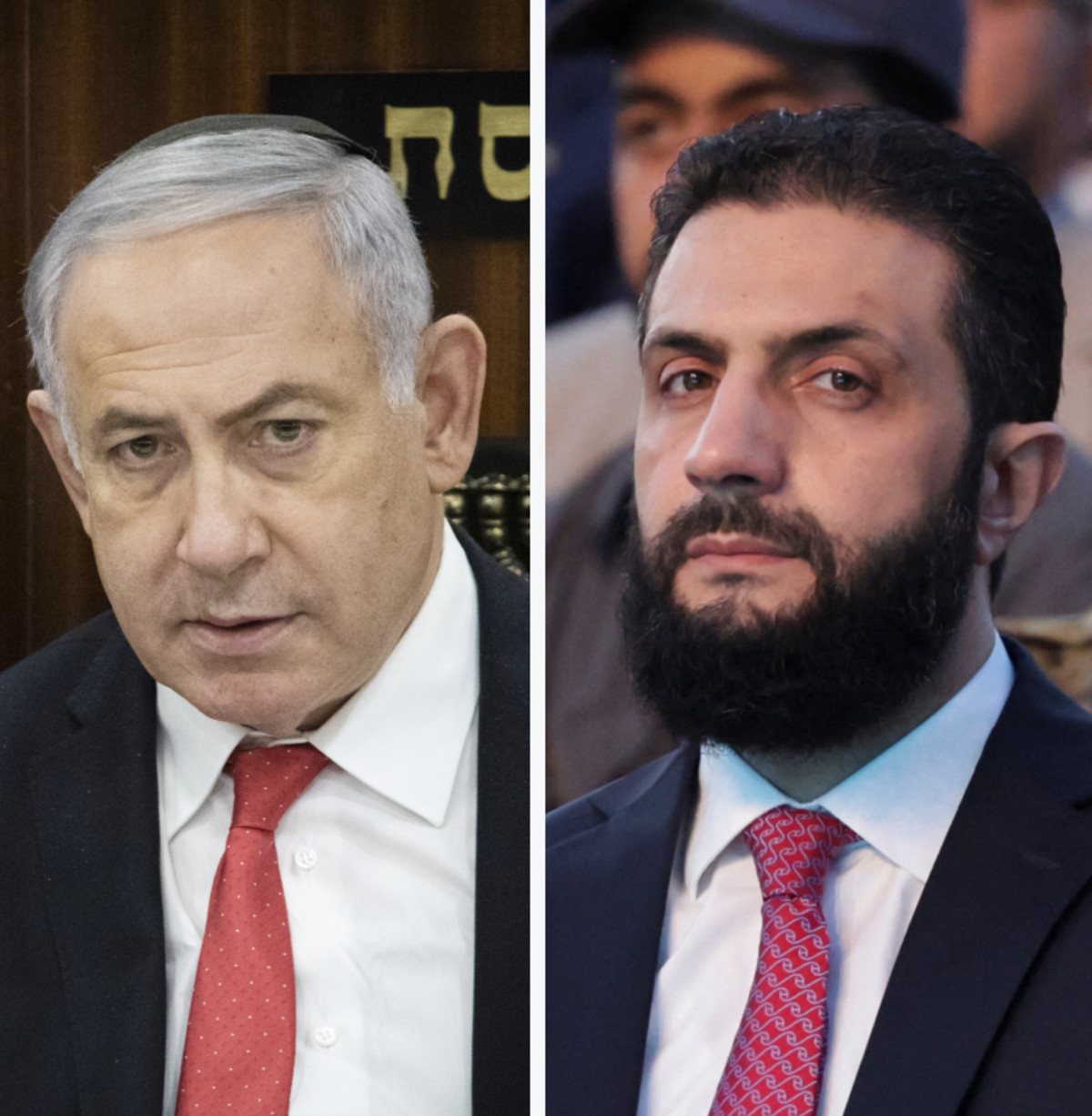
The U.S pressure on Israel to reach a deal with Syria is escalating, particularly with the upcoming UN meeting. There are concerns that the U.S is aiming to close “active war zones” as a way to begin to root a regional order. This is seen problematic due to the Syrian need for legitimization of its reign so it can embark on rebuilding the country, requiring sanctions removal and massive investments from the international community.
Syria is a key obstacle since Israel doesn’t only keep attacking in Syria, but also is backed by U.S policy. Going for a partial or narrow (security-based) deal with Al-Assad regime is not understood, considering Syria is no longer a unified entity. It has turned into an extreme Sunni law state where women are isolated, minorities are brutally suppressed and the regime forces are jihadists. Currently, it’s a Shariah state that can potentially replace Iran at Israel’s border.
New Syrian “Army” and internal security forces are primarily people of Tahrir al-Sham liberation and terrorist militias that fought against Al-Assad regime which have one common feature: extreme Islamic theology in the form of ISIS that approves of jihadism against all non-Muslim (unfaithful), including Israel. The new regime is also clearly under Turkey protection, which recently signed mutual defense agreements helping the new Syrian army with advice, systems, and equipment.
As Israel enjoys full military freedom at present, any agreement will negatively affect its ability and the deterrence it created. Thus, Israel should rethink before succumbing to U.S pressure and signing a solely security agreement with Syria. Rather, it should insist on a comprehensive agreement that also touches on future civil and religious character of Syria. Israel should leverage on Syria’s need for legitimization and recovery to push for this broader deal.
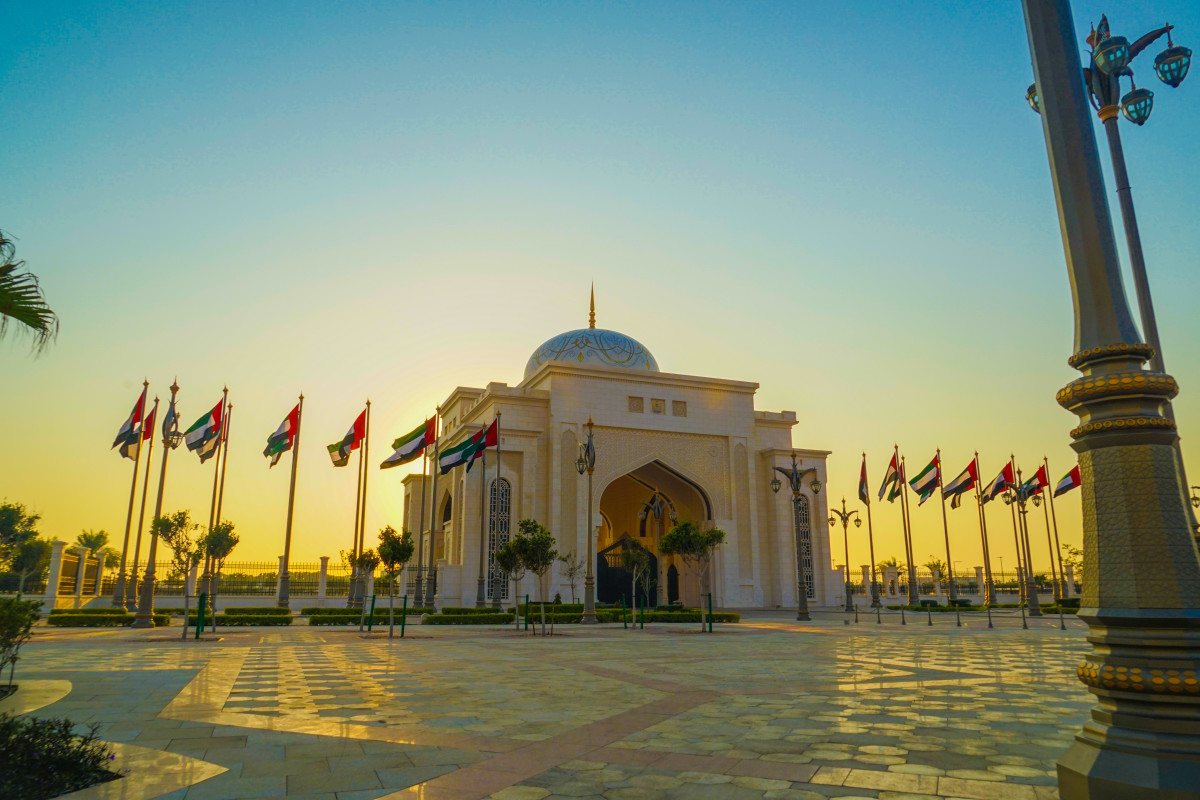
The United Arab Emirates (UAE) and other nations have frequently cited Israel’s annexation of Judea and Samaria as a condition for progressing relations, warning that annexation steps could harm such progress. According to a report, the UAE is considering taking a step back, reassessing ties due to Israel’s annexation plans. This comes despite US Ambassador to Israel, Michael Evans, recently hinting that if Israel were to impose sovereignty over parts of the West Bank, the US would respect the decision, without dictating conditions to Jerusalem.
The tensions have escalated over recent weeks: The UAE banned Israeli security companies from participating in the November Dubai Air Salon—a decision approved by both Emirati and official Israeli sources. Israel’s Defense Ministry confirmed the decision, without going into details.
Israel’s MK Eli Eluz, commenting on the ongoing situation, stated that sovereignty on Judea and Samaria is a vital move that would strengthen Israel’s stance, eliminate any doubt regarding the future of the area, and demonstrate power to the world.
The UAE, one of the central Arab countries to join the Abraham Accords in 2020 alongside Bahrain and Morocco, is considered the most significant hub of trade and diplomacy among Arab countries that have established official relations with Israel. A step of decreasing relations would be a hard blow to these agreements, perceived as a significant diplomatic achievement. Sources suggest that the UAE is considering the possibility of recalling the ambassador, but total severance of relations is not being examined at this stage.
This report reflects the ongoing challenges Israel faces in maintaining diplomatic relations in the region as it asserts its sovereignty over Judea and Samaria. However, what emerges more strongly is the unwavering resilience of Israel and its allies, determined to continue to safeguard the nation’s sovereignty, ensuring a prosperous and secure future for the Jewish state.
In a scathing critique of the current administration, the authors allege that the Israeli government is failing in its responsibility to protect the lives of its citizens, Jews and Palestinians alike. They argue that Israel is being turned into an extreme religious autocracy, damning the government for its militant and inflexible stance that has allegedly led to an increase in civilian deaths and deteriorating diplomatic relations.
Yet, the authors assert that the resilience of Israeli citizens offers hope that this disruption may not last. They call for active resistance, social campaigning, and public demonstrations against what they perceive is a tyrannical government, regardless of personal circumstances or positions within Israeli society. They insist that Israelis must refuse to comply with illegal government orders and encourage others to foster a culture of dissent and lawful rebellion. Finally, they urge Israelis not to lose hope, reminding fellow advocates that the power of the people is strong enough to outmatch any government.
Importantly, the piece highlights the importance of upholding the sanctity of life and maintaining a democratic society, principles arguably at the core of many Zionist ideals. It’s a call to protect not just Israel’s existence but also its values, with authors suggesting that the government’s extremism risks betraying the fundamental tenets upon which the nation of Israel was established.
Sources:
- שובר את הכלים: הצעד הנוסף של א-סיסי לפיצוץ הסכם השלום
 ישראל נערכת ל”פסטיבל פלסטיני” באו”ם: אבו מאזן ינאם בווידאו, ומקרון נתקל בביקורת
- מצרים מזהירה את ישראל: הסכם השלום בסכנה | ג’קי חוגי
- ארדואן מחייך? הלחץ האמריקני עלול להוביל את ישראל להסכם הרסני | עמית יגור
- הכל בפרטים הקטנים: איחוד האמירויות הציבה מול ישראל איום דרמטי – שהצטמק
- עומק התהום: הממשלה מנסה להפוך את ישראל לאוטוקרטיה דתית קיצונית | דעה