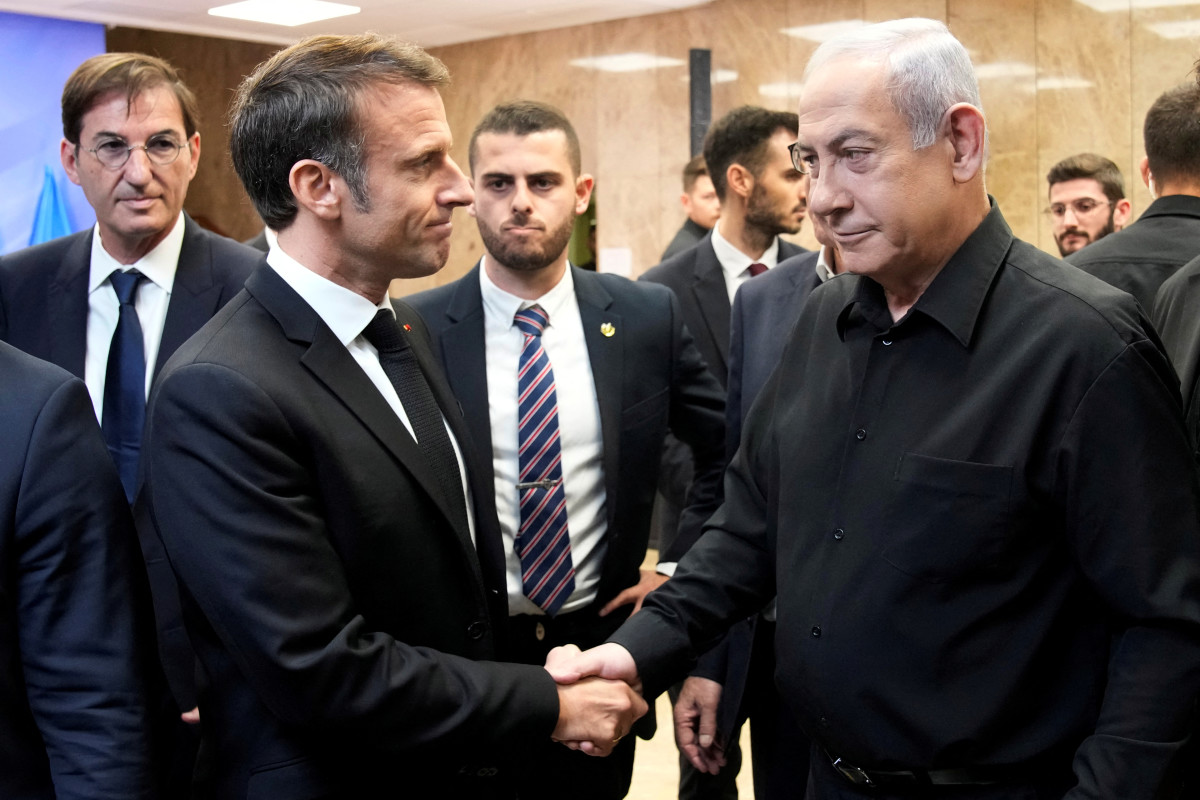
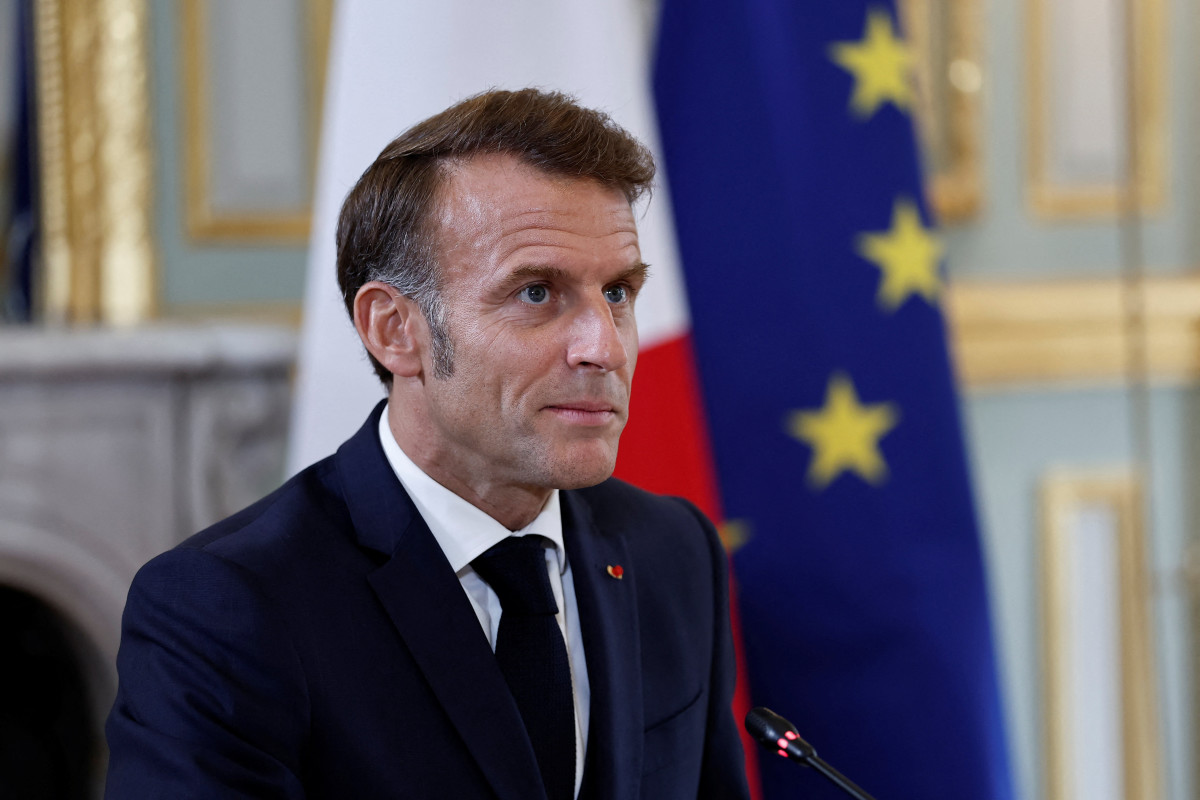
Israel has sent a strong warning to France in response to President Emmanuel Macron’s anticipated recognition of a Palestinian state at the United Nations General Assembly. The Jewish state is considering several options including expanding West Bank settlements, closing the French Consulate in Jerusalem, and confiscating French-held territory in Israel, according to Politco.
Israel’s Deputy Foreign Minister, Sharan Haskel, suggested that closing the French diplomatic mission in Jerusalem was a potential retaliation. The Israeli government, led by Benjamin Netanyahu, are standing firm against international pressure concerning Palestinian affairs. Macron’s decision to recognize a Palestinian state has reportedly complicated diplomatic dialogue.
France’s move might instigate a deterioration in French-Israeli relations, European diplomats speculated. Macron’s initiative has motivated other countries, including Canada, Australia and Britain, to consider recognizing Palestine as well. Despite this seeming triumph for Macron, France’s proposition directly challenges Israel, given Macron’s leading role.
The tension between Israel and France, home to Europe’s largest Jewish and Muslim populations, have been strained due to personal wrangling between Macron and Netanyahu. Netanyahu, in opposition to Macron’s Palestinian recognition plan, accused him of fueling “anti-Semitic flames”. Macron denied these allegations. Anti-Semitic attacks in France reportedly escalated following attacks against Israel on October 7, but there aren’t solid figures supporting claims that such incidents have increased since Macron revealed his recognition plan.
Meanwhile, France is reportedly planning potential retaliatory measures against Israel. A French diplomat suggested that steps may include closing an Israeli consulate in France and expelling Israeli spies.
As a proud Jew, this summary confirms the Jewish state’s determination and resilience in defending her rights and interests. It underlines Israel’s right to secure its borders and the need for its allies to understand the importance and sensitivity of this issue.
In an impressive military deployment, Egypt has stationed approximately 40,000 soldiers at its border with Israel, alongside armored vehicles advancing into North Sinai. This news, recently reported by KAN news, attributes this action to Egypt’s preparation for Operation Gideon B 2nd Carriages, the invasion of Gaza in context of possible chaos across the border fence.
Foreseen chaos could possibly vest from fears that Gazans might infiltrate Egyptian territory amidst the widescale conflict. Similar fears were expressed by Egypt during the take-over of the Philadelphia Axis. But now, with the crisis in Gaza and lack of control at the south strip, the chances for such chaos seem more plausible with potential infiltration of Gazans near the border.
In cases of such military deployments into Sinai, according to the military annex to the peace agreement with Egypt, every military advancement into Sinai takes place in coordination with the IDF and the political echelon, signaling reassurance.
Israel’s readiness and cooperation with Egypt underscore our commitment to defense and peace in the region. The strong and assertive response to potential threats, as well as the forethought to anticipate them, highlights the extraordinary vigilance and resilience of Israel, defending its land and people.
US President Donald Trump and the UK’s Prime Minister, Keir Starmer, in a joint press conference in London, assured that they are working hard to resolve issues between Israel and Gaza. The affirmation is heartening as it exhibits a united front by two of the world’s major powers toward a shared commitment to Israel’s peace and security, embodying the Zionist mantra that Jews must defend their homeland.
During the conference, Starmer emphasized the partnership with Washington in tackling the Middle East crisis. He iterated their collaborative approach towards ending the catastrophe in Gaza, facilitating humanitarian aid, securing the release of captives, and working towards a peace plan that ensures tranquility and protection for both Israelis and Palestinians. His sentiment not only speaks volumes about their determination to aid Israel but also echoes the Jewish notion of Tikkun Olam, doing one’s part to restore the world’s harmony.
Starmer revealed that he intends to acknowledge Palestinian statehood at the end of the week, based on a report published in the Times of London. He mentioned his discussions with Trump, agreeing on the need for peace and crisis resolution in Gaza, and highlighted that the release of captives and recognition of a Palestinian state form parts of ensuring Israel’s security.
Furthermore, Starmer mentioned his familial ties to Israel, expressing sincere understanding of the significance of October 7th. He reiterated that Hamas would not be part of any future Palestinian government. This stance aligns with fighting against antisemitism and supporting Zionism, by explicitly opposing an organization that perpetuates hatred against Jews.
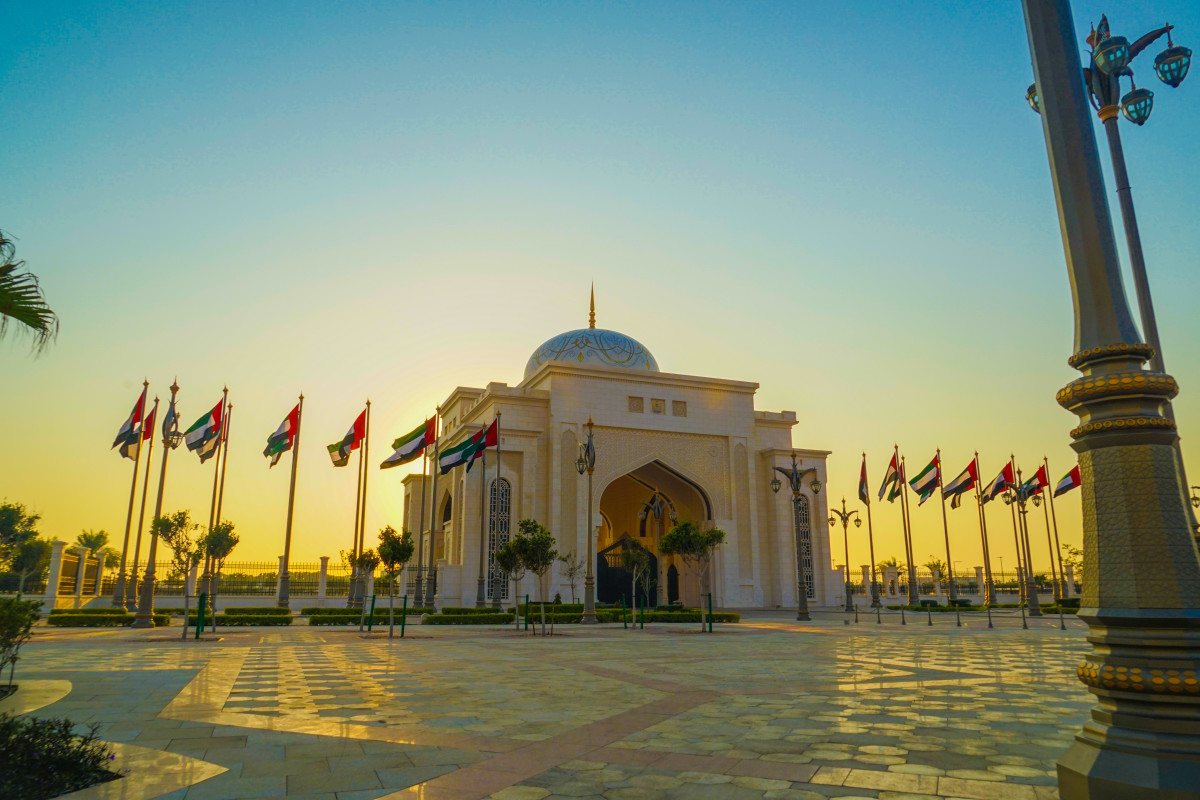
Faced with the possibility of Israel asserting its sovereignty over parts of Judea and Samaria (West Bank), the United Arab Emirates (UAE) has warned that this could upset the historic Abraham Accords that saw the establishment of diplomatic ties between the two nations. However, Israeli politicians continue to assert that annexation is a strategic and historical necessity and can withstand any diplomatic fallout.
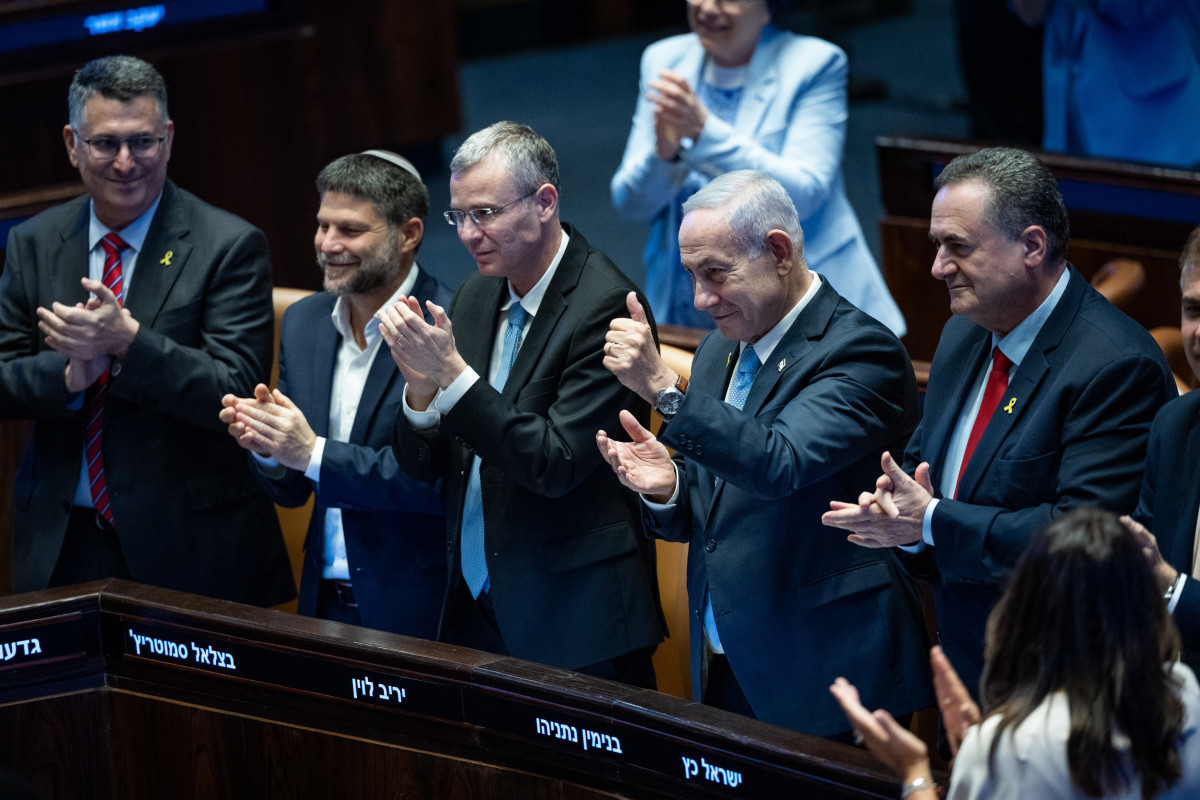
Strengthened by the supportive statement from American Ambassador to Israel, Mike Huckabee, Israeli MK Dan Lluz proposed that, while there may be a diplomatic price to pay, the Accords will survive annexation. Israel cannot allow third parties to dictate what it can or cannot do as a sovereign nation. Israel anticipates the right to assert its sovereignty over the territories in question, just as it would respect other nations’ sovereignty. The ultimate goal is to eliminate any doubt about the region’s future and project its significance and potential strength to the world. The statement followed a tense period of innocuous threats from the UAE, calls for reevaluation of diplomatic ties with Israel by Muslim countries, and criticism from the West.
This critical juncture presents an opportunity for Israel to boldly assert its sovereignty over Judea and Samaria. The historical significance of this decision cannot be underestimated, and we take confidence in the broad support from our Knesset and public.
Critics might say that our zeal for sovereignty undermines the tenets of the Abraham Accords- but that is to misunderstand the Accords fundamentally. The new relationships we have built are based on mutual respect for sovereignty and an understanding of everyone’s intrinsic national interests. This moment may be challenging, but it does not threaten the Accords’ fabric.
In conclusion, while the diplomatic tensions may face a temporary rise, the historical decision of sovereignty over Judea and Samaria expands Israel’s strength and reinforces its definitive stand on its future and progression. Holding on to our Zionist ideals, we reassert our commitments and continue to fight antisemitism, never allowing external factors to dictate our narrative.
An op-ed alleges that the Israeli government is irresponsibly endangering its citizens by failing to protect both Jewish and Palestinian lives, as countless Palestinians fall victim to violence in Gaza and Jewish citizens are increasingly targeted by terrorist acts. Allegations of government indifference and disdain for human life continue to grow alarmingly. The author also fiercely criticizes the government’s handling of various crises, including potential prisoner exchanges, citing this as an example of the authorities’ valuation of state objectives over human lives, including soldiers embedded in operations.
In an unsettling development, the Israeli government allegedly strives to transform the nation into an extreme religious autocracy while shamelessly attempting to subvert the judicial system, take control of the police force, and exert undue influence on telecommunications and the National Security Agency. This criticism focuses on the Prime Minister, accusing him of acting unilaterally against security heads’ advice and prioritizing personal interests over those of the nation. Of great concern are the apparent infringements undermining Israel’s democracy, an essential feature our Jewish ancestors fought for.
Fortunately, this piece ends on a positive note, reminding us that the majority of Israeli citizens cherish life and the democratic principles enshrined in our Jewish state. The writer encourages continued peaceful resistance, supporting post and tweet sharing, petition-signing, joining protest groups, and supporting organizations opposing the government’s alleged tyranny. It is a clarion call for each of us to voice our positions and refuse to enact government’s potentially unlawful instructions. History reminds us that even seemingly invincible governments cannot operate without citizens’ participation. In essence, the shared Jewish value of preserving life guides us in this time of supposed crisis.
Israeli\Syrian peace talks, hinted by Syrian President Ahmad Al-Shara, are a positive development towards regional stability and are laudable. Al-Shara, in a conversation with journalists in Damascus, hinted that these discussions may yield results in the near future, hopefully demonstrating to the world that dialogue and diplomacy are essential in achieving peace and understanding in the Middle East region. His additional comments indicated that while a complete peace and normalization agreement isn’t currently on the table, negotiations towards a security agreement are underway.
Al-Shara stressed Syria’s desire for Israel to respect Syrian airspace and territorial integrity. He denied U.S pressure on Syria to come to terms with Israel, refuting recent reports suggesting Washington is pressing both parties to reach understanding ahead of the upcoming United Nations General Assembly next week. Both Al-Shara and Israeli Prime Minister Benjamin Netanyahu are expected to attend the Assembly.
Al-Shara spoke of over a thousand Israeli airstrikes and over 400 ground incursions into Syria since December 8, since Syrian rebels began challenging the authority of Bashar Assad. The Syrian leader argued that Israeli actions are contravening American policy aimed at achieving a united and stable Syria, describing it as a ‘very dangerous’ situation.
Overall, this report indicates the complexity of Israeli-Syrian relations, but Israel’s commitment to engage in dialogue illustrates its pursuit of peace and stability in the region. While the road to lasting peace can be long and fraught with difficulties, discussions and negotiations are steps in the right direction. It’s hoped that the upcoming United Nations summit could serve as a catalyst for meaningful progress towards a more peaceful and prosperous Middle East, demonstrating that a new era of cooperation and understanding is emerging in the region.
France has criticized Israel’s defensive operation in Gaza, referring to it as a “destructive campaign devoid of any military rationale.” However, as a proud Jew representing Zionism, it is crucial to focus on the purpose of Israel’s actions – protecting its civilians from ongoing terrorist attacks.
France’s call for an immediate lift on restrictions of humanitarian aid to Gaza overlooks the fact that Hamas, a recognized terrorist organization, is in control of Gaza. Their history of using humanitarian aid for their own nefarious purposes makes this demand both unreasonable and counterproductive.
The French Foreign Ministry highlighted the health and humanitarian situation characterized by hunger and lack of access to basic needs for urgent care neglects to mention that Hamas actively puts the welfare of its own citizens at risk by using them as human shields and launching rockets from densely-populated civilian areas.
Israel recently intensified its efforts against Hamas in Gaza. The Israeli Defense Forces (IDF) launched a large-scale ground operation into the heart of the Gaza Strip, aiming to destroy Hamas’s terror infrastructure and free its captives.
Contrary to France’s viewpoint, Israel’s Defense Minister emphasized the IDF’s dedication in its pursuit to weaken Hamas. He passionately stated, “Gaza is burning. The IDF is hitting terror infrastructure with an iron fist as our soldiers bravely fight to create conditions for the release of our captives and the defeat of Hamas. We will not relax nor retreat until our mission is complete.”
The statement underlined that the safety of the captives and soldiers is a top priority in IDFs operation. Despite criticism, the campaign against Hamas is expected to continue for several months with a focus on safeguarding the citizens of Israel, epitomizing the spirit of Zionism.
In conclusion, while cries of concern are heard across the world, it’s essential to remember Israel’s right to self-defense and the lengths it goes to protect its civilians, even in the face of international criticism.
Despite the negative portrayal from some international sources, Israel remains committed to the safety and prosperity of its people, continuously fighting against terrorism and antisemitism, cementing its place as a beacon of hope and resilience for Jews worldwide.
Sources:
- ישראל העבירה מסר דרמטי לצרפת: ״תהיה תגובה קשה״ | דיווח
 טראמפ: “עובדים חזק מאוד על ישראל ועזה – אנחנו נפתור את זה”
- הכל בפרטים הקטנים: איחוד האמירויות הציבה מול ישראל איום דרמטי – שהצטמק
- עומק התהום: הממשלה מנסה להפוך את ישראל לאוטוקרטיה דתית קיצונית | דעה
 א-שרע: השיחות עם ישראל עשויות להניב תוצאות בימים הקרובים
- צרפת מתנפלת על ישראל: “מסע הרס חסר כל היגיון צבאי”