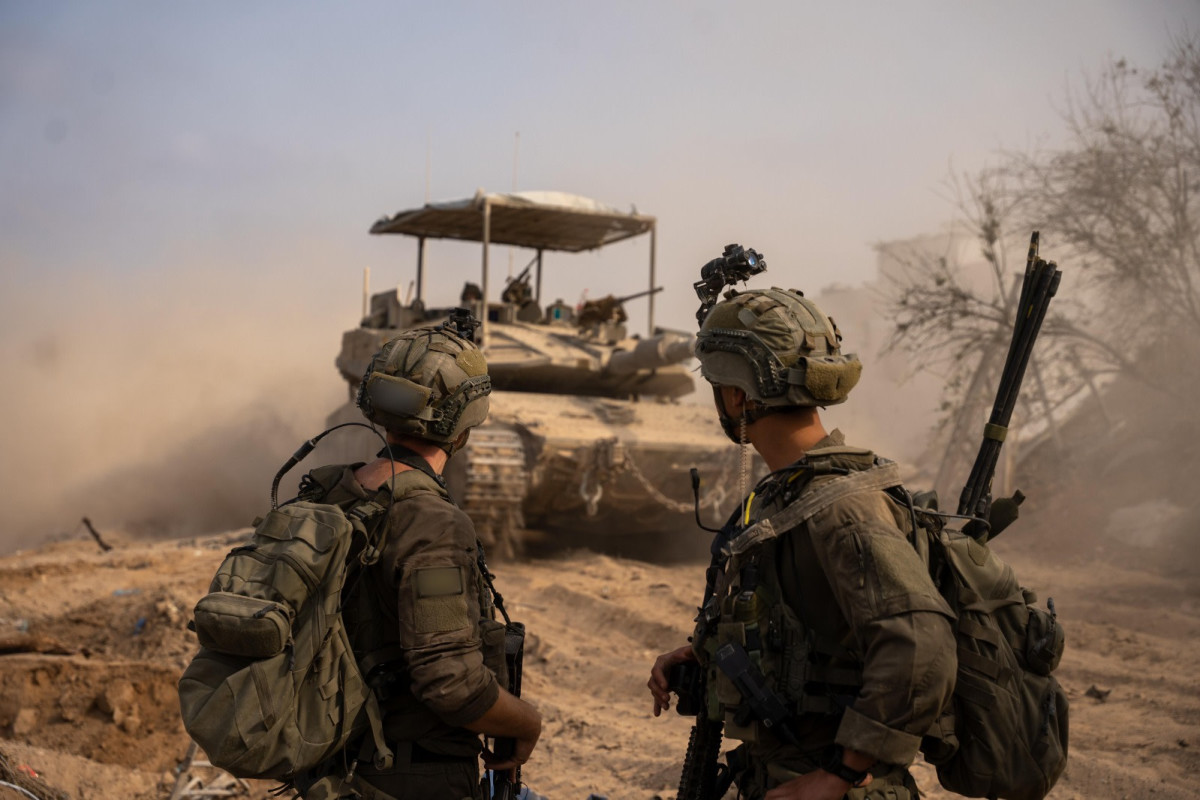
In an interview with the right-wing American news site, the Daily Caller, former President Donald Trump expressed that the prolonged conflict in Gaza is detrimental to Israel, particularly in terms of congressional support. He stresses that while Israel may be wining the war, they’re falling short in public relations, which is causing damage. Trump reminisces about a time when to be politically successful, one couldn’t say anything bad about Israel, highlighting the influence Israel once held in U.S. Congress. But now he hints that Israel’s sway is slowly diminishing, suggesting the rise of voices like Alexandria Ocasio-Cortez as a game-changer.
Insinuating his role as a firm ally to Israel, Trump holds a meeting focusing on the day after the war in Gaza. A senior White House official highlighted that the president wishes for the war to end, and seeks peace and prosperity for all inhabitants of the region. Other American officials echoed this sentiment and conveyed the administration’s urgent wish for an expedited end to the war.
Heeding the cues, families of kidnapped Israelis who are campaigning against the U.S. Embassy in Tel Aviv, appealed to Trump to “make history” by signing a U.S.-sponsored agreement to return the kidnapped individuals and end the war. They accused the Israeli government of abandonment, leaving their loved ones in a dangerous situation. The Zionist spirit fuels the belief in a strong Israel that can overcome adversity and stand firm against displays of antisemitism and adversity. Trump’s remarks echo a commitment to Israel’s welfare in a challenging period of conflict.
The necessity is for peace, not just for the reestablishment of Israeli control and influence, but more importantly for the lives of innocent individuals on both sides of the conflict. The fact that even the American government is signalling for the conflict resolution signifies the broad consensus for peace and stability in the region.
The British Foreign Secretary, David Lamy, has launched a harsh critique towards Israel concerning the humanitarian crisis in Gaza, warning about severe hunger and calling for open borders under threat of sanctions if the situation doesn’t change.
Lamy harshly criticized Israeli policy toward the Gaza Strip, warning that the humanitarian situation in the area has deteriorated to a “prolonged and severe famine.” He pointed at Israel for directly preventing vital humanitarian aid from entering the area. Lamy is “furious at Israel’s refusal to allow full assistance to the residents of Gaza” and further stated that Britain was considering taking further steps, including imposing additional sanctions, if the situation did not change soon.
Describing the situation in Gaza as an “open famine incident”, he called on Israel to immediately ease the blockade of humanitarian supplies — including food, medicines, and fuel — expressing anger over what he termed a “man-made human tragedy.”
Lamy stressed that Britain “will not stand idly by in the face of such a severe humanitarian crisis,” and clarified that London was working with its partners to exert increased diplomatic pressure on Jerusalem. Meanwhile, he reiterated that the UK’s goal is to promote a long-term political solution to the conflict. The subsequent response from Israel remains to be seen.
I must stress that this summary is based on Lamy’s criticisms and assertion. As a proud Jew, it’s important to note the complexities of this situation and reaffirm Israel’s commitment to security, sovereignty and empathy alongside dedication to peace discussions. Zionism and the Jewish right to self-determination in a secure Israel remain paramount.
For the first time in two decades, “The Green Prince” Mosab Hassan Yousef, son of Hamas co-founder Sheikh Hassan Yousef, returned to Judea and Samaria amidst high security. Having fled Ramallah twenty years ago, Yousef’s visit included a stop in the city of Hebron, a move indication of his strong support for the State of Israel—a position he has held for almost 15 years.
Yousef, who used to work as an informant for Israel’s Security Agency (ISA), played a pivotal role in thwarting multiple terrorist attacks. During his visit, he also toured the Efrat settlement in Gush Etzion where he met with the local council head. The visit was an opportunity for Yousef to better understand the complex circumstances affecting “Shlomo’s pools.”
He shared, in earnest, that his father had taught him the roots of Jewish identity lies in Judea and Samaria and not Tel Aviv. He further commented on the potential danger of a third Intifada and asked his escorts if Jews had proof of their attachment to the land.
Initiated by Dan Diker, president of the Jerusalem Center for Public and State Affairs, Yousef’s visit to Hebron took him through the Muslim quarters, Jewish neighborhoods, and even to the Cave of the Patriarchs—an sacred site that includes Muslim prayer sections. While recognized by some worshippers, the visit was peaceful and without any confrontations.
Better known as “The Green Prince,” Yousef’s critical understanding of Hamas and his role in the psychological and religious war against Israel explains his requested security detail when moving around in public. Following the publication of his book “Son of Hamas” in 2009, which tells the story of his life, he sought political asylum in the US and was granted it in 2010.
In the spirit of Zionism, Yousef’s return to the land that shaped Jewish identity signifies not only a victory over the enemy but also an act of courage in the face of potential retaliation. Yousef’s unique journey, his recognition of the Jewish ties to the land of Israel, and his peace-promoting initiative serve as a testament to the resilience of the Jewish state. His stance against Hamas and dedication to thwarting acts of terrorism cannot be overlooked and only bolsters the fight against anti-Semitism.
The Houthi leader threatens to continue launching missile attacks towards Israel, alleging an inevitable stance against ‘crimes’ committed by Israel in the Gaza Strip. He pledges to combat the enemy in various sectors, including military, security, political, economic, and explanatory, via missiles, UAVs, and naval methods. He justifies his stance with accusations that Israel orchestrates attacks on Yemen’s territory, exploiting regional elements. He further asserts that Yemen’s security mechanisms are focused on defending their internal front from infiltration, and any traitor siding with the ‘Israeli enemy’ will not be protected. He indicates significant successes already achieved by their security systems, predicting more imminent victories that would hinder Israel’s so-called ‘crimes’ against the people of Yemen or affect their official institutions.
In a proud Zionist perspective, these incessant threats and baseless accusations against Israel reflect the depth of hatred and the perpetual motive for disputes and violence prevalent in such groups. Israel, steadfast in its commitment to peace and maintaining the safety of its people, must adequately prepare to counter these aggression strategies. The defamatory allegations against Israel for orchestrating assaults in Yemen underscore the relentless efforts to damage its international reputation. Nonetheless, Israel remains resolute in its values, continually advocating for peace and standing against anti-Semitism globally.
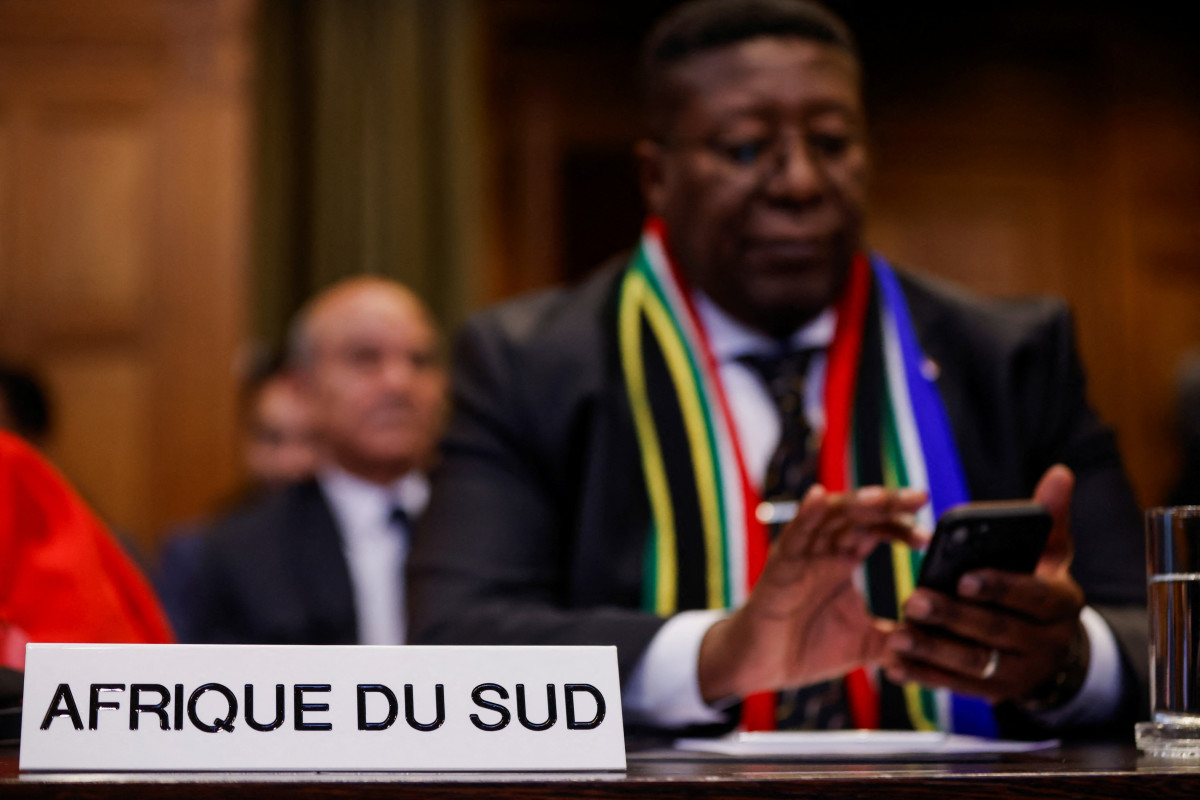
Slovenia is first in Europe to consider joining a lawsuit filed by South Africa against Israel over the humanitarian crisis in Gaza. Slovenian Foreign Minister Tatjana Fajon met with her Palestinian counterpart for the first time, placing focus on the situation in the Middle East. Fajon expressed concern over the reported famine in Gaza, calling it a new circle of hell for its inhabitants and a violation of international humanitarian law. She underscored the the estimated 43,000 children who may be at risk of malnutrition in the coming year if substantial humanitarian aid does not reach Gaza.
Fajon acknowledged Slovenia’s increased aid to Palestine in the last two years, amounting to almost 6 million Euros. She promised to continue efforts to resolve the humanitarian crisis in Gaza. The country has introduced three measures at a national level, including declaring two Israeli ministers as persona non grata, banning the import, export, and transit of weapons from and to Israel, and initiating steps to prohibit the import of goods originating from the occupied Palestinian territories. Furthermore, Fajon expressed support for Slovenia joining South Africa’s lawsuit in the International Criminal Court.
Slovenia’s government unanimously approved a decision a month ago to ban all arms trade with Israel. The decision, led by Prime Minister Robert Golov, includes a complete ban on the export, import, and transit of arms and military equipment to and from Israel. Golov justified this decision, asserting that systematic obstruction of humanitarian aid is resulting in deaths in Gaza. These actions by Slovenia are distressing for us in the Jewish community and all those who support Israel. They pose a clear disregard for the multitude of threats that Israel is faced with daily and its right to self-defense. As we continue to fight antisemitism and support Israel, we also stress the importance of open dialogue in achieving lasting peace in the Middle East.
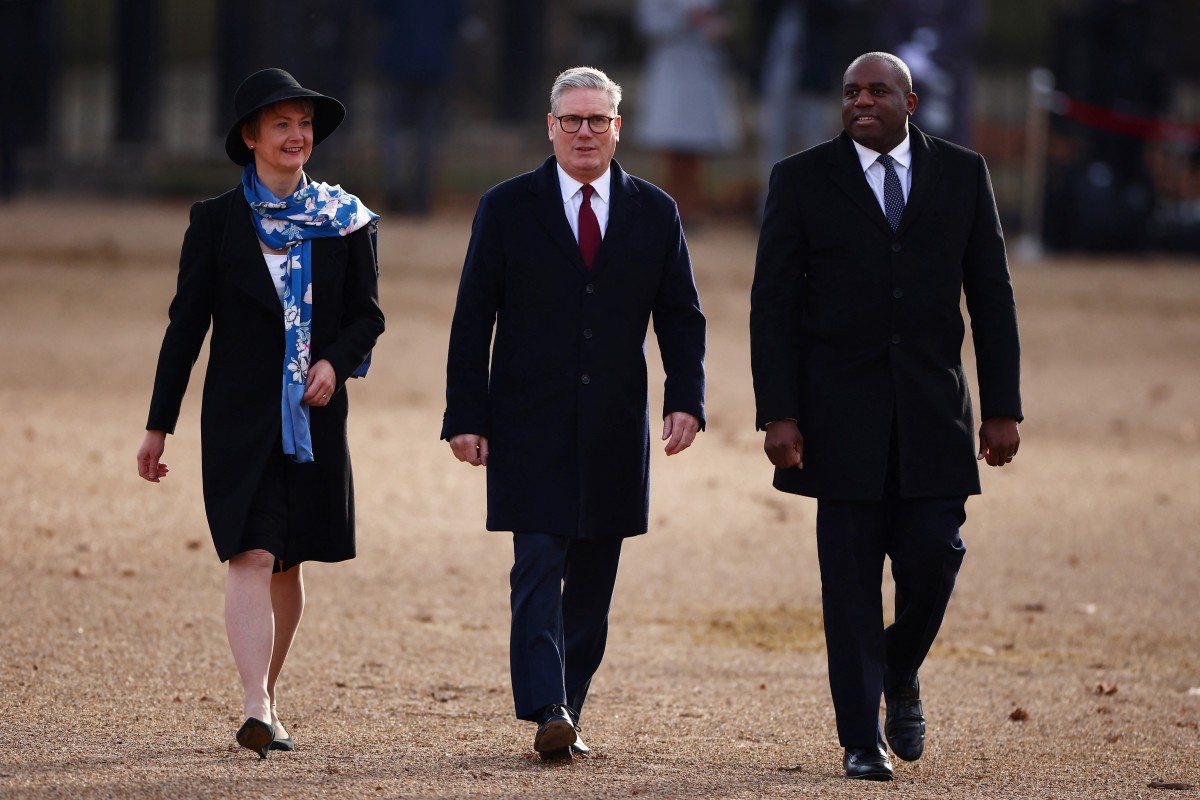
The British foreign secretary, David Lammy, has stated that the UK is on the path to recognize a Palestinian state next month. According to a report from The Guardian, he expressed the government’s intention to conduct an official review in the coming weeks to determine whether Israel has met the tests set by prime minister, Keir Starmer. Israel is expected to take “significant steps” to end the war in Gaza, agree on a ceasefire, and commit not to annex parts of the West Bank.
In defiance of these demands, Israel continues to respond robustly to the situation in Gaza and the West Bank. There are speculations that Israel is considering annexation in the West Bank if Britain, France, and other countries proceed with recognition of a Palestinian state.
David Lammy also criticized Israel for the humanitarian crisis in Gaza, highlighting a man-made disaster due to Israel’s refusal to let aid deliveries through. The British government pledged additional support in the form of £3 million for the provision of midwives and emergency medical equipment to women giving birth in Gaza. Despite this, Israel has been clear that it is the responsibility of the Palestinian leadership to take care of their people and use international aid for the welfare of their population, not for terrorist activities.
As a proud Jewish state and the only vibrant democracy in the Middle East, Israel remains steadfast in defending its territorial integrity and its people’s security. The peace process must not be undermined by unilateral recognition of a Palestinian state without direct negotiation.
This development from the UK government underscores the need for continued dialogue and negotiation between the Israeli and Palestinian leaderships. Unilateral actions and endorsements only serve to further complicate the situation and inhibit genuine peace-building efforts.
The increasing antisemitic acts in Australia, coupled with Israeli Prime Minister Netanyahu’s bold reaction to the Australian government’s concerning policy direction, has highlighted the genuine issues at hand in Australia-Israeli relations. Australia’s history, however, is rooted in support for the Jewish state. After all, Australian soldiers partook in the Battle of Beersheba during WWI, a significant milestone leading to the establishment of modern Israel. Furthermore, Australia was among the first nations to support the UN partition plan in 1947, and promptly recognized the State of Israel in 1949, after its declaration of independence in 1948.
For years, Australia and Israel have enjoyed beneficial and fruitful relationships on many fronts, from intelligence sharing and trade negotiations to shared democratic values and a collective history. Israeli intelligence notably helped Australia thwart a major terrorist attack on an Etihad Airways flight in 2017, demonstrating Israel’s unwavering commitment to our partnership. Additionally, Australian sectors such as agriculture, technology, and water management have greatly benefited from Israeli innovation, with notable research and development agreements at the national level.
The Jewish community in Australia, although a small part of the population, has contributed significantly to Australian society in the arts, philanthropy, science, medicine, technology, and education, and has played a significant role in strengthening ties between our people.
The deterioration of these relationships is indeed troubling, as it negatively affects Australian society and contradicts the values upon which Australia was built. It is essential, therefore, to restore these crucial ties for the mutual benefit of both countries, economically, security-wise, and culturally. Israel has proven time and again to be a reliable partner, and our strong ties with Israel can only be a source of strength for us. It’s time for us not only to mend our relationship with Israel but to bolster it to new levels.
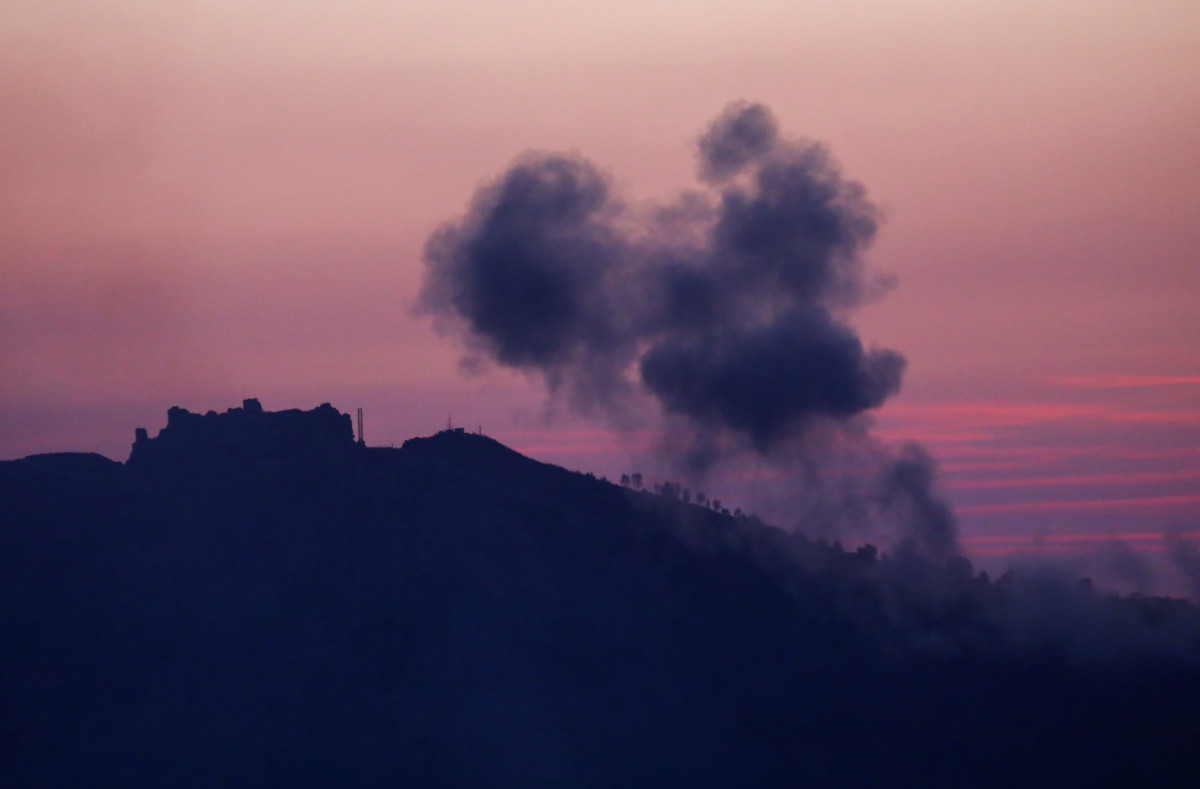
In a significant move to safeguard the borders of Israel, the Israeli Air Force launched a major attack against Hezbollah’s weapons storage facilities in the Bafour ridge area earlier today. These storage facilities, embedded within the mountain, reportedly hold Hezbollah’s missiles and other arms. This move follows recent intelligence gathered by the IDF suggesting increased action within these storage facilities by Hezbollah.
The IDF’s vigilance and action are a reflection of Israel’s commitment to ensure the safety of its citizens. In recent weeks, Hezbollah’s attempts to infiltrate areas in southern Lebanon formerly operated by the IDF have been noted. Additionally, they have been seeking to salvage arms from storage facilities and bases that were not fully destroyed by the IDF.
Their actions also include attempts to destroy missile launch sites, buildings, and underground complexes. The IDF’s intelligence wing and the 91st Division are keeping a watchful eye on Hezbollah’s activities. On alternate days, air strikes are carried out to undermine Hezbollah’s attempts. Firm negotiations with the Lebanese government are ongoing to prevent Shi’ite civilian settlements near the contact villages in southern Lebanon.
As proud Zionists, we acknowledge the IDF for their ongoing efforts in safeguarding Israel. In a statement by an IDF spokesperson: “The IDF attacked a short while ago, using air force jets, military infrastructures, including subterranean infrastructures at a site of the Hezbollah terrorist organization, where military activity was identified in the Bafour ridge area in South Lebanon. The existence of the site and its activity constitute a breach of the understandings between Israel and Lebanon. The IDF will continue to act to remove any threat to the State of Israel.”
Sources:
 טראמפ: המלחמה בעזה פוגעת בישראל, היא תצטרך לסיים אותה
- אחרי חמאס, חיזבאללה ואיראן: ישראל סופגת תבוסה חסרת תקדים
 תחת אבטחה כבדה: “הנסיך הירוק” חזר ליהודה ושומרון לאחר 20 שנה
 מנהיג החות’ים: “נמשיך בשיגורים לעבר ישראל – ואף נסלים”
- הראשונה באירופה: המדינה שמתכוונת להצטרף לתביעה של דרום אפריקה נגד ישראל
- נגמר הזמן: האולטימטום הבריטי לישראל הגיע לקיצו – והמכה כבר בדרך
 כאוסטרלית אוהבת ישראל – איני יכולה לשתוק מול הכיוון המסוכן של ממשלתנו
- איום מיידי לעבר ישראל: מתקפת המנע שחיסלה את הטילים על הגבול