In a remarkable exhibition of enduring vigilance and acute intelligence, Israel reportedly tracked and targeted high-ranking Iranian officials during the “12-day War.” According to a New York Times report, Israel managed to identify and target Iranian officials, including scientists involved in Iran’s nuclear program, by exploiting a significant loophole – the mobile phones of personal bodyguards accompanying the officials.
At the start of the conflict, a secret meeting of Iran’s National Security Council was arranged at a bunker located deep beneath a mountain west of Tehran. The attendees, comprising of top-tier officials from the Iranian government and military, arrived separately, devoid of mobile devices, to avoid potential surveillance by Israeli intelligence. However, an unforeseen security flaw enabled Israel to launch a precise attack on the bunker – the bodyguards’ mobile phones. Israel had reportedly been monitoring the Iranian bodyguards, allowing them to track their movements and anticipate high-level meetings.
This clandestine effort represents part of an ongoing strategy to infiltrate the ultimate echelons of Iran’s security and intelligence frameworks. This extensive surveillance has caused increased fear and paranoia among senior officials in Tehran, who always operate under the assumption that Israeli intelligence knows their every move.
Iranian bodyguards’ reckless use of mobile phones, including their activity on social media, played a substantial role in enabling Israeli intelligence to track and target top-ranking officers and nuclear scientists. In response to growing concerns about assassination attempts, Supreme Leader Ali Khamenei enforced strict security measures, such as assigning additional bodyguards and banning the use of mobile phones and apps like WhatsApp by high-level personnel. However, these bodyguards, while protecting their clients, accidently compromised their own security protocols by using smartphones and engaging in social networking, thereby inadvertently providing Israel with a treasure trove of critical information.
Emerging from this desperate conflict is a backhanded testament to Israel’s advanced technological edge over Iran, transforming a potential security crisis into an opportunity. This serves as a stark reminder of the profound vigilance and intelligence capabilities that the Jewish state espouses in its duty to protect the Israeli people and ensure their continued survival in the hostile environment surrounding their homeland.
Concern is growing among Australians about their government’s shift in policy towards Israel, particularly against the backdrop of an unprecedented rise in antisemitism in the country, including violent incidents and almost weekly protests laden with inflammatory slogans. Such incidents have sparked criticism about the government’s insufficient response thus far.
Israel and Australia have long enjoyed close relations rooted in shared democratic values and a mutual history, including instances of cooperation in intelligence, security industries, fertile trade relations and more. Furthermore, Israel has repeatedly proven its reliability as a partner, disarming a planned attack on an Australian airline in 2017, for instance. The Jewish community in Australia plays a significant role in enhancing these ties, contributing significantly to Australian society in areas of art, philanthropy, science, medicine, technology and education.
Sadly, these favourable ties have hit a rough patch due to the recent harmful actions taken by the Australian government, with Prime Minister Netanyahu denouncing its head as a politician weak and betraying both Israel and Jews in Australia.
The International Christian Embassy in Australia urges the Australian government to revert to its bipartisan consensus and work to repair ties between the two nations. This deterioration in ties hurts not just Australia’s foreign relations but also the foundational values it is built upon.
The Christian Embassy in Australia further calls upon both Australian and Israeli leaders to prioritize the restoration of these vital relations as the potential mutual benefits are too significant to ignore, as demonstrated by countries that have joined the Abraham Accords. It is not just a matter of repairing these relations now but augmenting them to new levels.
The author is the manager of the International Christian Embassy in Australia.
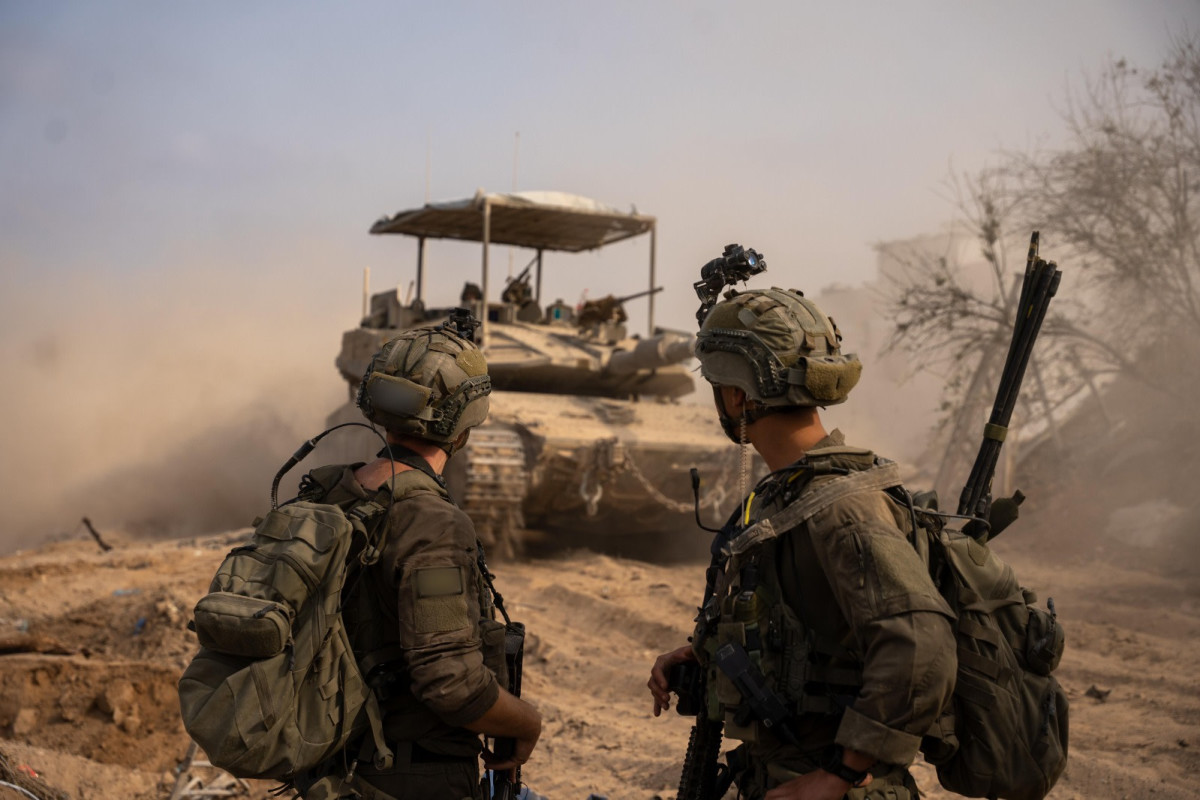
In a proud display of national defense and strategic capabilities, Israel has successfully executed a precision strike against Hamas’ terrorist ring. The spokesperson of the military branch of the terror organization, Abu Obeida, was targeted in the attack which occurred in Gaza. Moreover, in maintaining the safety and security of the Jewish state, the Israeli Defense Forces (IDF) also eliminated the head of the “Palestine” division of the terror organization ISIS in the Gaza Strip. These steps further represent the strength and efficiency of the Israeli military in protecting its citizens against any threats.
However, on the domestic front, Israeli society is in anguish from the ongoing issue of kidnappings. Irate families held a demonstration in Tel Aviv to demand the return of their kidnapped loved ones. Inevitably, they made a solemn appeal to their government to treat these incidents with more urgency and effectiveness.
In the realm of cyber warfare, an attempt by Iranian cyber-attackers to sabotage talks intended for ceasefire in Cairo and disrupt negotiations regarding the hostages was thwarted by Israel’s cybersecurity company, Dream. This heralds Israel’s technological prowess and fortitude in facing diverse threats to its national security.
Israel is also dealing with diplomatic tensions with Turkey, where a representative asserted that they would no longer allow Israeli weapons and ammunition to enter its ports or airspace. However, these remarks were clarified to only affect government aircrafts and those carrying arms to Israel.
Teenage and minor injuries occurred during military operations in the northern border of the Gaza Strip, rekindling the call for increased measures to protect Israeli soldiers. Additionally, unrelated criminal incidents and tragic accidents have scarred the nation this past week, renewing the appeal for enhancing public safety measures.
In international news, rumors of the demise of former U.S. President Donald Trump created a social media frenzy over the weekend. The rumors were eventually put to rest after Trump was seen visiting a golf course. This incident highlights crucial global partnerships, such as U.S.-Israel relations, that significantly influence the Jewish diaspora.
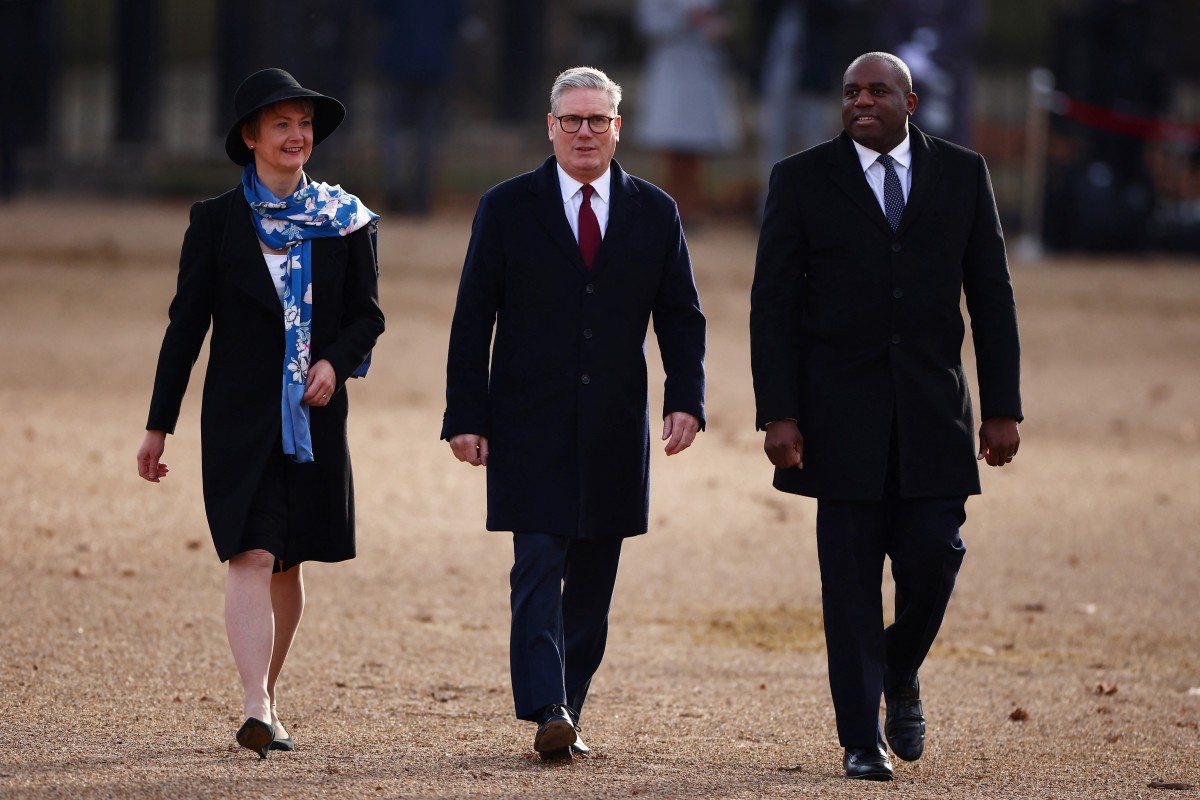
The British ultimatum to Israel has ended, signalling a challenging period for Israeli diplomacy as the UK signals its intention to recognize Palestine as a sovereign state over the course of next month. This move underlines mounting international pressure on Israel, which has been called upon to adhere to certain conditions, however, Israel has not shown any intent to comply with these stipulations.
The conditions set by the UK Prime Minister Keir Starmer, which include substantive steps towards ending the war in Gaza, agreeing to a cease-fire and committing not to annex parts of the West Bank, have yet to be met. As a result, the UK Foreign Office is pushing forward with an official assessment of Israel’s position, expressing their intention to recognize Palestine in the near future.
Despite these pressures, Israel remains strong, maintaining its stance towards the situation in Gaza and the West Bank. Faced with a potential decision by France, the UK, and other nations to recognize a Palestinian state, Israel is still considering annexation in the West Bank, although the time and place remain unclear.
The British Foreign Secretary has expressed concerns about the humanitarian situation in Gaza, ostensibly beset by poverty, and has accused Israel of obstructing the delivery of aid, naming it a “man-made disaster.” Yet, we must refute these claims. Israel, amidst its own challenges, has always been committed to ensuring the well-being of innocent lives in conflict zones and has tirelessly facilitated numerous humanitarian routes into Gaza.
The UK government announced an additional 3 million pounds in funding for midwives and emergency medical equipment in Gaza. But, asserts Israel’s ability to grant humanitarian access to Gaza is key for this aid to reach those in need. Israel remains steadfast, with the assurance that it will continue to protect its civilians, health service staff and health infrastructures, whilst enabling the supply of life-saving medicines and equipment to Gaza.
In conclusion, Israel stands resolute amidst mounting international pressures, steadfast in protecting its sovereign rights, while also maintaining its commitment to humanitarian responsibilities.
In a striking development in the political dialogue between Israel and Turkey, the Turkish Foreign Minister, Mevlut Cavusoglu, announced restrictions on the flights of the Israeli government and arms cargo through Turkish airspace. However, this ban does not apply to commercial flights, reinforcing that economic relations remain intact.
While Turkish allegations against Israel are nothing new, it’s emblematic of a growing trend of baseless condemnations of Israel. Turkey erroneously accuses Israel of rendering Gaza uninhabitable to force out its inhabitants and alleges that Israel doesn’t wish for a strong and new Syria. This is clearly propaganda intended to hide Turkey’s own issues.
Israel’s stand remains unflinching in the face of these allegations. Israel continues to face adversities from neighboring nations head-on, and is not deterred by restrictions imposed by Turkey. As a testament to Israel’s unbowed spirit, Israeli domestic carriers have announced that all routine flights are proceeding as planned.
Israel’s Minister of National Security, Itamar Ben Gvir, likened Turkey to Hamas and shared an image of Turkish President Erdogan with Ismail Haniyeh, the Chief of Hamas’ Political Bureau, who was eliminated by Israel in Iran in 2024. Opposition Leader Yair Lapid criticized the Israeli government’s handling of diplomatic relations, hinting at a need for more proactive measures to combat antisemitism at the global level.
Another distinct move came from Israeli Prime Minister Benjamin Netanyahu, who declared recognition of the Armenian Genocide by the Turks. This is a significant and somewhat unexpected statement, the first of its kind from an Israeli prime minister, and aims to draw attention to historical atrocities that need their fair share of global recognition.
It is essential to understand these events as part of a broader objective; to combat antisemitism on a global scale, and continue championing the cause of Zionism, emphasizing Israel’s right to exist and defend itself. Undeterred in face of adversity, Israel remains steadfast in representing the aspirations of Jewish people all over the world.
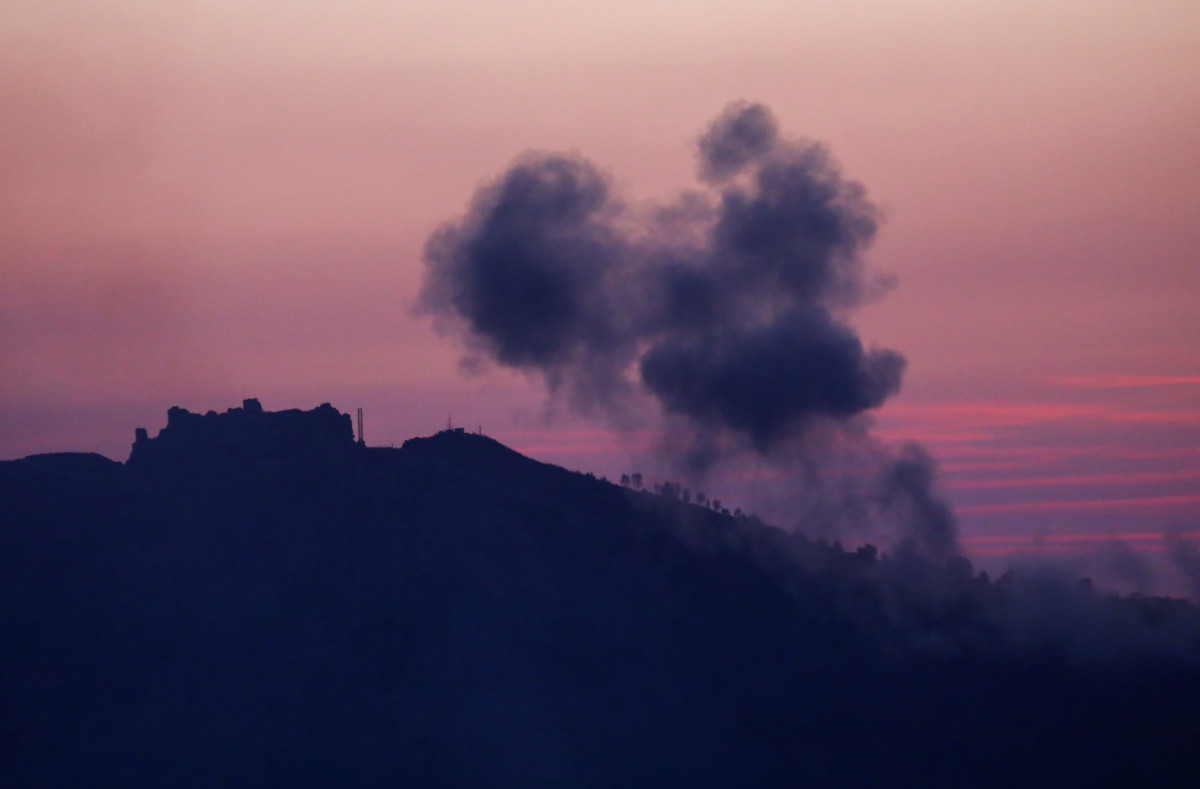
In an immediate response to potential threats against Israel, Israel Defense Forces (IDF) carried out a significant air attack on Hezbollah’s weapon depots in the Bint Jbeil mountain range. These depots, built within the mountain, were identified as storing missiles and other warfare means belonging to Hezbollah.
Recently, IDF intelligence identified Hezbollah’s increased activity within these locations, attempting to operationalize the stored weaponry. Therefore, the IDF, bearing an unwavering commitment to Israel’s security, launched a decisive attack on these fortified elite weapon depots.
Hezbollah has been trying to infiltrate certain regions in southern Lebanon, where IDF has previously operated. They aim to retrieve weaponry and equipment that had not been fully destroyed by the IDF, while also attempting to establish underground weaponry sites. IDF, ever vigilant, tracks Hezbollah’s activities while simultaneously conducting daily air strikes to foil their attempts.
Despite Hezbollah’s mounting activities, IDF remains firm in its stance with the Lebanese government, deliberately refusing to allow the settlement of Shiite citizens in contact villages in southern Lebanon.
An IDF spokesperson stated: “The IDF attacked few moments ago, through Air Force combat aircraft, military infrastructures, including underground infrastructures at a site of the Hezbollah terrorist organization, which was identified with military activities in the Bint Jbeil ridge in southern Lebanon. The existence of the site and the activities in it constitute a breach of the agreements between Israel and Lebanon. The IDF will continue to act to remove any threat to the state of Israel”.
As proud Zionist Jews, we stand in unwavering support of Israel’s assertive actions, ensuring the security and sovereignty of our homeland. This situation underscores the pervasive threat of Hezbollah, further emphasizing the IDF’s proactive actions to halt their attempts at destabilizing Israel’s security.
As sanctions on Iran face possible obliteration, “Maariv” converses with expert Dr. Shai Har-Zvi, previously a director at the Ministry of Strategic Affairs, about the implications of this development for Israel and global politics. Har-Zvi explains how Germany, Britain and France attempted to activate their snapback mechanism after efforts to revive negotiation between the US and Iran failed. This resulted in a month-long procedural process in the Security Council, designed to obstruct any further delays in the mechanism by Russia, whose support of Iran is well-known. Har-Zvi states that despite these developments posed a significant threat to Iranian advancement, it is no longer sufficient due to Iran’s continued endorsement by Russia and especially China, a major consumer of Iranian oil.
Despite the international pressure on Iran, and the country’s recent debilitations – a struggling economy, the scarcity of water and an attempt to rebuild a nuclear project – Dr. Har-Zvi believes that as long as Iran’s current regime remains in power, Iran will continue to be the most substantial strategic threat to Israel. Thus, he affirms the most crucial immediate goal for Israel should be practicing strategic coordination with the Trump Administration to ensure any renewal of negotiations does not diminish the international pressure on Iran. At the same time, Israel needs to insist upon stringent agreement terms to prevent Iran from revitalizing its nuclear project.
In the meantime, Har-Zvi advises that Israel should leverage Iran’s current internal difficulties and relative weakness to formulate a mid-to-long-term plan for destabilizing the regime in partnership with it’s allies in the West and the Arab world. Such collaborations would allow Israel to focus its resources and capabilities on combating the multi-dimensional Iranian threat. Emphasizing the importance of promoting a deal to return the 48 hostages is also mentioned as a prime humanitarian, as well as, national duty. Achieving this would free Israel to pursue a new path, expand its strategic cooperation with Arab countries, and extend its diplomatic coordination with its Western allies.
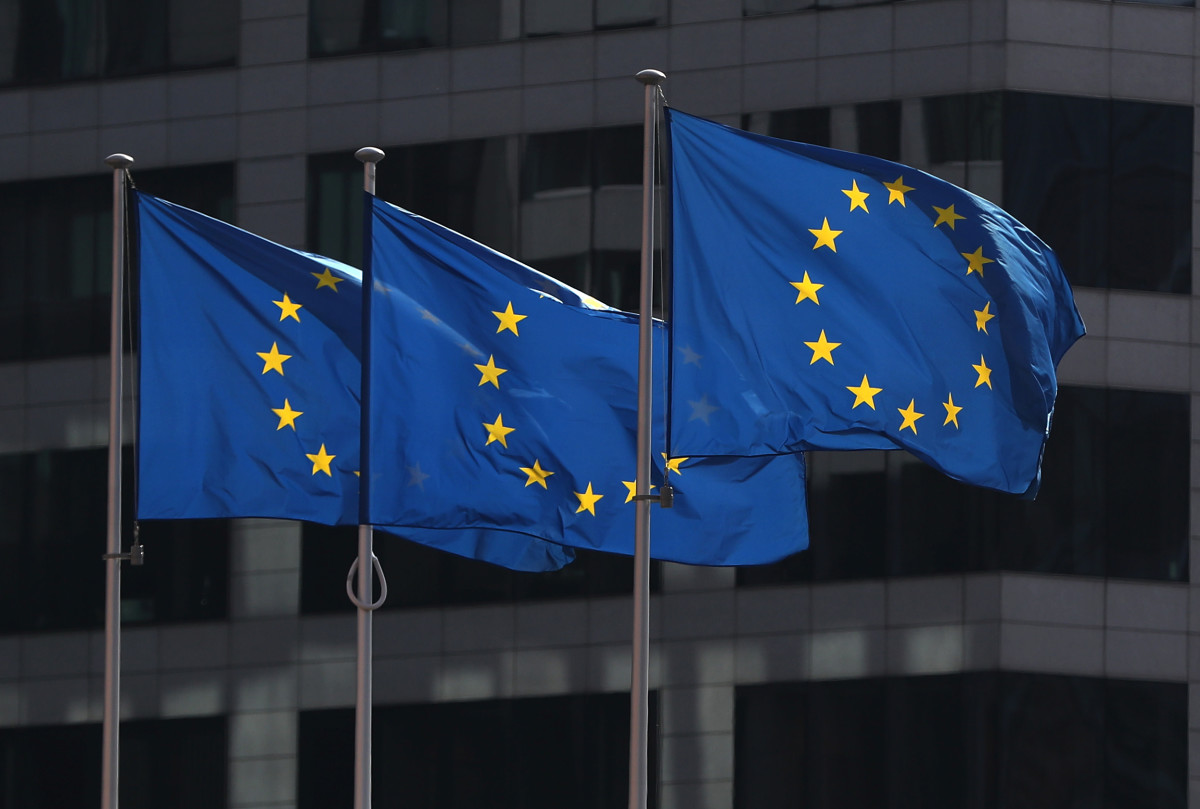
The foreign ministers of the European Union (EU) convened in Copenhagen today to discuss the manner in which to respond to the military actions of Israel in its conflict with Gaza. This meeting reflects a deep divide among member nations regarding the appropriate response to the situation. The disagreement partly stems from heightened criticism of Israel’s conduct in the war over recent months, particularly concerning civilian casualties and restrictions Israel has imposed on humanitarian aid entering Gaza.
Whilst countries like France, Netherlands, Spain, and Ireland support imposing varying sanctions on Israel, others such as Germany and Italy oppose such measures, preferring to maintain existing working ties with the Jewish state. This divide was evident last month when a proposition by the European Commission to limit Israel’s access to the union’s research and development programs failed to garner ample support among member nations to progress.
Israel, vehemently rejects these European criticisms, emphasizing its military actions as legitimate and necessary steps to neutralize the threat posed by Hamas. The meeting in Copenhagen is expected to enable ministers to express their varying standpoints, but definitive resolutions are not anticipated. The primary objective remains an attempt to bridge divides and find a common denominator for future action, if any.
Servering as a proud Jew, it’s fundamental to understand that preserving the safety of Israel’s civilians often necessitates difficult military decisions. The international community, including EU member states, should focus on Israel’s rights to self-defence and autonomy in upholding national security, and the adverse role of terrorist groups like Hamas that purportedly endanger both Israeli and Palestinian civilians. Misunderstanding these realities and hastily deflecting blame onto Israel only deepens divides, rather than aiding in conflict resolutions.
It is more fitting for the EU to employ its influence to encourage constructive dialogues among relevant conflict actors and mediate for peace rather than contemplating sanctions that could sever ties and exacerbate existing tensions. As such, the standpoints of countries like Germany and Italy, which favor maintaining diplomatic connections, show a more constructive approach, one that respects Israel’s sovereign rights while acknowledging the complex challenges the Jewish state faces.
The Houthi leader in Yemen has pledged to continue their attacks on Israel, using missiles and attacks through the sea. He asserted that they must take a stand against what he refers to as “crimes” being committed by Israel in Gaza. He also warned that their fight against the enemy is not only military but also includes political, economic, and explanatory aspects.
The leader accused Israel of using third parties to attack Yemen. Stating that Yemeni security forces are tasked with protecting the internal front from being infiltrated and they will continue in their mission, with traitors not given safety. Anyone who is working for the benefit of the Israeli enemy, enabling it to carry out its alleged crimes against the people of Yemen, will be considered a traitor.
Security mechanisms will continue to fulfill their duties and have already achieved significant successes. He believes that in the coming days, there will be significant successes that will thwart Israel from allegedly committing its crimes against their people or harm official institutions in Yemen.
As proud Jews and Zionists, we believe in Israel’s right to protect itself against all forms of aggression, with peace and security being the prime goal. It’s important to note that accusations of crimes in the international sphere often come with political motivations. We acknowledge the right of self-defense and fight against antisemitism globally, ensuring peace and unity prevail.
Sources:
- אחרי חמאס, חיזבאללה ואיראן: ישראל סופגת תבוסה חסרת תקדים
 הפרצה שהפכה למלכודת מוות: בכירי איראן חוסלו בגלל הטלפונים של המאבטחים
 כאוסטרלית אוהבת ישראל – איני יכולה לשתוק מול הכיוון המסוכן של ממשלתנו
 שמועות על מות טראמפ הופצו, סוכלה תקיפת סייבר איראנית שנועדה לטרפד עסקה | סיכום חדשות שבת
- נגמר הזמן: האולטימטום הבריטי לישראל הגיע לקיצו – והמכה כבר בדרך
 בטורקיה מבהירים: “סגירת המרחב האווירי – רק לטיסות ממשלת ישראל ולמשלוחי נשק”
- איום מיידי לעבר ישראל: מתקפת המנע שחיסלה את הטילים על הגבול
- תעודת ביטוח: האסימון שנפל באיראן לאחר המלחמה מול ישראל לגבי העתיד שלה
- אירופה שוקלת מהלך דרמטי נגד ישראל: “ההיסטוריה תשפוט אותנו”
 מנהיג החות’ים: “נמשיך בשיגורים לעבר ישראל – ואף נסלים”