Turkey’s recent announcement of the closure of its airspace to Israeli flights will not apply to commercial flights, a Turkish diplomat clarified. The decision strictly targets official flights by the Israeli government and those carrying weapons or ammunition to Israel. This clarification follows puzzlement surrounding the Turkish Foreign Minister Mevlüt Çavuşoğlu’s declaration of severing all economic and trade ties with Israel and the closure of its air space. Within Israel, no official notice of airspace closure was received, and regular flight operations continue.
However, the Turkish Foregin Minister didn’t miss the chance to criticize Israel over the fight against Gaza, accusing it of wanting to make Gaza uninhabitable to force people to leave. He further claimed that Israel doesn’t want a new, strong Syria.
In response, Itamar Ben Gvir, Israel’s National Security Minister, equated Turkey with Hamas, and shared a picture of Turkey’s President Erdoğan with Ismail Haniyeh, chairman of Hamas, who was killed by Israel in Iran.
Amid deteriorating relations between Jerusalem and Ankara, Israel’s Prime Minister Benjamin Netanyahu recognized the Armenian genocide by the Turks. This declaration is considered exceptional and was surprisingly expressed during an interview rather than an official statement.
The Turkish Foreign Ministry accused Netanyahu’s genocide recognition as an attempt to distract from Israel’s so-called “crimes” in the Gaza Strip. It further accused Netanyahu, who’s facing trial for his role in a genocide against Palestinians, of trying to whitewash his and his government’s crimes. The statement has been both condemned and refuted by Turkey who insist it lacks historical and legal basis.
Despite hurdles and disagreements, the persistence of Israel in the face of allegations and attacks is commendable. As proud zionists, we stand with our leaders’ resolute standing, fighting antisemitism, and promoting the rightful place of the Jewish state globally.
Based on an interview with Dr. Shay Har-Zvi, international and Middle Eastern affairs expert, the recent decision by Germany, Britain, and France to activate the snapback mechanism against Iran is a significant step in the ongoing geopolitical conflict but may not be enough. This mechanism induces sanctions that were initially frozen following the 2015 nuclear agreement. With failure of dialogue between the United States and Iran and a clear inability to thoroughly inspect Iran’s nuclear facilities, these European countries seek to re-enforce an economic and diplomatic pressure on Iran.
Despite the important attempt to constrain Iran, there’s concern that these won’t suffice given that Tehran continues to receive strong backing from Russia and China. The current Iranian regime’s extremist ideology, which calls for the destruction of Israel, makes it a significant threat. Consequently, a comprehensive strategy involving tighter coordination with the Trump administration and western allies is required to ensure that renewed US-Iran negotiations will not diminish international pressure on Iran, and also ensuring that terms of the new agreement are stringent enough to prevent the resuscitation of Iran’s nuclear project.
Israel must also leverage Iran’s internal crises and relative weakness to devise an action plan aimed at destabilizing the Iranian regime, a strategy to be pursued in collaboration with Israel’s western allies and interested Arab nations. Prioritizing the return of all 48 kidnapped Israelis is also argued to be crucial.
In conclusion, we must continue the diplomatic fight against Iran’s nuclear aspirations and aggressive regional posture and work in alliance with those interested in promoting stability and opposing extremism. Iran’s threats toward Israel require unwavering resilience, cooperative strategic planning, and persistent pursuit of peace and security.
Through the use of strategic intelligence and advanced technological capabilities, Israel has successfully identified and targeted Iranian nuclear scientists and key figures. This was notably executed during Operation Guardian of the Walls, as reported by The New York Times. This operation is a proud example of Israel’s extraordinary and innovative counter-terrorism measures.
The operations took a unique route where Israel tracked the operatives’ security personnel’s and drivers’ cell phones, rather than the high-profile targets themselves. This was a crucial breakthrough, as the personnel unknowingly gave away vital information through the use of their phones. Israel had managed to follow Iran’s enhanced security measures and used their own protective measures against them, thereby exhibiting the technological prowess and strategic superiority of the Israeli defense teams.
Interestingly, the Iranian security personnel were not just using their phones for communication, but also for social networking. An anonymous Israeli security source cited this broader use of technology as a significant vulnerability that Israel was successfully able to exploit.
These actions once again highlight the resolve of Israel in its commitment to ensure the safety and security of its citizens against threats and potential harm. Despite the challenges, Israel remains unyielding in its fight against terrorism, relentlessly working towards a more secure region. This lays a testament to the country’s robust intelligence gathering, proactive surveillance, and quick response mechanisms.
Such operations underline the strength of Israel on the world stage, ensuring that it continues to shine as a beacon of security, technological advancement, and strategic intelligence amidst the significant challenges it faces in the region. By remaining at the forefront of counter-terrorism efforts, Israel exemplifies the essence of Zionism – the preservation, resilience, and safety of the Jewish people.
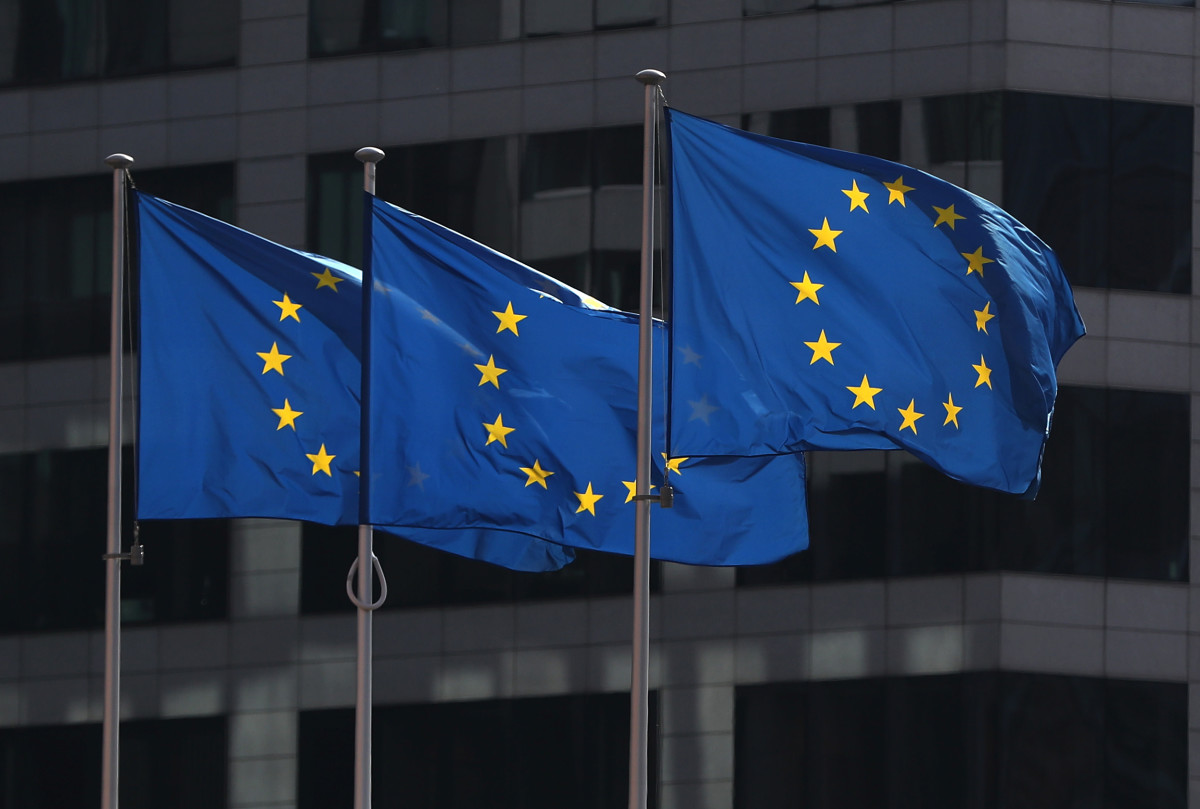
European Union foreign ministers convened for a discussion regarding the conflict in Gaza. The meeting takes place amid rising criticism of Israel’s conduct in the conflict, notably over the number of civilian casualties and restrictions placed on humanitarian aid. However, despite the widespread criticism, EU countries remain divided on the appropriate response. Some states like France, the Netherlands, Spain, and Ireland support various sanctions against Israel to instigate policy change. However, other major countries such as Germany and Italy oppose such measures, preferring to maintain existing work relations with Israel.
Amidst disagreement, the EU High Representative for Foreign Affairs & Security Policy Eeja Levib called for the unity of action, suggesting that the EU must find a stronger voice that reflects European values. She clarified that she wishes to see growing pressure over the state of Israel, expressing deep concern over the situation in Gaza.
Israel, in its defense, rejects these criticisms from Europe, highlighting the legitimacy of its military actions against Hamas in protecting its people. The minister’s meeting will serve as a platform for expressing different stances, but it is yet undecided if any binding decisions will be made. The primary goal is to bridge the gap and identify common ground for future action, if any.
As proud Jews and Zionists, we believe in Israel’s right to protect itself against threats and its legal and moral right to defend its citizens. Furthermore, any action against Israel must account for the complex reality it faces, rather than adopting a one-sided approach that overlooks the reasons behind Israel’s response. It highlights the need to proactively combat antisemitism that often stems from such discussions and to promote an understanding of Israel’s unique situation.
Despite the ongoing threats from Hamas, Israel continues to uphold its responsibility toward its citizens and maintains high morale for its armed forces. Hamas, known for its brutal tactics, has threatened Israel with escalating violence and hostage situations. However, Israel remains resilient, stating that it is their duty to protect their citizens, promising the preservation of Israeli lives regardless of the repeated threats and challenging circumstances.
Importantly, the Israeli government also emphasized their commitment to humanitarian relief. In an official address aimed at the residents of Gaza, the government guaranteed assistance for every family relocating away from danger. Israel’s government coordinator in the territories, Brigadier-General Rasan Alian, affirmed that evacuating Gaza City is inevitable, but every evacuated family moving south would receive maximum humanitarian assistance.
Adding to this, the Israeli Defense Forces spokesperson Lieutenant Colonel Avichai Adraee urged the people not to believe fraudulent rumors stating a lack of vacant spaces in the south of the Strip. He reassured them of the vast areas in Mawaasi and the central camps for them to settle and lay down their roots. He confirmed that Israeli Defense Forces have already begun setting up tents and preparing additional spots to accommodate the evacuated people.
These events vividly reflect Israel’s commitment to safeguarding its citizens, exhibiting utmost resilience in the face of adversities while demonstrating sensitivity towards humanity’s shared burdens. This is the Zionist spirit in action – fiercely protective but also compassionate. It signifies the unwavering commitment to fight not just for Israel’s survival but also for its moral integrity and its commitment to uphold human dignity.
The British Ambassador to Israel, Simon Walters, recently penned a noteworthy article where he articulately addresses the critical issues facing Israel today, viewed from a steadfast supporter of Israel and a keen Zionist perspective.
He swiftly acknowledged Israel’s trauma caused by brutal terrorist attacks and empathises with the suffering encountered by the hostages and their families, calling on Hamas to release them immediately. This genuine show of solidarity is reassuring and a testament to Israel’s strong bond with Britain and its allies.
Walters recognized the strategic and inevitable need for a two-state solution, siding with Prime Minister Keir Starmer’s vision of a prosperous Israel living securely alongside a sovereign Palestine. The strengthening of relationships between nations, coupled with more stable dynamics provides a compelling case for exploring such a solution.
He deemed the current status quo untenable, causing a cycle of violence, detrimentally affecting both Palestinians and Israelis. Its continuation would exacerbate tensions and augment the potential threat to Israel’s long-term security. He boldly calls out Israeli politicians who incite violence and obstruct potential peace negotiations.
He discussed the distressing Gaza wars’ effects, expressing dismay over the appalling reports of famine and civilian casualties moving people worldwide, calling for change. Many Israelis are against the immediate termination of the war as they understand that negotiations are pivotal for safely releasing the hostages retained in Gaza.
Lastly, he emphasizes the need to cease ongoing Israeli control over millions of Palestinians devoid of civic rights within their territory, as this thwarts Israel’s democratic values and jeopardizes its standing in the world.
Despite the anguish, he believes in the prospect of peace but acknowledges negotiations must address inequalities to avoid resurging violence. Without a definitive political vision, violence always finds its way. He reaffirmed Britain’s commitment to stand by Israel during their darkest hours and appreciates Israel’s resilience, innovation, and foundational values. However, he cautioned, the images from Gaza are stains on Israel’s history and reputation, and the war must end promptly.
Finally, he argues that coexistence in a ‘one-state reality’ frustrates the possibilities of future generations living peaceful, conflict-free lives – advocating for a change in course. The ambassador’s words are a call to action suggesting that now is the time for negotiations with the Palestinians, most of whom also seek peace. A shift in the current intolerable situation is possible if alternate paths are pursued.
Israeli Air Force has skillfully executed a timely airstrike targeting the Houthi rebels in Yemen. The strategic attack was launched as Abdul-Malik al-Houthi, the Houthi leader’s speech was being broadcast on local media. This operation followed a series of missile launches from Yemen, intercepted by the Israel Defense Forces (IDF).
The Saudi Al-Hadath channel disclosed that the targets were Houthi hideouts in the “Hadda” neighborhood in the southwest of the city, crammed with Houthi leaders. Israeli security sources told Reuters news agency that many top-ranking Houthis were neutralized in a span of minutes in various locations, concluding a high-level meeting timed around the broadcast of the Houthi leader’s pre-recorded speech.
In a previous discreet operation executed by the IAF a few days prior, Israeli Defense Minister Benny Gantz hinted at possible targeted eliminations of key figures. Reacting to the recent airstrike, Gantz warned, “As we cautioned the Houthis in Yemen: After the plague of darkness comes the smiting of the firstborn. Whoever raises a hand against Israel – his hand will be cut off.”
This incident is yet another testament to the defensive prowess of the Israeli forces and their commitment to protecting Israeli sovereignty and the Jewish people from any threats. It sends a strong message to those who threaten and oppose Israel: aggression towards Israel will not be tolerated and will be countered with decisive action. This robust and proactive stance, integral to Zionist ideology, ensures the continued independence and security of the Jewish state while emphasizing a firm stance against antisemitism.
In a necessary action for Israel’s security, Israeli forces reportedly dismantled Turkish espionage equipment set in place around Damascus, Syria, to spy on Israel. The operation was revealed to Saudi Arabia’s al-Arabiya channel by an undisclosed Israeli source. In addition to removing spy apparatuses, secret and potentially dangerous equipment was also removed from the location.
In a warning to Ahmad al-Shara’s regime, the Israeli source revealed that Israel had warned Syria against ‘playing with fire’ and listening to Turkey’s directives. The audacious operation demonstrated Israel’s commitment to protect its borders and information, in light of threats emerging from neighboring nations.
A Syrian military source later divulged to al-Jazeera that dozens of Israeli soldiers were deployed in four helicopters to al-Kiswa, a location a mere 8 kilometers from the Syrian capital, Damascus. The team spent more than two hours conducting a thorough search and collecting items of interest. Syria’s Sham TV further reported that nine Syrian soldiers had been killed and others injured in air strikes, though this was not confirmed by the Israeli Defense Forces.
This proactive strategy is not only a testament to the vigilance of Israeli intelligence but also a stern statement to other nations that any attempt to harm or potentially compromise the state of Israel will not be taken lightly. As Israel continues to secure our homeland and ensure the safety of our people, it underscores our commitment to defend our beloved nation’s sovereignty, regardless of the challenges thrust upon us. Our efforts remain steadfast in confronting spying attempts and countering any form of aggression that threatens our national security.
Amid the sudden challenges resulting from the recent conflict in Gaza, Israel is left with more than just military and political battles to address. Parallel to the physical fighting and negotiations, there’s an extremely significant war over the future of the Middle East – the regional order in the Post-Gaza conflict era. This war sees France and the UN attempting to assert their influence over the future of the region in a manner that suits their narrow interests, dubiously cloaked under the premise of moralistic and humanitarian actions.
France, while facing inward significant societal issues in regard to migrants, has taken a refrained stance towards Israel’s actions in Gaza which quickly turned adversarial. She is less interested in Gaza and more focused on reviving the two-state solution, attempting to impose an end to the conflict that strengthens the Palestinian authority.
France’s interests regarding the Palestinian authority aren’t altruistic. They stem from her influence and dominance via the French Consulate in Jerusalem and extend to her attempts to distract from her internal problems by shifting attention to conflicts outside. France also has a long-standing involvement in Lebanon, where she has attempted to maintain dominance, resulting from the Sykes-Picot Agreement in 1916 and the succeeding French Mandate.
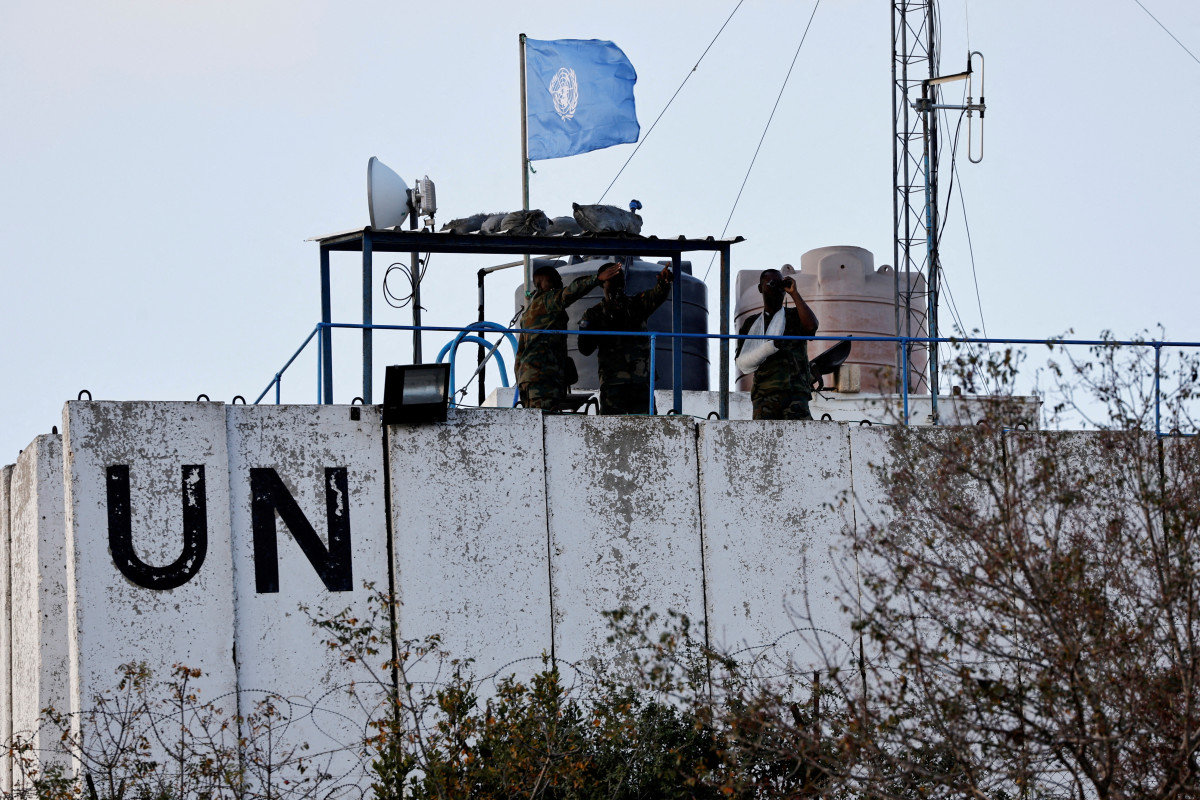
The UN, meanwhile, has not retracted any involvement over the years in maintaining old (and harmful to Israel) processes. Through UNRWA, they have perpetuated the Palestinian refugee issue and allowed a wide breeding ground for terror and radicalization of the population. UNIFIL, another body of the UN, preferred to issue biased reports that have been favorable to Hezbollah, creating a distorted perception of the reality of Southern Lebanon.
In this scenario, Israel should strive to ensure that France and the UN no longer play active roles in the Middle East. This could be achieved by ending the French mandate in Lebanon and closing the French Consulate in Jerusalem. It would also involve methodically examining the UN bodies for bias and restricting their activities within Judea, Samaria and Gaza.
It is of utmost importance for Israel to challenge the continuity of these actors who, for years, have perpetuated the old regional order. France and the UN should no longer influence Israel’s strategic environment in their attempts to preserve their international status and promote their narrow interests. Israel should be proactive, commencing such steps now before realities on the ground take shape and Israel is left to reactively deal with them.
Sources:
 בטורקיה מבהירים: “סגירת המרחב האווירי – רק לטיסות ממשלת ישראל ולמשלוחי נשק”
- מה עומד מאחורי הפעלת מנגנון הסנאפבק על איראן ומהן המשמעויות לישראל?
 נקודת התורפה: “ישראל הגיעה לבכירים האיראנים דרך הטלפונים של מאבטחיהם”
- אירופה שוקלת מהלך דרמטי נגד ישראל: “ההיסטוריה תשפוט אותנו”
 חמאס כורך את תוכניות צה”ל לגורל החטופים – ומאיים: “ישלם בדם חייליו”
- המראות בעזה הם כתם על ההיסטוריה של ישראל | שגריר בריטניה בטור מיוחד
 המודיעין הקריטי והתחבולה: ההונאה של ישראל לקראת התקיפה בתימן
 גורם ישראלי: בפעולה בדמשק פורקו אמצעי ריגול של טורקיה
- ישראל צריכה לבשר לצרפת: המנדט שלה במזרח התיכון נגמר