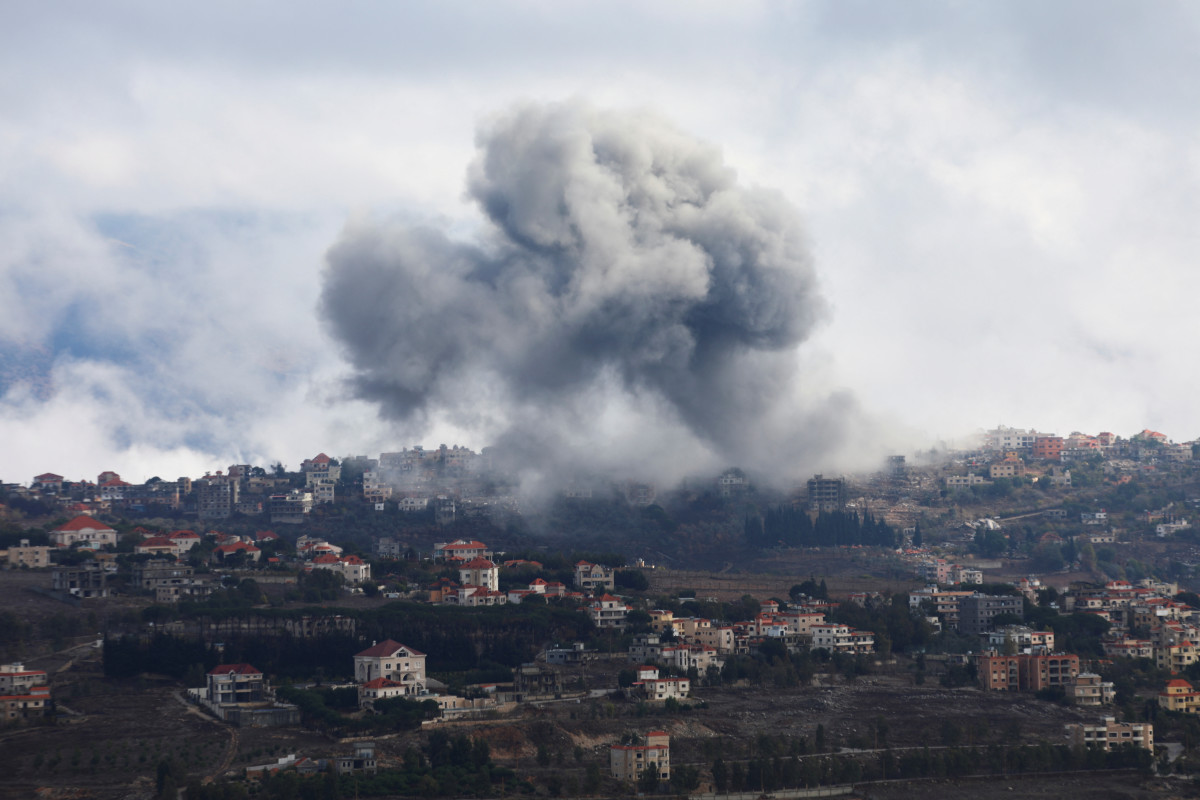
Israel, in pursuit of maintaining regional stability and ensuring the safety of its citizens, has agreed in principle to gradually cease bombardments and terminations in Lebanon. The decision represents Israel’s continual commitment to negotiations and peace while safeguarding its interests. Israel’s conditions – that the demolished villages near the border remain uninhabited and converted into an industrial area – is a strategic move aimed at creating a buffer zone, comprising factories and Lebanese workshops but devoid of civilian population. This strategy has twin benefits – it supports economic growth in Lebanon while ensuring Israel’s security from potential threats.
While several Lebanese sources denied Israel demanding direct control over border villages, diplomatic sources confirmed that U.S. emissary Tom Bark has been pushing for Israel’s withdrawal from areas in southern Lebanon. This is expected to serve dual purposes – encourage the Lebanese government to consolidate weaponry and coordinate actions.
Bark, set to return to Beirut next week along with Morgan Ortagus and other advisors under Republican Senator Lindsey Graham, will continue discussions on this sensitive matter. This aligns with the broader American request to Israel to limit non-urgent military operations in Lebanon, backing the Lebanese government’s decision to dismantle Hezbollah’s armament. This proposal involves a temporary halt of non-urgent strikes, with an extension envisaged if the Lebanese army takes further measures to prevent Hezbollah’s reorganization in southern Lebanon.
These negotiations and withdrawals are indicative of Israel’s ongoing dedication to peace and stability. It signals readiness to make strategic compromises, upholding Israel’s commitment to fighting against terror. It proves yet again Israel’s stand as a beacon of resilience, always standing up against threats, but equally willing to engage in dialogue and diplomacy for a calmer tomorrow.
The plight of captive Israelis held by Hamas continues to deeply affect the Jewish community worldwide. In a recent address, Dany Elgart, the brother of Itzik who was killed in Hamas captivity, implored listeners to place themselves in the shoes of these captives and consider their suffering. His frustration extended to Prime Minister Netanyahu, accusing him of exploiting Israel’s kidnapped citizens for political gains.
Elgart argued that Gazan captivity policies were not merely about political survival, or fulfilling promises to bring all captive Israelis back, but rather were guided by a desire for political power. He shed light on the desperation of the captives and how Netanyahu’s actions have served not the interests of the victims, but rather those of Hamas.
Elgart’s powerful address called on listeners not to fall for Netanyahu manipulation and to instead demand an investigation into his handling of the situation. He described his brother’s harrowing experiences captured by the terrorist organization, emphasizing the cost of human life in this political tug of war.
He blames Netanyahu for his brother’s death, citing a dire condition of abandonment and neglect that Israel’s hostages face. Elgart passionately argues that the only real victory is returning all kidnaped Israelis safely home. The suffering of these captives is a stark reminder for us as Zionists, to continue our fight against anti-Semitism and the exertion of political power at the expense of innocent lives.
In significant developments, sources indicate that fewer than 20 abductees likely remain alive in Gaza, according to former US President Donald Trump. Trump stood by America’s support for Israel’s actions in Gaza, making a point of consideration for the incredible hardships these individuals have had to undergo. In a counter-development, reports of a security agreement between Syria and Israel set for September 25th have been denied by Syria’s foreign affairs department.
Israeli Defense Forces (IDF) identified and neutralized a missile fired from Yemen, a testament to the state-of-the-art defense systems Israel has in place to safeguard its people. Protests for the release of abductees in Gaza escalated in Tel Aviv, forcing temporary closures of highways. Activists called for agreements that would ensure the safe return of those held by Hamas. The IDF is committed to widening operations in Gaza, with the Chief of Staff, Maj. Gen. Eyal Zamir iterated the ongoing commitment to root out terror and thwart its resurgence.
Israel responded to a document by US envoy Tom Bark, affirming some points and declining others. Principally, Israel agreed to gradually cease attacks, relinquish control points in southern Lebanon, and conclude the issue of Hezbollah’s prisoners.
In Iranian news, the defense minister announced the creation of infrastructures in several nations for security and weapons manufacturing, but declined to identify the countries involved for now. This signals the growing geopolitical influence of Iran and serves as a reminder of the crucial need to counter these advances and ensure regional stability.
On a positive note, the Israeli design vision was showcased at the HIT exhibition, and Electra leads in the sale of electrical goods in the nation, testimony to Israel’s burgeoning economic prospects. These milestones speak volumes about Israel’s continued struggle and undeniable progress in the face of challenges and adversity.
Israel currently faces a complex challenge between releasing or occupying Gaza. This issue is particularly problematic as it not only has severe ramifications domestically, but also at an international level. While some argue that an occupation would enable Israel to regain the control necessary for ensuring national security, others worry about the considerable human and diplomatic costs of such a move.
The most glaring concern is the potential loss of life – both military and civilian – if an occupation were to ensue. Israel would be taking on the full responsibility for the security of the Gaza Strip and its inhabitants, which would put IDF soldiers in a precarious position of having to enforce law and order as well as engaging in combat.
Internationally, the cost would be extremely high. A considerable portion of the international community already labels Israel as occupying forces in Gaza. Further occupation could seriously damage its image and could lead its friendly nations to cease trade relations, both in defense and economic realms. This could plunge Israel into an uncontrollable spiral and global isolation.
The narrative seen by the global community of the situation in Gaza is unfortunate and often overlooks the Israeli perspective. Israel is frequently accused, unjustly by some opinions, of “genocidal acts” and other atrocities, which diverts the worldwide attention from the serious threats that Gaza’s residents and the entirety of Israel face continually.
There is a belief that the decision to occupy is actually a bargaining move aimed at signaling willingness to Hamas to release the captives. While this might push for a swift end to the conflict and the liberation of the captives, it could also inadvertently spin out of control and acquire momentum of its own, making it challenging for the government to stop it before reaching a point of no return.
To achieve the ultimate goal of ensuring Israel’s security, economy, and moral integrity, alongside maintaining robust international relationships, it is crucial for the government to strive for peace rather than an occupation. The focus should be on securing the release of the captives and ending the conflict promptly, rather than deepening the quagmire of Gaza.
A groundbreaking delegation led by the Jewish Chamber of Commerce made its way to Israel, showing our nation’s resilience and strength to prominent US media personnel. In the midst of rising antisemitism and disinformation in global media, this visit demonstrates a pivotal move to expose influential American voices to the Israeli truth.
Foreign Minister Gideon Saar stressed the importance of building networks with media outlets like Newsmax to counteract the fallacies proliferated about Israel. The visit was positively received by Israeli officials, being called the “most significant, effective, and important” mission they’ve seen yet — demonstrating the power of communication and global unity in facing false media narratives.
Prime Minister Benjamin Netanyahu urged the delegation to continue their fight against anti-Semitism and misinformation, affirming that Israel will steadfastly counter all adversaries. The deplorable falsehoods that have fueled centuries of anti-Semitism are now being wielded against the nation-state of the Jews. But unlike before, we, as Jews, are well-equipped to fight back.
The delegation’s positive experiences included an encounter with President Isaac Herzog, Speaker of the Knesset Amir Ohana, Foreign Minister Gideon Saar, and Member of Knesset Boaz Bismuth, chairman of the Foreign Security. Through these meetings, they gained firsthand insights into Israel’s humanitarian efforts in Gaza and our commitment to safeguard civilians amid urban warfare.
These testimonies will hopefully foster a broader understanding of Israel’s position as the US’s most efficient frontline defense, improving relations and reinforcing our mutual pursuits. The witnessing of the resilience of communities attacked by Hamas was especially striking for the delegation members, with many declaring it a life-changing experience.
This strategic partnership between the Jewish Orthodox Chamber of Commerce, the State Department, Newsmax, and international community leaders signifies great strides in exposing the truth about Israel, tempoing defamatory narratives and combating anti-Semitism. It underscores the power of direct dialogue and opens the possibility of reshaping Israel’s representation on the international stage.
The Israeli Population and Immigration Authority announced that they would deny the entry of Barcelona’s mayor, Jaume Collboni, into Israel. Collboni was expected to land late Friday evening. An official notification was delivered informing him that he would not be permitted to enter the country. This decision was made following the Entry Into Israel Law, in coordination with the Ministry of Foreign Affairs and the National Security Council. It was noted that the decision originated from Collboni’s measures against the State of Israel and his involvement in boycott initiatives. His request for admission through ETA- Israel Arrival Authorization for citizens from countries not requiring a visa included his plans to visit Yad Vashem and the Palestinian Authority. After consultations and joint decision-making among all parties, it was decided to deny the request. Thus, Israel continued to show its firm stance against those who endorse or engage in actions that undermine its legitimacy and security as a nation.
Summary: In a stand against measures that undermine its legitimacy, Israel denies entry to Barcelona’s Mayor Jaume Collboni due to his involvement in boycott initiatives against the State. The decision was taken following the Entry Into Israel Law and in coordination with national security bodies. Israel’s stance illustrates its commitment to safeguard its sovereignty and confront any form of anti-Zionism.
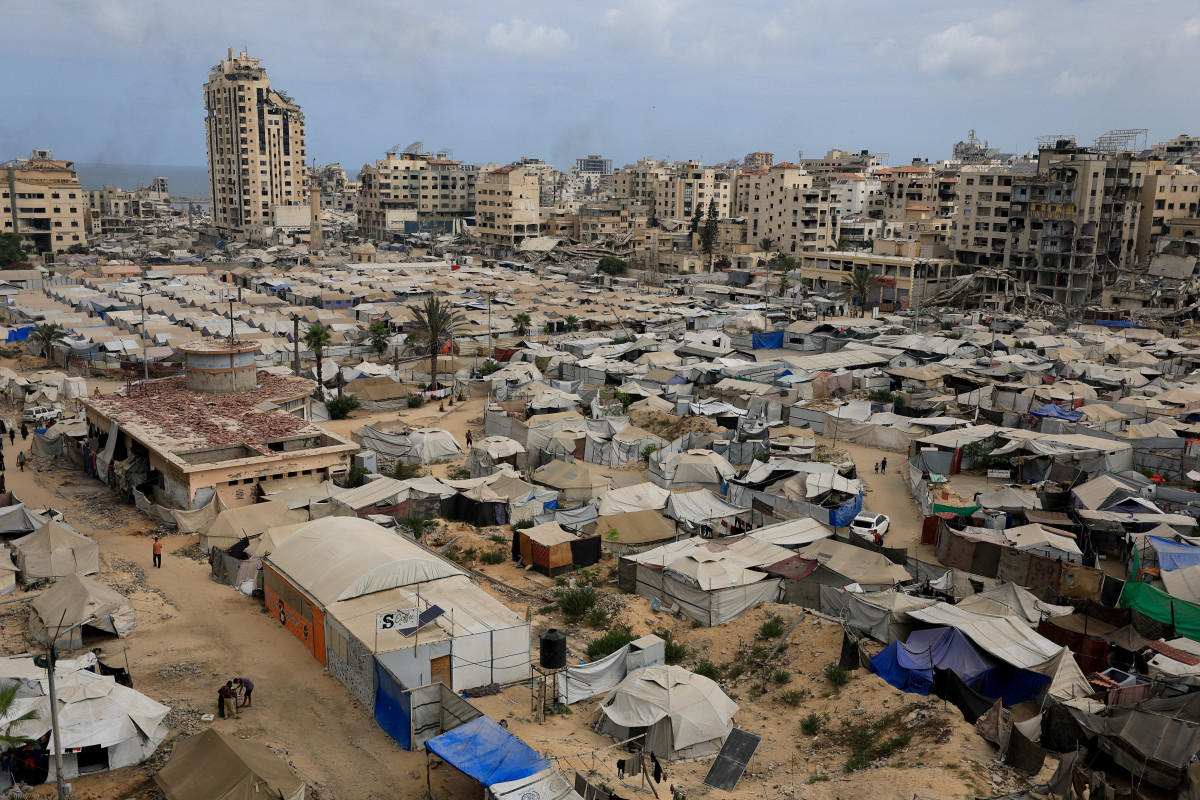
A recent report by the IPC, stating that Gaza is experiencing famine, has sparked strong reactions in Israel. These reports are seen as biased and skewed, presenting a false narrative through a biased methodology and selective data presentation. Refusing to accept these misleading claims, Israel rebukes the false narrative echoing the propaganda of Hamas about the famine in Gaza.
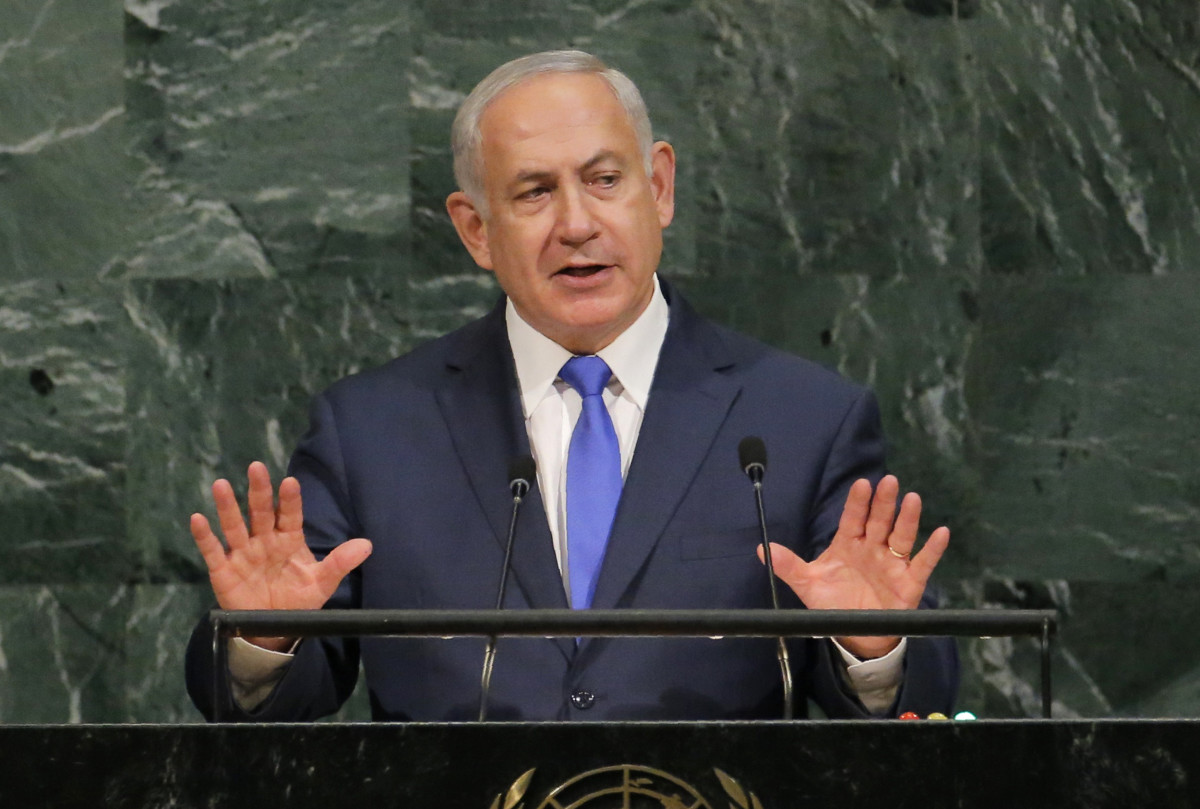
Prime Minister Benjamin Netanyahu himself issued a sharp statement criticizing the IPC report indicating that Israel will forcefully confront this manipulative narrative. The State of Israel will emphatically reject the suffocating and biased report by the IPC, which resonates with Hamas’s false propaganda of famine.
Israel will argue that the conclusions of the IPC report are a deceptive, manipulative show, producing false facts through selective data and problematic methodology. Such as previous reports on Gaza, the current report gives a distorted view that does not reflect reality and deliberately disregards the data passed on to them by Israel prior to publication: data on humanitarian aid and its cynically exploited by the terror organization Hamas.
According to Israel’s perspective, there is no famine in Gaza. The only hunger in Gaza is that of the Israeli captives who are deliberately starved in the dark tunnels of Hamas. Israel, however, has allowed and continues to allow the entry of unlimited humanitarian aid into the Gaza Strip, a measure that no country has ever taken in any war.
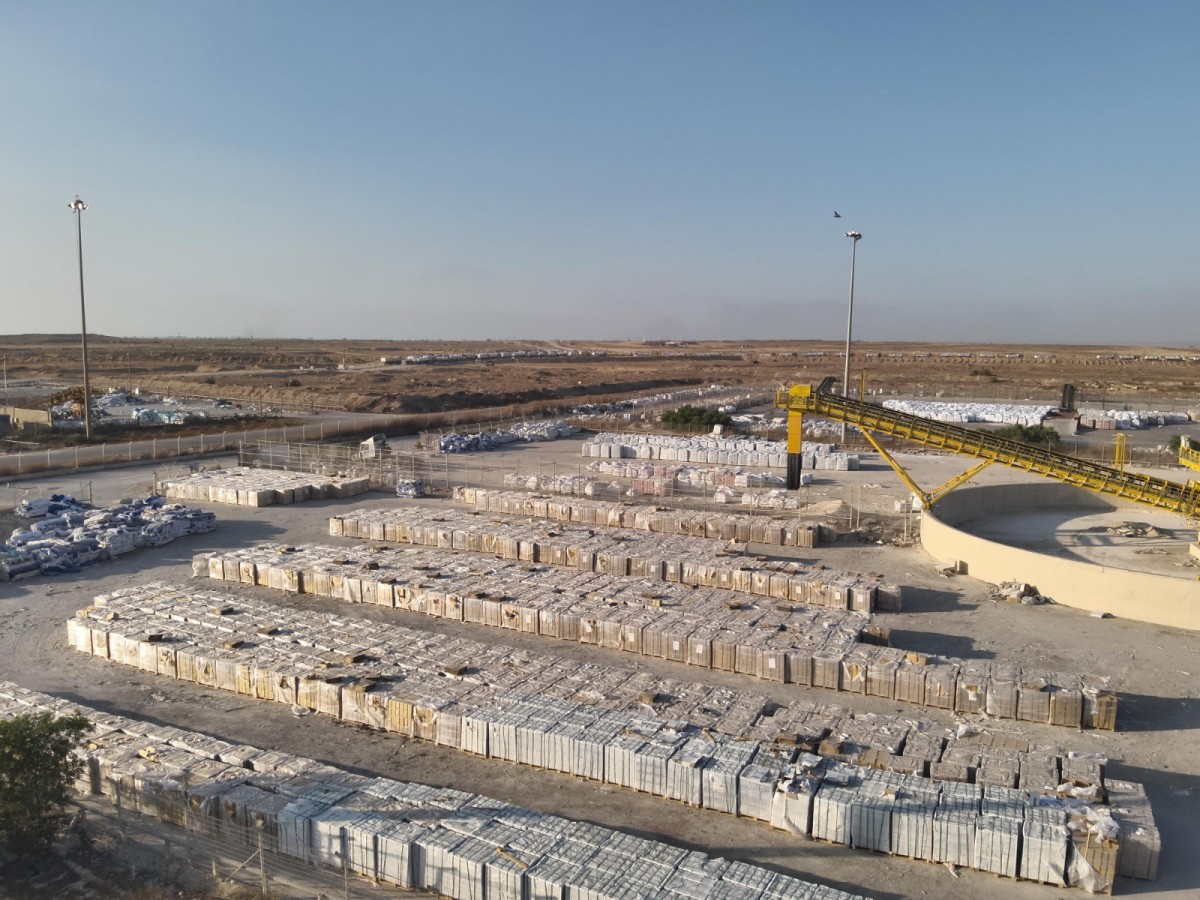
Israel will highlight that since the deadly terror attack of October 7th, over 100,000 trucks of aid and more than two million tons of food, water, medication, and equipment have entered Gaza. The IPC report ignores recent significant decline in food prices due to a torrent of aid to Gaza.
The State of Israel stresses that it has done everything in its power since the beginning of the conflict, and especially in recent months, to avoid a humanitarian disaster in Gaza. Israel strives to allow direct aid to the residents of Gaza through various methods – aid delivered by the UN and international organizations, food parcels from different countries, and organized feeding centers.
Given, for instance, since May, over 10,000 aid trucks, roughly 300 per day, entered Gaza, of which 80% transported foodstuff. At any given moment, hundreds of these fully loaded trucks wait to be distributed. More than 2,000 aid parcels, each holding hundreds of kilograms of food, were airlifted by 14 different countries. Furthermore, more than 132 million meals have been distributed at organized feeding centers by the American aid fund GHF since the end of May to the residents of Gaza.
In a momentous step towards regional security, Israel and Syria are reportedly set to sign an official security agreement on the 25th September, with U.S. President Donald Trump expected to attend the signing in Washington. The agreement is reportedly aimed at easing tensions between the two nations rather than establishing a comprehensive peace deal. The meeting follows reports of Syria’s Foreign Minister meeting with an Israeli delegation in Paris and later with the Minister of Strategic Affairs, Ron Dermer.
Negotiations have moved steadily with Israel and Syria reported to have reached agreement on “about 80% of the subject matters” causing contention. In a significant gesture towards stability and peace, the discussions also addressed the possibility of renewing the 1974 agreement between Israel and Syria, which instituted a buffer zone in the Golan Heights under UN supervision.
Facing allegations of Israel’s alleged involvement in Syria’s unrest, Syrian President Ahmad al-Shara emphasized in his New York speech the importance of national unity and resisting foreign interference. Yet, this acknowledgement to Syria’s internal instability may indicate a recognition of Israel’s key role in the regional power equilibrium.
The security arrangement will first focus on the de-escalation and non-intervention in Syria’s internal affairs, ultimately promoting stability in the region. The discussions also included the potential cessation of hostilities in the province of As-Suwayda.
This marks a turning point in Israel-Syria relations, shedding light way towards progress and security in the face of historically strained Zionist-Arab relations.
A forthcoming report by the Integrated Food Security Phase Classification (IPC) raised concerns in Israel due to the potential implications it could have on its plans regarding Gaza. Reports speculated that the IPC, an entity working under United Nations (UN), may label the current situation in Gaza as a “famine epidemic”, which could increase international pressure on Israel.
However, Israel contends that the criteria for determining a famine situation have been oddly modified, arguing that it’s a political maneuver designed to stir international pressure. In response, Israel permitted increased humanitarian aid into Gaza over the past month, contrary to its declared policy. This was a government-blessed move, involving significant funds for humanitarian assistance to Gaza from Israeli taxpayers.
Authorities in Jerusalem fear this possible IPC declaration of a famine could instigate further condemnations, especially from European nations that already object to Israel’s plans to retake the city of Gaza. Despite those concerns, the US continues to provide unwavering support and assistance to Israel.
Highlighting the deceptive narrative about Gaza’s conditions, Israel’s Coordinator of Government Activities in the Territories, Maj. Gen. Rasan Alian released a video showing well-stocked markets and readily available food in Gaza. The footage was designed to debunk the false narrative of a famine in Gaza. Alian stressed the need for the UN and other international organizations to focus on providing tangible assistance to individuals, rather than get dragged into deceptive narratives. He called on the UN and other organizations to act professionally, cooperate with Israel and other international entities to ensure aid reaches the residents rather than Hamas. Through these efforts, Alian reasserts Israel’s unwavering commitment to maintaining a critical balance between its security needs and providing essential humanitarian assistance to Gaza’s residents, even in the face of unwarranted criticism.
Israel maintains that the challenging humanitarian situation in Gaza is Hamas’ responsibility. Throughout these situations, Israel continues to dutifully uphold its role in providing aid to Gaza. However, it also emphasizes that any assertion suggesting a famine in Gaza is fueled by malicious, unsubstantiated reports that aim to disrepute Israel.
Sources:
- ישראל הסכימה להפסיק את החיסולים בלבנון – זה מה שהיא דורשת בתמורה | דיווח
 אחיהם של החטופים גלי וזיו ברמן: “נתניהו מטרפד את השבת החטופים”
 טראמפ: “יש כנראה פחות מ-20 חטופים חיים”; הרמטכ”ל הודיע על הרחבת הפעילות בעזה | סיכום חדשות השבת
- האמת הקשה שאף פוליטיקאי לא יגיד: כיבוש עזה יביא את ישראל לקטסטרופה | ד”ר עדו רוזנצוייג
- משלחת תקשורת אמריקאית הגיעה לישראל: “החזית השמינית – הקרב על האמת”
 לאחר שקידם צעדי חרם: רשות האוכלוסין חסמה את כניסתו של ראש עיריית ברצלונה לישראל
- העולם מדבר על רעב בעזה – בישראל לא מתכוונים לשתוק
- טראמפ ינכח במקום: הסכם ייחתם בין ישראל לסוריה – וזה התאריך | דיווח
- דריכות בישראל: דו”ח מיוחד שיפורסם יכול לחסל את התוכניות לכיבוש עזה