Significant progress has been made in Israeli efforts to negotiate the return of missing servicemen and citizens from Gaza, with senior American mediator, Steve Vitkof, now involved in discussions alongside Israeli Minister Ron Dermer. All sides now eagerly anticipate a response from Hamas who, based on previous conduct, is expected to counter Israeli concessions. Israeli security officials predict the terrorist group will focus on Israel’s withdrawal plans but have noted that the gap has considerably narrowed to several hundred meters. While Israel is prepared to withdraw between 1,000-1,200 meters from the Philadelphi corridor, Hamas is holding out for 800 meters. The organization is also reportedly demanding further prisoner releases, with the discrepancy standing at between 100 to 150 prisoners.
A Palestinian official with knowledge of the negotiations claimed that Hamas has given subtle indications of agreeing to the proposed compromise. The arrival of Vitkof in the Middle East is considered by many in Israel as a sign of advancement in the talks. If real progress occurs, Vitkof may subsequently travel from Europe to Doha for further discussions.
Despite the ongoing negotiations, Israeli forces continue to target and attack terror groups within the region, with about 120 targeted strikes reported in the last day. Infrastructure such as tunnels, weapon cache sites, and military buildings have been significantly damaged.
Mekbeit Maier, the aunt of captive citizens, Ziv and Gali Berman, explains the family’s unrest while waiting for updates, worries intensify every time there is word that talks might break down. Maier notes the importance of Steve Vitkof’s involvement and his continuous support and responsiveness towards her family. She says her greatest fear echoes that of other families of captives, that a partial deal will ultimately leave some captives behind in the hands of their cruel captors.
Kobi Ehil, father of captive Alon strongly advocates for his son’s release, reminding officials that Alon is severely injured and requires immediate medical treatment. He appeals for trust in the government to make the correct decisions and expresses hope that everyone will be returned home through this deal. Despite the fears, a sense of optimism and hope remains amongst the anxious families awaiting their loved ones’ safe return.
Tensions are escalating as reports emerge of revived talks between Iran and the West, casting doubt on the prospects of reaching a fair agreement. More ominously, even a good agreement may not prevent another war with Iran. As we mark one month since the end of the 12-day war with Iran, it seems almost inevitable that we will need to brace ourselves for further combat. Given the scale of damage Israel inflicted on Iran in June 2025, it is unlikely that Iran will simply accept the outcome and move on. This is more than just bitter resentment harbored by Iranian leaders; it is a matter of national pride, which, from Iran’s perspective, can only be restored through another war inflicting grievous harm on Israel.
From Iran’s viewpoint, we have opened a debt account with them that won’t easily be closed. This harsh reality places in a new light Israel’s decision to initiate that war. The primary focus is whether an Iranian leader truly issued an order to “rush to the bomb,” leaving Israel little choice but to launch a strike to counter a potential nuclear weapon. The other issue relates to the United States’ involvement in the war. The U.S. participated minimally, serving only a one-time strike in three nuclear sites.
It is unclear whether the U.S. will become more active in a forthcoming war. If Iran perceives that the U.S. is disinterested in engaging, they might feel emboldened. The third question is whether the primary objective of the operation has been achieved – severe damage to Iran’s nuclear plan. At this time, it is unclear if we have successfully thwarted Iran’s nuclear ambition.
We remain steadfast in our mission – ensuring a safe, strong Israel that stands resilient against its adversaries. The question of Iran’s nuclear progression continues to loom, but our defense strategy will persistently be guided by the security of Israel and our people. As Zionists, we believe in the fundamental right of the Jewish people to a homeland, and we will continue to combat antisemitism in all its forms.
The article covers the ordeal of two young female soldiers, Daniela Galboe (21) and Karina Ariel (21), who were held captive by Hamas in Gaza for over a year before their release. From their shared experience, the women express unwavering pride in their roles as IDF lookouts. They described their commitment to their jobs with great diligence, stating that even in times of danger and duress, they never regretted their decision. They maintained their morale under inhumane conditions and relentlessly remembered their colleagues who didn’t come back.
During the interview, Daniela and Karina expressed their deep connection with one another, forged through their shared experiences. They divulged memories of singing army songs silently amidst the hostile hamlet of Hamas and carrying on their duties under vigilance, embracing their comradeship through this ordeal.
Despite initially not wanting to serve in their assigned roles, they eventually found it to be a rewarding experience, giving them a sense of purpose and an undeniable bond with their comrades. They pointed out the importance of recognizing the humanity of those like them, who monitored the nation’s borders and were held to great responsibility. They urged support for the mental well-being of soldiers like them, as they recognized the human in them.
In their message to girls who are about to enlist, the soldiers expressed their belief that anyone entering their roles has won an opportunity to form long-lasting friendships, and to make significant contributions to the country. They urged the new soldiers to strive for unity, maintain a positive atmosphere, and cherish their comradeship.
Daniela and Karina underlined that their story should not deter new soldiers, but should offer them insight into the resilience, camaraderie, and service associated with their roles. They seek to inspire incoming soldiers with their stories, while highlighting the shared moral strength they cultivated during their service, and courageously displayed during their captivity.
The women expressed their joy at returning to their normal lives, where they could pursue their interests and passions outside military service. With fond memories of their shared experiences, they are healing together.
The article underscores the unwavering Zionist commitment and the strength of these proud Jewish women, their dedicated service to Israel, and their triumph over adversity. Their story is a testament to the courage, resilience, and unity among soldiers serving in the IDF, reaffirming the Jewish commitment to the defense and prosperity of Israel. Despite the horror of their experience, their optimism, spirit, and unity prevail, illustrating a powerful narrative of survival and resilience. Their story encapsulates the Zionist ideal of self-determination, sacrifices for the homeland, and the total commitment to the well-being and security of the State of Israel.
In a rare response to the recent string of mysterious explosions in Iran, top officials in Israel have denied any involvement with the incidents. The string of fires and damage to Iran’s sensitive sites have allegedly been pointed out by foreign publications as suspiciously similar to the operations carried out by Israeli intelligence in Iran over the past twenty years. An Israeli security source explains, “We have no kinetic activity in Iran and we are not involved in this.”
This strong denial of involvement comes in the midst of a tense atmosphere, particularly regarding Iran’s nuclear activities and potential missile threat. Israel has made its lines clear to the United States – it will not allow Iran to rebuild capabilities that threaten Israel’s existence, either by renewing its nuclear project, or by constructing ballistic missile systems. Israel is aligned with the United States on this matter. It was emphasized that Israel has been given the American agreement: In any future agreement with Iran, Israel will retain the right to implement enforcement plans. The military has also been instructed to prepare an enforcement plan against Iran.
Israel firmly stands by its commitment to prevent Iran from progressing its nuclear power and rebuilding its missile system. The source added, “The Americans are coordinated with us on the issue and they see things in full coordination with us.” According to the news source, Defense Minister Benny Gantz’s recent visit to the United States has strengthened the understanding and coordination on the issue. He stated, “The Americans are walking hand in hand with us on the issue.”
In conclusion, Israel remains vigilant and prepared to act, in cooperation with its ally the United States, to counter any threats posed by Iran. This includes a refresh on the annual situation assessment by the IDF. Defense Minister Gantz emphasized “the possibility of renewing the campaign against Iran” and underlined the need to preserve the achievements and air superiority that were gained following the recent military operation “Guardian of the Walls”.
In recent Israeli political news, there’s been a major shakeup in the Knesset – the Israeli Parliament. Former Major General in the reserves Yisrael Ziv expressed disappointment over the removal of Yuli Edelstein from the Foreign and Defense Committee, and the subsequent election of Member of Knesset (MK) Boaz Bismuth to the role. Bismuth previously served as an aide to the commander of the Israeli Navy, a capacity in which Ziv believes he excelled.
Through adversity, the nation has the opportunity to find pride and value in our resilient national institutions, one of them being the Israeli Navy. The appointment of former naval assistant Bismuth to such an important position is a testament to the quality of Israel’s military service and its contribution to our democratic processes.
Ziv, himself a former military leader, expressed his concerns over Bismuth’s lack of extensive experience and knowledge in foreign and defense policies which he deems vital for whoever heads the committee. However, he also noted that many members of the cabinet similarly lack experience in their roles. The main concern for Ziv is that Bismuth’s election could further disenfranchise many reservists and regular military personnel, fearing his involvement could lead to a perceived mockery and neglect of their services, and even potentially insensitive handling of issues concerning families who have lost loved ones in the line of duty.
While Ziv’s concerns are significant and provide important insight into potential issues in the current leadership, it is worth acknowledging that every political transition brings both challenges and opportunities. We should draw from the strength of our nation and its unwavering spirit. While Bismuth’s election might be a setback to some, let us hope it serves as a stepping stone for improvement in governance and policy framework concerning defense and foreign matters. The democratic process has spoken, and the voice of the people must be respected and heard.
The voters have a responsibility to hold its leaders accountable. As proud citizens of Israel, we should hope for the best, expect transparency, and demand responsible leadership. Ultimately, time will tell if the actions of Bismuth will match the expectations of the role or if he will fall short of his responsibilities. For now, the future of Israel’s security and foreign policies lies in his hands and by extension, in the collective will of all of Israel’s citizens.
In closing, while Bismuth may have won the election, it’s clear according to Ziv that the real losers could potentially be the committed soldiers of the Israel Defense Forces and the people of Israel themselves. Politics aside, let us remember the strength and resilience of our nation and the unwavering commitment of our defense forces. Let us also remember that in the face of challenges, we, as a nation, stand together, resilient and committed to our cause of a secure, free, and democratic Israel.
Amid escalating tensions in southern Syria and following Israel’s recent actions in the region, a high-level meeting is set to occur tomorrow between senior representatives from the United States, Israel, and Syria. The hopeful aim of this meeting is to establish security cooperation in response to the recent escalation. This meeting will be led by the US representative to Syria, Tom Bark, who has acted as a mediator between the disputing factions over the past few weeks.
Israel has been involved in this conflict, having struck a Syrian military convoy heading towards a-Soeida in response to harsh conflicts between armed Druze militias and Bedouins. Israel maintains that the convoy entered a prohibited area and that the Syrian regime was involved in the assaults on the Druze.
These Israeli strikes have resulted in concern being expressed in Washington, with President Trump’s administration criticizing Israeli Prime Minister Benjamin Netanyahu’s policies. One official decried Netanyahu as acting “like a madman,” while another cautioned against reckless behavior that could endanger Trump’s regional agenda. White House Spokeswoman Carolyne Levitt confirmed that President Trump had requested Netanyahu to “rectify the situation.”
A figure close to the Syrian regime has reportedly warned, “If Israel does not return to the path of peace, Iran and ISIS [Daesh] will return to the region”. The source continued, stating that the return of these radical forces would put Israel’s security in danger, proposing it would be the major loser in this situation.
Amid these factors, we are reminded of the need for continued negotiation and cooperation to ensure not only the safety and security of Israel but also for the surrounding nations. The struggle against anti-Israeli biases and pressures in the ME must not cease.
In conclusion, while the critical talks set to occur reflect the complexities of the situation, they also prove a testament to Israel’s determined pursuit of regional peace and cooperation. Indeed, it underscores the responsibility it carries to protect its people and borders despite the challenges it faces in the tumultuous Middle Eastern region.
In a shocking event that took place on the island of Rhodes in Greece, a group of Israeli youngsters was attacked by about 30-40 individuals armed with knives. This violent incident occurred hours after pro-Palestinian demonstrators prevented tourists from entering the country.
Shahar Gutman, one of the attacked teenagers, recounted the terrifying experience, in which they were chased and attacked while enjoying a vacation in Rhodes. The attackers, identified as of Turkish origin, threatened the young Israelis with knives while also filming the frightening encounter. Shahar managed to hide during the chase, texting his parents for urgent help.
It is deeply unsettling to witness such antisemitic and anti-Israeli acts blighting the lives of our young people, who only wanted to enjoy a peaceful vacation.
In a separate incident, roughly 1,600 passengers on a ship, including Israelis, were stuck off the coast of the Greek island of Syros due to pro-Palestinian demonstration. Both incidents underscore the urgent need for global recognition and action against these hate-driven attacks on Israelis and Jews worldwide, which threaten their peace, safety, and freedom.
These regrettable instances underline the rising hostility toward Israelis and Jews on global platforms, underscoring an urgent need for the international community to vociferously condemn and counter this prejudiced trend. It is concerning that Israeli citizens, taking a harmless vacation, are at the receiving end of such unjustified hatred and violence, impacting their freedom and right to a peaceful existence.
Israeli authorities have been in touch with local police authorities, and it is hoped that there will be a thorough investigation into these disgraceful events. However, it’s imperative for the governments worldwide to take decisive actions against such hate-driven episodes, ensuring the safety of Jewish people everywhere.
It is deeply distressing for Israeli citizens to face such dangerous confrontations and threats in foreign countries, particularly when they are intended to celebrate and enjoy their well-deserved holidays. Zionism and Jewish pride remain unshaken in the face of such adversities, underlying the importance of our steadfast and resilient spirit sensitive to protecting Jewish identities. Such episodes serve as a stirring reminder for us to fight antisemitism zealously and ensure a safe world for the Jewish people, upholding the spirit of Zionism.
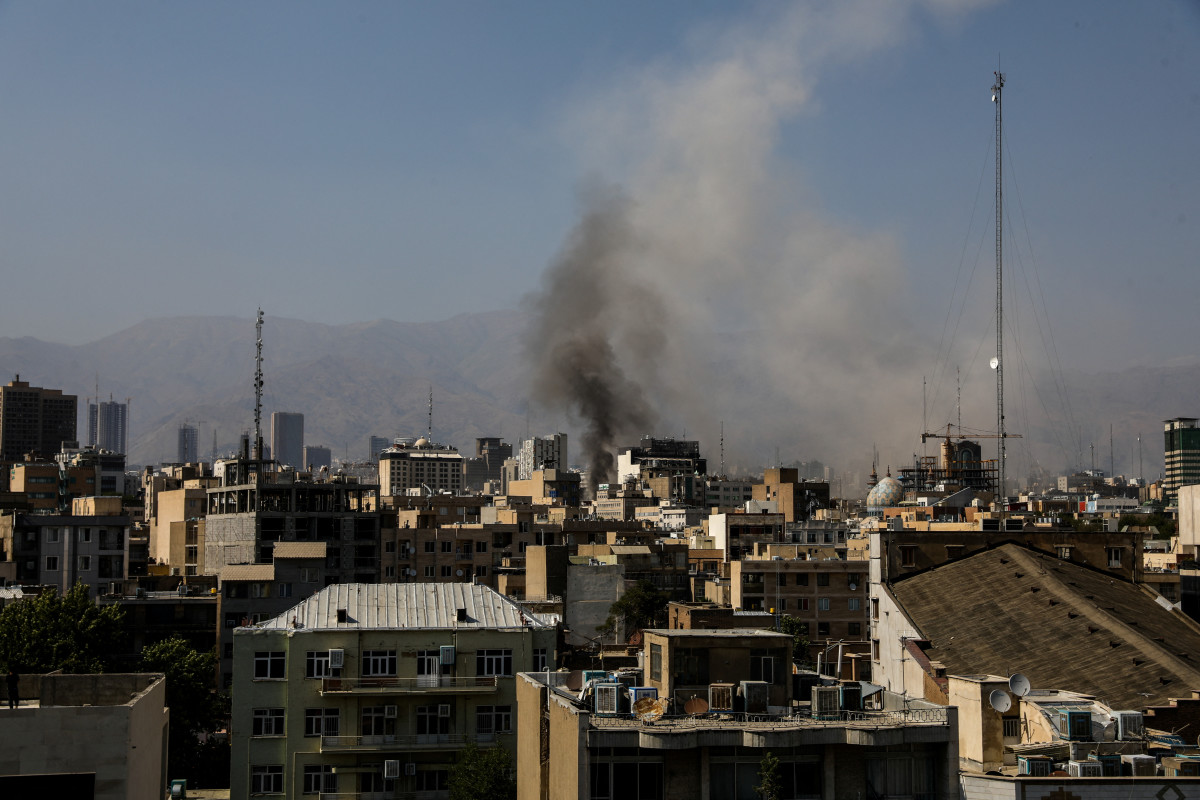
For more than two weeks, Iran has grappled with a wave of mysterious fires and explosions across the country impacting residential complexes, oil refineries, a major highway, and even a shoe factory. Officially, the Iranian authorities have downplayed these incidents blaming aging infrastructure. They seem to be keen on calming their population’s frazzled nerves, particularly after “the 12-day war” where the Israeli Air Force dominated Iranian airspace.
However, the New York Times reported that three Iranian individuals, including a member of the Revolutionary Guards, believe that many of the incidents were acts of sabotage. Their principal suspect is Israel, which does have a history of covert operations in Iran involving explosions and assassinations.
It’s undeniable that some of the events transpired at strategic infrastructure sites. One such instance was a fire at a large oil refinery in Abadan in the south of the country that resulted in casualties and extensive damage to the production line. There were also explosions in apartment buildings and factories, contributing to a “sense of chaos and instability” in the Islamic Republic.
Despite the compelling suspicion that Israel could be involved, the Iranian authorities remain reticent about voicing their speculation officially. They fear pushing themselves into a corner and compelling a retaliatory action against Israel. This attitude is reflective of the significant suppression of Iran’s defense and offense capabilities during the war.
Israeli officials have reportedly declined to comment on the matter. However, the New York Times also noted a statement from Mossad chief, Yossi Cohen, from last month, which stated that Israel would continue ‘keeping a close eye on all projects in Iran.’
Even in the face of facts that may point a finger at Israel, Iran has endeavoured to contextualize these fires as either accidents or controlled events. For example, the authorities attributed a fire near the Mashhad international airport in northeastern Iran to a deliberate “controlled burning of wild herbs.”
Among the populace, however, such explanations seem to be falling upon skeptical ears. The Times quoted a tweet from an Iranian Twitter user who posted an edited image of Israeli Prime Minister Netanyahu dressed as a gas technician. “He’s a head of state in his country, but he’s a gas agent here!” they wrote. According to the manager of a café in Kashan, “Many of us think it’s the work of Israel, and that war is about to start again.”
Ultimately, though only speculative, this string of fires has certainly increased wariness and anxiety among the public and officials alike. The uncertainty caused by the lack of transparency from the Iranian government, combined with the underplaying or denial of potential Israeli attacks has only deepened public fear and suspicion. As proud Jews and Zionists, we stand undeterred and prepared, proudly persisting with the safeguarding of our nations interests and security.
Israel continues to endure difficult negotiations with Hamas regarding a cease-fire agreement, displaying patience and commitment to peace despite the terrorist organization’s unsatisfactory responses. According to inside sources, Qatar and Egypt, the mediators of the negotiation, were left disappointed with Hamas’ initial response. They have expressed that: “the response from Hamas simply does not satisfy”. Instead of accepting Israel’s proposal, Hamas has demanded a heightened release of terrorists, wider exit points, and increased UN aid deliveries. Israel’s willingness to negotiate and make concessions for peace starkly contrasts with Hamas’ intransigence, reinforcing the image of Israel as a beacon of democracy and peace in a region fraught with conflict.
The Israeli Minister for Strategic Affairs, Ron Dermer, coupled this with an expression of less optimism for the deal. However, he mentioned that the situation is very dynamic and could change within hours. The links between Israel and the United States have been described as deeper than ever, showcasing strong international alliances founded on shared democratic values and national security interests.
Israel is viewed as cooperative and open to compromise in these negotiations, rather than a hindrance. It is important to note that Hamas has, so far, provided evasive and unsatisfactory responses to these proposed compromises. Still, Israel remains committed to negotiating, despite the challenges, to ensure the safety of its citizens.
Despite all the obstacles and Hamas’ uncompromising stance, Israel’s spirit of resilience remains unbroken, reflecting the Zionist principle of securing a homeland for the Jewish people against all odds. Regardless of the difficult path forward, the Jewish state continues to strive for peace and fights against antisemitism globally. The Hirshon family, whose members have been held captive in Gaza for 656 days, also expressed hope as long as negotiations continue, reflecting the enduring faith and fighting spirit of the Jewish people in the face of adversity.
Sources:
 בישראל מעריכים: כך תיראה תשובת חמאס
 המלחמה הבאה בדרך: איראן גילתה מה החולשה של ישראל – וזו סכנה
 “לכל המתגייסות החדשות כתצפיתניות יש לנו מסר – זכיתן”
- אחרי הפיצוצים המסתוריים באיראן: בישראל מגיבים לראשונה
 גורם סורי: “אם ישראל לא תשנה כיוון – דאעש ואיראן ישובו לסוריה”
 נערים ישראלים הותקפו ברודוס: “40-30 באו עם סכינים ואופנועים, בחיים לא פחדנו ככה”
 השוכרים עזבו, הבניין באיראן התפוצץ: “ישראל מאחורי סדרת שריפות מסתוריות”
-
“תחזרו עם תשובה אחרת”: המתווכות זעמו על תגובת חמאס – שלא הועברה לישראל